Island in the Sun 1957


A scandalous tale of politics, social inequality, interracial romance, and murder set on a fictitious British-owned Caribbean island.

Does Island in the Sun have end credit scenes?
No!
Island in the Sun does not have end credit scenes. You can leave when the credits roll.
Where to Watch Island in the Sun
See current US streaming, rental, and purchase options for Island in the Sun (1957) via JustWatch.






Meet the Full Cast and Actors of Island in the Sun
Explore the complete cast of Island in the Sun, including both lead and supporting actors. Learn who plays each character, discover their past roles and achievements, and find out what makes this ensemble cast stand out in the world of film and television.

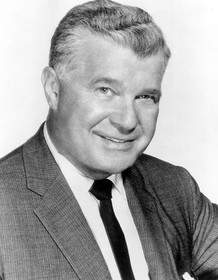
James Mason
Maxwell Fleury
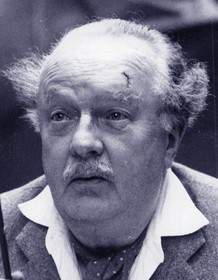
Basil Sydney
Julian Fleury

Joan Fontaine
Mavis Norman
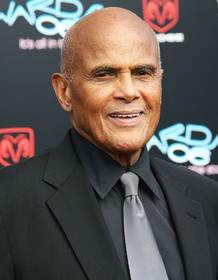
Harry Belafonte
David Boyeur
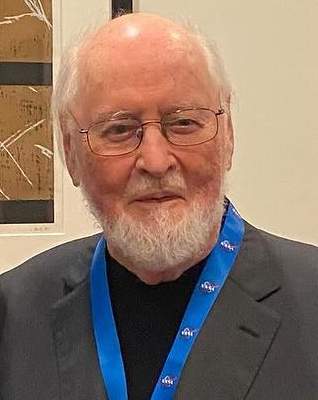
John Williams
Colonel Whittingham

Dorothy Dandridge
Margot Seaton
Joan Collins
Jocelyn Fleury
Ronald Squire
Governor Templeton
Patricia Owens
Sylvia Fleury
Stephen Boyd
Euan Templeton
Michael Rennie
Hilary Carson
Diana Wynyard
Mrs. Fleury
John Justin
Denis Archer
Hartley Power
Bradshaw
Barbara Upton
Colonel's Secretary
External Links and Streaming Options
Discover where to watch Island in the Sun online, including streaming platforms, rental options, and official sources. Compare reviews, ratings, and in-depth movie information across sites like IMDb, TMDb, Wikipedia or Letterboxd.





Take the Ultimate Island in the Sun Movie Quiz
Challenge your knowledge of Island in the Sun with this fun and interactive movie quiz. Test yourself on key plot points, iconic characters, hidden details, and memorable moments to see how well you really know the film.
Island in the Sun (1957) Quiz: Test your knowledge of the 1957 film *Island in the Sun*, covering its characters, plot twists, and key events.
Which actor portrays Maxwell Fleury, the conflicted plantation owner's son?
Full Plot Summary and Ending Explained for Island in the Sun
Read the complete plot summary of Island in the Sun, including all major events, twists, and the full ending explained in detail. Explore key characters, themes, hidden meanings, and everything you need to understand the story from beginning to end.
Maxwell Fleury, a white plantation owner’s son, occupies a precarious space on a small West Indian island where the spring air is thick with social tension. The society around him is a tangle of rigid class lines and racial hierarchies, and his own sense of worth is always measured against the men and women who serve behind the scenes of the island’s wealth. Maxwell [James Mason] is haunted by an inferiority complex that drives him to reckless acts in a bid to prove he is more than a privileged son. His marriage to Sylvia [Patricia Owens], a woman who coldly guards her own fortress of pride, becomes one of the pressure points in a complicated set of loyalties. The two of them inhabit a house where affection flickers but never quite settles, and Sylvia’s suspicions about Maxwell’s fidelity gnaw at him as he spirals.
Across from Maxwell’s home sits the figure of his sister Jocelyn [Joan Collins], radiant and wary in equal measure, who has caught the eye of Euan Templeton [Stephen Boyd], a striking and openly ambitious young man just arrived on Santa Marta to visit his father, Lord Templeton [Ronald Squire], the island’s governor. Euan’s charm and energy offer a stark contrast to Maxwell’s simmering anxieties, and as he courts Jocelyn, the social gatekeepers tighten their grip around both of them. The gleam of Oxford prestige and the promise of a modern future bump against inherited titles and colonial power, and the future of the Fleury clan seems to hinge on a single decision that could tilt the balance of the island.
Meanwhile, a different current runs through the island’s political fabric. David Boyeur [Harry Belafonte], a rising and daring black union leader, moves into the center of power with both poise and menace. He is seen by some as a threat to the old white ruling class, yet Templeton himself seeks to court him as a potential ally—an offer that illustrates the intricate dance of diplomacy, race, and ambition that defines life on Santa Marta. Mavis Norman [Joan Fontaine], the widow of Arthur Fleury, the elder scion of the plantation line, finds herself drawn to David, and their growing rapport becomes a charged triangle of attraction, tension, and potential upheaval for the island’s carefully calibrated social order.
On the other side of the social spectrum, Denis Archer [John Justin], Governor Templeton’s aide-de-camp and an aspiring writer, notices Margot Seaton [Dorothy Dandridge], a mixed-race beauty determined to build a better life through hard work and opportunity rather than relying on charm alone. Denis wins her away from David and helps her secure a job as a secretary in the governor’s office. The budding romance between Denis and Margot underscores the way ambition and romance intersect with who gets to rise in a society built on inherited status.
The story takes a darker twist when Maxwell’s insecurities erupt into violence. In a moment of jealousy, he misreads a situation and strangles Hilary Carson [Michael Rennie], a former war hero who lives a single life and catches Maxwell’s eye in a way that unsettles him. Maxwell then tries to cover the crime by making it look like a robbery. Colonel Whittingham [John Williams], the island’s cunning police chief, begins to piece together the truth and tests Maxwell with questions and insinuations drawn from the darkest corners of human psychology. Whittingham’s method signals the novel’s philosophical center: the detective work is less about the crime itself than about the moral and existential questions raised by it, with hints that echo Dostoevsky’s Crime and Punishment.
As the relationships on the island intensify, Euan’s feelings for Jocelyn grow deeper, and she delays proposing marriage to ensure that “everything is right” before committing to a life that will bring her under the weight of titles and expectations. The tension between personal desire and social obligation becomes the central drumbeat of the island’s spring. Maxwell, meanwhile, decides to run for the legislature, hoping to prove his worth on the public stage. The political wind shifts abruptly when a visiting American journalist, Bradshaw [Hartley Power], publishes an exposé that reveals Maxwell’s paternal grandmother was part black—a fact that the world, and Maxwell himself, would rather pretend does not exist. The revelation lands with a heavy thud, and the island’s elite respond with a combination of denial and bravado, while the old guard looks for a way to preserve its legitimacy and control.
The revelation sets off a public crisis. In a moment of public ceremony, Maxwell first openly embraces his bi-racial heritage, a moment intended to signal progress and reconciliation, but it is met with jeers from a black crowd on the square, inadvertently manipulated by David’s provocations. The crowd’s reaction reveals how fragile even the appearance of unity truly is on this island. Humiliated, Maxwell backtracks, denounces his black heritage, and lashes out at those around him, showing how quickly pride can morph into repudiation in a society built on lines that cannot easily be crossed.
The plot thickens when Jocelyn discovers she is pregnant with Euan’s child. The looming question of lineage forces a dramatic and painful confrontation: Jocelyn’s mother reveals a long-hidden truth—that Julian Fleury [Basil Sydney], not her father, is the man who fathered the Fleury line, a revelation that ripples through the family and redefines the path forward for Jocelyn. The weight of this secret shifts the family’s dynamics and adds another layer to Maxwell’s already precarious sense of belonging. Maxwell, cornered by Whittingham’s steady pursuit and the blow of social disgrace, contemplates his fate and ultimately chooses to surrender to the police, a broken man seeking to end a spiral of judgment and retribution that he can no longer bear.
In the aftermath, Jocelyn and Euan wed and depart for England, followed by Margot and Denis, who also begin anew life across the ocean. Mavis continues to pursue a serious relationship with David, but his resolve hardens; he insists on staying within his own race to be accepted by his people, and, with reluctance and sadness, she accepts his decision. The couple parts at the beach as the sun sinks, and David walks back to town alone, the weight of unrequited love and the limits of social change pressing down on him as dusk settles on the island.
What remains is a portrait of a society at a crossroads, a place where love and ambition collide with inherited power and inherited bias. The island’s four couples map a spectrum of desire, loyalty, fear, and resignation, showing how the stinging ache of inequality can ripple through intimate relationships and alter the course of entire lives. The film’s coexistence of romance, violence, political maneuvering, and social critique creates a layered, morally complex narrative that asks not just what people do, but why they do it—and what it costs when the old order refuses to bend.

Coming soon on iOS and Android
The Plot Explained Mobile App
From blockbusters to hidden gems — dive into movie stories anytime, anywhere. Save your favorites, discover plots faster, and never miss a twist again.
Sign up to be the first to know when we launch. Your email stays private — always.
Explore the mobile appWatch Trailers, Clips & Behind-the-Scenes for Island in the Sun
Watch official trailers, exclusive clips, cast interviews, and behind-the-scenes footage from Island in the Sun. Dive deeper into the making of the film, its standout moments, and key production insights.
Cars Featured in Island in the Sun
Explore all cars featured in Island in the Sun, including their makes, models, scenes they appear in, and their significance to the plot. A must-read for car enthusiasts and movie buffs alike.
Island in the Sun Themes and Keywords
Discover the central themes, ideas, and keywords that define the movie’s story, tone, and message. Analyze the film’s deeper meanings, genre influences, and recurring concepts.
Island in the Sun Other Names and Titles
Explore the various alternative titles, translations, and other names used for Island in the Sun across different regions and languages. Understand how the film is marketed and recognized worldwide.
Similar Movies To Island in the Sun You Should Know About
Browse a curated list of movies similar in genre, tone, characters, or story structure. Discover new titles like the one you're watching, perfect for fans of related plots, vibes, or cinematic styles.


Quick Links: Summary, Cast, Ratings, More

What's After the Movie?
Not sure whether to stay after the credits? Find out!
Check out our other apps:

SAT Sphere
Build confidence for the Digital SAT.

Mori Atlas
Discover wild places worth protecting.

Luntero
Search smarter for a home in Amsterdam.

Plot Explained
Unravel movie endings and hidden clues.

Pokechamp
Dive into Pokémon data and battle logic.

Driving Theory
Get ready for your European theory test.

Movie Dust
Plan your next cinema trip with ease.

Musemap
Find art and culture as you travel.

Selkobase
Compare credentials before committing.

Local Manual
Turn an unfamiliar country into practical next steps.

Lernavi
Compare school systems before your next move.

GymRoam
Find a workout stop wherever your plans take you.
Explore Our Movie Platform
New Movie Releases (2026)
Famous Movie Actors
Top Film Production Studios
Movie Plot Summaries & Endings
Major Movie Awards & Winners
Best Concert Films & Music Documentaries
Movie Collections and Curated Lists
© 2026 What's After the Movie. All rights reserved.
Privacy Policy