Human Nature 2002

A brilliant but socially awkward scientist, Nathan, and his unconventional partner, Lila, find their lives upended by the discovery of Puff, a man raised by wolves in the wilderness. Nathan believes Puff can be educated and integrated into society, while Lila argues for protecting his natural, uninhibited state. Their conflicting approaches spark a humorous and thought-provoking exploration of human nature, challenging preconceived notions of civilization and innocence.
Does Human Nature have end credit scenes?
No!
Human Nature does not have end credit scenes. You can leave when the credits roll.
Where to Watch Human Nature
See current US streaming, rental, and purchase options for Human Nature (2002) via JustWatch.






Meet the Full Cast and Actors of Human Nature
Explore the complete cast of Human Nature, including both lead and supporting actors. Learn who plays each character, discover their past roles and achievements, and find out what makes this ensemble cast stand out in the world of film and television.

External Links and Streaming Options
Discover where to watch Human Nature online, including streaming platforms, rental options, and official sources. Compare reviews, ratings, and in-depth movie information across sites like IMDb, TMDb, Wikipedia or Rotten Tomatoes.










Ratings and Reviews for Human Nature
See how Human Nature is rated across major platforms like IMDb, Metacritic, and TMDb. Compare audience scores and critic reviews to understand where Human Nature stands among top-rated movies in its genre.

56
Metascore
6.6
User Score
60
%
User Score
Take the Ultimate Human Nature Movie Quiz
Challenge your knowledge of Human Nature with this fun and interactive movie quiz. Test yourself on key plot points, iconic characters, hidden details, and memorable moments to see how well you really know the film.
Human Nature (2002) Quiz: Test your knowledge of the 2002 film Human Nature, covering its characters, plot points, and thematic elements.
Which actress plays the character Lila Jute?
Full Plot Summary and Ending Explained for Human Nature
Read the complete plot summary of Human Nature, including all major events, twists, and the full ending explained in detail. Explore key characters, themes, hidden meanings, and everything you need to understand the story from beginning to end.
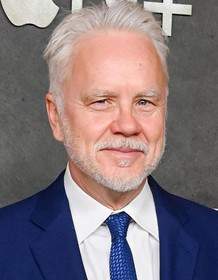
Three intertwined lives unfold through a series of flashbacks, each narrator peering into the others’ tangled fates: Puff, Lila Jute Patricia Arquette, a writer and former survivor of a nomadic life, and Dr. Nathan Bronfman Tim Robbins, a psychologist who experiments with the boundaries between civilization and wild instinct. The film weaves their testimonies into a single, unsettling tapestry as events drift between memory, fantasy, and consequence.
Lila Jute, a woman marked by a rare hormonal imbalance that makes hair grow all over her body, begins by choosing a hermitic life in the forest after a brief stint performing in a freak show. She pens a best-selling book about living naked, wild, and free among nature, celebrating a sense of purity and unshackled authenticity. Yet as she approaches thirty, a fierce need for companionship drives her back toward civilization. She shaves away her natural hair in a bid to appear more “normal” and to attract a partner who can understand her complexity. This decision sets in motion a complex relationship with Nathan Bronfman, a man who is both fascinated by the animal versus the civilized and pragmatic in his scientific ambitions. Lila’s arrival into Nathan’s orbit marks the beginning of an entangled bond that tests loyalty, desire, and the boundaries of science.
Puff—the man raised in the wild—appears in the woods as a naked, almost primal figure who moves with the ease of someone who has never learned social graces. Lila notices him during a hike and, drawn by curiosity and a strange affinity, discards her clothes and pursues him. The encounter ends with Puff falling from a tree branch, knocked unconscious, and brought to Nathan’s laboratory. Nathan, aided by his American colleague Gabrielle (who presents herself with a French accent), baptizes the captive “Puff” and, through a process of conditioned reinforcement, teaches him to mimic the manners and etiquette of high culture. Yet beneath the veneer of refinement lies an ongoing struggle: Puff’s powerful sexual urges persist, resisting complete control despite Nathan’s training.
The relationship between Lila and Nathan begins to fray as Gabrielle enchanes Nathan and pulls him into an affair, destabilizing the trio’s fragile balance. As the experiment with Puff continues, Nathan extends his socializing techniques to the captor, staging a tour that exposes Puff to cities, crowds, and temptations that test his new persona. Meanwhile, Lila embraces a radical solution: she decides to reclaim Puff, to take him back to the forest, with the intention of undoing the manners he was forced to adopt and returning him to his natural state. This reversal reframes Puff not merely as a subject of study but as a symbol of humanity’s struggle to reconcile civilization with instinct.
The story reaches a brutal crescendo when Nathan confronts Puff in the forest and is killed by Puff in a moment that blends fear, rage, and misdirected loyalty. Lila, burdened by guilt and a sense of responsibility, ultimately turns herself in, offering Puff as a witness to speak about humanity’s wanderings and its pretensions. Puff is then allowed to retreat back into the forest, leaving the city behind as Gabrielle accompanies him, albeit with lingering ambiguity about their true intentions and their shared future.
In the film’s quiet aftermath, what remains is not a straightforward conclusion but a suggestion of collusion between Puff and Gabrielle, casting doubt on earlier interpretations and inviting the audience to question what it means to be “civilized” versus “wild.” The ending is punctuated by two philosophical passages read over the credits: first, an excerpt from William of Ockham on intuitive cognition, and then a section from Francis Bacon’s Novum Organum on inductivism, inviting viewers to ponder how knowledge is formed from experience and observation.
This meditation on humanity’s pretenses, the lure of nature, and the costs of scientific curiosity unfolds with a restrained, reflective tone. It invites readers to weigh freedom against belonging, instinct against discipline, and the ethical boundaries of shaping another being’s behavior. The film’s atmosphere lingers long after the screen fades, urging us to consider what is gained and what is lost when we try to engineer the perfect balance between civilization and the wild.

Coming soon on iOS and Android
The Plot Explained Mobile App
From blockbusters to hidden gems — dive into movie stories anytime, anywhere. Save your favorites, discover plots faster, and never miss a twist again.
Sign up to be the first to know when we launch. Your email stays private — always.
Explore the mobile appWatch Trailers, Clips & Behind-the-Scenes for Human Nature
Watch official trailers, exclusive clips, cast interviews, and behind-the-scenes footage from Human Nature. Dive deeper into the making of the film, its standout moments, and key production insights.
Cars Featured in Human Nature
Explore all cars featured in Human Nature, including their makes, models, scenes they appear in, and their significance to the plot. A must-read for car enthusiasts and movie buffs alike.
Human Nature Themes and Keywords
Discover the central themes, ideas, and keywords that define the movie’s story, tone, and message. Analyze the film’s deeper meanings, genre influences, and recurring concepts.
Human Nature Other Names and Titles
Explore the various alternative titles, translations, and other names used for Human Nature across different regions and languages. Understand how the film is marketed and recognized worldwide.
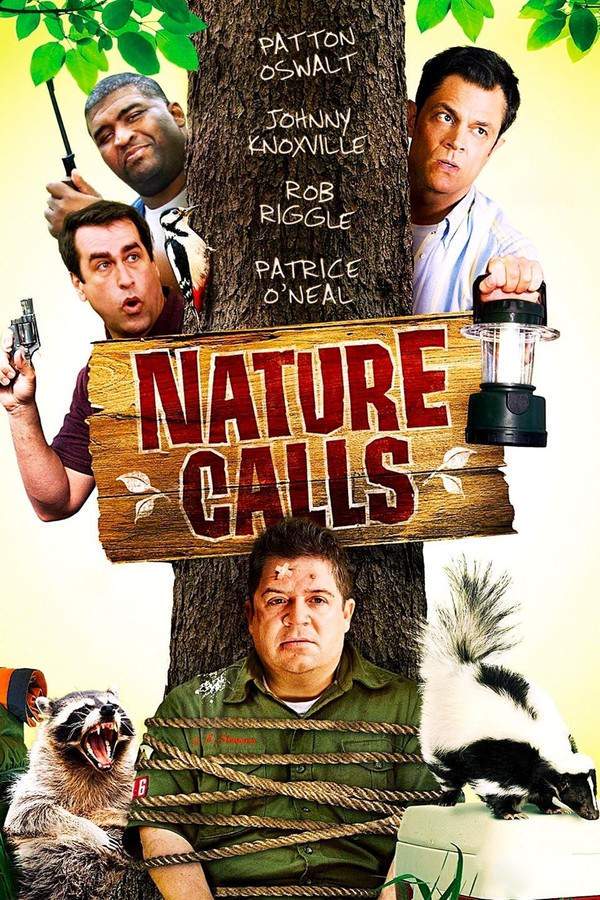
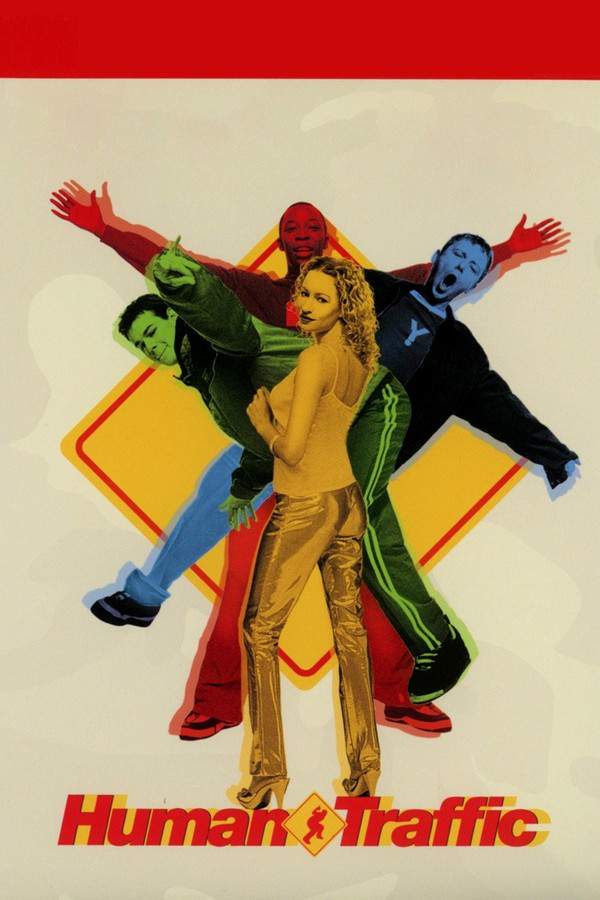
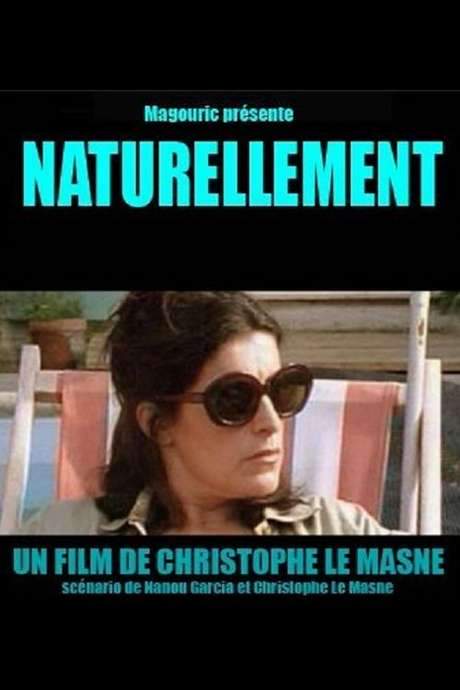
Similar Movies To Human Nature You Should Know About
Browse a curated list of movies similar in genre, tone, characters, or story structure. Discover new titles like the one you're watching, perfect for fans of related plots, vibes, or cinematic styles.



Quick Links: Summary, Cast, Ratings, More

What's After the Movie?
Not sure whether to stay after the credits? Find out!
Check out our other apps:

SAT Sphere
Build confidence for the Digital SAT.

Mori Atlas
Discover wild places worth protecting.

Luntero
Search smarter for a home in Amsterdam.

Plot Explained
Unravel movie endings and hidden clues.

Pokechamp
Dive into Pokémon data and battle logic.

Driving Theory
Get ready for your European theory test.

Movie Dust
Plan your next cinema trip with ease.

Musemap
Find art and culture as you travel.

Selkobase
Compare credentials before committing.

Local Manual
Turn an unfamiliar country into practical next steps.

Lernavi
Compare school systems before your next move.

GymRoam
Find a workout stop wherever your plans take you.
Explore Our Movie Platform
New Movie Releases (2026)
Famous Movie Actors
Top Film Production Studios
Movie Plot Summaries & Endings
Major Movie Awards & Winners
Best Concert Films & Music Documentaries
Movie Collections and Curated Lists
© 2026 What's After the Movie. All rights reserved.
Privacy Policy