Hitler’s SS: Portrait in Evil 1985


Set in 1931 Berlin, the two‑part TV drama follows brothers Helmut and Karl Hoffman as the shadow of the Third Reich deepens. Helmut, a brilliant student turned opportunist, joins Hitler’s SS, while his idealistic, athletic younger brother Karl becomes a chauffeur for the SA. Their diverging choices illustrate the personal toll of Nazi evil.


Does Hitler’s SS: Portrait in Evil have end credit scenes?
No!
Hitler’s SS: Portrait in Evil does not have end credit scenes. You can leave when the credits roll.
Meet the Full Cast and Actors of Hitler’s SS: Portrait in Evil
Explore the complete cast of Hitler’s SS: Portrait in Evil, including both lead and supporting actors. Learn who plays each character, discover their past roles and achievements, and find out what makes this ensemble cast stand out in the world of film and television.

David Warner
Reinhard Heydrich

Carroll Baker
Gerda Hoffman

Bill Nighy
Helmut Hoffmann

Nick Brimble
Gildisch
John Shea
Karl Hoffmann
John Benfield
Griesch
Michael Elphick
Ernst Röhm
John Normington
Heinrich Himmler
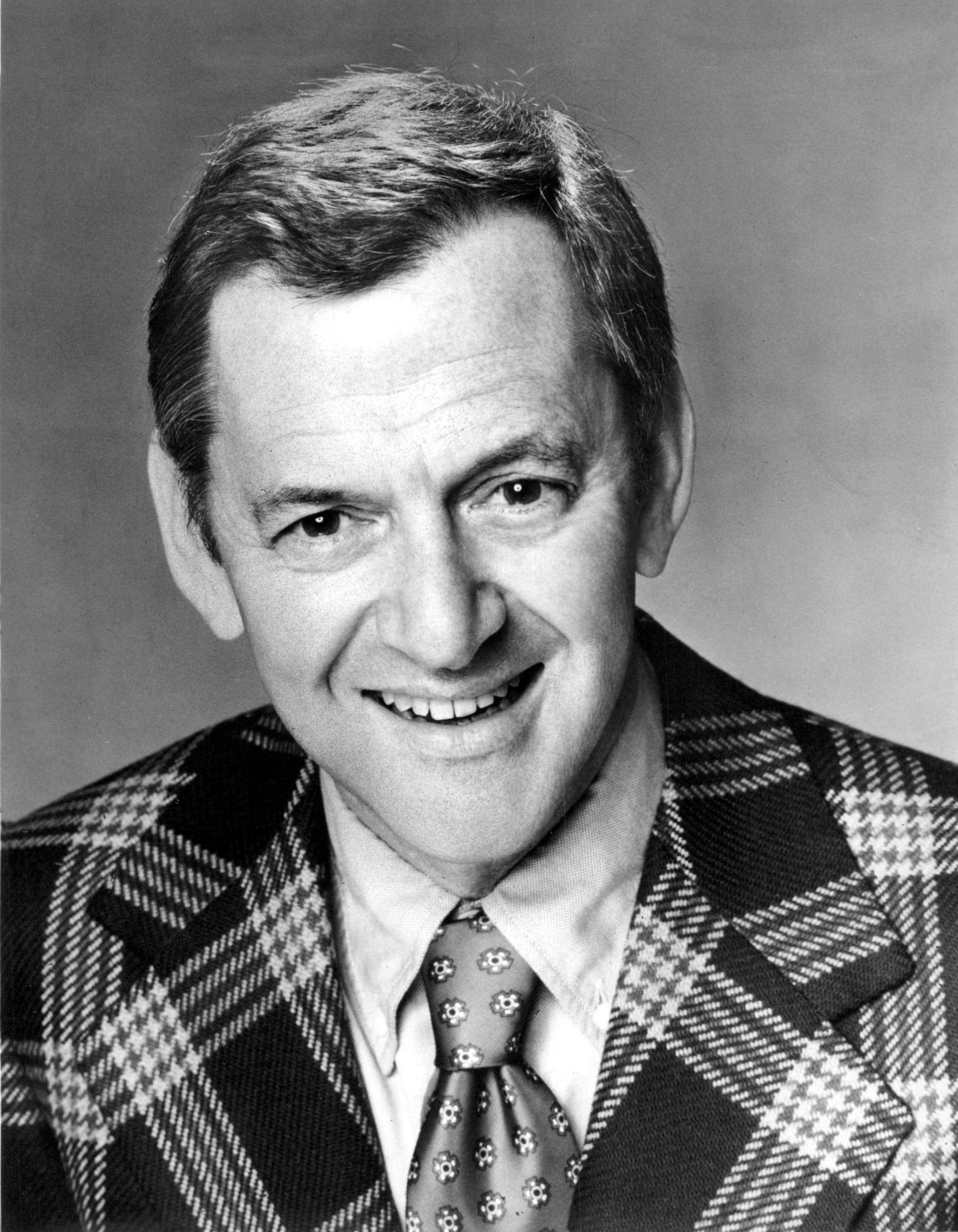
Tony Randall
Putzi (The Comedian)
Warren Clarke
Becker (SS assistant to Dietrich)
Paul Brooke
Gen. Josef Biegler, SA
Stratford Johns
Uncle Walter
Colin Jeavons
Adolf Hitler
Robert Urquhart
Albrecht Hoffman
Walter Sparrow
Klaus
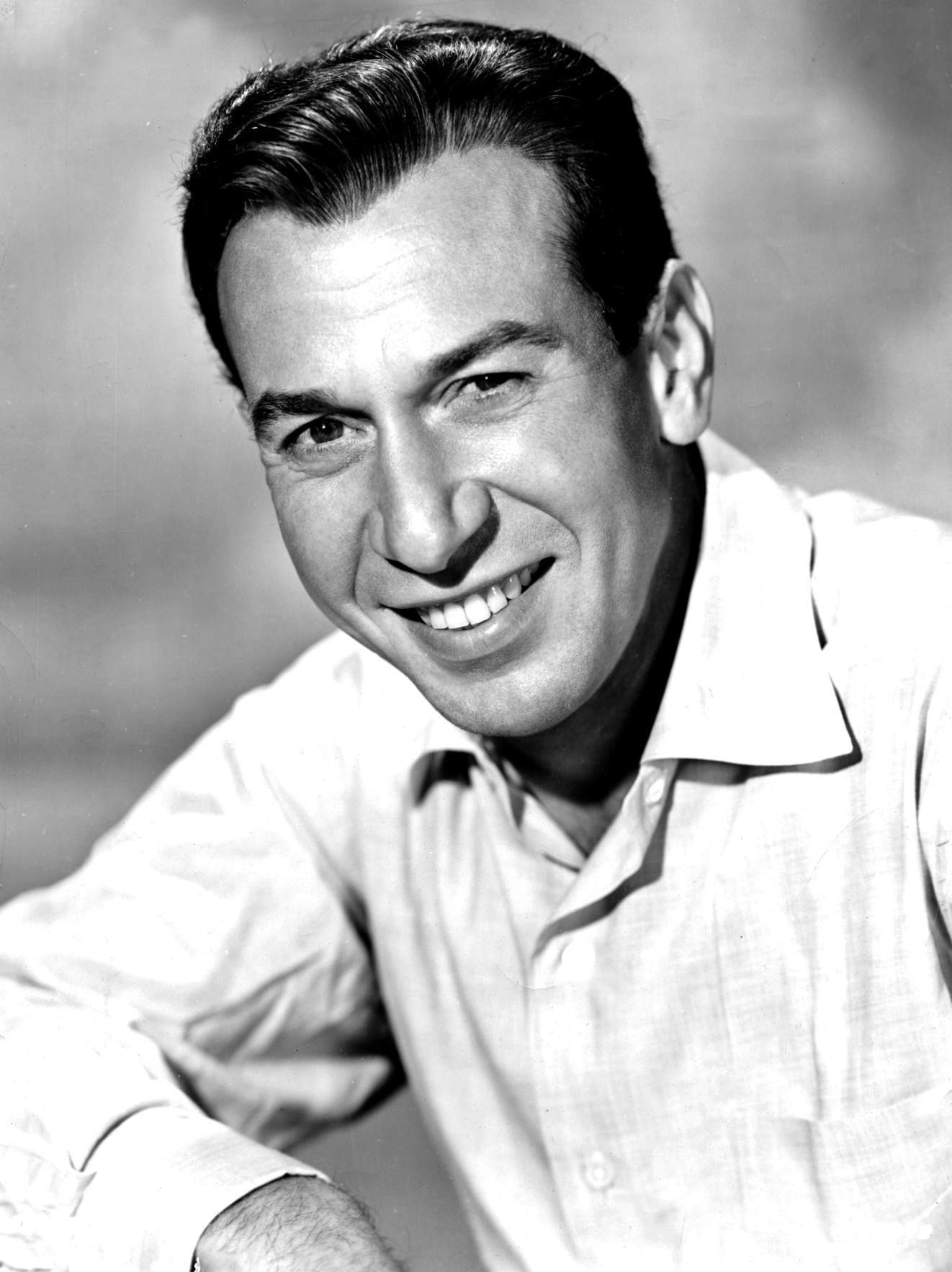
José Ferrer
Prof. Ludwig Rosenberg
Derek Newark
Theodor Eicke
Struan Rodger
Theo Schmidt
Peter Howell
Prison Governor
Steve Dixon
Mechanic
Alec Linstead
Dr. Best
Prentis Hancock
Karl Tessler
Pam St. Clement
Barmaid
John Woodnutt
Pastor Sommers
James Coyle
Mueller
Maurice Colbourne
SS Officer
Lucy Gutteridge
Mitzi Templer
Cyril Appleton
Medical Officer
Bernard Lloyd
Sepp Dietrich
Peter Craze
Keilbach
External Links and Streaming Options
Discover where to watch Hitler’s SS: Portrait in Evil online, including streaming platforms, rental options, and official sources. Compare reviews, ratings, and in-depth movie information across sites like IMDb, TMDb, Wikipedia or JustWatch.






Take the Ultimate Hitler’s SS: Portrait in Evil Movie Quiz
Challenge your knowledge of Hitler’s SS: Portrait in Evil with this fun and interactive movie quiz. Test yourself on key plot points, iconic characters, hidden details, and memorable moments to see how well you really know the film.
Hitler’s SS: Portrait in Evil Quiz: Test your knowledge of the key characters, events, and historical context depicted in the 1985 film "Hitler’s SS: Portrait in Evil".
Which actor portrays Helmut Hoff Hoffmann, the brother who joins the SS?
Full Plot Summary and Ending Explained for Hitler’s SS: Portrait in Evil
Read the complete plot summary of Hitler’s SS: Portrait in Evil, including all major events, twists, and the full ending explained in detail. Explore key characters, themes, hidden meanings, and everything you need to understand the story from beginning to end.
Helmut Hoffmann, played by Bill Nighy, and his brother Karl Hoffmann, played by John Shea, grow up against the backdrop of the Great Depression in the late Weimar Republic and bear witness to the Nazi Party’s rise to power. Karl, an unemployed mechanic, is quickly drawn to the movement after hearing Ernst Röhm, played by Michael Elphick, speak at a rally and he joins the Sturmabteilung (SA). Helmut, a university student in Munich, remains wary at first, but his path shifts after a pivotal moment when he witnesses a meeting in which Hitler, portrayed by Colin Jeavons, meets with industrialists and signals the party’s growing influence, nudging him toward the Schutzstaffel (SS).
As Helmut heads deeper into the SS, Reinhard Heydrich, a key figure in the SS’s intelligence arm, played by David Warner, helps steer his career. Helmut is commissioned as an SD officer just before the Nazis seize full control, while Karl has already spent a year in the SA. The brothers’ divergent paths reflect the widening rift between the SA and the SS, with Karl lamenting that the SS is shaping itself as the “party’s garbage collector” even as he remains bound to the SA.
The film’s first major turning point arrives with the Night of the Long Knives, a brutal purge that liquidates the SA leadership and shoots Ernst Röhm. In the upheaval, Karl is arrested and sent to Dachau. Through his SS connections, Helmut manages to secure Karl’s release, but Heydrich warns that Karl had betterShape up or face severe consequences, quipping that he might soon be “running short of friends.” >
The story then moves through the following years toward World War II with a brisk tempo. Kristallnacht is referenced but given only a brief treatment before the narrative shifts toward the grotesque routine of theHolocaust era, including Helmut’s involvement in the selection of prisoners for operations tied to the Gleiwitz incident. The film focuses on the day-to-day mechanics of the regime’s dark machinery, showing how Helmut’s position as an SS officer drives the paperwork and administrative side of atrocity, while Karl’s conscience grows and he is drafted into the Wehrmacht.
As the war unfolds, Helmut ascends to SS-Oberführer, but his disillusionment with the Nazi project deepens. Karl, disenchanted with the regime, deserts from the army around the time of the failed July 20 plot to assassinate Hitler and begins wandering the devastated landscapes of Germany. The narrative follows their parallel arcs—one slipping deeper into the system, the other increasingly estranged from it.
In the final months of the war, Helmut tries to flee Berlin but deserts from the SS only to be killed by an SS patrol as he attempts to escape. The fadeout comes with Karl and his lover Mitzi Templer, Lucy Gutteridge, standing among the ruined streets of Stuttgart. They learn that Karl’s parents and his younger brother Hans, who fought with the Hitler Youth during the Battle of Berlin, are all dead, a sobering reminder of the personal costs of a nation’s catastrophic choices.
The film blends intimate family drama with a sweeping historical arc, tracing how two brothers navigate a century of upheaval, power, and moral compromise. It gradually reveals the ways in which allegiance and resistance clash, and how personal relationships become entangled with a regime intent on reshaping not only a country but the very fabric of humanity. The performances—driven by the tension between ambition and conscience—offer a stark meditation on complicity, loyalty, and the human cost of totalitarianism, all set against a meticulously depicted historical panorama.

Coming soon on iOS and Android
The Plot Explained Mobile App
From blockbusters to hidden gems — dive into movie stories anytime, anywhere. Save your favorites, discover plots faster, and never miss a twist again.
Sign up to be the first to know when we launch. Your email stays private — always.
Explore the mobile appDiscover Film Music Concerts Near You – Live Orchestras Performing Iconic Movie Soundtracks
Immerse yourself in the magic of cinema with live orchestral performances of your favorite film scores. From sweeping Hollywood blockbusters and animated classics to epic fantasy soundtracks, our curated listings connect you to upcoming film music events worldwide.
Explore concert film screenings paired with full orchestra concerts, read detailed event information, and secure your tickets for unforgettable evenings celebrating legendary composers like John Williams, Hans Zimmer, and more.


Cars Featured in Hitler’s SS: Portrait in Evil
Explore all cars featured in Hitler’s SS: Portrait in Evil, including their makes, models, scenes they appear in, and their significance to the plot. A must-read for car enthusiasts and movie buffs alike.
Hitler’s SS: Portrait in Evil Themes and Keywords
Discover the central themes, ideas, and keywords that define the movie’s story, tone, and message. Analyze the film’s deeper meanings, genre influences, and recurring concepts.
Hitler’s SS: Portrait in Evil Other Names and Titles
Explore the various alternative titles, translations, and other names used for Hitler’s SS: Portrait in Evil across different regions and languages. Understand how the film is marketed and recognized worldwide.
Similar Movies To Hitler’s SS: Portrait in Evil You Should Know About
Browse a curated list of movies similar in genre, tone, characters, or story structure. Discover new titles like the one you're watching, perfect for fans of related plots, vibes, or cinematic styles.




Quick Links: Summary, Cast, Ratings, More

What's After the Movie?
Not sure whether to stay after the credits? Find out!
Check out our other apps:

SAT Sphere
Build confidence for the Digital SAT.

Mori Atlas
Discover wild places worth protecting.

Luntero
Search smarter for a home in Amsterdam.

Plot Explained
Unravel movie endings and hidden clues.

Pokechamp
Dive into Pokémon data and battle logic.

Driving Theory
Get ready for your European theory test.

Movie Dust
Plan your next cinema trip with ease.

Musemap
Find art and culture as you travel.

Selkobase
Compare credentials before committing.

Local Manual
Turn an unfamiliar country into practical next steps.

Lernavi
Compare school systems before your next move.

GymRoam
Find a workout stop wherever your plans take you.
Explore Our Movie Platform
New Movie Releases (2026)
Famous Movie Actors
Top Film Production Studios
Movie Plot Summaries & Endings
Major Movie Awards & Winners
Best Concert Films & Music Documentaries
Movie Collections and Curated Lists
© 2026 What's After the Movie. All rights reserved.
Privacy Policy