

What Is Hitler’s SS: Portrait in Evil About?
The premise of Hitler’s SS: Portrait in Evil in 296 words, with nothing given away. The full story follows below.
In the turbulent autumn of 1931, Berlin teeters between the lingering shadows of the Great Depression and the feverish rise of a new political tide. The city’s streets echo with restless crowds, sharp debates in smoky taverns, and the quiet dread of a nation poised on the brink of catastrophe. Against this backdrop, the Hoffmann family strives to hold together the fragments of ordinary life while the world around them darkens with ever‑more ominous promise.
Helmut Hoffmann is a brilliant university student whose sharp intellect and restless ambition make him acutely aware of the shifting power structures. Drawn into the allure of influence and the promise of advancement, he steps into the clandestine world of the SS, where discipline and opportunity intertwine. His path is marked by a keen desire to belong to something larger than himself, even as the moral contours of that world grow increasingly murky.
_ Karl Hoffmann_, the younger sibling, carries the vigor of an athlete and the idealism of a man still believing in personal honor. Unemployed and searching for purpose, he is swept toward the Sturmabteilung, taking on the role of a chauffeur—an intimate, ground‑level view of the movement’s fervor. His choices set him on a trajectory that mirrors his brother’s ambition yet diverges in its everyday exposure to the party’s mass appeal.
The series unfolds as a meticulously rendered historical drama, where the intimate drama of two brothers is set against the expansive, foreboding tableau of a nation in flux. Its tone is simultaneously restrained and charged, blending the stark realism of period detail with the lingering question of how loyalty, ambition, and conscience collide when the world demands impossible compromises. The story invites viewers to linger on the uneasy spaces between personal desire and the inexorable pull of history.
What Happens in Hitler’s SS: Portrait in Evil?
The complete story of Hitler’s SS: Portrait in Evil, from the first scene to the last, in 588 words (about 3 minutes). Spoilers throughout. Names in the text link to 6 cast member pages.
Spoilers ahead
Helmut Hoffmann, played by Bill Nighy, and his brother Karl Hoffmann, played by John Shea, grow up against the backdrop of the Great Depression in the late Weimar Republic and bear witness to the Nazi Party’s rise to power. Karl, an unemployed mechanic, is quickly drawn to the movement after hearing Ernst Röhm, played by Michael Elphick, speak at a rally and he joins the Sturmabteilung (SA). Helmut, a university student in Munich, remains wary at first, but his path shifts after a pivotal moment when he witnesses a meeting in which Hitler, portrayed by Colin Jeavons, meets with industrialists and signals the party’s growing influence, nudging him toward the Schutzstaffel (SS).
As Helmut heads deeper into the SS, Reinhard Heydrich, a key figure in the SS’s intelligence arm, played by David Warner, helps steer his career. Helmut is commissioned as an SD officer just before the Nazis seize full control, while Karl has already spent a year in the SA. The brothers’ divergent paths reflect the widening rift between the SA and the SS, with Karl lamenting that the SS is shaping itself as the “party’s garbage collector” even as he remains bound to the SA.
The film’s first major turning point arrives with the Night of the Long Knives, a brutal purge that liquidates the SA leadership and shoots Ernst Röhm. In the upheaval, Karl is arrested and sent to Dachau. Through his SS connections, Helmut manages to secure Karl’s release, but Heydrich warns that Karl had betterShape up or face severe consequences, quipping that he might soon be “running short of friends.” >
The story then moves through the following years toward World War II with a brisk tempo. Kristallnacht is referenced but given only a brief treatment before the narrative shifts toward the grotesque routine of theHolocaust era, including Helmut’s involvement in the selection of prisoners for operations tied to the Gleiwitz incident. The film focuses on the day-to-day mechanics of the regime’s dark machinery, showing how Helmut’s position as an SS officer drives the paperwork and administrative side of atrocity, while Karl’s conscience grows and he is drafted into the Wehrmacht.
As the war unfolds, Helmut ascends to SS-Oberführer, but his disillusionment with the Nazi project deepens. Karl, disenchanted with the regime, deserts from the army around the time of the failed July 20 plot to assassinate Hitler and begins wandering the devastated landscapes of Germany. The narrative follows their parallel arcs—one slipping deeper into the system, the other increasingly estranged from it.
In the final months of the war, Helmut tries to flee Berlin but deserts from the SS only to be killed by an SS patrol as he attempts to escape. The fadeout comes with Karl and his lover Mitzi Templer, Lucy Gutteridge, standing among the ruined streets of Stuttgart. They learn that Karl’s parents and his younger brother Hans, who fought with the Hitler Youth during the Battle of Berlin, are all dead, a sobering reminder of the personal costs of a nation’s catastrophic choices.
The film blends intimate family drama with a sweeping historical arc, tracing how two brothers navigate a century of upheaval, power, and moral compromise. It gradually reveals the ways in which allegiance and resistance clash, and how personal relationships become entangled with a regime intent on reshaping not only a country but the very fabric of humanity. The performances—driven by the tension between ambition and conscience—offer a stark meditation on complicity, loyalty, and the human cost of totalitarianism, all set against a meticulously depicted historical panorama.
Hitler’s SS: Portrait in Evil Timeline: Every Key Event in Order
12 key events in the order they happen, from “Growing up during the Weimar Depression” to “End of the war: Stuttgart ruins”. 12 events name a place, across 10 locations.
- 1
Growing up during the Weimar Depression
Helmut and Karl Hoffman grow up during the Great Depression in the Weimar Republic. They witness the rapid rise of the Nazi Party and its promises for a new Germany. The brothers' paths diverge as Karl joins the SA while Helmut studies in Munich.
When:early 1930s Where:Weimar Republic, Germany
- 2
Karl joins the SA after Röhm's rally
Karl becomes an enthusiastic member of the SA after hearing Ernst Röhm speak at a Nazi rally. He embraces the movement as a path out of unemployment.
When:early 1930s Where:Munich, Germany
- 3
Helmut joins the SS after Ruhr meeting
Helmut, a university student in Munich, is pressured to join the SS after a key meeting in the Ruhr where Hitler meets industrialists; he is commissioned as an SS officer just before Hitler comes to power.
When:1933 Where:Ruhr region, Germany
- 4
Night of the Long Knives and Karl's arrest
The Night of the Long Knives leads to the liquidation of SA leadership and Röhm's downfall. In the chaos, Karl is arrested and sent to Dachau, facing an uncertain fate.
When:1934 Where:Dachau, Germany
- 5
Helmut frees Karl; Heydrich's warning
Using his SS connections, Helmut helps secure Karl's release from Dachau. Heydrich warns Karl that he must behave, or Helmut will find himself with 'fewer friends'.
When:1934 Where:Dachau, Germany
- 6
Kristallnacht and rising wartime tensions
The film hints at the regime's brutality with a brief depiction of Kristallnacht. The atmosphere shifts from political fervor to open persecution and looming violence.
When:1938 Where:Germany
- 7
Helmut involved in the Gleiwitz incident
Helmut becomes personally involved in selecting prisoners to murder for the Gleiwitz incident. The staged attack provides a pretext for Nazi expansion as war looms.
When:1939 Where:Gleiwitz, Silesia
- 8
Holocaust bureaucracy: Helmut's role
During the war, Helmut ascends in the SS and becomes entangled in the administrative paperwork of the Holocaust. He processes orders and oversees decisions that facilitate mass persecution.
When:1940s Where:Occupied Poland / Nazi Germany
- 9
Karl drafted into the Wehrmacht; Eastern Front
Karl is drafted into the Wehrmacht and serves as an officer on the Eastern Front. His perspective shifts as he grows increasingly disillusioned with the regime.
When:1941-1943 Where:Eastern Front
- 10
July 1944: Karl deserts the army
Around the time of the July 20, 1944 assassination attempt on Hitler, Karl deserts from the army. He wanders Germany, witnessing the war's devastation firsthand.
When:July 1944 Where:Germany
- 11
April 1945: Helmut deserts and is killed
In late April 1945, Helmut deserts from the SS. He is killed by an SS patrol while trying to flee Berlin, signaling the regime's collapse and personal disillusionment.
When:April 1945 Where:Berlin, Germany
- 12
End of the war: Stuttgart ruins
Karl and his lover Mitzie stand amid the ruins of Stuttgart, reflecting on the destruction around them. They learn that their parents and Hans, who fought with the Hitler Youth, are dead.
When:April-May 1945 Where:Stuttgart, Germany
Who Are the Main Characters in Hitler’s SS: Portrait in Evil?
5 characters, among them Helmut Hoffmann (Bill Nighy), Karl Hoffmann (John Shea) and Reinhard Heydrich (David Warner): who each one is and the part they play in the story. Every profile links to the actor’s page.
-

Helmut Hoffmann (Bill Nighy)
Played by Bill Nighy
A Munich university student who is recruited into the Sicherheitsdienst by Reinhard Heydrich and rises to SS leadership, only to become deeply disillusioned with the Nazi regime. His arc traces how indoctrination can turn to skepticism as the system grows more brutal.
- 🧭 Loyalty
- 🗡️ Power
- 🧠 Disillusionment
- KH
Karl Hoffmann (John Shea)
Played by John Shea
An unemployed mechanic who eagerly joins the SA before eventually being drawn into the SS via family rivalries and political pressure. Arrested during the Night of the Long Knives, he is freed but remains wary of his own complicity, ultimately deserting his post in the war.
- 🧭 Duty
- 🪖 War
- 🕊️ Dissent
-
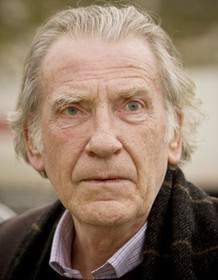
Reinhard Heydrich (David Warner)
Played by David Warner
A central architect of the Nazi security apparatus who lures Helmut into the SS and dictates the regime’s brutal expansion. He embodies the bureaucratic ruthlessness that underpins the Nazi state and the deadly consequences of unchecked power.
- 💼 Bureaucracy
- ⚔️ Power
- ER
Ernst Röhm (Michael Elphick)
Played by Michael Elphick
SA leader whose purge during the Night of the Long Knives removes rival power and consolidates Nazi control. His execution marks a brutal early turning point in the new regime and the consolidation of the SS's dominance.
- 🔪 Purge
- 🥷 Militant leadership
- MT
Mitzi Templer (Lucy Gutteridge)
Played by Lucy Gutteridge
Karl's lover who stays by his side amid the upheavals and shared tragedies of a country at war. Her relationship with Karl highlights personal loyalty amid systemic violence and collective guilt.
- 💞 Love
- 🧭 Loyalty
Where and When Is Hitler’s SS: Portrait in Evil Set?
Hitler’s SS: Portrait in Evil is set in Munich, Ruhr region, Dachau, Gleiwitz, Stuttgart, Berlin (1920s–1945). Here is why the time and place matter to the story.
When
1920s–1945
Set from the late Weimar Republic through the Nazi ascent, it tracks the rise of the regime, the Night of the Long Knives, Kristallnacht, and the Holocaust, finishing in the ruins of Germany in 1945. The film briefly covers prewar turmoil and then concentrates on wartime bureaucracy and destruction.
Where
Munich, Ruhr region, Dachau, Gleiwitz, Stuttgart, Berlin
The story traverses key German locales tied to the brothers' fates: Munich where Helmut studies and political currents swirl, the Ruhr industrial heartland where power brokers meet, Dachau where arrest and imprisonment occur, the Gleiwitz area tied to a staged incident, and the bombed cities like Stuttgart and Berlin as the war encroaches.
- 🏛️ German History
- 🪖 World War II
- 🏭 Ruhr Industrial Region
What Are the Themes of Hitler’s SS: Portrait in Evil?
4 ideas the story keeps returning to, among them Power and Corruption, Conscience vs Duty and War and Destruction.
-
01
Power and Corruption
As the Nazi state tightens its grip, institutions like the SA, SS, and SD become tools of coercion and rivalries are exploited for political gain. The characters’ ambitions are subsumed by a system that rewards loyalty and punishes dissent. The Night of the Long Knives marks a brutal shift, showing how power corrupts even those who start with ideals.
-
02
Conscience vs Duty
Helmut is drawn into the SS under duress, while Karl begins as an enthusiastic member who later resists the regime. Their diverging paths crystallize the conflict between personal morality and the demands of a totalitarian machine. Descent into moral compromise gives way to desertion and reckoning as the war unfolds.
-
03
War and Destruction
The narrative escalates from political intrigue to the brutality of war, with the Eastern Front and bombed German cities as a backdrop for personal tragedy. The film implicates bureaucratic complicity in the Holocaust through Helmut’s role, culminating in a shattered homeland and ruined cities like Stuttgart.
-
04
Family and Legacy
Two brothers bound by blood drive the plot, while losses accumulate for their parents and Hans who fought with the Hitler Youth. The lovers and family ties underscore the human cost of a nation at war, ending with survivors confronting a country in ruins.
What Kind of Film Is Hitler’s SS: Portrait in Evil?
Dark in tone, with steady pacing and a moderate story, going by the plot summary.
- Tone
- Dark
- Pacing
- Steady
- Story
- Moderate
- Intensity
- High
- Ending
- Bleak
A dark and intense historical drama that methodically charts the devastating personal toll of Nazi evil on two brothers, creating a somber and morally unsettling viewing experience.
- grim
- oppressive
- somber
- unsettling
- moral crisis
- desperate
- brothers divided
- rise of nazism
- moral compromise
- totalitarianism
Content notes: war violence, political purge, concentration camps, holocaust, murder.
Quiz
How well do you remember Hitler’s SS: Portrait in Evil? Test yourself on the story.
