Haru 1996

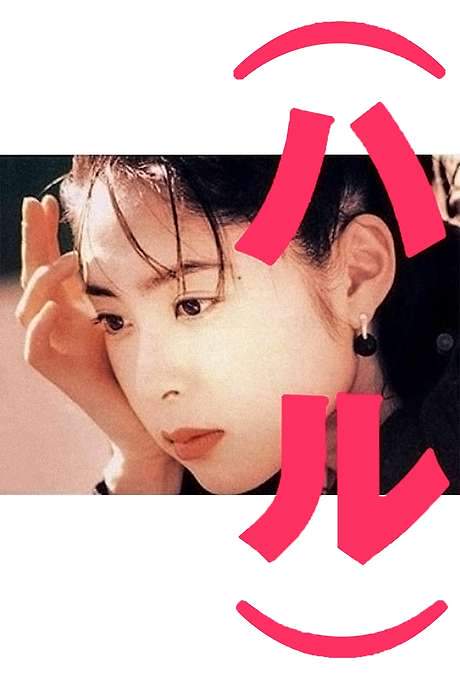
A young Tokyo businessman joins an online movie forum and develops a special bond with one of its members through back and forth e-mails.


Does Haru have end credit scenes?
No!
Haru does not have end credit scenes. You can leave when the credits roll.
Meet the Full Cast and Actors of Haru
Explore the complete cast of Haru, including both lead and supporting actors. Learn who plays each character, discover their past roles and achievements, and find out what makes this ensemble cast stand out in the world of film and television.

Sei Hiraizumi
Hoshi's Father

Eri Fukatsu
Mitsue Fujima 'Hoshi'

Naho Toda
Rose
Seiyo Uchino
Noboru Hayami 'Haru'
Yuka Motohashi
Kazufumi Miyazawa
Hiroyuki Yamagami
Noriko Suzuki
Naoko Yamazaki
Haru's Ex-girlfriend
Masako Yagi
Haruma's Mother
Tetsuya Ushio
Supermarket Manager
Noriko Kojima
Kotaro Takeshita
Shogo Tobe
Masaharu Tsuruku
Rose's Fiance
Aya Mizuno
Takayuki Sakai
Masaaki Senda
External Links and Streaming Options
Discover where to watch Haru online, including streaming platforms, rental options, and official sources. Compare reviews, ratings, and in-depth movie information across sites like IMDb, TMDb, Wikipedia or Letterboxd.




Take the Ultimate Haru Movie Quiz
Challenge your knowledge of Haru with this fun and interactive movie quiz. Test yourself on key plot points, iconic characters, hidden details, and memorable moments to see how well you really know the film.
Haru (1996) Quiz: Test your knowledge of the 1996 Japanese film Haru, focusing on its characters, plot twists, and thematic elements.
What is the real name of the character who uses the online handle "Haru"?
Full Plot Summary and Ending Explained for Haru
Read the complete plot summary of Haru, including all major events, twists, and the full ending explained in detail. Explore key characters, themes, hidden meanings, and everything you need to understand the story from beginning to end.
Noboru Hayami [Seiyo Uchino] is a former American football player whose promising career was cut short by a worsening back condition. Now an ordinary office worker in Tokyo, he spends evenings wandering through online spaces, seeking a spark that once fueled his dreams. On a film forum, he reconnects with a user named “Haru” from the handle Hayaminoboru, and a quiet, patient bond begins to form through email exchanges that feel unexpectedly sincere. Their conversations drift from everyday worries to deeper fears, and a sense of companionship grows between them, even as neither reveals their true faces to the other.
Hoshi [Eri Fukatsu] is Mitsue Fujima, a woman living in Morioka who has also carried her own share of scars. She has led a life of changeable jobs and restless movements, haunted by the loss of a lover. In the online world, she pretends to be a man at times, and yet the connection with Haru remains unexpectedly genuine. Mitsue/“Hoshi” explains that the online friendship has provided essential emotional support, even as the people behind the usernames remain mostly hidden. The relationship endures because of the warmth and honesty that surface in their messages, creating a fragile trust that helps both of them face their respective wounds.
As the conversations unfold, “Haru” begins to feel drawn to a real-world possibility—a proposal or partnership offered by Yamagami, the company president, who is drawn to Hoshi’s spirit. The dynamic is complicated by a figure named Tobe, a close friend of Mitsue’s late lover who begins to shadow Hoshi, adding tension and a hint of danger to her already unsettled life. The story threads a tension between professional ambition, personal longing, and the fragile boundary between online identity and real life, with Hoshi trying to hold onto her own sense of self while navigating the men who cross her path.
One day, a business trip takes Haru up to the Tohoku region, and Mitsue hears that a chance encounter could be arranged along a stretch of the Shinkansen line. In a small, intimate moment, Mitsue promises to meet Haru along the route and, with a video camera in one hand and a handkerchief in the other, they coordinate a brief but vivid meeting: Mitsue stands beside the tracks while Haru sits in a car, and in that fleeting scene they glimpse that the other person is real. This moment, captured at a distance, crystallizes a truth both have longed for and simultaneously feared—that their connection goes beyond the anonymity of their keyboards.
Earlier, Haru had met a woman on the forum with the handle “Rose,” a misunderstanding that complicated the growing bond. Rose is actually Mitsue’s sister, a revelation that shocks Hoshi and causes a temporary rift in their communication. Yet the emails between Haru and Hoshi have become a crucial emotional lifeline for Mitsue, and she chooses to reevaluate the relationship rather than sever it. Ultimately, the two decide to meet again, seeking a real-world connection that can finally bridge the gap between their online personas and their actual lives.
The story culminates in a quiet, symbolic moment at the south end of the Tokyo Station’s Tohoku Shinkansen platform, where Mitsue Fujima and Noboru Hayami—two people who have navigated deception, longing, and risk—exchange a simple greeting, saying, “Nice to meet you” as they confront the possibility of a future built on honesty rather than illusion. It’s a restrained, hopeful ending that underscores the power and fragility of human connection in a digital age.
Nice to meet you

Coming soon on iOS and Android
The Plot Explained Mobile App
From blockbusters to hidden gems — dive into movie stories anytime, anywhere. Save your favorites, discover plots faster, and never miss a twist again.
Sign up to be the first to know when we launch. Your email stays private — always.
Explore the mobile appWatch Trailers, Clips & Behind-the-Scenes for Haru
Watch official trailers, exclusive clips, cast interviews, and behind-the-scenes footage from Haru. Dive deeper into the making of the film, its standout moments, and key production insights.
Haru Themes and Keywords
Discover the central themes, ideas, and keywords that define the movie’s story, tone, and message. Analyze the film’s deeper meanings, genre influences, and recurring concepts.
Haru Other Names and Titles
Explore the various alternative titles, translations, and other names used for Haru across different regions and languages. Understand how the film is marketed and recognized worldwide.
Similar Movies To Haru You Should Know About
Browse a curated list of movies similar in genre, tone, characters, or story structure. Discover new titles like the one you're watching, perfect for fans of related plots, vibes, or cinematic styles.









Quick Links: Summary, Cast, Ratings, More

What's After the Movie?
Not sure whether to stay after the credits? Find out!
Check out our other apps:

SAT Sphere
Build confidence for the Digital SAT.

Mori Atlas
Discover wild places worth protecting.

Luntero
Search smarter for a home in Amsterdam.

Plot Explained
Unravel movie endings and hidden clues.

Pokechamp
Dive into Pokémon data and battle logic.

Driving Theory
Get ready for your European theory test.

Movie Dust
Plan your next cinema trip with ease.

Musemap
Find art and culture as you travel.

Selkobase
Compare credentials before committing.

Local Manual
Turn an unfamiliar country into practical next steps.

Lernavi
Compare school systems before your next move.

GymRoam
Find a workout stop wherever your plans take you.
Explore Our Movie Platform
New Movie Releases (2026)
Famous Movie Actors
Top Film Production Studios
Movie Plot Summaries & Endings
Major Movie Awards & Winners
Best Concert Films & Music Documentaries
Movie Collections and Curated Lists
© 2026 What's After the Movie. All rights reserved.
Privacy Policy