The Ramen Girl 2008



After a painful breakup, an American woman is stranded in Tokyo and seeks direction by studying ramen. She endures the harsh discipline of a tyrannical Japanese master, learning the art of noodles while her personal life weaves through the same simmering pots. The intense apprenticeship pushes her to confront cultural clashes, discover her own voice, and find a new, unexpected romance amid the broth.


Does The Ramen Girl have end credit scenes?
No!
The Ramen Girl does not have end credit scenes. You can leave when the credits roll.
Where to Watch The Ramen Girl
See current US streaming, rental, and purchase options for The Ramen Girl (2008) via JustWatch.

Philo
HD
Hoopla
SD
Pluto TV
SD
The Roku Channel
HD
Tubi TV
SD
Amazon Video
SD
Apple TV Store
HD
Fandango At Home
SD
Google Play Movies
SD
YouTube
SD Streaming availability powered by 
Meet the Full Cast and Actors of The Ramen Girl
Explore the complete cast of The Ramen Girl, including both lead and supporting actors. Learn who plays each character, discover their past roles and achievements, and find out what makes this ensemble cast stand out in the world of film and television.




External Links and Streaming Options
Discover where to watch The Ramen Girl online, including streaming platforms, rental options, and official sources. Compare reviews, ratings, and in-depth movie information across sites like IMDb, TMDb, Wikipedia or Rotten Tomatoes.








Take the Ultimate The Ramen Girl Movie Quiz
Challenge your knowledge of The Ramen Girl with this fun and interactive movie quiz. Test yourself on key plot points, iconic characters, hidden details, and memorable moments to see how well you really know the film.
The Ramen Girl Quiz: Test your knowledge of the 2008 film *The Ramen Girl* with these ten questions ranging from easy to challenging.
What is the name of the American girl who travels to Tokyo?
Full Plot Summary and Ending Explained for The Ramen Girl
Read the complete plot summary of The Ramen Girl, including all major events, twists, and the full ending explained in detail. Explore key characters, themes, hidden meanings, and everything you need to understand the story from beginning to end.
Abby, [Brittany Murphy], is an American girl who travels to Tokyo to be with her boyfriend. Ethan, [Gabriel Mann], tells her he has to go to Osaka on a business trip and may not be back for a while. Abby asks to go with him, but he refuses and breaks up with her. Left alone in a foreign city, Abby wanders to a small ramen shop where the chef Maezumi, [Toshiyuki Nishida], and his wife Reiko, [Kimiko Yo], do not speak English. They tell her the shop is closed, yet the moment she sits down and expresses herself in tears, the chef communicates in quiet warmth, offering her a bowl of ramen that she instantly loves. In that brief encounter, Abby’s mood shifts as she notices a distant, hopeful gesture from a Maneki Neko, the Beckoning Cat, guiding her toward something she can’t quite name.
The following day Abby returns and finds herself drawn back to the tiny counter. Maezumi hands her another bowl, and as she eats, she experiences an unusual burst of uncontrollable giggles, contagious to another patron nearby. She keeps returning, even when she’s told there’s no ramen that day. When the wife is visibly pregnant with swollen ankles, Abby insists on helping out, and soon a night spent in the backroom ends with her passing out in the shadows. The couple sends her away, but she feels compelled to learn. She begs to be taught how to cook ramen, and after some resistance Maezumi agrees to start training her the next day, at five in the morning. She arrives in imperfectly chic attire—high heels and a dress—and begins with the most unglamorous tasks: cleaning toilets and washing pots. Over weeks, Maezumi’s initial plan to push her out backfires; Abby returns, works hard, and gradually earns a place behind the counter as a waitress, winning the affection of regulars: two elderly women who come in often, and a laborer in his thirties who develops a fondness for her.
On a rare night off, Abby heads to a nightclub with a British man named Charlie and an American woman named Gretchen, [Tammy Blanchard], whom she had met earlier. There, they cross paths with Toshi Iwamoto, [Soji Arai], and his circle of friends. Abby and Toshi—two kindred souls who find solace in each other—quickly fall in love, their bond forged through shared longing and the quiet joy of discovery. The restaurant’s atmosphere deepens as Abby begins to understand Maezumi’s past. Abby notices Maezumi crying over a collection of letters and photographs from Paris, and when she asks about them, he reels from the question and becomes tempestuous. His wife explains that the photos are of their son, Shintaro, and that Maezumi and Shintaro have not spoken in five years since the boy left for France. The revelation casts a shadow over the ramen shop, hinting at a history that is as delicate as the noodles they craft.
Toshi must travel to Shanghai for three years of business, and he asks Abby to accompany him. She declines, unsure if she can leave this new life behind. They share one last kiss before parting, a poignant moment that marks the end of a chapter for both of them. In the weeks that follow, Abby becomes proficient at making ramen, but Maezumi insists that the dish has to be more than technique alone. Maezumi’s mother tastes Abby’s work and, speaking in Japanese, tells her that she is cooking with her head; Abby confesses that there is only pain in her heart, and Maezumi’s mother advises her to put tears into her ramen. The result is a new, emotional dimension to the dish: Abby cooks while crying, and the four customers who dine that night—two women and two younger patrons—cry too, each for a distinct personal reason. Maezumi tastes the bowls and starts to cry as well, then retreats upstairs, leaving Abby to ponder her future.
A rival ramen-maker brags about his own master chef, mocking Maezumi and challenging him to prove himself. Maezumi, drunk with pride and fear, proclaims that Abby’s ramen will one day receive the Master Chef’s blessing. The Master does arrive, tastes the rival’s ramen sparingly, and blesses it, revealing the high standard of mastery that Abby’s journey aspires to meet. Yet Abby’s next batch diverges from tradition: her “Goddess Ramen” includes peppers, corn, and tomato, a bold departure from the shop’s established flavor. The Master declares the noodles good but refuses to give his blessing, insisting she needs more time and restraint. With his blessing withheld, Maezumi laments that the ramen shop may not have a future—but he also reaffirms Abby as the shop’s successor, recognizing in her a unique voice that could carry the legacy forward.
As Abby confronts the tension between tradition and innovation, Maezumi explains his own longing for his son to study French cooking, a signal that the shop’s future depends on passing the craft to someone who can honor both memory and change. Abby accepts the responsibility of carrying on the ramen shop’s lineage, and the two prepare for Abby’s departure to America. Before she leaves, Maezumi gifts her the lantern that had hung outside the shop for 45 years, a symbol of perseverance and shared history. A year later, the lantern appears again outside Abby’s New York City shop, which bears the name The Ramen Girl. A photograph of Maezumi and his wife with their son in Paris adorns the wall, a tangible reminder of what has been learned and what endures. An employee mentions that someone has come to see Abby, and it is Toshi, who confesses that he grew tired of his previous job and decided to return to what he loves—writing music. He joins her in the restaurant, now a thriving space, and the two share a kiss, closing one circle and beginning another.
The story traces a path from a chance encounter over a steaming bowl of broth to a life defined by culinary craft, love found in a foreign city, and the resilience required to honor both memory and ambition. The ramen shop becomes not just a place to eat, but a conduit for healing, self-discovery, and the unexpected ways in which art and heartbreak can nourish the body and the soul. Abby’s journey—from a grieving, unsure newcomer to a confident ramen creator and shop owner in a new country—suggests that dishes carry memories and that mastery is as much about emotion as technique, a sentiment reinforced by Maezumi’s quiet blessings, the Master’s careful critique, and the enduring connection she shares with Toshi across continents. The lantern’s glow lingers as a beacon of endurance, reminding us that sometimes the most heartfelt recipes are written not in a kitchen alone, but in the moments where love, loss, and craft converge.

Coming soon on iOS and Android
The Plot Explained Mobile App
From blockbusters to hidden gems — dive into movie stories anytime, anywhere. Save your favorites, discover plots faster, and never miss a twist again.
Sign up to be the first to know when we launch. Your email stays private — always.
Explore the mobile appDiscover Film Music Concerts Near You – Live Orchestras Performing Iconic Movie Soundtracks
Immerse yourself in the magic of cinema with live orchestral performances of your favorite film scores. From sweeping Hollywood blockbusters and animated classics to epic fantasy soundtracks, our curated listings connect you to upcoming film music events worldwide.
Explore concert film screenings paired with full orchestra concerts, read detailed event information, and secure your tickets for unforgettable evenings celebrating legendary composers like John Williams, Hans Zimmer, and more.


Cars Featured in The Ramen Girl
Explore all cars featured in The Ramen Girl, including their makes, models, scenes they appear in, and their significance to the plot. A must-read for car enthusiasts and movie buffs alike.
The Ramen Girl Themes and Keywords
Discover the central themes, ideas, and keywords that define the movie’s story, tone, and message. Analyze the film’s deeper meanings, genre influences, and recurring concepts.
The Ramen Girl Other Names and Titles
Explore the various alternative titles, translations, and other names used for The Ramen Girl across different regions and languages. Understand how the film is marketed and recognized worldwide.
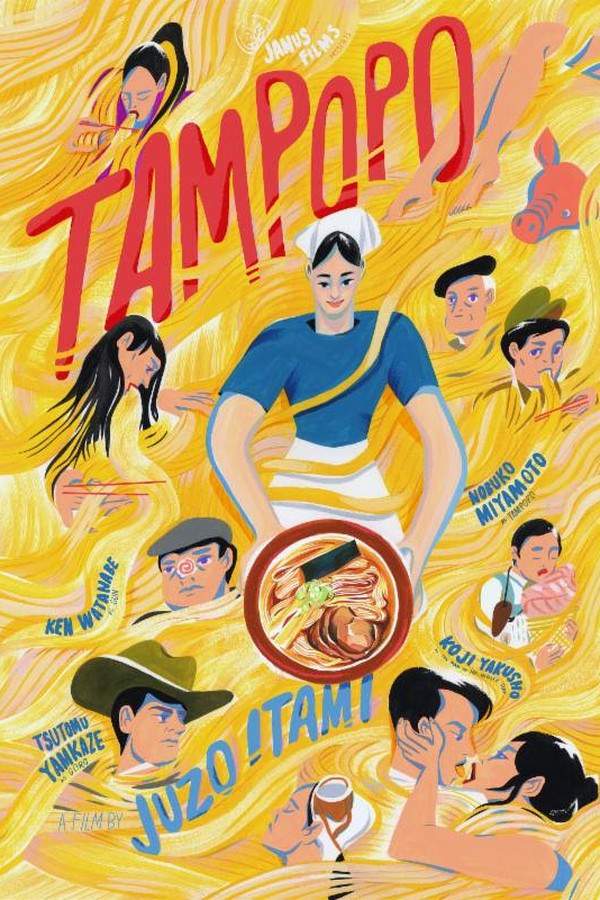
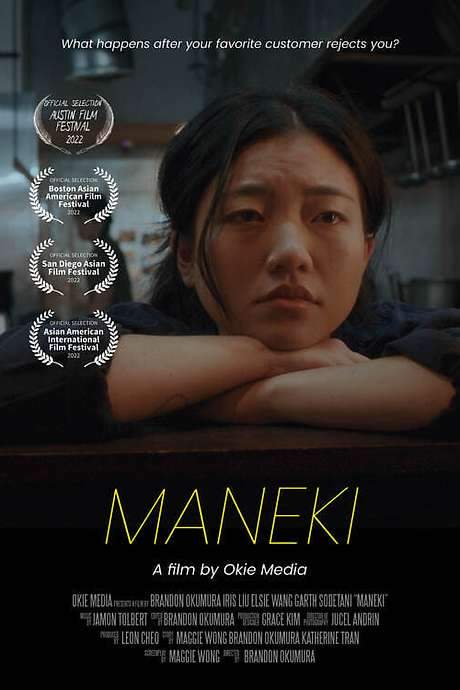
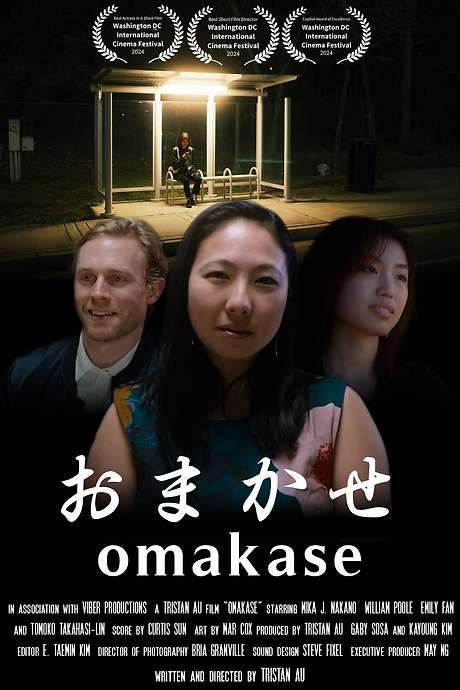
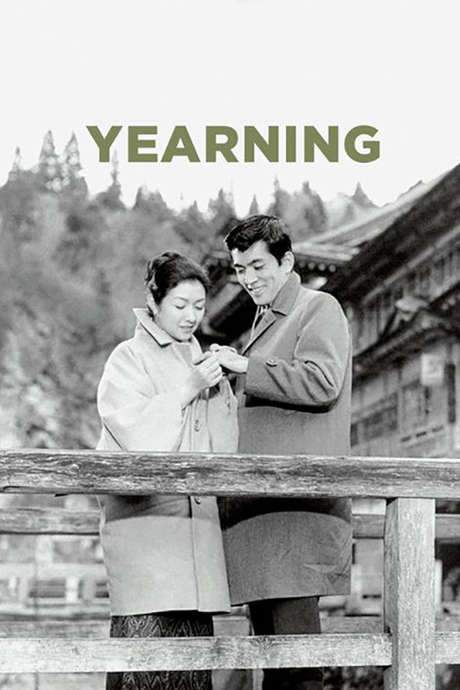
Similar Movies To The Ramen Girl You Should Know About
Browse a curated list of movies similar in genre, tone, characters, or story structure. Discover new titles like the one you're watching, perfect for fans of related plots, vibes, or cinematic styles.






Quick Links: Summary, Cast, Ratings, More

What's After the Movie?
Not sure whether to stay after the credits? Find out!
Check out our other apps:

SAT Sphere
Build confidence for the Digital SAT.

Mori Atlas
Discover wild places worth protecting.

Luntero
Search smarter for a home in Amsterdam.

Plot Explained
Unravel movie endings and hidden clues.

Pokechamp
Dive into Pokémon data and battle logic.

Driving Theory
Get ready for your European theory test.

Movie Dust
Plan your next cinema trip with ease.

Musemap
Find art and culture as you travel.

Selkobase
Compare credentials before committing.

Local Manual
Turn an unfamiliar country into practical next steps.

Lernavi
Compare school systems before your next move.

GymRoam
Find a workout stop wherever your plans take you.
Explore Our Movie Platform
New Movie Releases (2026)
Famous Movie Actors
Top Film Production Studios
Movie Plot Summaries & Endings
Major Movie Awards & Winners
Best Concert Films & Music Documentaries
Movie Collections and Curated Lists
© 2026 What's After the Movie. All rights reserved.
Privacy Policy