Gorath (1962): Cast & Plot
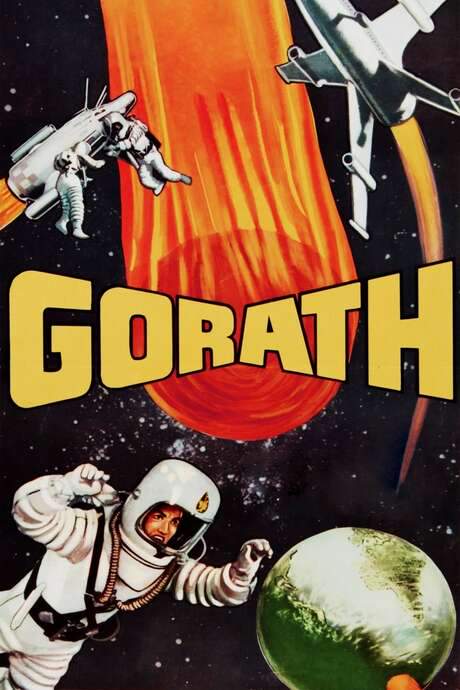
Gorath is a 1962 sci-fi thriller directed by Ishirô Honda, starring Akira Kubo as Tatsuma Kanai, Jun Tazaki and Takashi Shimura. It runs 1 hour 28 minutes.
- Released
- Runtime
- 1h 28m (88 min)
- Director
- Ishirô Honda
- Original language
-
 Japanese
 - Studio
- Toho
- After the credits
- No No extra scene
What Is Gorath About?
The premise of Gorath without spoilers. The whole story is in the plot summary further down.
The crisis is imminent when a rogue star, Gorath, is found on a collision course with Earth. Though smaller, its massive gravity could destroy the planet. Two observation missions fail, and astronaut Tatsuma Kanai is left catatonic. With no way to stop Gorath, scientists race to fire rockets from the Pole to shift Earth’s orbit before it’s too late.
Gorath Themes & Keywords
· 33 tags- psychotronic film
- space sci fi
- disaster action
- epic sci fi
- epic drama
- disaster film
- astronaut
- walrus
- south pole
- disaster
- outer space
- kaiju
+21 more Show fewer
- tsunami
- tokusatsu
- tidal wave
- star
- spacecraft
- saturn the planet
- orbit
- nuclear power
- monster
- japan
- gravity
- giant wave
- giant monster
- flood
- end of the world
- astronomy
- antarctica
- 1970s
- united nations
- scientist hero
- planet
Gorath Cast & Characters
Akira Kubo leads the cast as Tatsuma Kanai, with Jun Tazaki as Raizô Sonoda and Takashi Shimura as Kensuke Sonoda. Directed by Ishirô Honda; 92 actors are credited in all.
- Director Ishirô Honda
- Akira Kubo as Tatsuma Kanai
-
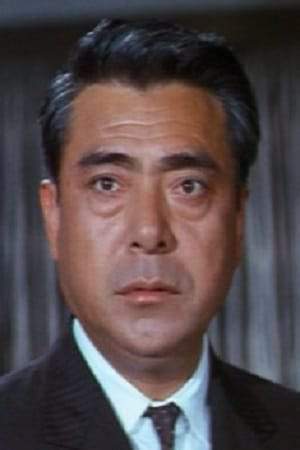 Jun Tazaki as Raizô Sonoda
 -
 Takashi Shimura as Kensuke Sonoda
 - Yumi Shirakawa as Tomoko Sonoda
Also Starring in Gorath
· 88 more- Tsurue Ichimanji Sonoda Family Maid
- Fumio Sakashita Hayao Sonoda
- Shigeo Katō South Pole Base Worker
- Ralph Jesser South Pole Base Personnel
- Enver Altenbay South Pole Base Member
- Haruo Nakajima Maguma
- Seizaburô Kawazu Tada - Minister of Finance
- Ryô Ikebe Dr. Tazawa
- Kenji Sahara Saiki
- Hiroshi Tachikawa Wakabayashi
- Eitarô Ozawa Kinami - Minister of Justice
- Kō Nishimura Murata - Secretary of Space
- Akihiko Hirata Endô
- Hideyo Amamoto Man in Bar
- Sachio Sakai Physician
- Ikio Sawamura Taxi Driver
Show all 92 cast members Show fewer cast members
- Ken Uehara Dr. Kôno
- Takamaru Sasaki Prime Minister Seki
- Hideo Shibuya Reporter
- Takuzō Kumagai Government Personnel
- Kumi Mizuno Takiko Nomura
- Osman Yusuf South Pole Base Worker
- Masaya Nihei Itô
- Katsumi Tezuka Ôtori Radio Operator
- Tadashi Okabe Ôtori Mathematician
- Nadao Kirino Manabe
- Rinsaku Ogata Ôtori Engineer
- Wataru Ōmae Hayabusa Mathmatician
- Haruo Suzuki Reporter
- Yutaka Oka South Pole Base Worker
- Jun'ichirō Mukai Space Base Security Guard
- Kôji Uno Reporter
- Someshō Matsumoto Government Personnel
- Saburô Kadowaki Reporter
- Akio Kusama Government Personnel
- Keiichirō Katsumoto Government Personnel
- Kamayuki Tsubono Government Personnel
- Keiji Sakakida Government Personnel
- Ichirō Chiba Government Personnel
- Yasuhiko Saijō Ôtori Radio Operator
- Akira Yamada Hayabusa Engineer
- Bin Furuya Reporter
- Kenzo Echigo Otori Astronaut
- Yukihiko Gondō Ôtori Pilot
- Yoshio Katsube Reporter/Space Station Observer
- Yasuo Araki Hayabusa Observer
- Minoru Itō Ôtori Astronaut
- Kō Mishima Sanada
- Hiroshi Akitsu Government Personnel/ Man pointing at sky
- Toshihiko Furuta Observer of Ôtori
- Junpei Natsuki Man at Funeral
- Haruya Sakamoto Reporter
- Kōzō Nomura Observer of Ôtori
- Toku Ihara South Pole Base Worker
- Masayoshi Kawabe Ôtori Observer
- Akira Kitchôji Government Personnel
- Ryûtarô Amami Government Personnel/South Pole Worker
- Keisuke Yamada Government Personnel
- Yasumasa Ônishi Government Personnel
- Saburô Iketani Newsanchor
- Takashi Narita Government Personnel
- George Furness Hooverman
- Ryôji Shimizu Base Designer
- Jirô Mitsuaki Government Personnel
- Hans Horneff Dr. Konig
- Takuya Yuki Hayabusa Mathematician
- Kazuo Imai Hayabusa Radio Operator
- Toshitsugu Suzuki Hayabusa Pilot
- Hiroshi Takagi Hayabusa Engineer
- Kōji Suzuki Pilot of Hayabusa
- Yoshiyuki Uemura Ôtori Mathematician
- Hideo Ôtsuka Reporter
- Kuniyoshi Kashima South Pole Base Worker
- Shin Yoshida Government Personnel
- Shinjirô Hirota Government Personnel
- Ichirō Shōji Hayabysa Observer
- Yasushi Matsubara Ôtori Radio Operator
- Ed Keane USSO Representative
- Ted Gunther South Pole Base Personnel
- Ikuo Kawamura Ôtori Astronaut
- Junnosuke Suda Government Personnel
- Ken'ichirō Maruyama Ôtori Engineer
- Hank Brown South Pole Base Personnel
- Keiko Sata Prime Minister's Secretary
- Henrî Ban Man in convention Hall
- Yusuke Suzuki Hayabusa Fuel Checkouter
- Ross Benette Gibson
- Masahide Matsushita South Pole Base Worker
Gorath Plot Summary
What happens in Gorath from start to finish, spoilers included, with a timeline of 13 key events. The opening is below; the full summary is a 4-minute read.
Spoilers ahead
On September 29, 1979, the Interstellar Exploration Agency launches a Japanese rocket ship, the JX-1 Hawk, on a nine‑month mission to study Saturn. The crew includes Raizô Sonoda and Kensuke Sonoda, along with a skilled team that embodies a global effort to push the boundaries of space exploration. What begins as a routine probe quickly evolves into a high-stakes investigation when scientists keep watch on a runaway star, nicknamed Gorath by the International Astronomical Union. As the Hawk closes in, Gorath reveals itself to be smaller than Earth, yet it wields a gravity 6,000 times stronger than our planet’s.
Full summary
The whole story of Gorath, scene by scene
Gorath Trailers & Videos
3 videos: 3 trailers.
- Trailer Gorath ≣ 1962 ≣ Trailer #2
- Trailer Gorath (1962) ENGLISH DUB TRAILER
How Well Do You Know Gorath?
10 questions about the story, each with a hint if you get stuck. Pick an answer to see whether you were right.
Question 1 of 10
- Question 1: not answered
- Question 2: not answered
- Question 3: not answered
- Question 4: not answered
- Question 5: not answered
- Question 6: not answered
- Question 7: not answered
- Question 8: not answered
- Question 9: not answered
- Question 10: not answered
What is the name of the Japanese rocket ship launched in 1979 to study Saturn?
Gorath Also Known As
13 alternative titles, including “Ufos zerstören die Erde” and “Yôsei Gorasu”.
- Also known as
-
- Ufos zerstören die Erde
- Yôsei Gorasu
- Calamity Star Gorath
- Ominous Star Gorath
- Astronaut 1980
- Gorath: Calamity Star
- Le choc des planètes
- UFOs Destroy the Earth
- Clash of the Planets
- 妖星哥拉斯
- Горас
- Jósei gorasu
+1 more Show fewer
- 요성 고라스
Seen Gorath?
Movies Like Gorath
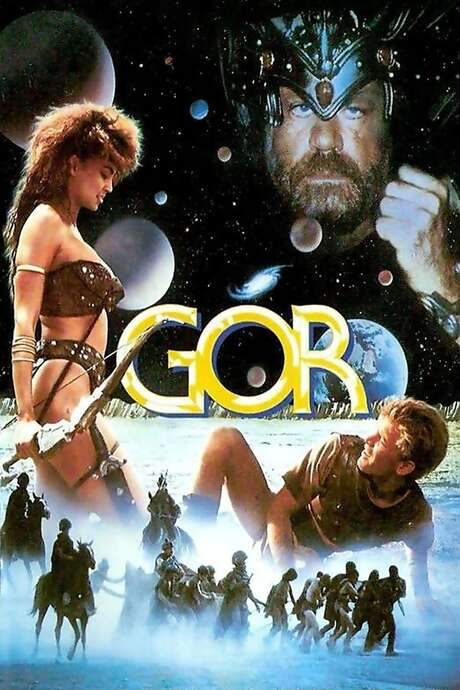
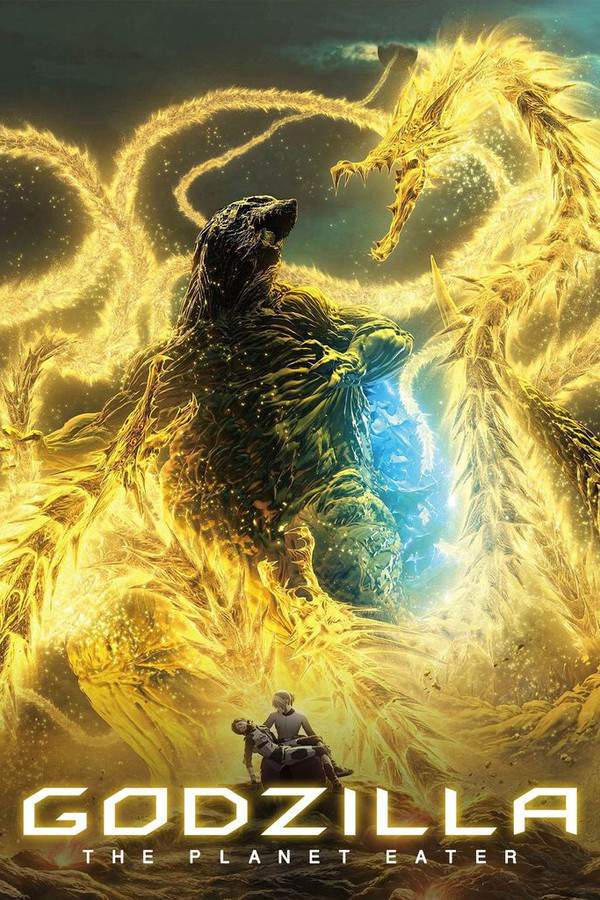
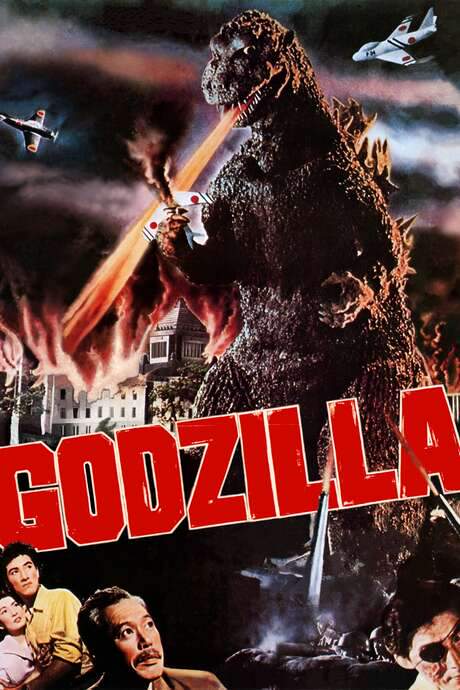
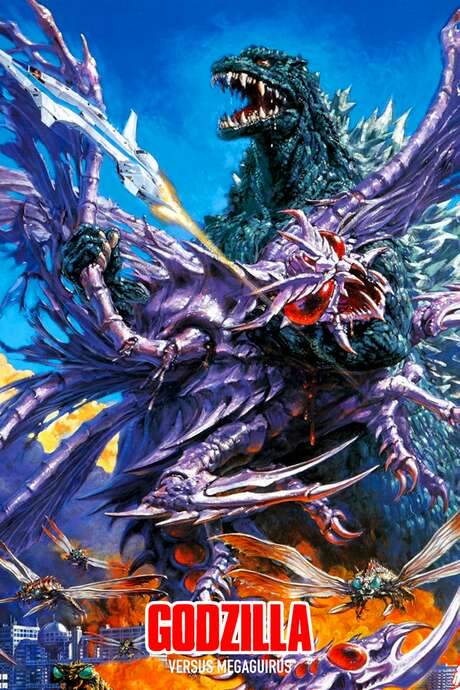
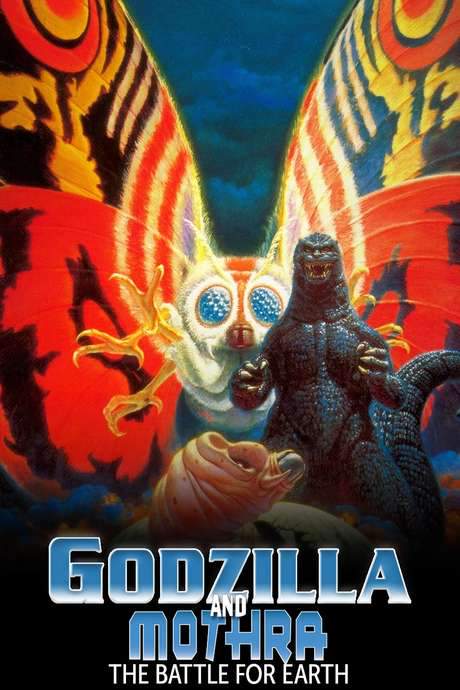
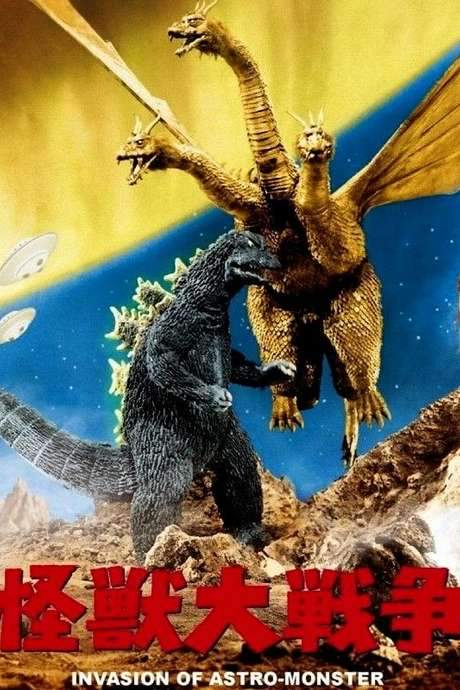
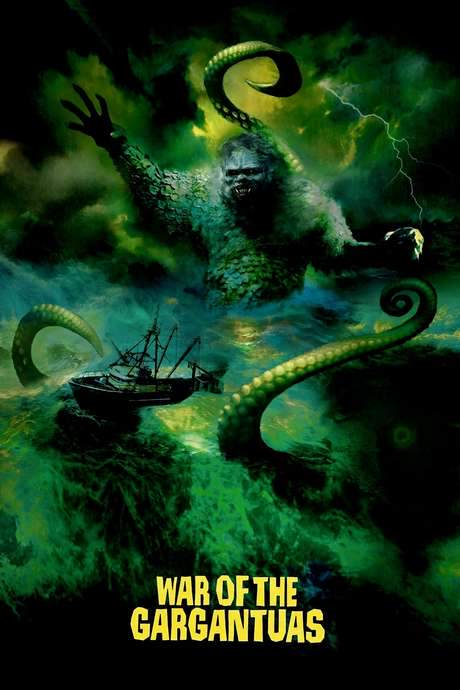
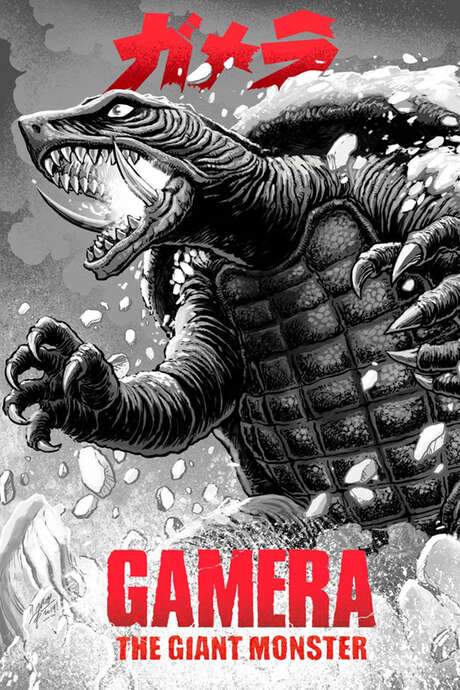
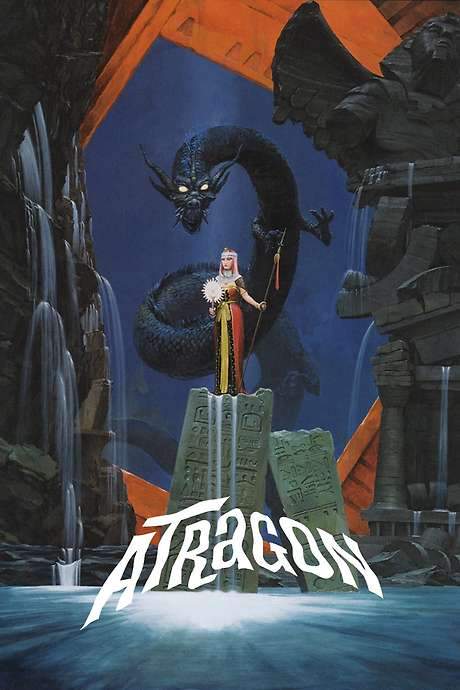
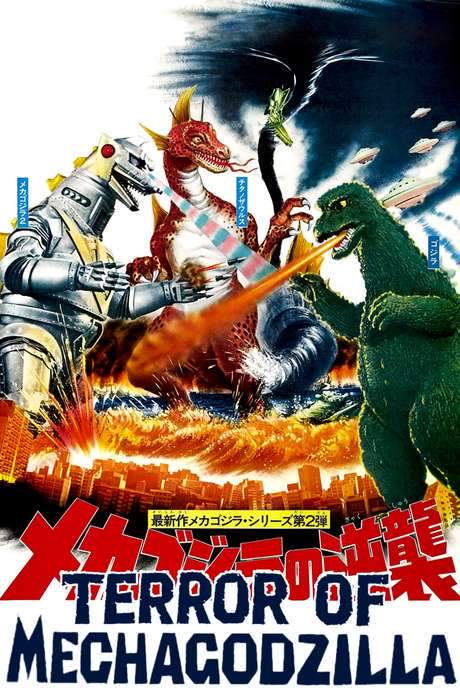
Films with a similar story, tone or audience, including Gor, Godzilla: The Planet Eater and Godzilla.

Gorath FAQ: Cast, Runtime & Release Date
Runtime, release date, director, cast, post-credit scenes and language of Gorath, each answered in a sentence.
How long is Gorath?
Gorath runs 1 hour 28 minutes (88 minutes).
When was Gorath released?
Gorath was released on March 21, 1962.
Who directed Gorath?
Gorath was directed by Ishirô Honda.
More films by Ishirô Honda Who is in the cast of Gorath?
Gorath stars Akira Kubo as Tatsuma Kanai, Jun Tazaki as Raizô Sonoda and Takashi Shimura as Kensuke Sonoda, among 92 credited actors.
Does Gorath have a post-credit scene?
No. Gorath has no extra scene during or after the credits.
What language is Gorath in?
The original language of Gorath is Japanese.
Coming soon to your phone
The Plot Explained Movie Summary App
From blockbusters to hidden gems: plot summaries, endings explained and timelines on your phone. Save your favorites and never miss a twist again.
Be the first to know when it launches. Your email stays private, always. Learn more about the app