Golden Gate 1994


A brash 22‑year‑old FBI agent fabricates communist‑spying charges against a Chinese laundryman, ruining his life. Ten years later, haunted by guilt, the agent returns to seek forgiveness from the man and his teenage daughter, forcing both families to confront the painful legacy of his abuse of power.


Does Golden Gate have end credit scenes?
No!
Golden Gate does not have end credit scenes. You can leave when the credits roll.
Meet the Full Cast and Actors of Golden Gate
Explore the complete cast of Golden Gate, including both lead and supporting actors. Learn who plays each character, discover their past roles and achievements, and find out what makes this ensemble cast stand out in the world of film and television.
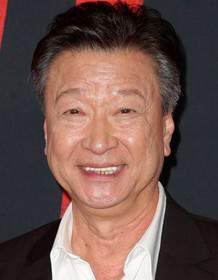
Tzi Ma
Chen Jung Song

Joan Chen
Marilyn Song

Teri Polo
Cynthia
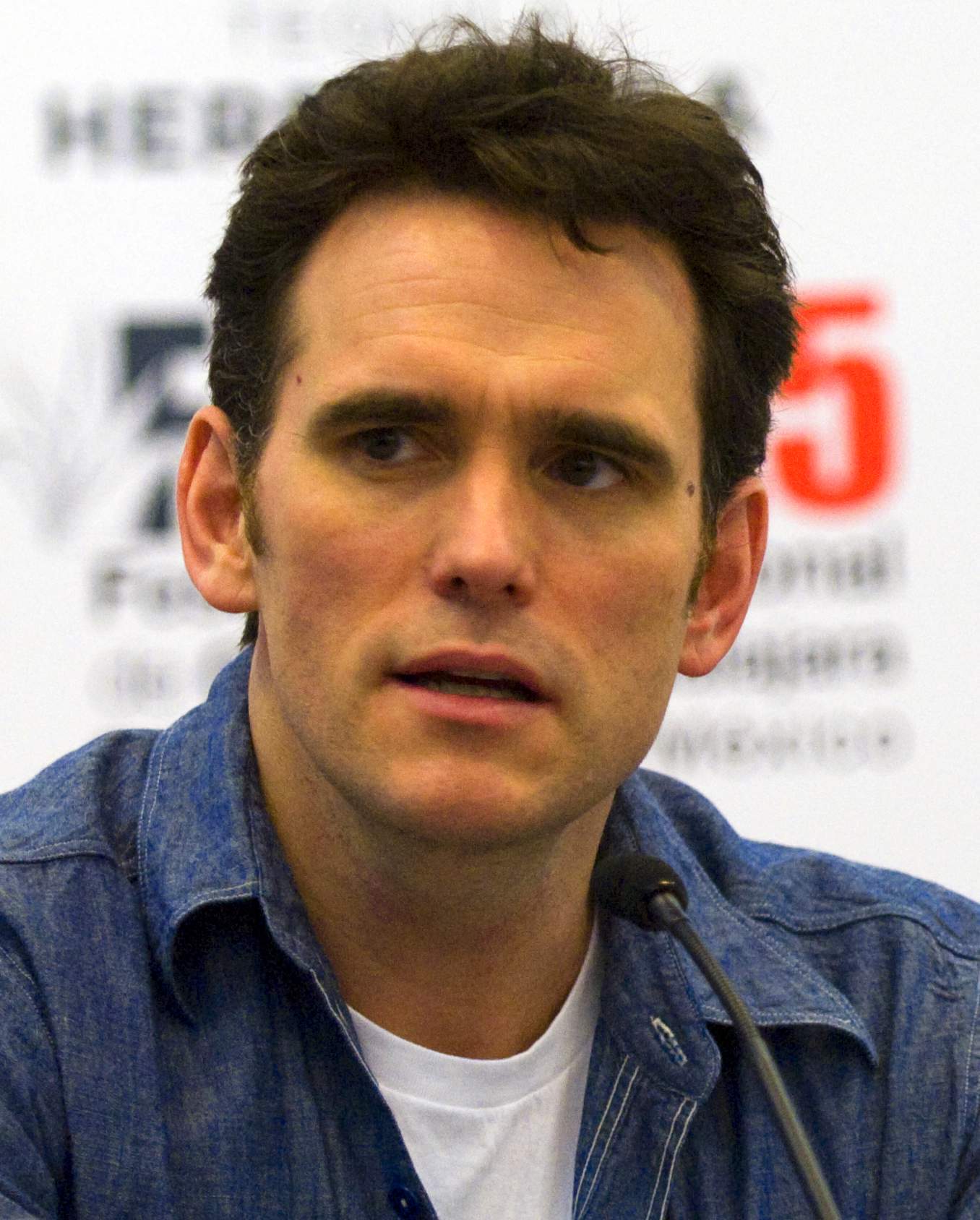
Matt Dillon
Agent Kevin David Walker
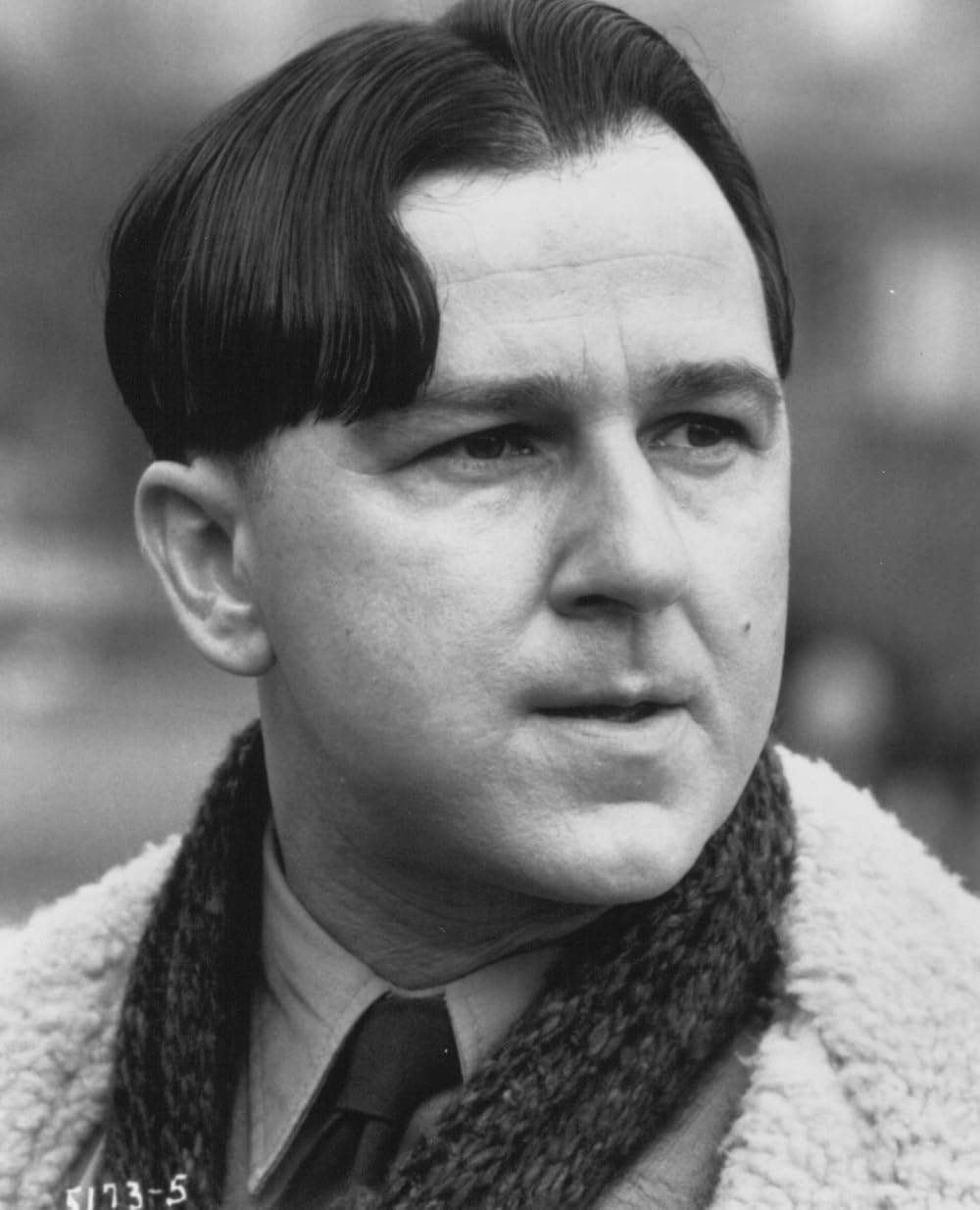
Bruno Kirby
Agent Ron Pirelli

Bruce Barlow
Lab technician
Peter Murnik
Agent Byrd
Keone Young
Benny Ying
Courtenay Taylor
Swing girl
Daniel Chan Hiu-Tung
Jack Shearer
FBI Chief
Elizabeth Morehead
Receptionist
Wallace Choy
Building superintendent
Vincent Bagnall
Moving man
Cully Fredricksen
Special Agent Collins
Stan Egi
Bradley Ichiyasu
James Cranna
Court bailiff
George Guidall
Agent Meisner
Ed Holmes
Police chief
Paddy Morrissey
Agent
Leo Downey
Prosecuting Attorney Snyder
Denny Delk
Jury foreman
Howard Swain
Agent
Jay Jacobus
Judge
David Booth
Defense attorney
Lance Brady
Security officer
Theresa Huynh
Young Marilyn
Wilbur Jung
Chinese defendant
Henry Wong
Court interpreter
Doreen Foo Croft
Mrs. Chen
Reigh Tuazon
Doo-wop singer
Jeffrey A. Chan
Doo-wop singer
Conrad Tom
Doo-wop singer
Andrew Chow
Laundry boss
Linda Chuan
Girl in seminar
Frank Somerville
TV reporter
Dihlon McManne
Riot policeman
Nancy Fassett
Tourist
External Links and Streaming Options
Discover where to watch Golden Gate online, including streaming platforms, rental options, and official sources. Compare reviews, ratings, and in-depth movie information across sites like IMDb, TMDb, Wikipedia or Rotten Tomatoes.








Take the Ultimate Golden Gate Movie Quiz
Challenge your knowledge of Golden Gate with this fun and interactive movie quiz. Test yourself on key plot points, iconic characters, hidden details, and memorable moments to see how well you really know the film.
Golden Gate Quiz: Test your knowledge of the film Golden Gate (1994) with these 10 varied questions.
What is Kevin David Walker's profession at the beginning of the story?
Full Plot Summary and Ending Explained for Golden Gate
Read the complete plot summary of Golden Gate, including all major events, twists, and the full ending explained in detail. Explore key characters, themes, hidden meanings, and everything you need to understand the story from beginning to end.
Kevin David Walker, a bright 22-year-old law student turned FBI agent in the San Francisco office, begins a career shaped by the climate of the early 1950s. Set against the shadow of the Second Red Scare and the rise of Maoism in China, he is assigned to monitor San Francisco’s Chinatown for signs of pro-Communist activity, a duty that tests his ideals and his loyalties. Alongside his partner, Ron Pirelli, he tracks money movements from a local laundry to Hong Kong by three Chinese American workers, under the suspicion that they may be linked to the Chinese Communist Party. The case unfolds in a world where evidence is thin and political pressure is thick, pushing him toward a path that could burnish his career or ruin lives.
As the investigation deepens, Kevin faces a stark moral dilemma. There is a push to crack down hard on suspected sympathizers to reassure a wary public, yet the charges seem flimsy and potentially unjust. His lover, Cynthia, urges caution and humanity, while rising nationalism presses him to act decisively. Under intense pressure and the insinuations of authority, he pushes the case forward, and three men are indicted. The victory feels hollow for Cynthia, who breaks off the relationship, and for Kevin, who is left to grapple with the consequences of his choices. A mysterious Chinese woman appears in his grief-stricken moment, a haunting presence that foreshadows a deeper connection to the people he has been policing.
Ten years later, in 1962, Kevin remains on the force, and Ron Pirelli has ascended to head of the San Francisco bureau. The focus shifts to Chen Jung Song, viewed as the “ringleader” of the earlier case, and to the broader lives of Chinatown residents who bear the stigma of the previous prosecution. Chen struggles to maintain dignity in a harsh community landscape, facing pay cuts and cold receptions. A rooftop encounter between Chen and a grieving woman mirrors the emotional arc to come, and Kevin finds himself inexorably drawn into a confrontation that ends with a tragic act: Chen leaps from the Golden Gate Memorial after cursing him with a bitter line about becoming a “Chinaman.” In the wake of this moment, Marilyn Song emerges—the daughter of Chen Jung Song—and she becomes a pivotal figure in the story. The revelation that she is connected to the man Kevin once helped imprison reshapes their relationship and sets the stage for further upheaval.
A romance blossoms between Kevin and Marilyn, a connection that forces him to confront the cultural distances he’s enforced and the humanity he’s come to understand. As he witnesses Marilyn’s world, he grows more deeply aware of the community he has sometimes treated as an enemy. Yet the past cannot be easily left behind, and when Kevin admits his role in her father’s downfall, Marilyn withdraws, leaving him to wrestle with guilt and grief.
Six years pass, bringing the year 1968 and a new chapter. Kevin works with a new partner, Agent Byrd, on surveillance of aggressive pro-minority movements, under the direction of the UC Berkeley dean and the higher-ups who want to suppress dissent. The Pro Asian Empowerment Movement—led by Bradley Ichiyasu—places Marilyn at the center of a controversial political struggle. The stakes grow higher as the FBI’s internal bias and white-supremacist undercurrents surface, complicating Kevin’s sense of justice. When orders come to arrest Marilyn, he refuses, torn between duty and the truth he has begun to see. In a moment of defiance, he opts to retrieve and reveal files that could exonerate Chen Jung Song, hoping to clear the lingering stain on Marilyn’s family.
During a campus riot, Kevin confronts Ichiyasu and, in a dramatic act, leverages the case files to help redeem Chen Jung Song and free Marilyn from the FBI’s glare. Marilyn reappears, offering a chance at healing and forgiveness, and the two share a final, intimate moment before the system closes in on them. The investigation backlashes, and Ron and the authorities press for accountability. In a final, fateful decision, Kevin returns to the place where Chen had ended his life, contemplating a last act of self-destruction in solidarity with the past. But he is spared from this path by a transformative moment: the goddess Guanyin intervenes, guiding him toward mercy and a transcendent fate, as he is carried toward a kind of heaven beyond the earthly world.
In the end, the story threads together forgiveness, cultural awakening, and the cost of moral courage. The man who began as a loyal FBI agent—and who learned too late the human cost of his choices—finds a form of redemption through love and sacrifice, even as his own life and identity are forever reshaped by the events that unfolded across two decades.

Coming soon on iOS and Android
The Plot Explained Mobile App
From blockbusters to hidden gems — dive into movie stories anytime, anywhere. Save your favorites, discover plots faster, and never miss a twist again.
Sign up to be the first to know when we launch. Your email stays private — always.
Explore the mobile appDiscover Film Music Concerts Near You – Live Orchestras Performing Iconic Movie Soundtracks
Immerse yourself in the magic of cinema with live orchestral performances of your favorite film scores. From sweeping Hollywood blockbusters and animated classics to epic fantasy soundtracks, our curated listings connect you to upcoming film music events worldwide.
Explore concert film screenings paired with full orchestra concerts, read detailed event information, and secure your tickets for unforgettable evenings celebrating legendary composers like John Williams, Hans Zimmer, and more.


Cars Featured in Golden Gate
Explore all cars featured in Golden Gate, including their makes, models, scenes they appear in, and their significance to the plot. A must-read for car enthusiasts and movie buffs alike.
Golden Gate Themes and Keywords
Discover the central themes, ideas, and keywords that define the movie’s story, tone, and message. Analyze the film’s deeper meanings, genre influences, and recurring concepts.
Golden Gate Other Names and Titles
Explore the various alternative titles, translations, and other names used for Golden Gate across different regions and languages. Understand how the film is marketed and recognized worldwide.
Similar Movies To Golden Gate You Should Know About
Browse a curated list of movies similar in genre, tone, characters, or story structure. Discover new titles like the one you're watching, perfect for fans of related plots, vibes, or cinematic styles.


Quick Links: Summary, Cast, Ratings, More

What's After the Movie?
Not sure whether to stay after the credits? Find out!
Check out our other apps:

SAT Sphere
Build confidence for the Digital SAT.

Mori Atlas
Discover wild places worth protecting.

Luntero
Search smarter for a home in Amsterdam.

Plot Explained
Unravel movie endings and hidden clues.

Pokechamp
Dive into Pokémon data and battle logic.

Driving Theory
Get ready for your European theory test.

Movie Dust
Plan your next cinema trip with ease.

Musemap
Find art and culture as you travel.

Selkobase
Compare credentials before committing.

Local Manual
Turn an unfamiliar country into practical next steps.

Lernavi
Compare school systems before your next move.

GymRoam
Find a workout stop wherever your plans take you.
Explore Our Movie Platform
New Movie Releases (2026)
Famous Movie Actors
Top Film Production Studios
Movie Plot Summaries & Endings
Major Movie Awards & Winners
Best Concert Films & Music Documentaries
Movie Collections and Curated Lists
© 2026 What's After the Movie. All rights reserved.
Privacy Policy