
Get the Hell Out (2020): Cast, Ratings & Plot
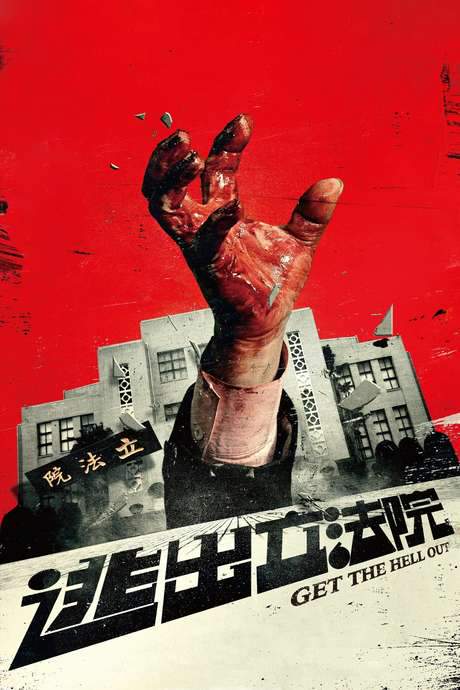
Get the Hell Out is a 2020 action horror film directed by Wang I-Fan, starring Megan Lai as Hsiung Ying-Ying, Liu Xiu-Ci and Bruce He. It runs 1 hour 36 minutes. Its Echo Score is 80/100.
- Released
- Runtime
- 1h 36m (96 min)
- Director
- Wang I-Fan
- Original language
-
 Chinese
 - Studio
- Greener Grass Production
- After the credits
- No No extra scene
What Is Get the Hell Out About?
The premise of Get the Hell Out without spoilers. The whole story is in the plot summary further down.
A group, lead by a loser MP and his assistant, must work together to stay alive after a virus infects the Taiwanese parliament and turns them all into ravenous zombies.
Get the Hell Out Themes & Keywords
· 10 tags- female protagonist
- zombie
- political satire
- parliamentary election
- bomb
- taiwan
- rabies
- death
- blood
- nail clippers
Get the Hell Out Cast & Characters
Megan Lai leads the cast as Hsiung Ying-Ying, with Liu Xiu-Ci as Teenage Hsiung Ying-Ying and Bruce He as Wang You-Wei. Directed by Wang I-Fan; 12 actors are credited in all.
- Director Wang I-Fan
- Megan Lai as Hsiung Ying-Ying
- Liu Xiu-Ci as Teenage Hsiung Ying-Ying
- Bruce He as Wang You-Wei
- Jr-Ren Ho as Teenage Wang You-Wei
Also Starring in Get the Hell Out
· 8 more- Wang Chung-Huang Li Kuo-Chung
- Francesca Kao Wang Feng-Hua
- Tou Tsung-Hua Ying-Ying's Father
- Lin He-Hsuan Ku Te-You
- Wang Lan-shen Speaker
- Yu-Shan Lin President
- Li Shao-Peng Reporter
- Kui-Hong Li Head of Agricultural Disease Bureau
Get the Hell Out Reviews & Ratings
Our Echo Score gives it 80/100, strongest in rewatch factor (82) and weakest in character & emotion (70).
Get the Hell Out Echo Score Breakdown
Get the Hell Out delivers an energetic, politically satirical zombie romp that leans heavily on fast‑paced action and vivid visual flair. Critics highlight its inventive metaphor of a viral outbreak, relentless slap‑stick choreography, and a bright, stylized palette that keeps the film from feeling grim. While a minority note a lack of depth and occasional annoyance, the majority appreciate its unabashed fun and suitability for midnight viewings. The net effect is a lively, entertaining experience that rewards groups seeking chaotic spectacle.
Our own 0–100 rating, built from five aspects: art, character, story, the sensory experience and how well a film rewatches.
- Art & Craft 80
ART: The film’s direction emphasizes kinetic momentum, pairing rapid editing with an exuberant color scheme that brightens the undead setting. Cinematography captures frenetic fight choreography, and production design balances gore with stylized set pieces. Though some critics find the visual overload occasionally distracting, the overall craft sustains the movie’s hyperactive tone.
- Character & Emotion 70
CHARACTER: Performances lean into exaggerated, comedic archetypes, with the lead’s infectious enthusiasm anchoring the chaotic ensemble. While the film foregrounds humor over nuanced development, the chemistry among actors fuels the rapid‑fire jokes and political satire. The lack of deep emotional arcs limits resonance, yet the energetic portrayals suit the film’s tonal goals.
- Story & Flow 78
STORY: The narrative merges zombie contagion with political corruption, using the outbreak as a satirical metaphor that fuels a relentless, fast‑paced plot. Originality shines in its blend of slap‑stick and social commentary, though pacing can feel relentless, leaving little room for quieter moments. Overall the story sustains engagement through its audacious premise.
- Sensory Experience 75
SENSORY: The film’s soundscape amplifies blood‑soaked action with bombastic score cues, while the visual style employs a bright, almost cartoonish palette that undercuts grim horror. Stylistic choices such as exaggerated choreography and rapid cuts intensify the sensory overload, aligning with its comedic intent. Though some viewers may find the intensity excessive, it effectively reinforces the film’s manic atmosphere.
- Rewatch Factor 82
REWATCH: The film’s chaotic energy and loud humor make it well‑suited for repeat viewings with friends, where shared reactions amplify its appeal. Its unapologetic absurdity and rapid joke delivery reward audiences familiar with its cultural references, encouraging discovery of new moments on subsequent watches. While its polarizing style may deter solitary rewatch, the overall replay value remains high.
Get the Hell Out Plot Summary
What happens in Get the Hell Out from start to finish, spoilers included, with a timeline of 15 key events. The opening is below; the full summary is a 4-minute read.
Spoilers ahead
Hsiung Ying-Ying, played by Megan Lai, is a newly elected legislator who campaigns to reject a bill backing a chemical plant in her hometown because it could potentially spread rabies to humans. Her fiery stance is tested when journalists aligned with the pro-construction faction push a narrative that sparks anger in her, and she lunges at a photographer in a moment of raw frustration. She is quickly restrained by a security guard who is secretly in love with her and has deliberately chosen to work at the congress to stay close to her, Wang You-Wei, and in the rush of the moment, Hsiung suplexes him. The incident sets off a chain of political and personal upheavals that redraw the lines of loyalty inside the Legislative Yuan.
Full summary
The whole story of Get the Hell Out, scene by scene
Get the Hell Out Trailers & Videos
2 videos: 2 trailers.
- Trailer GET THE HELL OUT Trailer | TIFF 2020
How Well Do You Know Get the Hell Out?
10 questions about the story, each with a hint if you get stuck. Pick an answer to see whether you were right.
Question 1 of 10
- Question 1: not answered
- Question 2: not answered
- Question 3: not answered
- Question 4: not answered
- Question 5: not answered
- Question 6: not answered
- Question 7: not answered
- Question 8: not answered
- Question 9: not answered
- Question 10: not answered
What legislation does Hsiung initially oppose?
Get the Hell Out Also Known As
5 alternative titles, including “Tao chu li fa yuan” and “Вали отсюда”.
- Also known as
-
- Tao chu li fa yuan
- Вали отсюда
- 겟 더 헬 아웃
- Thoát Khỏi Viện Lập Pháp
- ฝ่าวิกฤติไวรัสมรณะ
Seen Get the Hell Out?
Movies Like Get the Hell Out
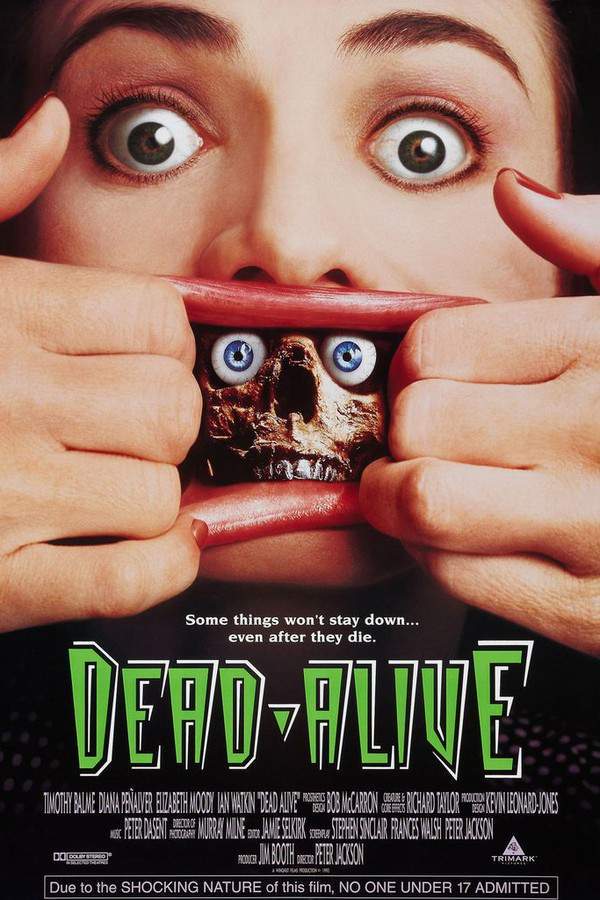
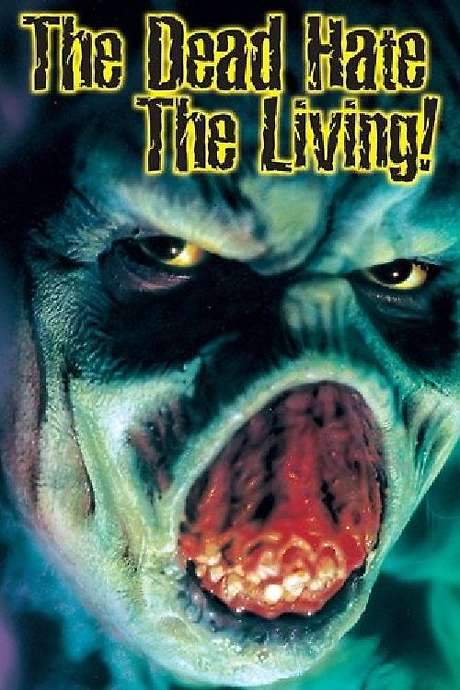
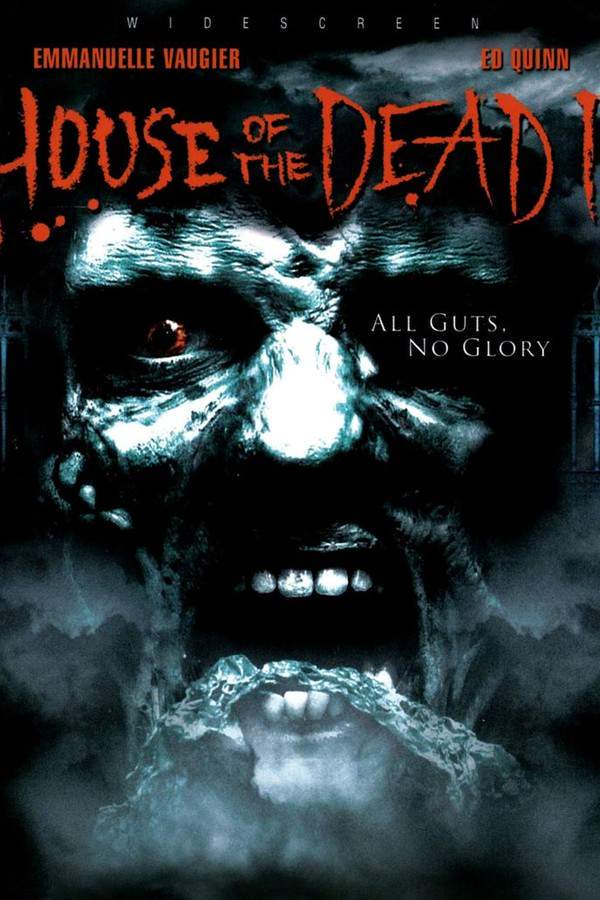
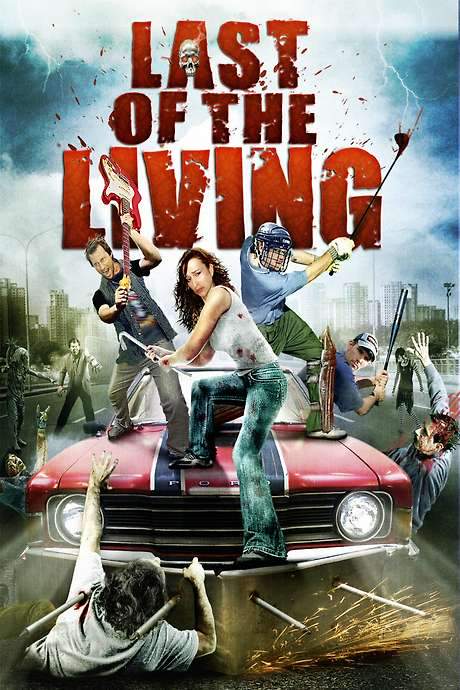
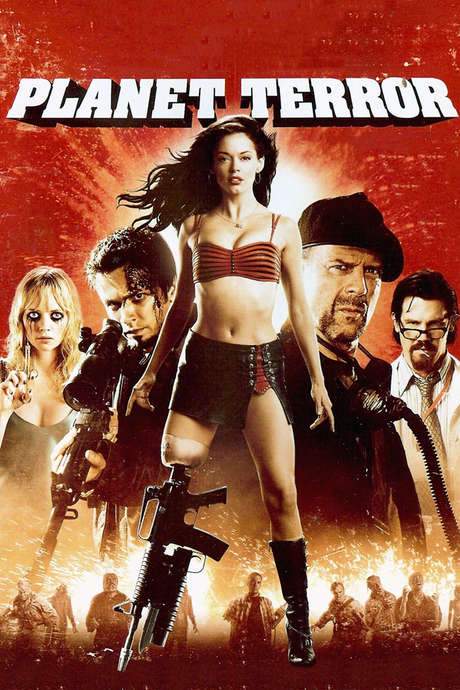
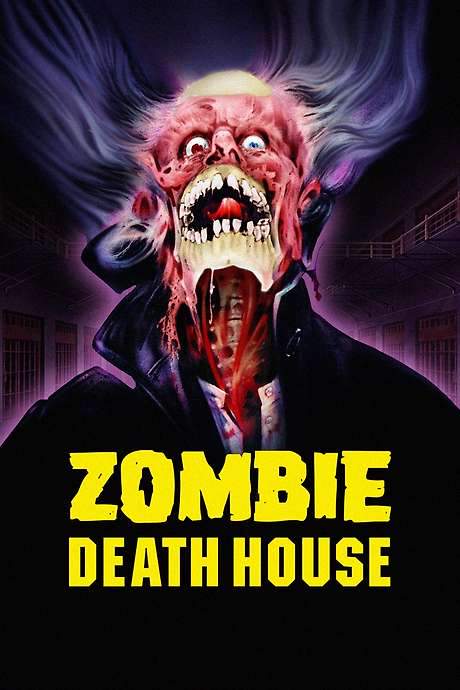
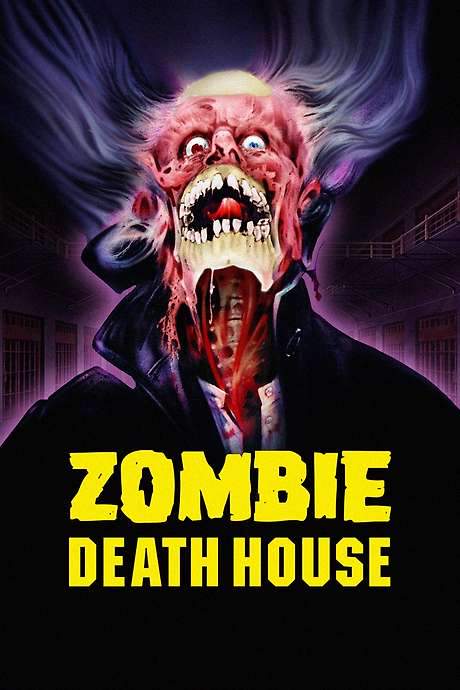
Films with a similar story, tone or audience, including Zombie, Hell’s Ground and Dead Alive.




Get the Hell Out FAQ: Cast, Runtime & Release Date
Runtime, release date, director, cast, post-credit scenes and language of Get the Hell Out, each answered in a sentence.
How long is Get the Hell Out?
Get the Hell Out runs 1 hour 36 minutes (96 minutes).
When was Get the Hell Out released?
Get the Hell Out was released on June 28, 2020.
Who directed Get the Hell Out?
Get the Hell Out was directed by Wang I-Fan.
More films by Wang I-Fan Who is in the cast of Get the Hell Out?
Get the Hell Out stars Megan Lai as Hsiung Ying-Ying, Liu Xiu-Ci as Teenage Hsiung Ying-Ying and Bruce He as Wang You-Wei, among 12 credited actors.
Does Get the Hell Out have a post-credit scene?
No. Get the Hell Out has no extra scene during or after the credits.
What language is Get the Hell Out in?
The original language of Get the Hell Out is Chinese.
Coming soon to your phone
The Plot Explained Movie Summary App
From blockbusters to hidden gems: plot summaries, endings explained and timelines on your phone. Save your favorites and never miss a twist again.
Be the first to know when it launches. Your email stays private, always. Learn more about the app
