
Frieda 1947

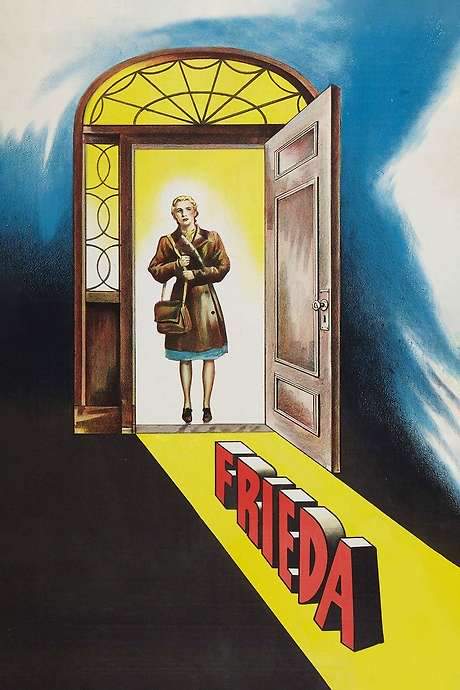
An RAF pilot shot down over Germany during World II manages to escape with the aid of a local German woman. Years later he returns to his English village and brings her back as his bride, forcing the community to confront the uneasy question of whether they can accept the woman who once helped a enemy pilot survive.

Does Frieda have end credit scenes?
No!
Frieda does not have end credit scenes. You can leave when the credits roll.
Meet the Full Cast and Actors of Frieda
Explore the complete cast of Frieda, including both lead and supporting actors. Learn who plays each character, discover their past roles and achievements, and find out what makes this ensemble cast stand out in the world of film and television.
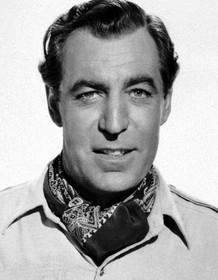
David Farrar
Robert Dawson
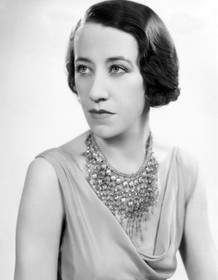
Flora Robson
Nell Dawson

Mai Zetterling
Frieda
John Ruddock
Granger
Barry Jones
Holliday
Glynis Johns
Judy Dawson
Barry Letts
Jim Merrick
Patrick Holt
Alan
Arthur Howard
First Official
Ray Jackson
Tony
Barbara Everest
Mrs Dawson
Garry Marsh
Beckwith
Eliot Makeham
Bailey
Gerard Heinz
Polish Priest
Gilbert Davis
Lawrence
Aubrey Mallalieu
Irvine
Hilda Barry
Woman Talking to Official (uncredited)
Milton Rosmer
Merrick
Albert Lieven
Richard
Gladys Henson
Edith
Renee Gadd
Mrs. Freeman
Douglas Jefferies
Hobson
Norman Pierce
Crawley
D.A. Clarke-Smith
Herriot
Stanley Escane
Post-boy
Meadows White
Mr. Stanley - Publican (uncredited)
External Links and Streaming Options
Discover where to watch Frieda online, including streaming platforms, rental options, and official sources. Compare reviews, ratings, and in-depth movie information across sites like IMDb, TMDb, Wikipedia or Letterboxd.




Take the Ultimate Frieda Movie Quiz
Challenge your knowledge of Frieda with this fun and interactive movie quiz. Test yourself on key plot points, iconic characters, hidden details, and memorable moments to see how well you really know the film.
Frieda (1947) Quiz: Test your knowledge of the 1947 film *Frieda*, covering its characters, plot points, and themes.
What is the primary reason Frieda and Robert decide to marry?
Full Plot Summary and Ending Explained for Frieda
Read the complete plot summary of Frieda, including all major events, twists, and the full ending explained in detail. Explore key characters, themes, hidden meanings, and everything you need to understand the story from beginning to end.
Frieda is a German woman who helps English airman Robert Dawson escape from a German prisoner-of-war camp as the Second World War nears its end. She loves him; he is grateful to her. In a fragile moment forged by danger and hope, a church that sits right on the line between the Russian and German territories becomes the unlikely setting for a grimly practical union: he marries her so she can obtain a British passport. The act is not born of romance alone, but of necessity, a bid to secure a future together in a world still torn by conflict and shifting loyalties. They then travel to his Oxfordshire home, stepping into a quiet, sun-dappled countryside that will soon test the very meaning of home, loyalty, and belonging.
There, Frieda enters a tense, intimate crucible of family life. She meets Nell Dawson, the mother figure in the household, along with a lively mix of relatives and neighbors who populate the town’s daily rhythms: his small stepbrother Tony, the even-tempered beauty Judy Dawson who is also the widow of Robert’s brother, and Aunt Eleanor, a sharp, outspoken voice in local politics whose anti-German stance runs deep. The initial welcome is far from warm. The townspeople are suspicious, and the simple, ordinary routines of life—teaching, farming, and community gatherings—become uneasy stages for fear, misunderstanding, and whispered judgments. Robert, for his part, feels the weight of his past as a teacher slip away as he adjusts to a farming life with Frieda, trading classroom certainty for a different kind of labor and a new rhythm of days.
Over time, the ice in the town begins to melt. Frieda’s presence is slowly accepted, even as Aunt Eleanor remains wary and distant. The bond between Frieda and Judy grows in a way that neither Robert nor anyone else fully anticipates; Judy, though she keeps her own hidden feelings for Robert, offers a quiet, steadfast friendship that becomes a counterpoint to the town’s frayed nerves. With the farm becoming their shared space, the couple discovers a measure of peace and a renewed sense of purpose. Robert starts to shed the heaviness of his wartime memories as he looks at Frieda not through the lens of her country of origin but through the everyday human choices that bind people together—food, work, care, and companionship. Yet the shadow of the war and its brutal history never полностью disappears from view, and a screening of a film about the Bergen-Belsen horrors unsettles Frieda deeply, reminding them all of the cruelty that once defined her homeland and forcing them to confront the fear that history could fracture what they have built.
Into this fragile equilibrium arrives Richard, Frieda’s brother, a man who has lived away from his sister’s world and who appears with a complex, unsettling history. Richard is, at first, welcomed with cautious relief, because his return seems like a sign of family healing. However, the truth begins to surface: he has remained a Nazi at heart, and his outward show of brotherly affection is undercut by a chilling gift—the swastika on a chain that he gives Frieda as a wedding present. The revelation lands like a physical blow, and in a crowded pub the atmosphere sharpens as the crowd—considered voices of conscience—denounces him as one of the guards at a concentration camp. In private, he admits to Robert the harsh truth of his past and asserts that Frieda had known and approved of his actions, an accusation that wounds both Frieda and the bond they have struggled to protect.
The confrontation marks a turning point. A rift opens between Robert and the specter of German brutality, and he begins to recoil from everything he once associated with as German or German-influenced. Frieda feels the tremor of fear that their marriage might crumble under the weight of these revelations, but she also clings to the connection they have forged through shared labor, mutual care, and a stubborn, stubborn hope. The couple’s crisis is not merely about past loyalties; it is a test of their capacity to redefine humanity in the face of inherited hatred.
When Frieda’s fear intensifies, she makes a desperate bid to escape pain through self-harm. She survives the act, and the moment of crisis becomes the catalyst for a deeper awakening in Robert. He rushes to her side, and in the shock of seeing how close he came to losing her, he experiences a reinvigorated sense of what he has built with her and what it would mean to lose it. This near-tragic moment helps him understand that his faith in Frieda—despite the suspicion and the prejudice she has faced—was justified. The bonds of trust deepen as he confronts the ugliness of intolerance that has haunted their world.
In the emotional aftermath, Aunt Eleanor’s own long-held prejudices begin to loosen, and she recognizes that treating people as if they were less than human erodes not only others’ humanity but one’s own. The film closes on a quiet, hard-won note of reconciliation and resilience—an acknowledgment that compassion and perseverance can translate into a more humane understanding of others, even when history has left scars that seem too deep to heal. As the community slowly redefines what it means to belong, the story lingers on the enduring truth that love and empathy can bridge divides that once felt insurmountable.
You cannot treat human beings as though they were less than human—without becoming less than human yourself.

Discover Film Music Concerts Near You – Live Orchestras Performing Iconic Movie Soundtracks
Immerse yourself in the magic of cinema with live orchestral performances of your favorite film scores. From sweeping Hollywood blockbusters and animated classics to epic fantasy soundtracks, our curated listings connect you to upcoming film music events worldwide.
Explore concert film screenings paired with full orchestra concerts, read detailed event information, and secure your tickets for unforgettable evenings celebrating legendary composers like John Williams, Hans Zimmer, and more.


Frieda Themes and Keywords
Discover the central themes, ideas, and keywords that define the movie’s story, tone, and message. Analyze the film’s deeper meanings, genre influences, and recurring concepts.
Frieda Other Names and Titles
Explore the various alternative titles, translations, and other names used for Frieda across different regions and languages. Understand how the film is marketed and recognized worldwide.
Similar Movies To Frieda You Should Know About
Browse a curated list of movies similar in genre, tone, characters, or story structure. Discover new titles like the one you're watching, perfect for fans of related plots, vibes, or cinematic styles.







Quick Links: Summary, Cast, Ratings, More

What's After the Movie?
Not sure whether to stay after the credits? Find out!




Explore Our Movie Platform
New Movie Releases (2025)
Famous Movie Actors
Top Film Production Studios
Movie Plot Summaries & Endings
Major Movie Awards & Winners
Best Concert Films & Music Documentaries
Movie Collections and Curated Lists
© 2025 What's After the Movie. All rights reserved.