Film Stars Don't Die in Liverpool 2017


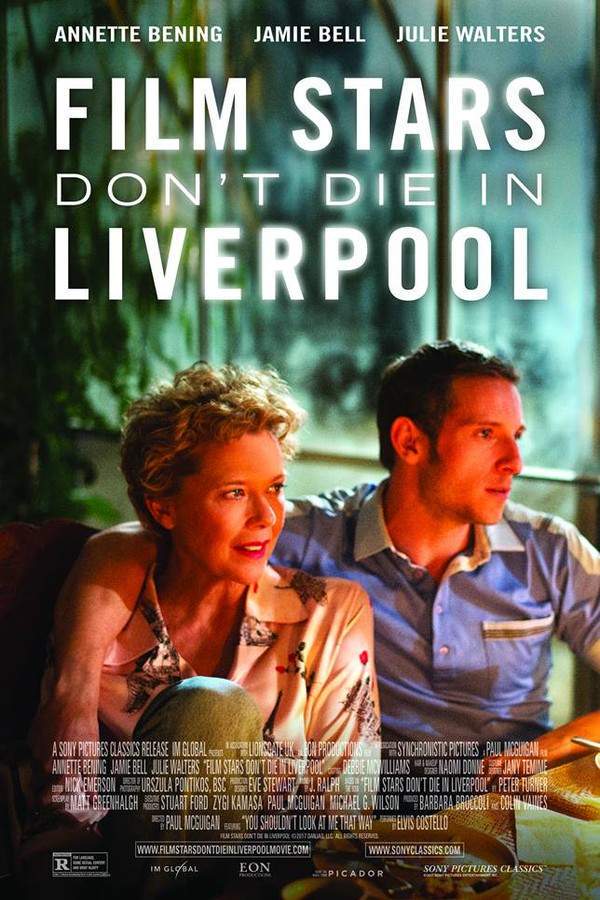
Hollywood icon Gloria Grahame experiences a passionate romance late in her career, bringing joy and vibrancy to her life. However, a serious diagnosis unexpectedly alters her world, forcing her to face her mortality. As she grapples with heartbreak and uncertainty, she must find the inner strength to navigate this challenging period and rediscover her resilience.

Does Film Stars Don't Die in Liverpool have end credit scenes?
No!
Film Stars Don't Die in Liverpool does not have end credit scenes. You can leave when the credits roll.
Where to Watch Film Stars Don't Die in Liverpool
See current US streaming, rental, and purchase options for Film Stars Don't Die in Liverpool (2017) via JustWatch.








Meet the Full Cast and Actors of Film Stars Don't Die in Liverpool
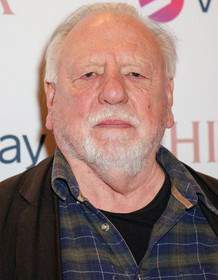
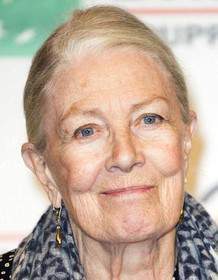
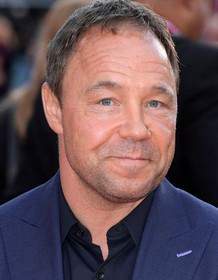
Explore the complete cast of Film Stars Don't Die in Liverpool, including both lead and supporting actors. Learn who plays each character, discover their past roles and achievements, and find out what makes this ensemble cast stand out in the world of film and television.




External Links and Streaming Options
Discover where to watch Film Stars Don't Die in Liverpool online, including streaming platforms, rental options, and official sources. Compare reviews, ratings, and in-depth movie information across sites like IMDb, TMDb, Wikipedia or Rotten Tomatoes.










Ratings and Reviews for Film Stars Don't Die in Liverpool
See how Film Stars Don't Die in Liverpool is rated across major platforms like IMDb, Metacritic, and TMDb. Compare audience scores and critic reviews to understand where Film Stars Don't Die in Liverpool stands among top-rated movies in its genre.

The Movie Echo Score
Overall, Film Stars Don’t Die in Liverpool delivers a mixture of strong performances and uneven narrative cohesion. Critics and audiences alike praise Annette Bening’s nuanced portrayal and Jamie Bell’s chemistry, yet note that the plot’s emphasis on illness and its downbeat tone cannot fully sustain engagement. Artistic elements such as editing and production design receive stylistic commendation but are tempered by the film’s reluctance to explore Gloria Grahame’s character more deeply. The resulting balance yields a moderately engaging drama that resonates most through its acting.
The Movie Echo Score Breakdown for Film Stars Don't Die in Liverpool

Art & Craft
In terms of art and craft, the film exhibits a consistent visual elegance through measured framing and period-appropriate production design. Direction by Paul McGuigan maintains a subdued tone that underscores emotional moments, while editing by Nick Emerson ensures smooth transitions between past and present sequences. Though color palette choices remain muted, the overall stylistic cohesion supports the narrative without overwhelming it. The artistic presentation remains disciplined and effective.

Character & Emotion
When it comes to character and emotion, the film relies heavily on the performances of Annette Bening and Jamie Bell to convey depth and empathy. Their interactions establish believable chemistry, and Bening’s nuanced emotional shifts bring subtle complexity to her portrayal. However, secondary roles receive limited development, and some character arcs feel underexplored. Overall, the acting anchors the emotional core of the story.

Story & Flow
As to story and flow, the narrative often dwells on Gloria Grahame’s illness at the expense of broader context, leading to an uneven pacing. Plot segments shift between timelines with satisfactory clarity but offer limited originality or dramatic tension. While emotional beats are present, the film’s reliance on melodrama can dilute overall engagement. The storyline ultimately feels uneven in momentum.

Sensory Experience
In terms of sensory experience, the film offers a restrained but effective soundscape, with a soundtrack that underscores emotional beats without drawing attention. Sound design remains clear and unobtrusive, while visual style favors muted tones that reflect the period setting. Though the score lacks memorable motifs, the cohesion between audio and visuals supports the film’s somber atmosphere. Overall, sensory elements are competently integrated.

Rewatch Factor
For rewatch value, this drama offers rewarding moments through its lead performances and select emotional scenes, but the subdued pacing and narrow focus limit repeat viewings. While some viewers may revisit for Bening’s take on Grahame, the lack of narrative depth and occasional melodramatic tone reduce its lasting appeal. Consequently, the film maintains a moderate incentive for subsequent viewings.

65
Metascore
6.9
User Score


81%
TOMATOMETER

68%
User Score

6.7 /10
IMDb Rating

64
%
User Score

3.3
From 5 fan ratings

0.00/5
Take the Ultimate Film Stars Don't Die in Liverpool Movie Quiz
Challenge your knowledge of Film Stars Don't Die in Liverpool with this fun and interactive movie quiz. Test yourself on key plot points, iconic characters, hidden details, and memorable moments to see how well you really know the film.
Film Stars Don't Die in Liverpool - Movie Quiz: A diverse quiz challenging your knowledge of the 2017 film 'Film Stars Don't Die in Liverpool' based on its plot and characters.
In what city does Gloria Grahame take ill while playing in The Glass Menagerie?
Awards & Nominations for Film Stars Don't Die in Liverpool
Discover all the awards and nominations received by Film Stars Don't Die in Liverpool, from Oscars to film festival honors. Learn how Film Stars Don't Die in Liverpool and its cast and crew have been recognized by critics and the industry alike.

Best Adapted Screenplay
Full Plot Summary and Ending Explained for Film Stars Don't Die in Liverpool
Read the complete plot summary of Film Stars Don't Die in Liverpool, including all major events, twists, and the full ending explained in detail. Explore key characters, themes, hidden meanings, and everything you need to understand the story from beginning to end.
Gloria Grahame, portrayed by Annette Bening, is a talented actress whose career has seen both triumphs and struggles. In October 1981, she stars as Amanda in a stage production of The Glass Menagerie in Lancaster but unexpectedly falls ill during the performances. Recognizing her deteriorating health, Gloria reaches out to her former lover, Peter Turner, played by Jamie Bell, who hesitantly responds by bringing her to his parents’ home in Liverpool to seek rest and care.
Looking back to 1979, we glimpse Gloria during the waning days of her once prolific acting career. She is performing as Sadie in W. Somerset Maugham’s Rain in London. During this period, she becomes flirtatious with Peter, a fellow actor, especially when she invites him to practice disco dancing with her at the boarding house where they both reside. Their friendship grows stronger as they share moments over watching the film Alien and having drinks afterward. Despite the noticeable age difference, their relationship gradually turns intimate, marked by sparks of attraction and emotional connection.
Throughout 1979 and into 1980, their bond deepens, although it is complicated by Gloria’s fame and personal history. She has previously been married to her former stepson, Anthony Ray, a move that scandalized the media and cast a shadow over her personal life. Both Gloria and Peter reveal that they’ve explored same-sex attractions, adding layers to their complex relationship.
In October 1981, Peter contacts Gloria’s doctor in Lancaster and learns that her breast cancer has returned after initial remission in 1975. Despite the seriousness of her diagnosis, Gloria insists that she is fine and refuses further treatment, believing she’ll recover on her own. This denial reflects her desire to maintain independence and avoid the reality of her health crisis. Peter, concerned for her, eventually confronts her with the grim truth. Though Gloria remains firm about her hope to get better, Peter feels the weight of her prognosis and shares the news with his family, who still support her. He confesses to his friend Eileen that his feelings for Gloria have not waned and that he still loves her deeply.
As the story unfolds, it is evident that their romance in Los Angeles and later in New York City was marked by tender moments and hopes for a future together. Gloria even invites Peter to live with her in the United States permanently, which indicates how much she values their connection. However, shortly after, Gloria unexpectedly pushes Peter away without explanation. She becomes distant, eventually kicking him out of her New York apartment and retreating into herself. It is later revealed that her sudden coldness was fueled by her knowledge that her cancer had returned — a recurrence that had been triggered by her earlier refusal of chemotherapy treatment. Her distancing and secrecy were protective measures, aimed at driving Peter away because she was afraid she wouldn’t survive.
By October 1981, Gloria’s health has worsened considerably. She becomes visibly weaker, and her desire to shield Peter from her suffering stems from her fear of losing him and the inevitability of her decline. Nevertheless, Peter, understanding her wishes, finally encourages her to involve her family in her care. In a moving moment, Gloria chooses to allow Peter to tell her loved ones about her condition. As her strength fades, she and Peter share a heartfelt moment reading a scene from Romeo and Juliet, with Peter making a cameo appearance as a stagehand named Jack. They reconcile, cherishing their final days together.
Her oldest son Timothy, who comes from the United States, arrives to help Gloria return home. Peter gently packs her belongings while she sleeps peacefully. In her last moments, Gloria says her tearful goodbyes to Peter and his family, and she departs for the U.S., leaving behind a legacy of love and resilience. The film ends with a poignant tribute to Gloria’s illustrious career, featuring footage of her winning the Best Supporting Actress Oscar at the 25th Academy Awards for her role in The Bad and the Beautiful.
This story is a heartfelt exploration of love, illness, and the complexity of personal and professional life, capturing both the glamour and vulnerability of Gloria Grahame’s extraordinary journey.

Coming soon on iOS and Android
The Plot Explained Mobile App
From blockbusters to hidden gems — dive into movie stories anytime, anywhere. Save your favorites, discover plots faster, and never miss a twist again.
Sign up to be the first to know when we launch. Your email stays private — always.
Explore the mobile appWatch Trailers, Clips & Behind-the-Scenes for Film Stars Don't Die in Liverpool
Watch official trailers, exclusive clips, cast interviews, and behind-the-scenes footage from Film Stars Don't Die in Liverpool. Dive deeper into the making of the film, its standout moments, and key production insights.
Film Stars Don't Die in Liverpool Themes and Keywords
Discover the central themes, ideas, and keywords that define the movie’s story, tone, and message. Analyze the film’s deeper meanings, genre influences, and recurring concepts.
Film Stars Don't Die in Liverpool Other Names and Titles
Explore the various alternative titles, translations, and other names used for Film Stars Don't Die in Liverpool across different regions and languages. Understand how the film is marketed and recognized worldwide.
Similar Movies To Film Stars Don't Die in Liverpool You Should Know About
Browse a curated list of movies similar in genre, tone, characters, or story structure. Discover new titles like the one you're watching, perfect for fans of related plots, vibes, or cinematic styles.




Quick Links: Summary, Cast, Ratings, More

What's After the Movie?
Not sure whether to stay after the credits? Find out!
Check out our other apps:

SAT Sphere
Build confidence for the Digital SAT.

Mori Atlas
Discover wild places worth protecting.

Luntero
Search smarter for a home in Amsterdam.

Plot Explained
Unravel movie endings and hidden clues.

Pokechamp
Dive into Pokémon data and battle logic.

Driving Theory
Get ready for your European theory test.

Movie Dust
Plan your next cinema trip with ease.

Musemap
Find art and culture as you travel.

Selkobase
Compare credentials before committing.

Local Manual
Turn an unfamiliar country into practical next steps.

Lernavi
Compare school systems before your next move.

GymRoam
Find a workout stop wherever your plans take you.
Explore Our Movie Platform
New Movie Releases (2026)
Famous Movie Actors
Top Film Production Studios
Movie Plot Summaries & Endings
Major Movie Awards & Winners
Best Concert Films & Music Documentaries
Movie Collections and Curated Lists
© 2026 What's After the Movie. All rights reserved.
Privacy Policy