Fat Man and Little Boy 1989

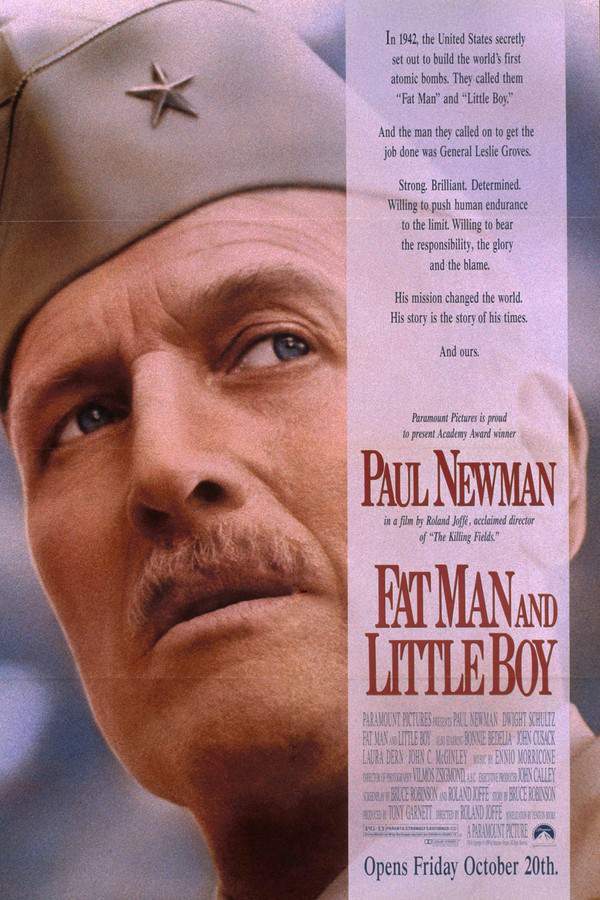
During World War II, General Leslie Groves, a pragmatic military leader, recruits the brilliant but complex physicist Dr. J. Robert Oppenheimer to develop atomic weapons. The pair embark on a challenging collaboration, racing against time to create the powerful "Fat Man" and the streamlined "Little Boy" bombs. Their differing approaches and personalities create friction, testing their ability to succeed in this top-secret and crucial mission.

Does Fat Man and Little Boy have end credit scenes?
No!
Fat Man and Little Boy does not have end credit scenes. You can leave when the credits roll.
Where to Watch Fat Man and Little Boy
See current US streaming, rental, and purchase options for Fat Man and Little Boy (1989) via JustWatch.






Meet the Full Cast and Actors of Fat Man and Little Boy
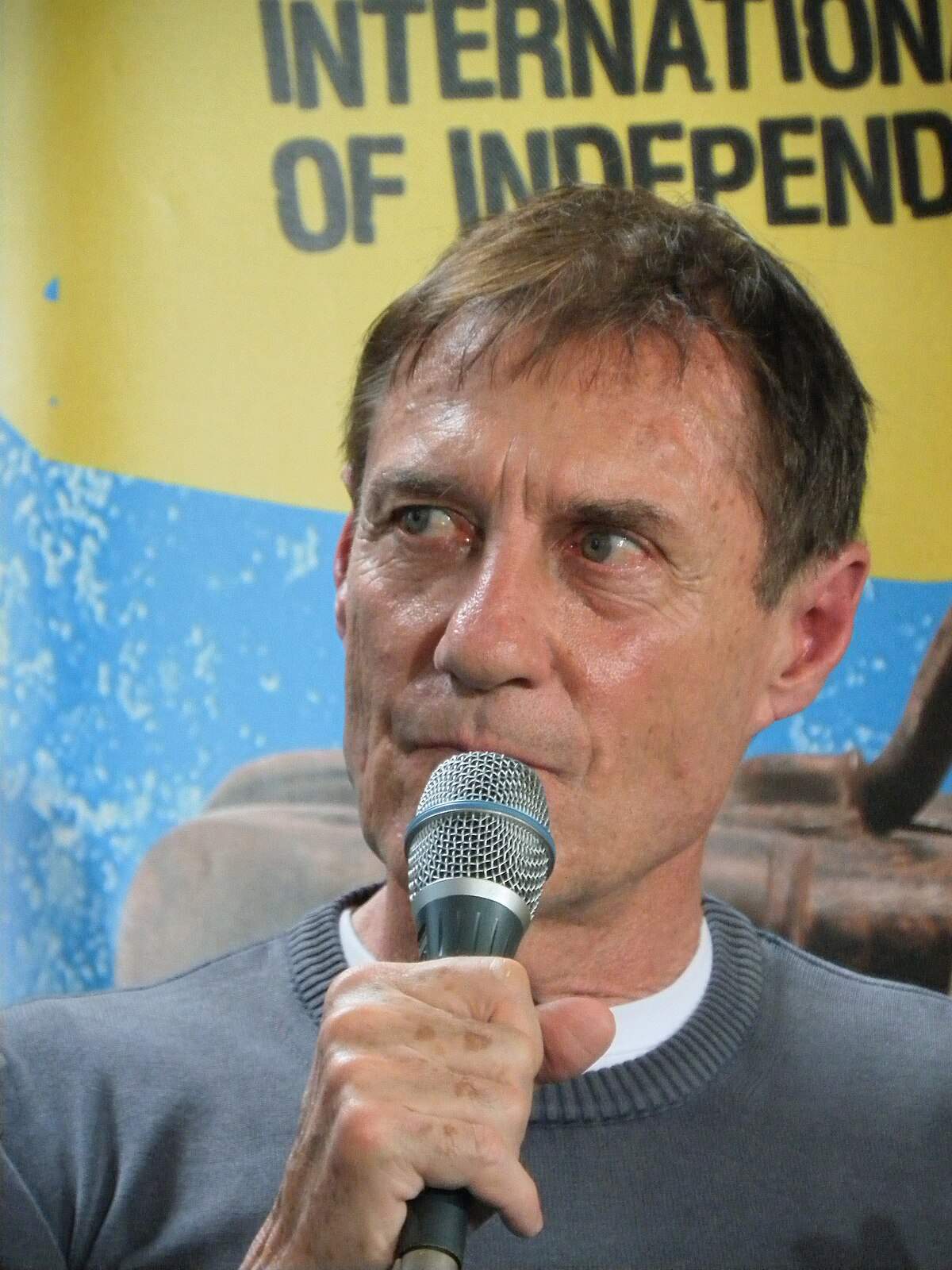
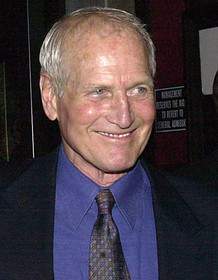
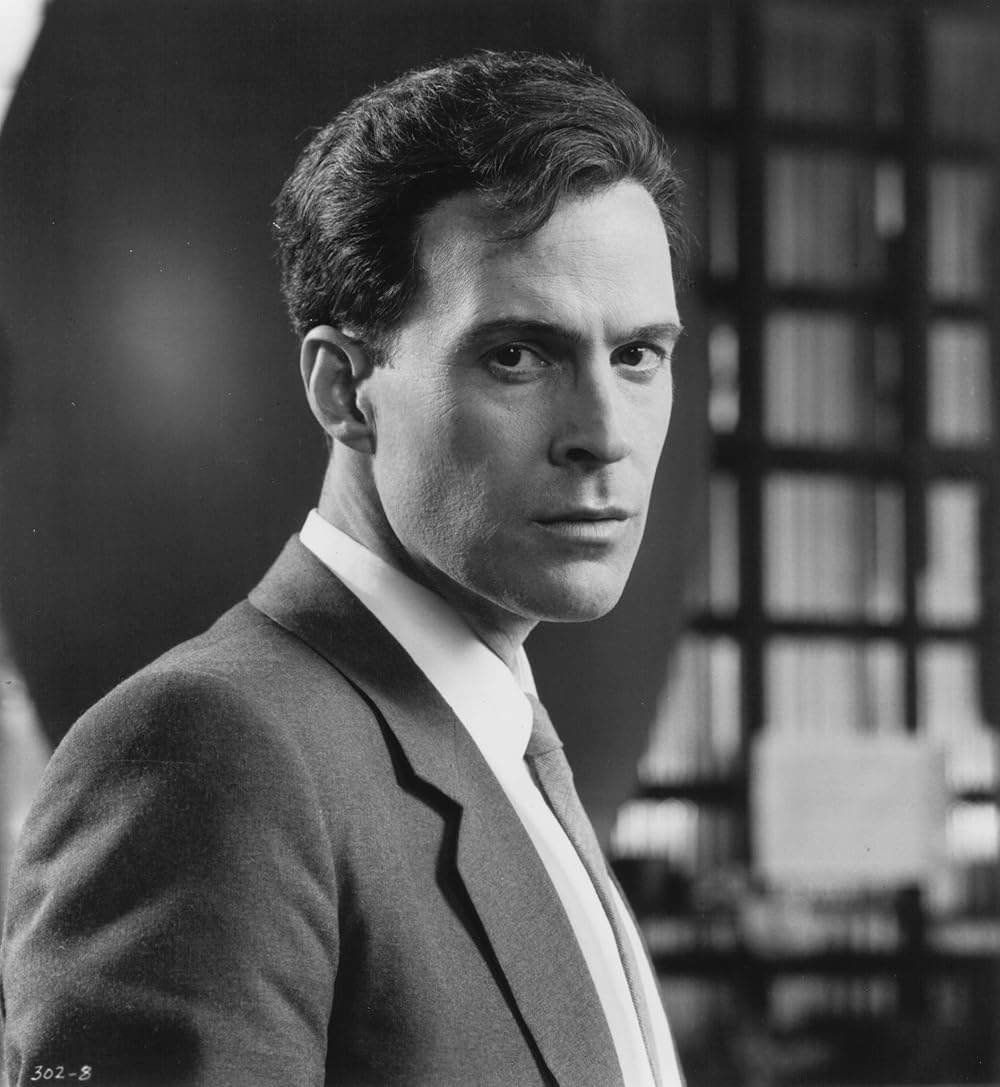
Explore the complete cast of Fat Man and Little Boy, including both lead and supporting actors. Learn who plays each character, discover their past roles and achievements, and find out what makes this ensemble cast stand out in the world of film and television.






External Links and Streaming Options
Discover where to watch Fat Man and Little Boy online, including streaming platforms, rental options, and official sources. Compare reviews, ratings, and in-depth movie information across sites like IMDb, TMDb, Wikipedia or Rotten Tomatoes.










Ratings and Reviews for Fat Man and Little Boy
See how Fat Man and Little Boy is rated across major platforms like IMDb, Metacritic, and TMDb. Compare audience scores and critic reviews to understand where Fat Man and Little Boy stands among top-rated movies in its genre.

50
Metascore
6.5
User Score


50%
TOMATOMETER

46%
User Score

7.0 /10
IMDb Rating

62
%
User Score
Take the Ultimate Fat Man and Little Boy Movie Quiz
Challenge your knowledge of Fat Man and Little Boy with this fun and interactive movie quiz. Test yourself on key plot points, iconic characters, hidden details, and memorable moments to see how well you really know the film.
Fat Man and Little Boy Quiz: A 10‑question quiz testing your knowledge of the 1989 film about the Manhattan Project and the creation of the first atomic bombs.
Who was appointed to oversee the Manhattan Project’s military operations in the film?
Full Plot Summary and Ending Explained for Fat Man and Little Boy
Read the complete plot summary of Fat Man and Little Boy, including all major events, twists, and the full ending explained in detail. Explore key characters, themes, hidden meanings, and everything you need to understand the story from beginning to end.
In September 1942, the ultra-secret Manhattan Project lands in the hands of Colonel Leslie Groves, a no-nonsense military man who has already earned a reputation for overseeing the construction of the Pentagon. His mission is to outpace Germany in the race to build an atomic weapon, a task that feels almost impossible given the scale and secrecy involved. Groves picks J. Robert Oppenheimer, a brilliant and somewhat enigmatic physicist, to lead the scientific effort. Oppenheimer is drawn to the stark, remote landscape of northern New Mexico, where his family once owned a cabin, and he envisions a research facility that sits atop a mesa near Los Alamos Canyon, northwest of Santa Fe.
From the start, the relationship between Groves and Oppenheimer is defined by clash and compromise. Groves brings order, discipline, and a ruthless focus on schedules, while Oppenheimer, surrounded by a diverse group of scientists, wrestles with the moral and philosophical implications of their work. The scientists debate whether their personal consciences should guide their science or if they must suppress emotion to fulfill a national goal. The project becomes a crucible where professional ambition, ethical concerns, and personal loyalties pull in different directions, and the strain of leadership is felt as much in the offices and laboratories as it is in the field.
Within this high-stakes pressure cooker, individuals grapple with dangerous breakthroughs and the human costs of progress. Nurse Kathleen Robinson and young physicist Michael Merriman become aware that their work may come with consequences that extend far beyond equations and experiments. An accident during a high-risk experiment—an event dubbed Tickling the Dragon’s Tail—leads to a catastrophic exposure for Merriman, who develops grotesque swelling and deformity before his death. The tragedy lays bare the risks of radiation, the fragility of the human body, and the emotional toll on those left behind in the hospital and laboratories.
As the project expands across multiple sites across the United States, security concerns take center stage. Investigations probe possible foreign espionage and internal sympathies, including connections to socialist organizations, heightening paranoia and tension. The scrutiny also touches Oppenheimer personally, revealing that he has had a complicated relationship with Jean Tatlock, who becomes a source of personal and political trouble. Groves orders Oppenheimer to end their relationship, but Oppenheimer’s need to protect secrecy prevents him from fully explaining the reasons, leaving Tatlock to confront heartbreak and a solitary fate.
With the operation sprawling and the clock ticking, the scientists explore two parallel designs to avert a single point of failure. One design targets a large, heavy plutonium bomb that would explode via implosion using shaped charges, known as the “Fat Man.” The other is a leaner, lighter uranium bomb that would be fired in a shotgun-style configuration, nicknamed “Little Boy.” The project moves through technical breakthroughs and stubborn setbacks, testing the limits of engineering, physics, and human resilience.
The narrative culminates at the Trinity Site in the Alamogordo Desert of south-central New Mexico, on a clear July day in 1945. At the moment of detonation, a mushroom cloud rises and the winds roar across the desert as observers feel the profound and humbling awe of witnessing the first atomic explosion. The successful tests of Fat Man and Little Boy propel humanity into a new era—the Atomic Age—while leaving behind a lasting legacy of scientific triumph shadowed by ethical questions, personal losses, and the enduring complexity of discovery under the weight of enormous responsibility.

Coming soon on iOS and Android
The Plot Explained Mobile App
From blockbusters to hidden gems — dive into movie stories anytime, anywhere. Save your favorites, discover plots faster, and never miss a twist again.
Sign up to be the first to know when we launch. Your email stays private — always.
Explore the mobile appWatch Trailers, Clips & Behind-the-Scenes for Fat Man and Little Boy
Watch official trailers, exclusive clips, cast interviews, and behind-the-scenes footage from Fat Man and Little Boy. Dive deeper into the making of the film, its standout moments, and key production insights.
Cars Featured in Fat Man and Little Boy
Explore all cars featured in Fat Man and Little Boy, including their makes, models, scenes they appear in, and their significance to the plot. A must-read for car enthusiasts and movie buffs alike.
Fat Man and Little Boy Other Names and Titles
Explore the various alternative titles, translations, and other names used for Fat Man and Little Boy across different regions and languages. Understand how the film is marketed and recognized worldwide.
Quick Links: Summary, Cast, Ratings, More

What's After the Movie?
Not sure whether to stay after the credits? Find out!
Check out our other apps:

SAT Sphere
Build confidence for the Digital SAT.

Mori Atlas
Discover wild places worth protecting.

Luntero
Search smarter for a home in Amsterdam.

Plot Explained
Unravel movie endings and hidden clues.

Pokechamp
Dive into Pokémon data and battle logic.

Driving Theory
Get ready for your European theory test.

Movie Dust
Plan your next cinema trip with ease.

Musemap
Find art and culture as you travel.

Selkobase
Compare credentials before committing.

Local Manual
Turn an unfamiliar country into practical next steps.

Lernavi
Compare school systems before your next move.

GymRoam
Find a workout stop wherever your plans take you.
Explore Our Movie Platform
New Movie Releases (2026)
Famous Movie Actors
Top Film Production Studios
Movie Plot Summaries & Endings
Major Movie Awards & Winners
Best Concert Films & Music Documentaries
Movie Collections and Curated Lists
© 2026 What's After the Movie. All rights reserved.
Privacy Policy