Farha 2021

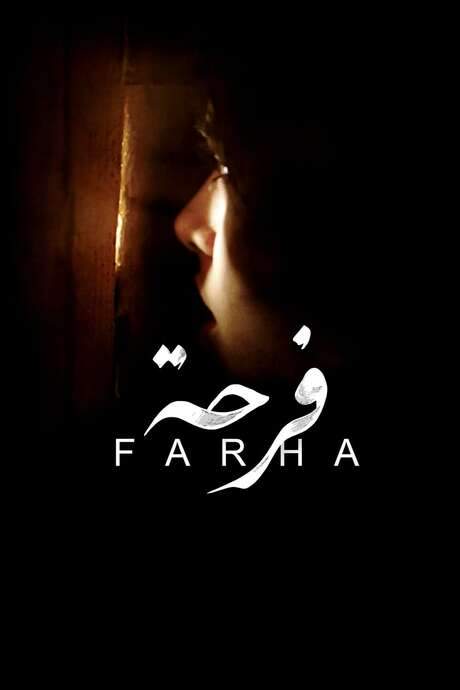
In 1948 Palestine, as the British withdraw and tensions escalate between Arabs and Jews, Farha, the intelligent daughter of the village mayor, anticipates a brighter future. She dreams of pursuing her education in a larger city, remaining blissfully unaware of the impending tragedy that will soon engulf her community and forever alter the course of her life.


Does Farha have end credit scenes?
No!
Farha does not have end credit scenes. You can leave when the credits roll.
Where to Watch Farha
See current US streaming, rental, and purchase options for Farha (2021) via JustWatch.








Meet the Full Cast and Actors of Farha
Explore the complete cast of Farha, including both lead and supporting actors. Learn who plays each character, discover their past roles and achievements, and find out what makes this ensemble cast stand out in the world of film and television.

Sameera Asir
Myassar (Um Mohammad)

Ali Suliman
Abu Walid
Majd Eid
Saleh (Abu Mohammad)
Nael Kanj
Al-Sheikh
Leanne Kathuda
Farida's Mother
Karam Taher
Farha
Tala Gammoh
Farida
Ashraf Barhom
Abu Farha
Tulin Al Quran
Abu Mohammad's Daughter #1
Lamar Al Quran
Abu Mohammad's Daughter #2
Firas W. Taybeh
Farida's Father
Samuel Kaczorowski
Commander
Batoul Ibrahim
Female Soldier
Joseph Shamoun
Soldier #1
Sultan Alkhail
Young Soldier
Jamal Bakir
Soldier #2
Adam Alawneh
Farida's Younger Brother
Hind Al-Hamed
Sameeha
A'sem Khazali
Nasser's Father
Sief Ghanem
Nasser
Salma Fakhoury
Soad
Shahd Fakhoury
Girl #1
Masa Jardaneh
Girl #4
Qais Harb
Young Fighter
Lujain Yaish
Girl #2
Mira Abu Jafar
Girl #3
Nader Rashed
Fighter #1
Mostafa Baker
Abu Nimer
Awni Alawneh
Boy #1
Yousef Abu Dawoud
Boy #3
Zaher Jardaneh
Boy #2
Hamzeh Mufleh
Boy #4
Mohammad Abu Jaafar
Boy #5
Mustafa Mohammad
Boy #6
Sami Rashed
Man at Shop
External Links and Streaming Options
Discover where to watch Farha online, including streaming platforms, rental options, and official sources. Compare reviews, ratings, and in-depth movie information across sites like IMDb, TMDb, Wikipedia or Rotten Tomatoes.







Ratings and Reviews for Farha
See how Farha is rated across major platforms like IMDb, Metacritic, and TMDb. Compare audience scores and critic reviews to understand where Farha stands among top-rated movies in its genre.

The Movie Echo Score
Farha delivers a compelling portrayal of civilian suffering during the Nakba through disciplined direction and evocative storytelling. The film’s visual restraint combined with a child’s perspective intensifies the emotional resonance, while its factual grounding sustains credibility. Critics and audiences alike commend its insightful focus on personal loss amid conflict, though its stark realism may limit casual rewatchability. Overall, the work stands as a poignant, well‑crafted account that effectively informs and moves viewers.
The Movie Echo Score Breakdown for Farha

Art & Craft
Direction and visual composition form the backbone of Farha’s artistic achievement. The restrained cinematography employs muted palettes and deliberate framing to convey claustrophobic tension within confined settings. Production design authentically recreates period interiors, while editing maintains a measured pace that underscores narrative focus. Collectively these elements reflect a disciplined craft that enhances the film’s thematic gravity.

Character & Emotion
When assessing character work, the film prioritizes nuanced performances that convey profound emotional weight. The young protagonist’s restrained expressions reveal inner trauma without melodrama, and supporting roles reinforce collective grief through subtle interactions. Chemistry among the cast remains authentic, allowing viewers to empathize with individual suffering. This focus on depth cultivates a resonant human connection throughout the narrative.

Story & Flow
The narrative structure centers on a singular incident that expands into broader commentary on wartime civilian impact. Plot progression follows the child’s perspective, delivering measured pacing that balances tension and reflection. While the story eschews conventional melodrama, its focused scope and factual grounding provide originality and sustained engagement. This coherent approach underpins the film’s persuasive conveyance of historical tragedy.

Sensory Experience
In terms of sensory experience, the film employs a restrained sound design that foregrounds ambient noises, enhancing the sense of immediacy. The musical underscoring remains sparse, allowing diegetic sounds to dominate the auditory field. Visual style relies on muted color grading and tight framing to evoke claustrophobia within confined interiors. Together these choices create an immersive atmosphere that supports the narrative’s stark realism.

Rewatch Factor
The film’s rewatch factor derives from its informational depth and emotional resonance rather than conventional entertainment value. Viewers seeking a deeper understanding of the Nakba may return to examine nuanced details and fact‑based representations. Although the intense subject matter may discourage repeat viewings for some, its compelling storytelling and authentic perspective encourage revisiting for educational and reflective purposes. Thus, it offers substantive value on subsequent viewings.
Full Plot Summary and Ending Explained for Farha
Read the complete plot summary of Farha, including all major events, twists, and the full ending explained in detail. Explore key characters, themes, hidden meanings, and everything you need to understand the story from beginning to end.
Farha is a 14-year-old Palestinian girl who dreams of education in the city, a goal she pursues alongside her best friend, Farida. While Farida supports the idea, Farha’s father, Abu Farha, prefers tradition and envisions an arranged marriage for her. Her uncle, Abu Walid, pushes him to reconsider Farha’s request, hinting at a path that could someday take her beyond the village—but the pressure between duty and desire remains constant.
On a night in 1948, a group of local militias visits the village’s chief to enlist his aid against the Nakba. He refuses, choosing to protect his people instead, and the mood shifts from fragile celebration to imminent danger. Amid this tension, life seems to pause—yet it accelerates toward a fateful turn once Farha’s friend’s wedding is underway. During the celebrations, Abu Farha indicates that he has agreed to support Farha’s dream of education. But as Zionist militias descend and orders to evacuate ripple through the streets, the family’s fragile safety net collapses.
As villagers scramble to leave, Abu Farha supports an exodus that includes Farha and Farida hopping into a car. In a difficult decision, he chooses to stay behind and entrusts Um Mohammad with looking after Farha, even though Farha herself is determined to stay with her father and continue her fight for a future beyond her village. The moment is heavy with filial duty and fear, underscoring the sacrifices that accompany war.
Back at home, Abu Farha arms himself, locks Farha inside a storeroom to keep her safe, and promises to fetch her when the danger passes. Farha awaits news from her father, listening for the sounds of warfare and peering through a small opening that affords a grim view of the courtyard outside. The days blur together as she grapples with the fear of being discovered and the ache of separation from the world she longs to join.
A Palestinian family—Abu Mohammad and Um Mohammad—enters the courtyard with their two young children, and the mother gives birth to a baby boy. Farha, caged and curious, pleads to be allowed out, but the moment is interrupted by the invading militia’s demand for surrender. The intruders search the house for weapons, and the family is found hiding. The infant is left vulnerable as the commander orders the newborn to be killed; a young soldier hesitates, covering the baby with a towel instead of delivering a killing blow, but the infant dies on the courtyard floor.
From inside, Farha struggles to reach the newborn, her heart tight with both hope and horror. She scavenges the pantry and discovers a hidden pistol, using it to shoot the door lock and seize a chance at escape. In this escape, Farha reveals another, deeper truth: her given name is not the one she has carried outward—she is known by the name Farha, but her real name is Raddiyah.
The fate of her father remains unknown, likely lost to the Nakba, leaving Farha to face a long, uncertain journey on her own. Her path eventually leads her to Syria, where she tells the story of what happened, a tale that has endured and been handed down through generations. This is a story of courage, of choices made under pressure, and of a young girl who finds a way to survive and preserve her family’s history, even as the world around her changes forever.

Coming soon on iOS and Android
The Plot Explained Mobile App
From blockbusters to hidden gems — dive into movie stories anytime, anywhere. Save your favorites, discover plots faster, and never miss a twist again.
Sign up to be the first to know when we launch. Your email stays private — always.
Explore the mobile appWatch Trailers, Clips & Behind-the-Scenes for Farha
Watch official trailers, exclusive clips, cast interviews, and behind-the-scenes footage from Farha. Dive deeper into the making of the film, its standout moments, and key production insights.
Farha Themes and Keywords
Discover the central themes, ideas, and keywords that define the movie’s story, tone, and message. Analyze the film’s deeper meanings, genre influences, and recurring concepts.
Farha Other Names and Titles
Explore the various alternative titles, translations, and other names used for Farha across different regions and languages. Understand how the film is marketed and recognized worldwide.
Similar Movies To Farha You Should Know About
Browse a curated list of movies similar in genre, tone, characters, or story structure. Discover new titles like the one you're watching, perfect for fans of related plots, vibes, or cinematic styles.










Quick Links: Summary, Cast, Ratings, More

What's After the Movie?
Not sure whether to stay after the credits? Find out!
Check out our other apps:

SAT Sphere
Build confidence for the Digital SAT.

Mori Atlas
Discover wild places worth protecting.

Luntero
Search smarter for a home in Amsterdam.

Plot Explained
Unravel movie endings and hidden clues.

Pokechamp
Dive into Pokémon data and battle logic.

Driving Theory
Get ready for your European theory test.

Movie Dust
Plan your next cinema trip with ease.

Musemap
Find art and culture as you travel.

Selkobase
Compare credentials before committing.

Local Manual
Turn an unfamiliar country into practical next steps.

Lernavi
Compare school systems before your next move.

GymRoam
Find a workout stop wherever your plans take you.
Explore Our Movie Platform
New Movie Releases (2026)
Famous Movie Actors
Top Film Production Studios
Movie Plot Summaries & Endings
Major Movie Awards & Winners
Best Concert Films & Music Documentaries
Movie Collections and Curated Lists
© 2026 What's After the Movie. All rights reserved.
Privacy Policy