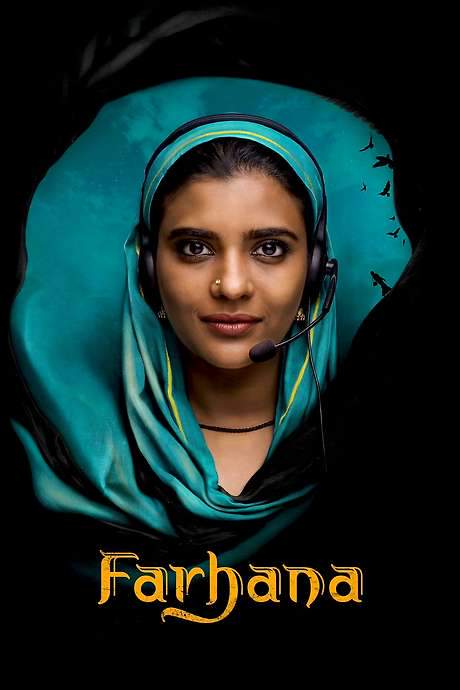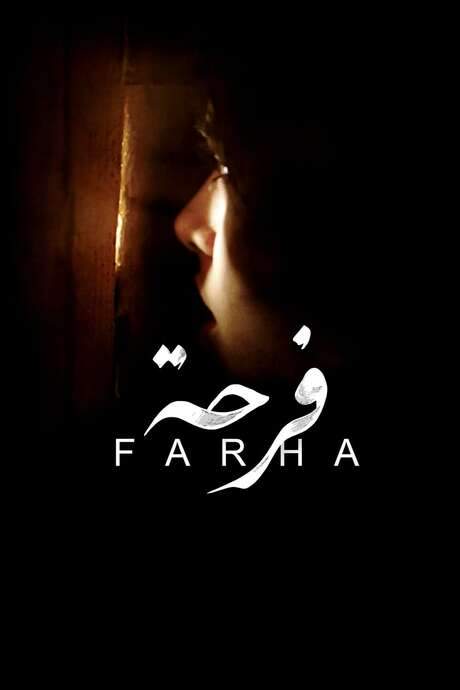
What Is Farha About?
The premise of Farha in 306 words, with nothing given away. The full story follows below.
In the waning days of the British Mandate, a quiet Palestinian village teeters on the edge of an uncertain future. The landscape is a patchwork of olive groves and stone houses, humming with the ordinary rhythms of daily life while the echo of a departing empire and rising communal tension hangs in the air. Against this backdrop, the story follows a young woman whose imagination stretches far beyond the narrow lanes of her home.
At the heart of the tale is Farha, a bright‑eyed daughter of the village mayor. She is driven by a fierce love of learning and a yearning to leave the confines of her hometown for the bustling streets of a larger city. Her best friend, Farida, shares her curiosity and offers steadfast encouragement, while her father, Abu Farha, clings to tradition, envisioning an arranged marriage that would keep her rooted in familiar customs. Meanwhile, her uncle, Abu Walid, hints at the possibility of a different path, creating a subtle tug‑of‑war between duty and aspiration.
The community itself feels like a fragile tapestry, stitched together by shared histories and the looming specter of change. As the British troops withdraw, the delicate balance between Arab and Jewish neighbors becomes increasingly precarious, casting a subtle but pervasive tension over the villagers’ celebrations and everyday conversations. This atmosphere of quiet anticipation infuses the film with a bittersweet lyricism, where hope flickers beside the encroaching uncertainty.
Through Farha’s eyes, the audience experiences the paradox of youthful optimism set against a world on the brink of transformation. Her internal struggle—to honor family expectations while daring to imagine a new life—captures the universal quest for agency in times of upheaval. The film invites viewers to linger in that charged pause, feeling both the weight of history and the pulse of a girl’s unquenchable desire to shape her own destiny.
What Happens in Farha?
The complete story of Farha, from the first scene to the last, in 560 words (about 2 minutes). Spoilers throughout. Names in the text link to 6 cast member pages.
Spoilers ahead
Farha is a 14-year-old Palestinian girl who dreams of education in the city, a goal she pursues alongside her best friend, Farida. While Farida supports the idea, Farha’s father, Abu Farha, prefers tradition and envisions an arranged marriage for her. Her uncle, Abu Walid, pushes him to reconsider Farha’s request, hinting at a path that could someday take her beyond the village—but the pressure between duty and desire remains constant.
On a night in 1948, a group of local militias visits the village’s chief to enlist his aid against the Nakba. He refuses, choosing to protect his people instead, and the mood shifts from fragile celebration to imminent danger. Amid this tension, life seems to pause—yet it accelerates toward a fateful turn once Farha’s friend’s wedding is underway. During the celebrations, Abu Farha indicates that he has agreed to support Farha’s dream of education. But as Zionist militias descend and orders to evacuate ripple through the streets, the family’s fragile safety net collapses.
As villagers scramble to leave, Abu Farha supports an exodus that includes Farha and Farida hopping into a car. In a difficult decision, he chooses to stay behind and entrusts Um Mohammad with looking after Farha, even though Farha herself is determined to stay with her father and continue her fight for a future beyond her village. The moment is heavy with filial duty and fear, underscoring the sacrifices that accompany war.
Back at home, Abu Farha arms himself, locks Farha inside a storeroom to keep her safe, and promises to fetch her when the danger passes. Farha awaits news from her father, listening for the sounds of warfare and peering through a small opening that affords a grim view of the courtyard outside. The days blur together as she grapples with the fear of being discovered and the ache of separation from the world she longs to join.
A Palestinian family—Abu Mohammad and Um Mohammad—enters the courtyard with their two young children, and the mother gives birth to a baby boy. Farha, caged and curious, pleads to be allowed out, but the moment is interrupted by the invading militia’s demand for surrender. The intruders search the house for weapons, and the family is found hiding. The infant is left vulnerable as the commander orders the newborn to be killed; a young soldier hesitates, covering the baby with a towel instead of delivering a killing blow, but the infant dies on the courtyard floor.
From inside, Farha struggles to reach the newborn, her heart tight with both hope and horror. She scavenges the pantry and discovers a hidden pistol, using it to shoot the door lock and seize a chance at escape. In this escape, Farha reveals another, deeper truth: her given name is not the one she has carried outward—she is known by the name Farha, but her real name is Raddiyah.
The fate of her father remains unknown, likely lost to the Nakba, leaving Farha to face a long, uncertain journey on her own. Her path eventually leads her to Syria, where she tells the story of what happened, a tale that has endured and been handed down through generations. This is a story of courage, of choices made under pressure, and of a young girl who finds a way to survive and preserve her family’s history, even as the world around her changes forever.
Farha Timeline: Every Key Event in Order
14 key events in the order they happen, from “Farha's dream of education” to “Legacy of Farha's story”. 14 events name a place, across 12 locations.
- 1
Farha's dream of education
Farha, a 14-year-old Palestinian girl, longs to study in the city, a dream that clashes with her father Abu Farha's plan for an arranged marriage. Her uncle Abu Walid urges Abu Farha to consider her request, setting up a tension between education and tradition. The scene establishes the family dynamic and Farha's determination to change her fate in the coming events.
When:1948, before the Nakba Where:Palestinian village
- 2
Militia visit and father's refusal
That night, local militias visit the village chief and demand that he join their fight against the Nakba. Abu Farha refuses to take sides, prioritizing the safety and welfare of his village over warring factions. The confrontation foreshadows the violence that will soon engulf the village.
When:Night, 1948 Where:Village
- 3
Wedding day news
During the wedding of Farha's friend, news arrives that Abu Farha has accepted Farha's education request. The family celebrates the potential for a different future even as the atmosphere remains tense. This moment marks a tentative pivot toward hope amid looming conflict.
When:During the wedding, 1948 Where:Village
- 4
Attack and evacuation begins
Zionist militias attack the village and order an evacuation. Abu Farha helps Farha and Farida into his car, attempting to evacuate them to safety. The decision to leave behind the village and loved ones underscores the chaos of the Nakba.
When:During the attack, 1948 Where:Village streets
- 5
Father stays behind; Farha sheltered
Abu Farha decides to stay behind to defend the village and entrusts Farha's care to a relative. Farha tries to join her father, but he brings her back home, arms himself, and locks her in a storeroom to keep her hidden.
When:1948, during the evacuation Where:Farha's home
- 6
Hidden life in the storeroom
For days, Farha waits in the storeroom, hearing the sounds of warfare through a small hole facing the courtyard. She survives on silence and fear, gradually learning to read the world outside through the sounds she hears. The isolation becomes a crucible for her resolve.
When:Days after the evacuation, 1948 Where:Farha's home storeroom
- 7
Birth in the courtyard
A Palestinian family, Abu Mohammad and Um Mohammad with two children, enters the courtyard; the mother gives birth to a baby boy. Farha pleads to be let out, but danger looms as militiamen demand surrender. The delivery scene heightens the tragedy unfolding in the household.
When:During 1948 events Where:Courtyard
- 8
The informant and the collaborator
A hooded informant working for the Haganah reveals to the commander that Abu Mohammad is from a different village, guiding the search of the house for guns. The informant's presence introduces tension and a moral crisis, as he whispers Farha's name and realizes the collaborator is Farha's uncle.
When:During the attack, 1948 Where:House interior
- 9
The newborn's death and moral crisis
The commander orders the newborn to be executed. The young soldier cannot bring himself to kill the infant and covers him with a towel, leaving him to die on the courtyard floor. The informant wrestles with the conflict between his betrayal and the promise to spare women and children.
When:1948 Where:Courtyard
- 10
Farha's escape plan
Farha struggles to reach the door and escapes the village by finding a hidden pistol in the pantry and using it to shoot the door lock. Her daring escape marks the turning point from confinement to a perilous journey.
When:Immediately after the infant's death, 1948 Where:Village home
Show the other 4 events of Farha Hide the last 4 events
- 11
Identity revealed
Farha's true name is revealed to be Raddiyah; the revelation underscores the loss of identity and the personal cost of the Nakba. She escapes and begins to relocate, leaving behind her old life.
When:Post-escape, 1948 Where:On the run from the village
- 12
Father's fate uncertain
Farha never finds her father; his fate remains unknown, likely killed during the Nakba. The uncertainty highlights the human cost of the conflict and the fragmentation of families.
When:1948 Where:Unknown (village)
- 13
Journey to Syria
Farha eventually makes her way to Syria and shares her story, which is preserved and passed down through generations.
When:After 1948 Where:Syria
- 14
Legacy of Farha's story
Her testimony becomes a legacy, reflecting the experiences of Farha and her community during the Nakba, and continuing to resonate with future generations.
When:Post-1948 Where:Diaspora (Syria and beyond)
Who Are the Main Characters in Farha?
7 characters, among them Farha (Raddiyah), Um Mohammad (Myassar) and Abu Walid (Ali Suliman): who each one is and the part they play in the story. 6 of them link to the actor’s page.
- F(
Farha (Raddiyah)
A 14-year-old girl who dreams of education and a life beyond arranged marriage. She is curious, resourceful, and determined, showing courage under pressure while navigating strict gender expectations.
- 🎯 Determined
- 👧 Teenage
- 🕊️ Courage
- UM
Um Mohammad (Myassar)
Played by Sameera Asir
The mother in Abu Walid and Abu Farha's village family. Her presence underscores the domestic dimension of the conflict, and she endures the danger surrounding a newborn and the family’s fate.
- 👪 Family
- 🕊️ Maternal
- 🏃♀️ Endurance
-
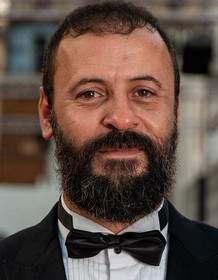
Abu Walid (Ali Suliman)
Played by Ali Suliman
The uncle who pushes for Farha’s education and embodies a cautious, protective approach to family decisions amid the chaos. He balances tradition with the young girl’s aspirations.
- 🧭 Family-first
- 🛡️ Protector
- AF
Abu Farha (Ashraf Barhom)
Played by Ashraf Barhom
The village chief and mayor who prioritizes his community’s safety. He initially approves Farha’s educational pursuit but must face harsh realities as the city comes under attack.
- 🧭 Leader
- 🛡️ Protector
- F(
Farida (Tala Gammoh)
Played by Tala Gammoh
Farha’s best friend, excited about marriage and city life. She represents the pull of traditional expectations and serves as a counterpoint to Farha’s ambitions.
- 🎀 Friend
- 🌆 Dreams
- S(
Saleh (Abu Mohammad) (Majd Eid)
Played by Majd Eid
A member of Abu Mohammad’s family; the narrative notes his presence in the courtyard during the events. His fate highlights the household’s tragedy when the family is attacked.
- 👨👩👧 Family
- 💔 Tragedy
- C(
Commander (Samuel Kaczorowski)
Played by Samuel Kaczorowski
The Haganah commander who orders the village to surrender and leads the raid that exposes the family. He embodies the external threat and the harsh moral choices of occupation.
- 🎖️ Authority
- ⚔️ War
Where and When Is Farha Set?
Farha is set in Palestinian village and Syria (1948). Here is why the time and place matter to the story.
When
1948
The events take place in 1948, during the Nakba when Zionist militias attacked Palestinian communities. The period is marked by sudden displacement, fear, and improvisation as families try to survive amid the chaos.
Where
Palestinian village, Syria
The story unfolds in a Palestinian village during the 1948 Nakba, a close-knit community where family ties and local leadership shape daily life. The village is depicted as a place of tradition and collective responsibility, until violence and evacuation forces families to flee. Later, Farha's journey takes her from the village to Syria, marking a dramatic shift in place and circumstance.
- 🏘️ Village
- 🌍 Palestine
- 🗺️ Evacuation
What Are the Themes of Farha?
3 ideas the story keeps returning to, among them Displacement, Courage and Memory.
-
01
Displacement
The film centers on the mass evacuation and loss of home as militias order villages to evacuate and families attempt to hide and adapt. Farha and others must navigate sudden upheaval, scarce resources, and the moral choices forced by occupation. The narrative shows how displacement fragments communities and reshapes aims for education and security.
-
02
Courage
Farha embodies resilience, choosing defiance over submission when hidden away, then arming herself with a pistol to escape. The characters confront danger with small acts of bravery, from resisting the lock to helping others in peril. The film highlights the cost of courage in a world where safety is scarce and fear is constant.
-
03
Memory
Farha's story travels beyond the village to Syria, preserving the memory of what happened and passing it down through generations. The film treats memory as a responsibility to honor those lost and to remind future generations of the price of conflict. It frames personal survival within a larger historical trauma.
What Kind of Film Is Farha?
Bleak in tone, with variable pacing and a straightforward story, going by the plot summary.
- Tone
- Bleak
- Pacing
- Variable
- Story
- Straightforward
- Intensity
- High
- Ending
- Bleak
A harrowing and tense historical drama that traps the viewer in a claustrophobic perspective of war, chronicling a young girl's traumatic loss of innocence amidst the brutal violence of the Nakba.
- claustrophobic
- anxious
- traumatic
- desperate
- somber
- tense
- war survival
- coming of age
- historical trauma
- family separation
Content notes: war violence, execution of civilians, child endangerment, traumatic birth scene, infant death.
Quiz
How well do you remember Farha? Test yourself on the story.
Where to Watch Farha
Stream it on Fandango at Home Free and The Roku Channel, or rent or buy it from Amazon Video and Apple TV Store. US availability and prices from JustWatch.
 Fandango at Home Free
  The Roku Channel
  Tubi TV



Streaming availability in the US, powered by