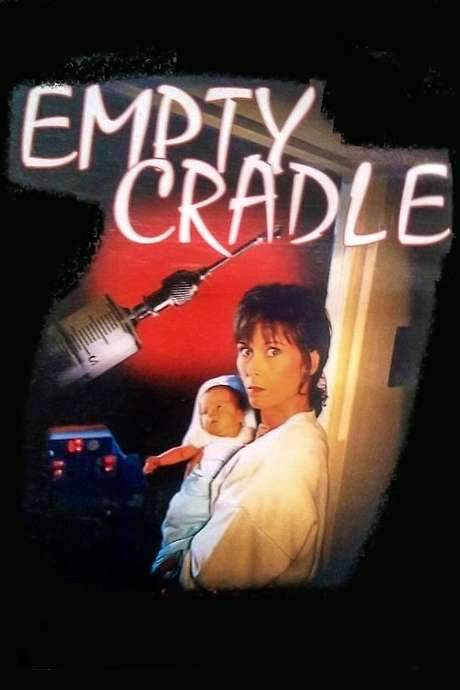
After giving birth, Jane Morgan is told her newborn son died, though an earlier ultrasound confirmed she was expecting a girl. Hospital staff dismiss her grief as denial, so she investigates and discovers Nurse Rita Donohue swapped the babies. Rita had faked a pregnancy to keep her boyfriend, who wanted a son, and now schemes another deception.
Does Empty Cradle have end credit scenes?
No!
Empty Cradle does not have end credit scenes. You can leave when the credits roll.
Explore the complete cast of Empty Cradle, including both lead and supporting actors. Learn who plays each character, discover their past roles and achievements, and find out what makes this ensemble cast stand out in the world of film and television.

David Lansbury
Bob Morgan

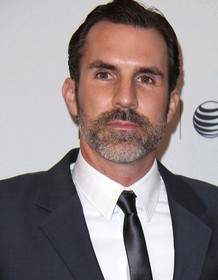
Paul Schneider

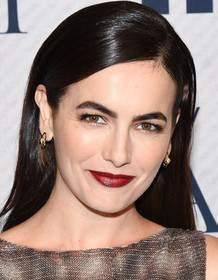
Camilla Belle
Sally

Lori Loughlin
Jane Morgan

Jonah Blechman
Patrick

Eriq La Salle
Detective Knoll

Kate Jackson
Rita Donohue

Michelle Joyner
Sharon

Penny Johnson Jerald
Gail Huddle

Karmin Murcelo
Nurse Ramsey

Skye Bassett
Nancy

Wendy Bowers
Donna

Sally Hightower
Ms. Green

Peter Crook

Zachary Browne
Sam
Discover where to watch Empty Cradle online, including streaming platforms, rental options, and official sources. Compare reviews, ratings, and in-depth movie information across sites like IMDb, TMDb, Wikipedia or Rotten Tomatoes.
Challenge your knowledge of Empty Cradle with this fun and interactive movie quiz. Test yourself on key plot points, iconic characters, hidden details, and memorable moments to see how well you really know the film.
Who plays the mother, Jane Morgan, in the film?
Lori Loughlin
Sandra Bullock
Meg Ryan
Jodie Foster
Show hint
Read the complete plot summary of Empty Cradle, including all major events, twists, and the full ending explained in detail. Explore key characters, themes, hidden meanings, and everything you need to understand the story from beginning to end.
In this tense, character-driven thriller, a mother’s fight to reclaim a lost child unfolds as a calculated web of lies, betrayals, and a hospital mystery that her closest allies refuse to believe at first. Lori Loughlin’s Jane Morgan is a devoted mother to Sally and Sam, with a third child on the way, and a man named Bob Morgan who remains desperate to win back his wife. The family’s fragile balance is upended when Jane goes into labor a few days past her due date, and an unsettling sequence of events begins to pull at the seams of every relationship around her. As the due date nears, the tension tightens: what should be a joyful moment becomes a dangerous pivot point that reveals who can be trusted and who is willing to do anything to get what they want.
Rita Donohue, a nurse whose calm veneer masks a dangerous fixation, steps into the story with a veneer of professional care that quickly turns sinister. The moment Jane regains consciousness after being sedated, the hospital’s story changes in a way that seems almost scripted. The doctor’s words paint a grim picture—Jane is told her baby was stillborn, and that she may have contributed to the tragedy through drug use. In truth, Rita, with the loopholes of hospital procedure and a plan years in the making, has swapped babies and rewritten records to manufacture a catastrophe that serves her own purposes. Rita’s manipulation is chillingly precise, and she relies on the loyalty of those around her to keep the illusion intact. The nurse’s disturbing acts in the hours after the delivery set the stage for a chilling chase that intertwines birth, loss, and a private feud that spirals beyond a single family.
Rita’s scheme is advanced by her teenage son Patrick, whose complicity deepens the sense that danger can hide in plain sight. The pair’s plan extends far beyond a single deception: Rita has staged a pregnancy under an alias, Elaine Crisp, so she can model a perfect family image and lure a still-growing appetite for control. The danger escalates when Rita encounters a pregnant woman who could expose her true identity; instead of surrendering the truth, she takes a drastic step, guiding events toward a brutal act that shifts the balance of power in a house full of people who think they know what is real. The resulting chain of events is a web of crimes and misdirections that makes every recollection suspect and every memory feel uncertain.
Meanwhile, Jane senses that something is terribly wrong with the official account of her baby’s birth. She faces skepticism and pressure from relatives and her best friend Sharon, who dismiss her concerns as addiction or depression rather than truth. Yet Jane’s instincts persist, and she begins to piece together the fragments of her memory from labor and the moments that followed. She discovers a trail of inconsistencies in the hospital records, and a link to a nurse who was present during the earlier stages of her labor—a vague thread that could lead to a breakthrough if she can hold onto it long enough. The journey to truth is not simple; it is interrupted by the social pressures of those who doubt her and by the fear that her own husband and family may never hear the real story at all.
To fight for her daughter, Jane enlists legal help from Gail Huddle, a determined attorney whose reputation for chasing justice is tested by missing records and the hospital’s stubborn defense. Penny Johnson Jerald’s Gail Huddle becomes a steady beacon in the storm, translating Jane’s fear into a courtroom strategy and a hope that the truth can still prevail. The case becomes more than a civil fight over a medical mistake; it is a testament to a mother’s resolve to recover her child and to expose a pattern of deceit that could put other families at risk. The courtroom drama unfolds alongside the quiet, relentless pursuit of answers by the detective on the case.
Detective Knoll, portrayed with gravity by Eriq La Salle, enters the investigation with a steady insistence on asking hard questions even when those questions expose uncomfortable possibilities. His method—methodical, patient, and unafraid of challenging the hospital’s version of events—drives the narrative toward a moment of reckoning. He contends with Rita’s attempts to deceive him through a carefully crafted alibi and a web of indirect leads, all while trying to verify the most basic facts: where Jane’s baby actually is, who has custody of the child, and whether the hospital’s records have truly vanished. The tension intensifies as Knoll narrows his focus to the real offender and the motive behind the well-orchestrated ruse.
In the climactic sequence, the truth about the missing baby and Rita’s broader scheme comes to light, and Knoll is able to locate Jane, reuniting her with a daughter she thought she had lost forever. The emotional resonance of this moment is tempered by the somber lessons of manipulation and the costs borne by everyone who believed in the version of events that was finally revealed to be false. The film’s resolution emphasizes that memory, justice, and healing can take different shapes, but only when confronted with unflinching truth.
The story behind this dramatic tale adds another layer of context: the film is based on the non-fiction book Masking Evil by Carol Anne Davis, which frames the events in a broader real-world context and invites viewers to consider the lasting impact of deception within a family and a community. This grounding in a true case deepens the emotional resonance of the characters’ experiences and offers a sober reminder that the most perilous shadows can hide in the most ordinary places.
As the credits roll, the audience is left with a clear sense of closure and a sobering reminder: what looks like a straightforward tragedy can conceal a complex chain of choices, and the road back to truth can be as perilous as the road to harm. The film navigates these complexities with a careful balance of suspense, human emotion, and a commitment to portraying every character with nuance, ensuring that the story remains both accessible and thought-provoking.
Uncover the Details: Timeline, Characters, Themes, and Beyond!

Coming soon on iOS and Android
From blockbusters to hidden gems — dive into movie stories anytime, anywhere. Save your favorites, discover plots faster, and never miss a twist again.
Sign up to be the first to know when we launch. Your email stays private — always.
Immerse yourself in the magic of cinema with live orchestral performances of your favorite film scores. From sweeping Hollywood blockbusters and animated classics to epic fantasy soundtracks, our curated listings connect you to upcoming film music events worldwide.
Explore concert film screenings paired with full orchestra concerts, read detailed event information, and secure your tickets for unforgettable evenings celebrating legendary composers like John Williams, Hans Zimmer, and more.
Discover the central themes, ideas, and keywords that define the movie’s story, tone, and message. Analyze the film’s deeper meanings, genre influences, and recurring concepts.
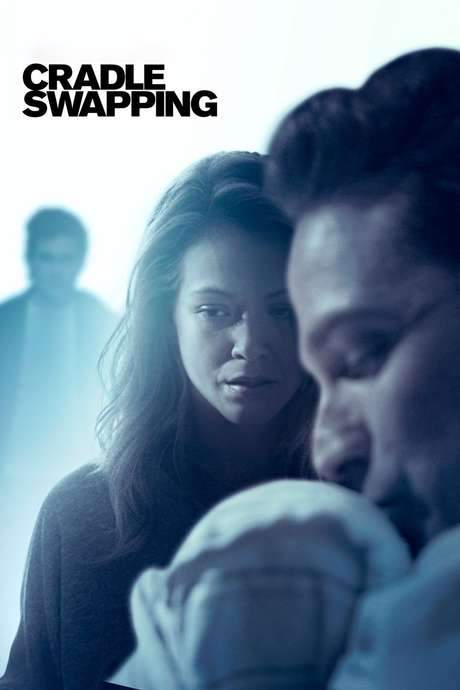
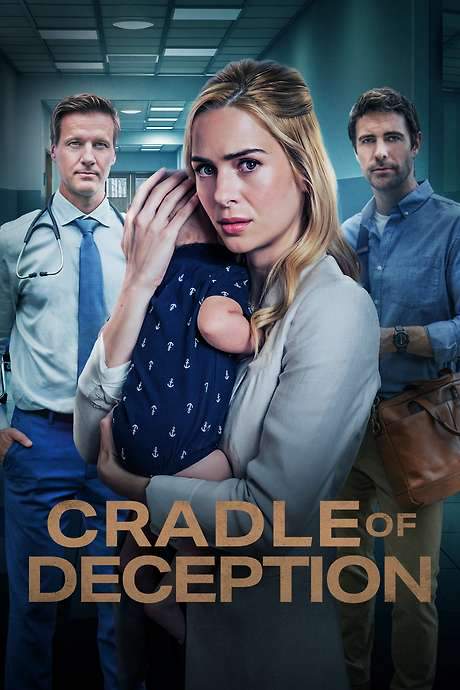
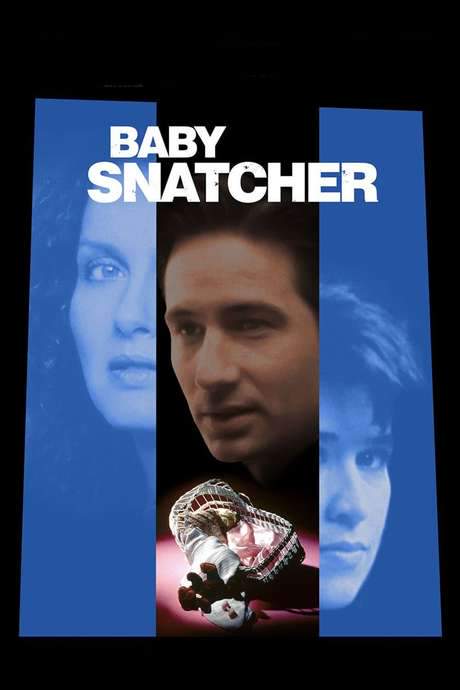
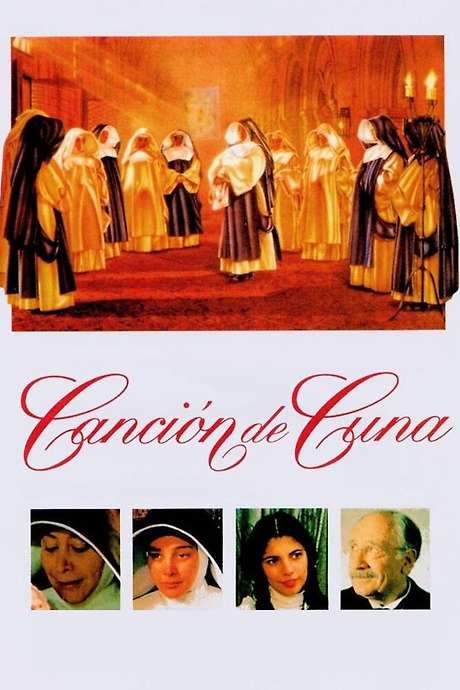
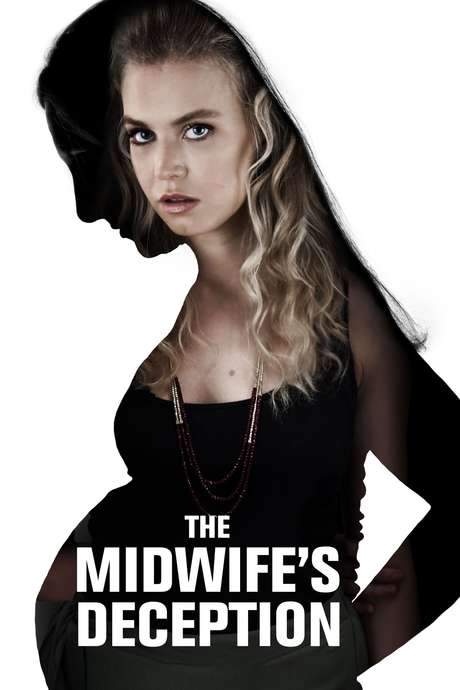
Explore the various alternative titles, translations, and other names used for Empty Cradle across different regions and languages. Understand how the film is marketed and recognized worldwide.
Browse a curated list of movies similar in genre, tone, characters, or story structure. Discover new titles like the one you're watching, perfect for fans of related plots, vibes, or cinematic styles.
What's After the Movie?
Not sure whether to stay after the credits? Find out!
Explore Our Movie Platform
New Movie Releases (2025)
Famous Movie Actors
Top Film Production Studios
Movie Plot Summaries & Endings
Major Movie Awards & Winners
Best Concert Films & Music Documentaries
Movie Collections and Curated Lists
© 2025 What's After the Movie. All rights reserved.