Elvis 2022


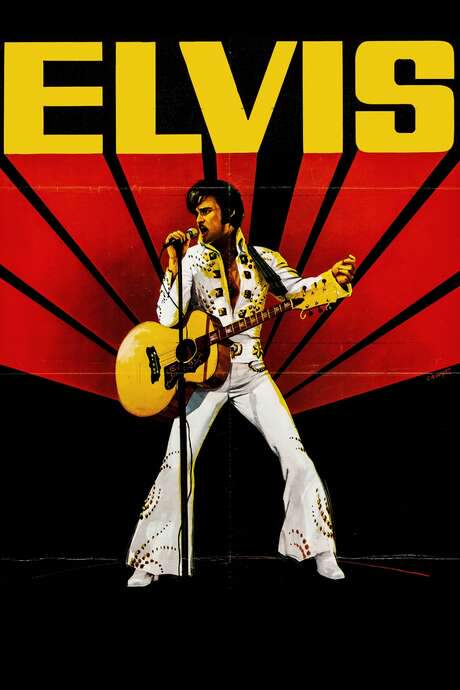
The film explores the complex and often turbulent relationship between iconic singer Elvis Presley and his manager, Colonel Tom Parker, spanning two decades. It examines the dynamic between Presley's creative talent and Parker's shrewd business acumen, set against the changing landscape of American culture. Priscilla Presley’s role is also portrayed, highlighting both the extraordinary highs of Elvis’s rise to fame and the personal sacrifices he made along the way.

Does Elvis have end credit scenes?
No!
Elvis does not have end credit scenes. You can leave when the credits roll.
Where to Watch Elvis
See current US streaming, rental, and purchase options for Elvis (2022) via JustWatch.








Meet the Full Cast and Actors of Elvis
Explore the complete cast of Elvis, including both lead and supporting actors. Learn who plays each character, discover their past roles and achievements, and find out what makes this ensemble cast stand out in the world of film and television.

Tom Hanks
Colonel Tom Parker

Kelvin Harrison Jr.
B.B. King

Kodi Smit-McPhee
Jimmie Rodgers Snow

Rufus Sewell

Luke Bracey
Jerry Schilling

Xavier Samuel
Scotty Moore

Olivia DeJonge
Priscilla

David Wenham
Hank Snow

Austin Robert Butler

Richard Roxburgh
Vernon
Alex Radu
Arthur Costa
Dacre Montgomery
Steve Binder
Elizabeth Cullen
Helen Thomson
Gladys
Kate Mulvany

Natasha Bassett
Dixie Locke
Yola
Sister Rosetta Tharpe
External Links and Streaming Options
Discover where to watch Elvis online, including streaming platforms, rental options, and official sources. Compare reviews, ratings, and in-depth movie information across sites like IMDb, TMDb, Wikipedia or Rotten Tomatoes.












Ratings and Reviews for Elvis
See how Elvis is rated across major platforms like IMDb, Metacritic, and TMDb. Compare audience scores and critic reviews to understand where Elvis stands among top-rated movies in its genre.

The Movie Echo Score
Elvis delivers a vibrant yet uneven biographical experience that polarizes viewers. Critics highlight Baz Luhrmann’s flamboyant direction and pastel‑laden production design, describing the film as both audacious and gaudy. Strong performances from Austin Butler and Tom Hanks provide emotional anchors, while the narrative jumps between glossy musical numbers and slower dramatic scenes. The soundtrack and visual flair energize the picture, but inconsistent pacing and occasional audio jolt weaken cohesion. Consequently, the film offers an engaging spectacle for fans but leaves mixed satisfaction overall.
The Movie Echo Score Breakdown for Elvis

Art & Craft
In terms of art and craft, Luhrmann employs a highly stylized visual palette that oscillates between pastel Formica sets and dazzling musical extravaganza. Critics note the film’s audacious production design and glossy cinematography, while some viewers cite an over‑reliance on surface flair. The result is a striking aesthetic that occasionally eclipses narrative substance.

Character & Emotion
When evaluating character and emotion, the film benefits from Austin Butler’s nuanced portrayal of Elvis and solid support from Tom Hanks. Reviewers highlight the actor’s ability to convey the singer’s charisma and inner turmoil, generating genuine audience resonance. Nevertheless, occasional tonal clashes diminish the overall emotional continuity.

Story & Flow
Regarding story and flow, the narrative stitches together iconic performances with episodic biographical vignettes, resulting in a fragmented structure. Critics and users alike point to pacing lapses during real‑life sequences and a lack of clear through‑line. While the film captures key moments, its overall coherence remains uneven.

Sensory Experience
In sensory experience, the soundtrack showcases Elvis’s catalog through dynamic arrangements that energize the film, and the sound design alternates between intimate whispers and bombastic crescendos. Visuals employ a fever‑dream color scheme that reinforces the period’s flamboyance. The combination creates an immersive atmosphere, though occasional audio extremes can distract.

Rewatch Factor
Assessing rewatch factor, the film’s high‑octane musical numbers and strong lead performance encourage repeat viewings for fans seeking nostalgia. However, the disjointed narrative and sensory excesses diminish long‑term appeal for broader audiences. Consequently, while dedicated admirers may return, the overall replay value is moderate.

64
Metascore
7.3
User Score


77%
TOMATOMETER

94%
User Score

7.3 /10
IMDb Rating

75
%
User Score

3.3
From 5.5K fan ratings

4.56/5
From 97 fan ratings
Take the Ultimate Elvis Movie Quiz
Challenge your knowledge of Elvis with this fun and interactive movie quiz. Test yourself on key plot points, iconic characters, hidden details, and memorable moments to see how well you really know the film.
Elvis: The King and His Colonel: Test your knowledge on the tumultuous life of Elvis Presley and the complexities of his relationship with Colonel Tom Parker.
What was the true identity of Colonel Tom Parker?
Awards & Nominations for Elvis
Discover all the awards and nominations received by Elvis, from Oscars to film festival honors. Learn how Elvis and its cast and crew have been recognized by critics and the industry alike.
Cinematography
Costume Design
Film Editing
Makeup and Hairstyling
Best Picture
Production Design
Sound
Best Casting
Best Cinematography
Best Costume Design
Best Editing
Best Make Up & Hair
Best Production Design
Best Sound
Best Picture
Best Editing
Best Costume Design
Best Production Design
Best Hair and Makeup
Best Motion Picture – Drama
Best Cinematography
Best Editing
Best Original Music Score
Best Sound
Best Production Design
Best Costume Design
Full Plot Summary and Ending Explained for Elvis
Read the complete plot summary of Elvis, including all major events, twists, and the full ending explained in detail. Explore key characters, themes, hidden meanings, and everything you need to understand the story from beginning to end.
On January 20, 1997, Colonel Tom Parker, played by Tom Hanks, finds himself on his deathbed following a stroke, plagued by a gambling addiction that has stripped him of nearly everything. As he reflects on his past, he recalls his early days with the future King of Rock and Roll, Elvis Presley, portrayed by Austin Butler.
Parker, who was unmasked as a fraud in 1973, had been siphoning 50% of Elvis’s earnings, manipulating the young star for his own gain. The narrative unfolds with Elvis’s impoverished upbringing in Mississippi, where he was raised by his caring mother Gladys (Helen Thomson). After his father was imprisoned for check fraud, Elvis relocated with his mother to a dilapidated neighborhood, where he sought refuge in the adventures of Captain Marvel Jr. and the power of music. His passion for African American musical styles, particularly from Memphis’s Beale Street, initially made him a target for ridicule.
In contrast, Parker considered himself a modern-day P.T. Barnum as he recognized Elvis’s potential after hearing his groundbreaking single, “That’s All Right.” This moment was a turning point, as Presley showcased a blend of white and black musical influences, captivating the audience with his electrifying performances. Parker, who was managing country singer Hank Snow (David Wenham), swiftly shifted gears to sign Presley, who soon became a sensation, drawing large crowds and engaging in tumultuous affairs.
Their partnership rapidly evolved when Parker persuaded Elvis to sever ties with Hank Snow and put faith in him for exclusive representation. He argued for a larger share of the earnings and urged Presley to switch to RCA for national distribution. As his fame skyrocketed, Elvis’s family joined the fray, transforming their operations into a family business, with his father Vernon (Richard Roxburgh) as the business manager.
However, not all public opinion embraced Elvis’s rise; critics expressed concern that his music might corrupt the youth and incite racial tensions. When Senator James Eastland ([Nicholas Bell]) summoned Parker for questioning, tensions heightened. Despite a disastrous attempt to perform without his signature moves, Elvis’s frustration with Parker grew, fueled further by B.B. King ([Kelvin Harrison Jr.]) urging him to take charge of his own career.
Faced with legal troubles from his provocative performances, Parker strategically enlisted Elvis in the US Army, hoping to sidestep potential complications. It is during this period that Elvis’s world crumbled with the death of his mother, compelling Parker to take on a pseudo-parental role. Their bond deepened, although it became increasingly exploitative.
After completing his service, Elvis reconnected with his future wife, Priscilla ([Olivia DeJonge]), and resumed his acting career, yet the cultural shifts of the 1960s, particularly the ascendance of the Beatles, began to overshadow him. Parker restricted Elvis’s music, focusing instead on trivial songs until Presley met Steve Binder ([Dacre Montgomery]), who offered him a platform for more meaningful expressions.
This turning point led to a monumental televised special where Elvis’s performance became a politically charged statement. Frustrated by corporate pressures and Parker’s manipulations, he continued to assert his artistic identity. Meanwhile, Parker’s financial difficulties started surfacing, revealing his identity as an illegal immigrant from the Netherlands with a checkered past.
The culmination of their tumultuous relationship was marked by a lucrative Las Vegas residency, fueled by Parker’s manipulative tactics that involved false death threats to control Elvis. As the years progressed, the weight of Elvis’s grueling performance schedule, compounded by his prescription drug use, strained his personal life and led to Priscilla’s heart-wrenching decision to leave him in 1973.
In a dramatic showdown, Presley eventually severed ties with Parker, realizing the depth of their toxic relationship despite Parker’s manipulative assurances. Despite the fallout, Parker continued to influence Elvis’s life from the shadows as he spiraled deeper into exhaustion.
Elvis’s final years were defined by his fear of being forgotten posthumously, making a poignant return to the stage to perform “Unchained Melody” before dying on August 16, 1977. In stark contrast, Parker passed away on January 21, 1997, abandoned and impoverished, while Presley’s legacy as one of the greatest musical icons endures, forever shaping the landscape of music. The manipulations, heartbreaking choices, and the profound bond between these two men laid the groundwork for one of the most tragic tales in show business history, with lawsuits exposing Parker’s financial exploitation of Elvis after his passing.

Coming soon on iOS and Android
The Plot Explained Mobile App
From blockbusters to hidden gems — dive into movie stories anytime, anywhere. Save your favorites, discover plots faster, and never miss a twist again.
Sign up to be the first to know when we launch. Your email stays private — always.
Explore the mobile appWatch Trailers, Clips & Behind-the-Scenes for Elvis
Watch official trailers, exclusive clips, cast interviews, and behind-the-scenes footage from Elvis. Dive deeper into the making of the film, its standout moments, and key production insights.
Cars Featured in Elvis
Explore all cars featured in Elvis, including their makes, models, scenes they appear in, and their significance to the plot. A must-read for car enthusiasts and movie buffs alike.
Elvis Themes and Keywords
Discover the central themes, ideas, and keywords that define the movie’s story, tone, and message. Analyze the film’s deeper meanings, genre influences, and recurring concepts.
Elvis Other Names and Titles
Explore the various alternative titles, translations, and other names used for Elvis across different regions and languages. Understand how the film is marketed and recognized worldwide.
Similar Movies To Elvis You Should Know About
Browse a curated list of movies similar in genre, tone, characters, or story structure. Discover new titles like the one you're watching, perfect for fans of related plots, vibes, or cinematic styles.







Quick Links: Summary, Cast, Ratings, More

What's After the Movie?
Not sure whether to stay after the credits? Find out!
Check out our other apps:

SAT Sphere
Build confidence for the Digital SAT.

Mori Atlas
Discover wild places worth protecting.

Luntero
Search smarter for a home in Amsterdam.

Plot Explained
Unravel movie endings and hidden clues.

Pokechamp
Dive into Pokémon data and battle logic.

Driving Theory
Get ready for your European theory test.

Movie Dust
Plan your next cinema trip with ease.

Musemap
Find art and culture as you travel.

Selkobase
Compare credentials before committing.

Local Manual
Turn an unfamiliar country into practical next steps.

Lernavi
Compare school systems before your next move.

GymRoam
Find a workout stop wherever your plans take you.
Explore Our Movie Platform
New Movie Releases (2026)
Famous Movie Actors
Top Film Production Studios
Movie Plot Summaries & Endings
Major Movie Awards & Winners
Best Concert Films & Music Documentaries
Movie Collections and Curated Lists
© 2026 What's After the Movie. All rights reserved.
Privacy Policy