Censor 2021


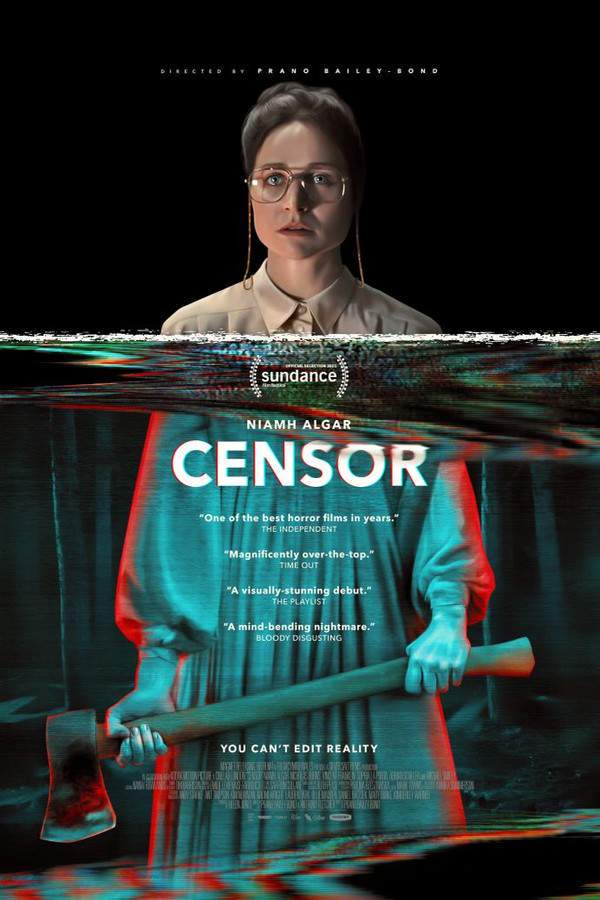
A film censor named Enid takes her duty seriously, protecting audiences from disturbing content. Haunted by the unresolved disappearance and presumed death of her sister, she becomes increasingly disturbed when a mysterious film surfaces. The movie triggers unsettling memories and forces Enid to confront a dark and troubled past, leading her down a dangerous path to uncover buried secrets and the truth about what happened to her sister.


Does Censor have end credit scenes?
No!
Censor does not have end credit scenes. You can leave when the credits roll.
Where to Watch Censor
See current US streaming, rental, and purchase options for Censor (2021) via JustWatch.

Amazon Prime Video
HD
Amazon Prime Video with Ads
HD
fuboTV
HD
Philo
HD
Hoopla
SD
Kanopy
HD
Fandango at Home Free
HD
Tubi TV
SD
Amazon Video
SD
Apple TV Store
HD Fandango At Home
SD
Google Play Movies
SD
YouTube
SD Streaming availability powered by 
Meet the Full Cast and Actors of Censor
Explore the complete cast of Censor, including both lead and supporting actors. Learn who plays each character, discover their past roles and achievements, and find out what makes this ensemble cast stand out in the world of film and television.





External Links and Streaming Options
Discover where to watch Censor online, including streaming platforms, rental options, and official sources. Compare reviews, ratings, and in-depth movie information across sites like IMDb, TMDb, Wikipedia or Rotten Tomatoes.











Ratings and Reviews for Censor
See how Censor is rated across major platforms like IMDb, Metacritic, and TMDb. Compare audience scores and critic reviews to understand where Censor stands among top-rated movies in its genre.

The Movie Echo Score
Censor offers a striking mix of retro horror motifs and psychological tension that largely engages its audience. Critics note its ambitious direction, inventive visual flair, and strong central performance, while some point to uneven pacing and occasional narrative opacity. User feedback mirrors this split, praising the 1980s aesthetic and atmospheric soundscape but citing moments of static storytelling. The film’s thematic depth and stylistic boldness contribute to a solid, if occasionally uneven, viewing experience.
The Movie Echo Score Breakdown for Censor

Art & Craft
Visually, Censor leans heavily into a saturated 1980s palette, employing neon hues and grainy textures that evoke period video nasties. The cinematography captures both claustrophobic interiors and eerie woodland scenes, while production design reinforces the era-specific aesthetic. Some reviewers note rough edges and low-budget constraints, yet the overall visual ambition remains effective.

Character & Emotion
The film’s emotional core rests on Niamh Algar’s nuanced portrayal of Enid, delivering a measured yet unsettling performance that anchors the narrative. Supporting actors contribute credible chemistry, though a few secondary characters appear underwritten, serving more as structural placeholders than fully realized figures. Overall, the acting ensemble provides sufficient depth to sustain audience investment.

Story & Flow
Censor constructs an ambitious premise that interrogates censorship and memory through a fragmented, psychogenic structure. The plot’s originality and thematic daring are evident, but the pacing swings between deliberate tension and sluggish exposition, leading some viewers to experience confusion during the middle act. While the climax offers thematic resolution, narrative ambiguity persists, rendering the story both intriguing and uneven.

Sensory Experience
The sensory landscape blends lo‑fi synth scores with cavernous ambient drones, reinforcing the film’s unsettling mood. Sound design punctuates key moments with subtle creaks and distant static, while the visual treatment—grainy footage, high‑contrast lighting, and period‑accurate set pieces—immerses viewers in a retro horror tableau. Though occasional low‑budget textures surface, the overall atmosphere remains consistently immersive.

Rewatch Factor
The film’s lingering thematic questions and unsettling imagery encourage repeat viewings, as new details emerge upon subsequent watches. Many users cite its thought‑provoking ending and strong atmospheric grip as reasons to revisit. However, the sluggish first act and occasional narrative opacity may diminish rewatch enthusiasm for some, resulting in a generally favorable but not universal rewatch appeal.

69
Metascore
6.0
User Score


89%
TOMATOMETER

56%
User Score

6.0 /10
IMDb Rating
58
%
User Score

3.2
From 78 fan ratings

1.80/5
From 5 fan ratings
Full Plot Summary and Ending Explained for Censor
Read the complete plot summary of Censor, including all major events, twists, and the full ending explained in detail. Explore key characters, themes, hidden meanings, and everything you need to understand the story from beginning to end.
In 1985, Enid Baines works for the British Board of Film Classification during the height of the video nasty controversy, a period when violent content was under intense scrutiny. Her colleagues nickname her “Little Miss Perfect” because of her unwavering stance on cutting or banning graphic material. During a family dinner, Enid’s parents discuss her sister Nina, who disappeared when they were children. Though Nina has since been legally declared dead, Enid clings to the belief that she might still be alive somewhere out there.
A brutal murder spree soon makes headlines when a man kills his wife and children, and a tabloid links the killings to a film Enid had rated months earlier, naming her as the censor who approved it. The accusation triggers a torrent of threatening and insulting phone calls that never seem to stop. Then a film producer named Doug Smart approaches her with a startling claim: veteran horror director Frederick North has personally requested she screen one of his old, banned works, Don’t Go in the Church. As she watches the film, Enid is struck by how its events echo her memories of Nina’s disappearance, blurring the line between memory and nightmare.
Driven to uncover the truth about North, Enid acquires a copy of one of his banned films. She notes that the lead, Alice Lee, bears a striking resemblance to her missing sister, fueling a growing fixation. Believing that Lee is, in some sense, Nina, Enid becomes consumed by a mission to find North and “save” her sister from the exploitation surrounding the film industry. Her search leads her to Smart, hoping to learn North’s whereabouts, but Smart offers a troubling mix of reassurance and manipulation. He tells her that North is planning a sequel to Don’t Go in the Church near his home, and he presses closer, giving her alcohol and creating an uncomfortable intimacy. Enid rejects Smart’s advance, and his reaction turns volatile; when she pushes him away, he trips and impales himself on a film award, dying before her eyes.
Determined to track North down, Enid steals his address from work and infiltrates the set of his latest project, where the crew mistake her for an actress. As the boundary between reality and fantasy grows increasingly unstable, Enid’s actions become dangerously distorted. She kills an actor named Charles with an axe, convinced he intends to hurt her presumed sister. In a final, chilling moment, she decapitates North. Alice — who insists she is not Enid’s sister — flees into the woods as Enid pleads for her to be the one: > “please be her.”
The narrative pivots to a moment of unsettling revelation: Enid envisions a joyous reunion with her sister Nina, and the two drive toward their parents’ home. Yet the dream fractures when a car radio report announces a society-wide ban on violent films, the eradication of crime, and the disappearance of unemployment, hinting at a world altered by censorship. The fantasy intrudes again, revealing that Enid has in fact kidnapped Alice, who begs for help from Enid’s parents as Enid smiles. The camera pulls away from a TV screen to show a VHS tape labeled Censor ejecting from a VCR, leaving viewers with a haunting sense that the truth of Nina’s fate and Enid’s psyche may be inseparable from the film that haunts them both.

Coming soon on iOS and Android
The Plot Explained Mobile App
From blockbusters to hidden gems — dive into movie stories anytime, anywhere. Save your favorites, discover plots faster, and never miss a twist again.
Sign up to be the first to know when we launch. Your email stays private — always.
Explore the mobile appWatch Trailers, Clips & Behind-the-Scenes for Censor
Watch official trailers, exclusive clips, cast interviews, and behind-the-scenes footage from Censor. Dive deeper into the making of the film, its standout moments, and key production insights.
Cars Featured in Censor
Explore all cars featured in Censor, including their makes, models, scenes they appear in, and their significance to the plot. A must-read for car enthusiasts and movie buffs alike.
Censor Themes and Keywords
Discover the central themes, ideas, and keywords that define the movie’s story, tone, and message. Analyze the film’s deeper meanings, genre influences, and recurring concepts.
Censor Other Names and Titles
Explore the various alternative titles, translations, and other names used for Censor across different regions and languages. Understand how the film is marketed and recognized worldwide.
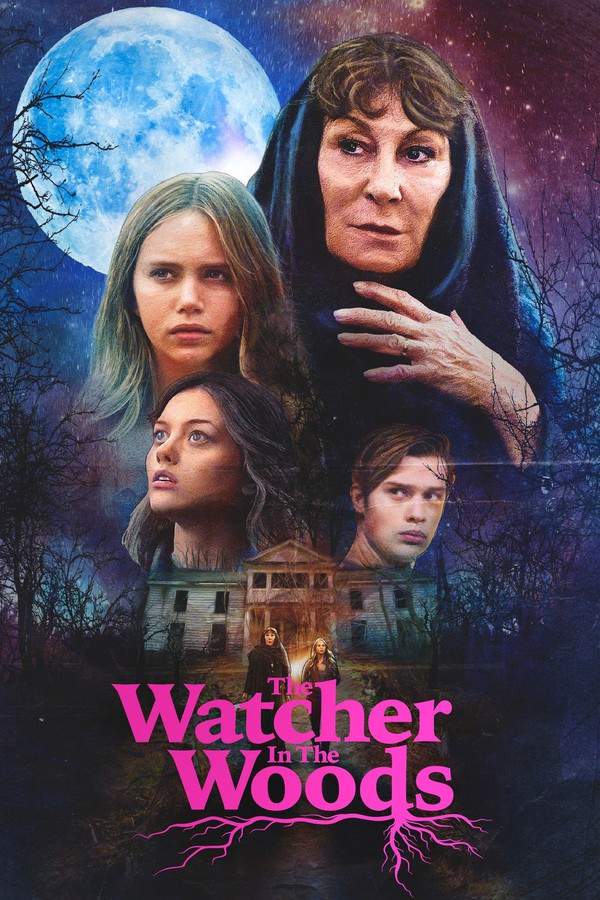
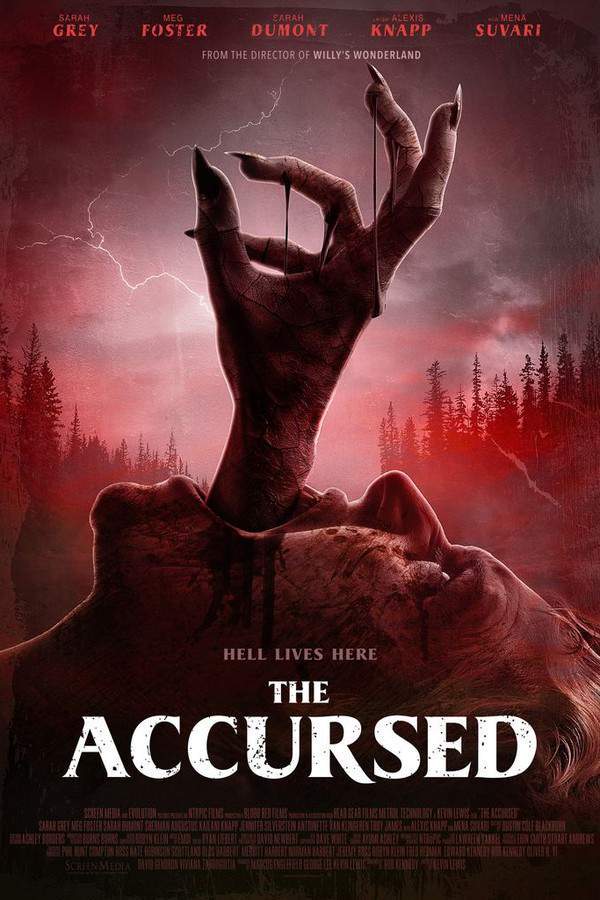
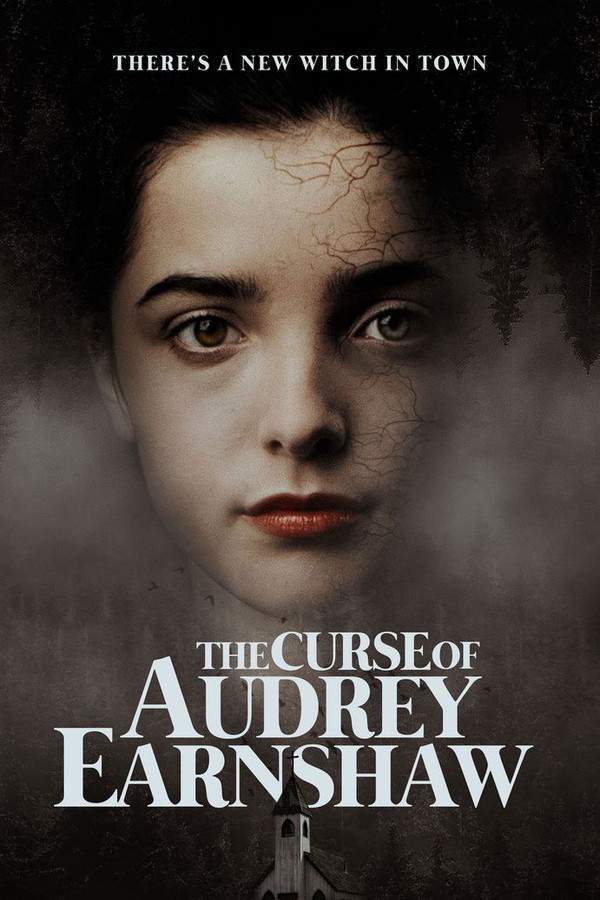
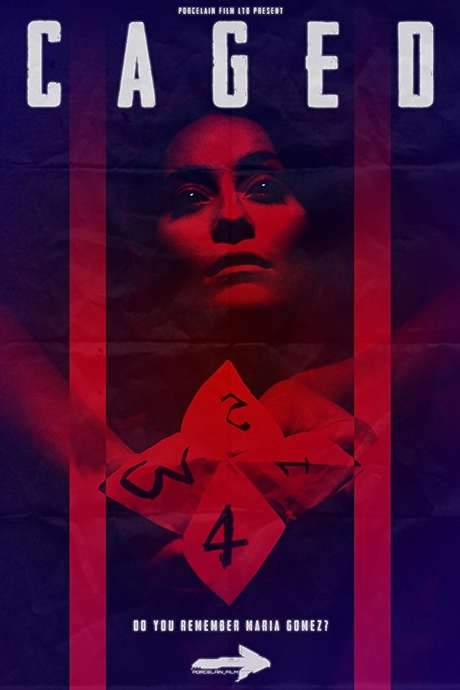
Similar Movies To Censor You Should Know About
Browse a curated list of movies similar in genre, tone, characters, or story structure. Discover new titles like the one you're watching, perfect for fans of related plots, vibes, or cinematic styles.
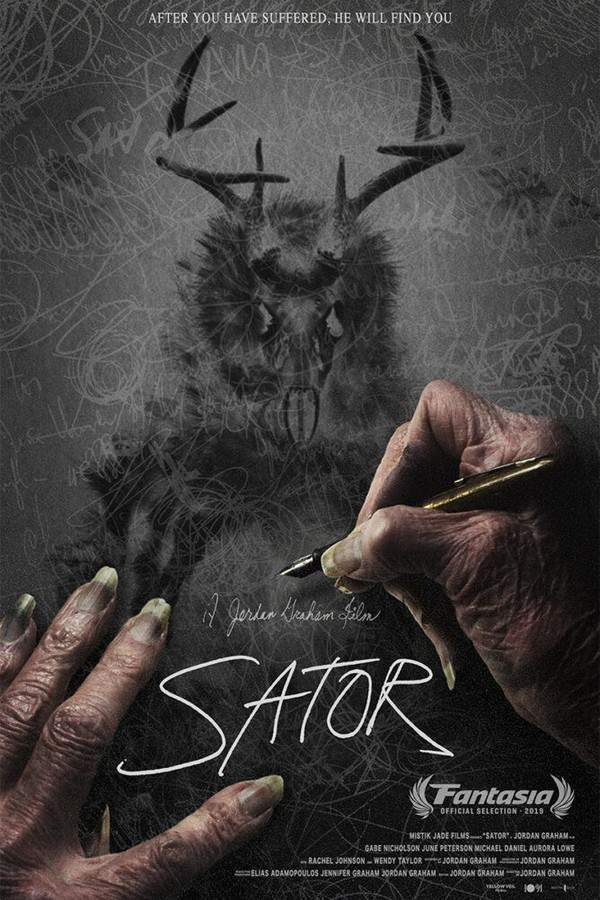
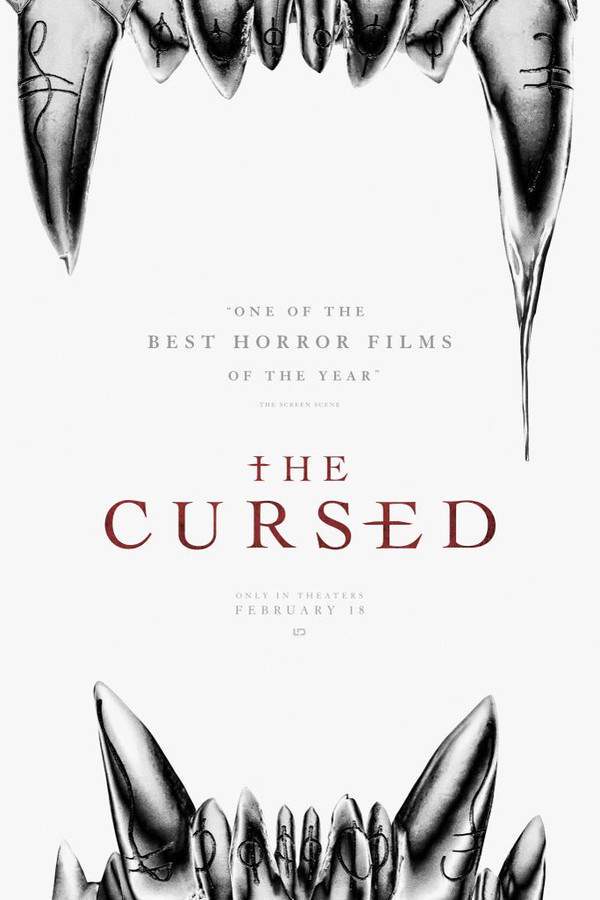



Quick Links: Summary, Cast, Ratings, More

What's After the Movie?
Not sure whether to stay after the credits? Find out!
Check out our other apps:

SAT Sphere
Build confidence for the Digital SAT.

Mori Atlas
Discover wild places worth protecting.

Luntero
Search smarter for a home in Amsterdam.

Plot Explained
Unravel movie endings and hidden clues.

Pokechamp
Dive into Pokémon data and battle logic.

Driving Theory
Get ready for your European theory test.

Movie Dust
Plan your next cinema trip with ease.

Musemap
Find art and culture as you travel.

Selkobase
Compare credentials before committing.

Local Manual
Turn an unfamiliar country into practical next steps.

Lernavi
Compare school systems before your next move.

GymRoam
Find a workout stop wherever your plans take you.
Explore Our Movie Platform
New Movie Releases (2026)
Famous Movie Actors
Top Film Production Studios
Movie Plot Summaries & Endings
Major Movie Awards & Winners
Best Concert Films & Music Documentaries
Movie Collections and Curated Lists
© 2026 What's After the Movie. All rights reserved.
Privacy Policy