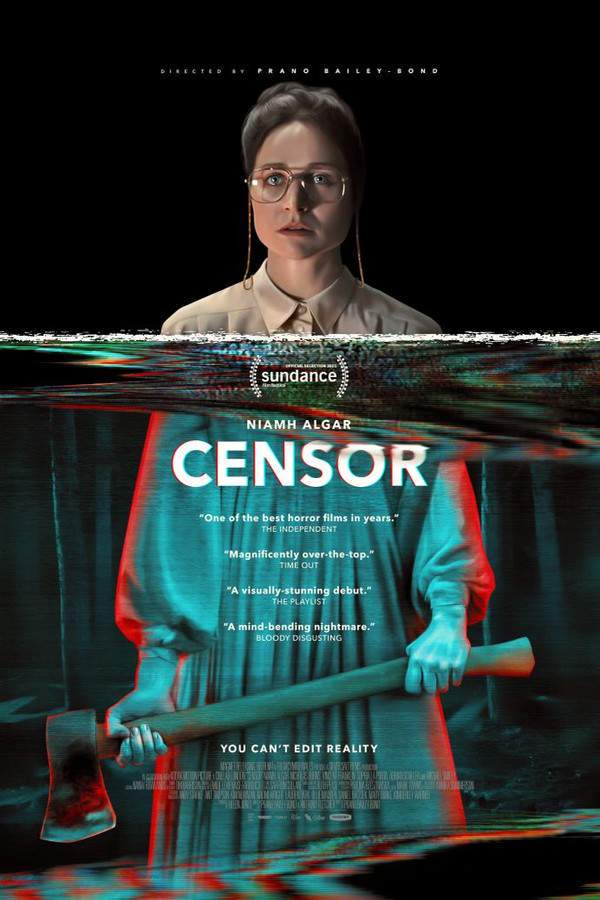
Censor 2021


Directed by

Prano Bailey-Bond
Made by

Magnet Releasing
Where to Watch Censor
See current US streaming, rental, and purchase options for Censor (2021) via JustWatch.

Amazon Prime Video
HD
Amazon Prime Video with Ads
HD
fuboTV
HD
Philo
HD
Hoopla
SD
Kanopy
HD
Fandango at Home Free
HD
Tubi TV
SD
Amazon Video
SD
Apple TV Store
HD Fandango At Home
SD
Google Play Movies
SD
YouTube
SD Streaming availability powered by 
Censor Plot Summary
Read the complete plot summary and ending explained for Censor (2021). From turning points to emotional moments, uncover what really happened and why it matters.
In 1985, Enid Baines works for the British Board of Film Classification during the height of the video nasty controversy, a period when violent content was under intense scrutiny. Her colleagues nickname her “Little Miss Perfect” because of her unwavering stance on cutting or banning graphic material. During a family dinner, Enid’s parents discuss her sister Nina, who disappeared when they were children. Though Nina has since been legally declared dead, Enid clings to the belief that she might still be alive somewhere out there.
A brutal murder spree soon makes headlines when a man kills his wife and children, and a tabloid links the killings to a film Enid had rated months earlier, naming her as the censor who approved it. The accusation triggers a torrent of threatening and insulting phone calls that never seem to stop. Then a film producer named Doug Smart approaches her with a startling claim: veteran horror director Frederick North has personally requested she screen one of his old, banned works, Don’t Go in the Church. As she watches the film, Enid is struck by how its events echo her memories of Nina’s disappearance, blurring the line between memory and nightmare.
Driven to uncover the truth about North, Enid acquires a copy of one of his banned films. She notes that the lead, Alice Lee, bears a striking resemblance to her missing sister, fueling a growing fixation. Believing that Lee is, in some sense, Nina, Enid becomes consumed by a mission to find North and “save” her sister from the exploitation surrounding the film industry. Her search leads her to Smart, hoping to learn North’s whereabouts, but Smart offers a troubling mix of reassurance and manipulation. He tells her that North is planning a sequel to Don’t Go in the Church near his home, and he presses closer, giving her alcohol and creating an uncomfortable intimacy. Enid rejects Smart’s advance, and his reaction turns volatile; when she pushes him away, he trips and impales himself on a film award, dying before her eyes.
Determined to track North down, Enid steals his address from work and infiltrates the set of his latest project, where the crew mistake her for an actress. As the boundary between reality and fantasy grows increasingly unstable, Enid’s actions become dangerously distorted. She kills an actor named Charles with an axe, convinced he intends to hurt her presumed sister. In a final, chilling moment, she decapitates North. Alice — who insists she is not Enid’s sister — flees into the woods as Enid pleads for her to be the one: > “please be her.”
The narrative pivots to a moment of unsettling revelation: Enid envisions a joyous reunion with her sister Nina, and the two drive toward their parents’ home. Yet the dream fractures when a car radio report announces a society-wide ban on violent films, the eradication of crime, and the disappearance of unemployment, hinting at a world altered by censorship. The fantasy intrudes again, revealing that Enid has in fact kidnapped Alice, who begs for help from Enid’s parents as Enid smiles. The camera pulls away from a TV screen to show a VHS tape labeled Censor ejecting from a VCR, leaving viewers with a haunting sense that the truth of Nina’s fate and Enid’s psyche may be inseparable from the film that haunts them both.
Censor Timeline
Follow the complete movie timeline of Censor (2021) with every major event in chronological order. Great for understanding complex plots and story progression.
Enid Baines at the BBFC in 1985
Enid Baines works for the British Board of Film Classification during the height of the video nasty controversy. Colleagues nickname her Little Miss Perfect because she insists on cutting or banning violent content. The 1985 setting frames her rigid approach to censorship and foreshadows her later obsession with what is deemed dangerous on screen.
Dinner with her parents and Nina
During dinner with her parents, they discuss Enid's missing sister Nina. They have accepted Nina as legally dead, but Enid clings to the belief that Nina might still be alive. The memory of Nina haunts Enid and motivates her actions.
Tabloid murder link and threatening calls
A tabloid links a murder spree to a film Enid previously rated, naming her as the censor who approved it. She begins receiving threatening and insulting phone calls on a regular basis. The calls push her deeper into paranoia and suspicion about the connection between cinema and real violence.
Doug Smart approaches Enid
Doug Smart, a film producer, approaches Enid with a claim that veteran horror director Frederick North personally requested she screen one of his old films, Don't Go in the Church. The suggested screening presents Enid with material that mirrors her sister's disappearance. The encounter sets the plot in motion toward North's world.
Screening reveals Nina echoes in Don't Go in the Church
While watching Don't Go in the Church, Enid notices events on screen evoke memories of Nina. She starts to suspect something larger is at play, a link between real life and the biased cinema she is charged with censoring. This screening begins her fixation on North and his work.
Enid discovers Alice Lee's resemblance to Nina
Enid acquires a copy of one of North's banned films and studies its lead, Alice Lee, who bears a striking resemblance to Nina. The discovery deepens her belief that Alice might be her missing sister. Her investigation expands into North's circle and the hidden history of the exploitation industry.
Enid's obsession grows; she seeks North
Driven by obsession, Enid seeks out North, convinced Lee will reveal Nina and needs saving from the exploitation film world. She becomes increasingly detached from reality as fantasies blur with facts. The pursuit places her in dangerous proximity to North's secluded set.
Confrontation with Smart ends with his death
When Enid visits Smart to learn about North's whereabouts, Smart is aggressive and disrespectful. He drugs her with alcohol and tries to get close, making her uncomfortable. Enid pushes him away, and he trips, impaling himself on a film award in a brutal accident. The incident shatters her sense of control and marks a turning point into violent action.
Enid infiltrates North's film set
Enid steals North's address and arrives at the film set, where the crew mistake her for an actress. The line between fantasy and reality continues to blur as she navigates the set alone. North's behind-the-scenes world becomes a trap as she confronts his creative exile.
Enid kills Charles on set
On the film set, Enid confronts an actor named Charles and kills him with an axe, convinced he is about to harm her sister. The act marks a spiraling descent into violence as her perception of reality shatters. The death escalates her resolve to reach North.
North is decapitated
Enid corners Frederick North and decapitates him, erasing the person she believes stands between Nina and her own truth. The act completes her violent rescue fantasy and seals her break from reality. The film's underground terror fully takes hold.
Woods encounter and the remote
In the woods, Alice denies being Nina and pleads for help as Enid pursues her. Enid collapses, a remote control appears in her hand, and she presses a button, signaling a shift back into a dreamlike state. The scene blurs nightmare with potential kidnapping.
Vision of Nina and the car ride home
Enid awakens to a seemingly happy vision of Nina thanking her for finding her. She and Nina drive toward their parents' home, while the car radio reports that all violent films have been banned, crimes are eradicated, and unemployment no longer exists. The escape becomes a bitter commentary on censorship and fantasy.
The final twist: Alice kidnapped and the VHS reveal
The fantasy abruptly collapses as it is revealed that Enid has kidnapped Alice. Alice begs her parents for help as Enid smiles, and the camera pulls back to show a TV screen with a VHS tape labeled Censor emerging from a VCR. The ending reinforces the film's themes of censorship and control.
Censor Characters
Explore all characters from Censor (2021). Get detailed profiles with their roles, arcs, and key relationships explained.
Enid Baines (Niamh Algar)
Enid is a meticulous BBFC censor whose professional world mirrors a need for order amidst personal loss. Her fixation on cutting violence reveals a fragile grip on reality as she searches for her missing sister, Nina. The story tracks her descent as she confronts North's work and the blurred boundaries between memory, fiction, and danger.
Doug Smart (Michael Smiley)
Doug is a film producer who manipulates Enid to further his own ends, masking predatory interest with charm. His pressure and casual aggression push Enid toward a breaking point. His accidental death catalyzes the film's turn toward violence and madness.
Frederick North (Adrian Schiller)
A veteran horror director whose films haunt Enid as she investigates him. North's filmmaking and secrecy fuel Enid's obsession, and his looming presence on a new project drives the tension at his remote location. He becomes a focal point in Enid's perilous descent.
Alice Lee (Sophia La Porta)
The film's lead actress who bears a resemblance to Nina, triggering Enid's need to 'save' her. She denies being Enid's sister and tries to escape as Enid delves deeper into fantasy and danger. Her presence becomes a pawn in Enid's misguided quest.
Nina Baines
Enid's sister who disappeared when they were children; her fate remains unresolved in the parents' eyes but alive in Enid's belief. Nina's absence fuels Enid's drive to seek truth and closure, blurring the line between memory and reality.
Censor Settings
Learn where and when Censor (2021) takes place. Explore the film’s settings, era, and how they shape the narrative.
Time period
1985
The narrative unfolds in 1985, a peak period of the UK 'video nasties' moral panic. It places Enid within the British Board of Film Classification as home video becomes widespread and contentious. The era’s tension between censorship, sensational media coverage, and the exploitation of violence provides the backdrop for Enid's personal unraveling.
Location
United Kingdom
The film is set in 1980s Britain amid the height of the video nasties controversy surrounding violent cinema. Enid Baines works for the British Board of Film Classification, reflecting a era when public debate over what could be seen on screen dominated cultural life. The setting centers on the British film industry and censorship institutions, with scenes that explore how films influence memory and fear.
Censor Themes
Discover the main themes in Censor (2021). Analyze the deeper meanings, emotional layers, and social commentary behind the film.
🛡️
Censorship
Censorship appears as both professional duty and personal fixation for Enid. The film critiques how guardians of taste gatekeep violence, shaping public fear and individual persecution. Enid's interactions with North and Smart reveal how power over content can spill into controlling people's lives.
🪞
Identity
The line between who a person is and who they are imagined to be blurs as Enid misreads Alice Lee as her missing sister. Memory becomes a weapon that distorts reality, pushing Enid toward dangerous identification and self-delusion. The film explores how identity can be constructed, reconstructed, or shattered by trauma.
🌧️
Grief
Enid's persistent grief over Nina's disappearance drives her need for closure through sensational violence. The case intensifies as her job screening films becomes entangled with personal vengeance. The ending poses a bleak question: can trauma ever be resolved, or is it consumed by fantasy?

Coming soon on iOS and Android
The Plot Explained Mobile App
From blockbusters to hidden gems — dive into movie stories anytime, anywhere. Save your favorites, discover plots faster, and never miss a twist again.
Sign up to be the first to know when we launch. Your email stays private — always.
Explore the mobile appCensor Ending Explained
Unravel the ending of Censor (2021) with our detailed explanation. Understand the final scenes, character fates, and unresolved questions.
In the end, Censor leaves us with a haunting and ambiguous conclusion that blurs the line between reality and illusion. Throughout the film, Enid’s obsession with violent films and her work at the censorship board gradually erodes her sanity, especially after a traumatic incident involving a film producer. Her fragile mental state is compounded by her childhood trauma—the mysterious disappearance of her sister, Nina—hidden deep within her subconscious. Enid becomes increasingly delusional, believing that the director Frederick North is responsible for her sister’s abduction and that he has a connection to her missing sibling. This hallucination prompts her to stalk and confront North, leading to a violent breakdown where she kills him. However, it’s revealed that all this was a hallucination; Enid’s perception was distorted, and she was mistaking reality for her delusions.
In the climax, Enid’s mind creates a fantasy where she reunites her sister and her parents, but the final scenes are intentionally ambiguous. The actress Alice Lee, who played her sister, is not actually related to her—they are only figures in Enid’s mind. The closing shot shows Enid shouting for help in a glitchy, surreal sequence, blurring the boundary between her mental state and what might be real. The film ends on this note of uncertainty, emphasizing that Enid’s psyche has been deeply fractured by her exposure to violent images, her trauma, and her grief. Censor ultimately explores how censorship, trauma, and mental illness intertwine, leaving viewers pondering whether Enid’s reality is truly shattered or if she has found some form of release or escape within her warped mind.
Censor Spoiler-Free Summary
Discover the spoiler-free summary of Censor (2021). Get a concise overview without any spoilers.
In the fever‑dream climate of 1980s Britain, when the nation’s moral watchdogs were locked in a fierce battle over “video nasties,” Enid Baines sits at the heart of the controversy. As a diligent member of the British Board of Film Classification, she has earned a reputation for exacting standards, earning colleagues the nickname “Little Miss Perfect.” The world she inhabits is one where cut‑and‑paste decisions can reverberate through headlines, and every reel she examines carries the weight of cultural gate‑keeping. The atmosphere is a tense blend of bureaucratic rigor and the lingering, gritty aesthetic of horror‑filled cinema that defined the era.
Beyond the office, Enid carries a private wound: the unresolved disappearance of her younger sister, Nina, years ago. The family has moved on, even declaring the loss legal, yet Enid remains convinced that a fragment of her sister’s life is still hidden somewhere in the shadows. This lingering grief shapes her relentless dedication to protecting the public from disturbing material, as if each cut she makes might somehow restore order to her own fractured past.
When a long‑forgotten horror film unexpectedly resurfaces, it strikes a disquieting chord within Enid. The eerie imagery and themes echo the fragments of memory she has guarded for decades, blurring the line between professional duty and personal obsession. The film’s presence pulls her deeper into a world where the glare of the projector illuminates more than just fictional terror—it awakens suppressed recollections and forces her to confront the mysteries she has long avoided. The tone of the story is a slow‑burning, psychological thriller, suffused with the cold, grainy texture of vintage cinema, inviting the audience to wander alongside Enid as she navigates a labyrinth of duty, denial, and the haunting possibility that the truth about her sister lies entangled within the very reels she strives to censor.
Movies with Similar Twists and Themes
Uncover films that echo the narrative beats, emotional arcs, or dramatic twists of the one you're exploring. These recommendations are handpicked based on story depth, thematic resonance, and spoiler-worthy moments — perfect for fans who crave more of the same intrigue.
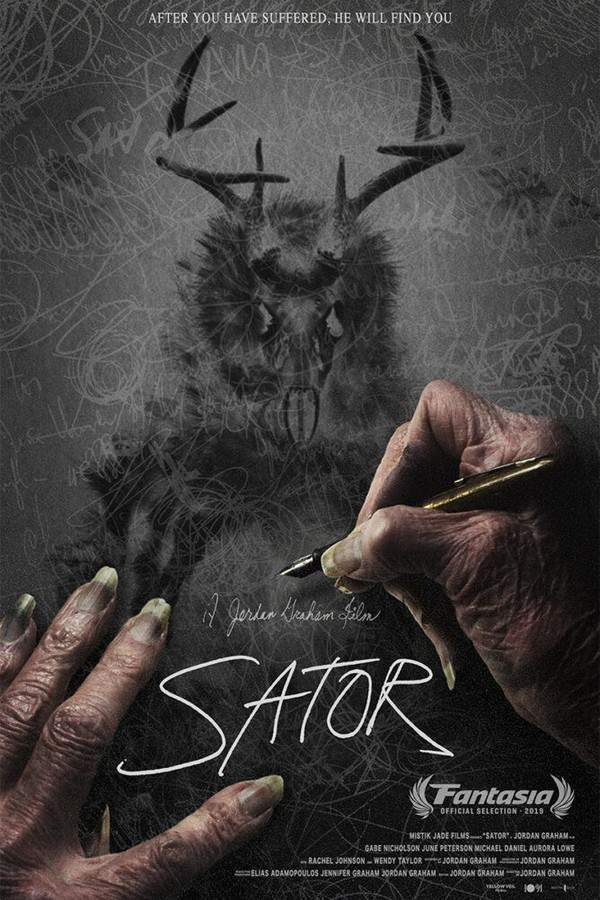
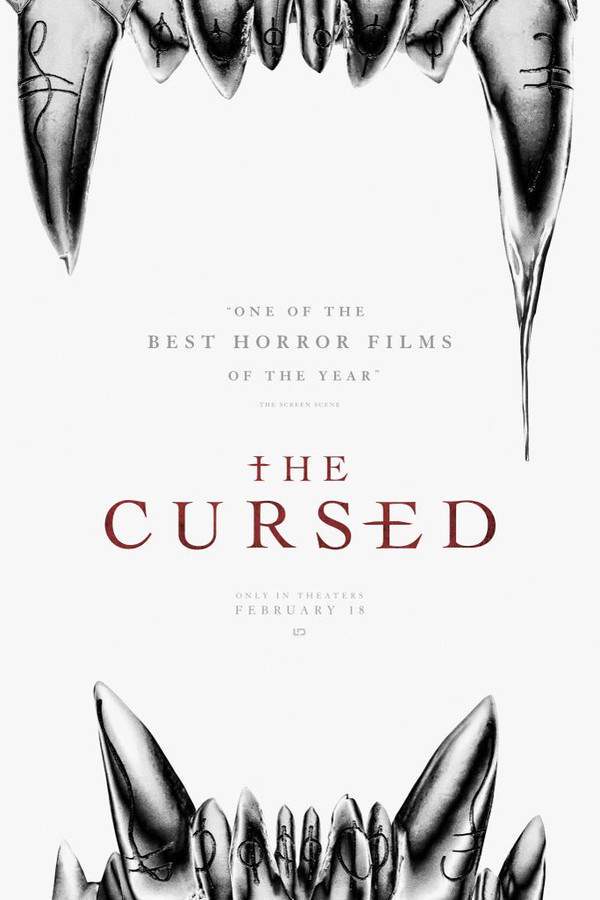
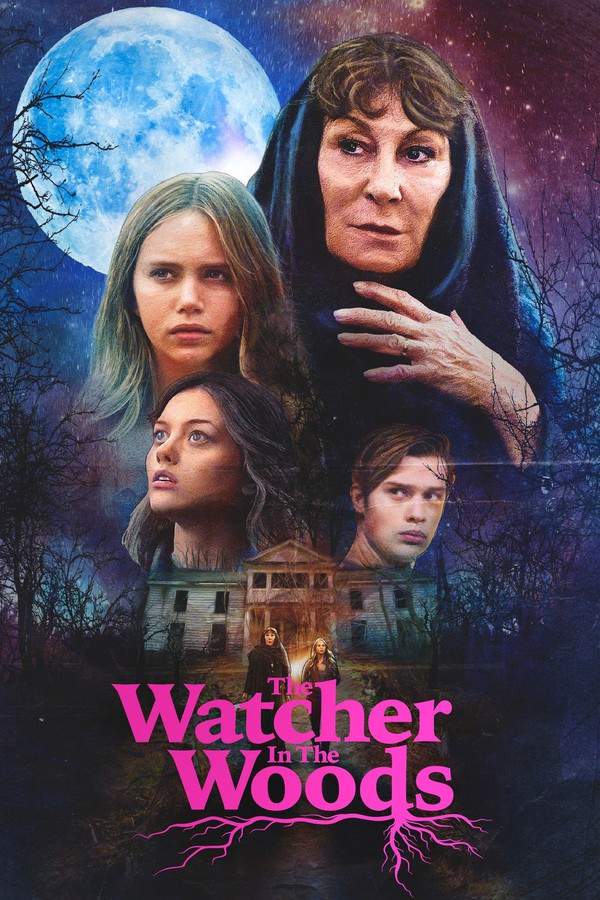


Featured on this page

What's After the Movie?
Not sure whether to stay after the credits? Find out!
Check out our other apps:

SAT Sphere
Build confidence for the Digital SAT.

Mori Atlas
Discover wild places worth protecting.

Luntero
Search smarter for a home in Amsterdam.

Plot Explained
Unravel movie endings and hidden clues.

Pokechamp
Dive into Pokémon data and battle logic.

Driving Theory
Get ready for your European theory test.

Movie Dust
Plan your next cinema trip with ease.

Musemap
Find art and culture as you travel.

Selkobase
Compare credentials before committing.

Local Manual
Turn an unfamiliar country into practical next steps.

Lernavi
Compare school systems before your next move.

GymRoam
Find a workout stop wherever your plans take you.
Explore Our Movie Platform
New Movie Releases (2026)
Famous Movie Actors
Top Film Production Studios
Movie Plot Summaries & Endings
Major Movie Awards & Winners
Best Concert Films & Music Documentaries
Movie Collections and Curated Lists
© 2026 What's After the Movie. All rights reserved.
Privacy Policy