Blue Moon 2025

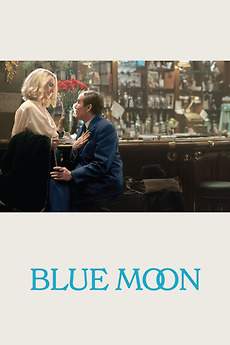
On the evening of March 31, 1943, legendary lyricist Lorenz Hart sits in the famed Sardi’s bar, wrestling with a shattered self‑confidence while his former partner Richard Rodgers is reveling in the opening‑night celebration of his groundbreaking musical “Oklahoma!”. The contrast between Hart’s inner turmoil and Rodgers’ public triumph underscores the bittersweet atmosphere of that historic night.

Does Blue Moon have end credit scenes?
No!
Blue Moon does not have end credit scenes. You can leave when the credits roll.
Where to Watch Blue Moon
See current US streaming, rental, and purchase options for Blue Moon (2025) via JustWatch.

Netflix
4K
Netflix Standard with Ads
HD
Amazon Video
4K
Apple TV Store
4K
Fandango At Home
4K
FlixFling
HD
Google Play Movies
SD
Plex
HD
YouTube
SD Streaming availability powered by 
Meet the Full Cast and Actors of Blue Moon
Explore the complete cast of Blue Moon, including both lead and supporting actors. Learn who plays each character, discover their past roles and achievements, and find out what makes this ensemble cast stand out in the world of film and television.

Margaret Qualley
Elizabeth Weiland
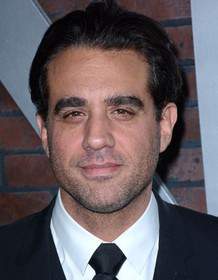
Bobby Cannavale
Eddie

Andrew Scott
Richard Rodgers

Jonah Lees
Morty Rifkin, 'Knuckles'
Simon Delaney
Oscar Hammerstein II
Ray Weafer
Maitre'd at Sardi's
Elaine O'Dwyer
Gladys
Patrick Kennedy
E.B. White
Brian Briggs
Sardi's Waiter
Caitríona Ennis
Cigarette Girl
Aisling O'Mara
Renee
John Doran
Weegee
Ian Dillon
Elizabeths Mothers Friend
Cillian Sullivan
Stevie
Giles Surridge
Troy
David Rawle
George Roy Hill
DanielMickRyan
Sailor
External Links and Streaming Options
Discover where to watch Blue Moon online, including streaming platforms, rental options, and official sources. Compare reviews, ratings, and in-depth movie information across sites like IMDb, TMDb, Wikipedia or Metacritic.







Ratings and Reviews for Blue Moon
See how Blue Moon is rated across major platforms like IMDb, Metacritic, and TMDb. Compare audience scores and critic reviews to understand where Blue Moon stands among top-rated movies in its genre.

The Movie Echo Score
Blue Moon delivers a nuanced character study anchored by Ethan Hawke’s compelling performance, while Richard Linklater’s restrained direction creates an intimate atmosphere reminiscent of a late‑night theatrical gathering. Critics commend the film’s evocative visual palette and period‑accurate soundtrack, yet note its dialogue‑heavy structure and limited cinematic scope can alienate broader audiences. The result is a work that resonates strongly with musical‑theatre aficionados but offers modest appeal beyond that niche, leading to a respectable but not universally thrilling experience.
The Movie Echo Score Breakdown for Blue Moon

Art & Craft
In terms of direction and visual craftsmanship, Linklater’s measured pacing and Lachlan Milne’s muted blues‑and‑gold palette create a cohesive period ambience. Critics highlight the film’s precise editing and production design that evoke a 1940s bar setting, though some argue the staging feels theatrical and the camerawork occasionally static, limiting cinematic dynamism. Overall, the artful elements support the narrative without fully transcending a stage‑play aesthetic.

Character & Emotion
When it comes to character and emotional depth, Hawke’s portrayal of Lorenz Hart is widely praised for its nuanced blend of bravado and vulnerability, capturing the lyricist’s genius and inner turmoil. Supporting actors such as Andrew Scott and Bobby Cannavale add layers of chemistry, though some viewers find Margaret Qualley’s role under‑developed. The ensemble generally succeeds in conveying the complex interpersonal dynamics of a fading artistic partnership.

Story & Flow
Regarding story and narrative flow, the film presents a single‑night, dialogue‑driven recounting of Hart’s personal and professional decline, offering originality in its theatrical framing. While many appreciate the intimate, measured pacing, critics point to a thin plot, uneven momentum, and an “anti‑plot” feel that can challenge audience engagement, especially for those unfamiliar with the historical context.

Sensory Experience
In terms of sensory experience, the soundtrack weaves Hart’s classic songs with ambient bar piano, reinforcing the period mood. The cinematography’s subdued color scheme and careful sound design immerse viewers in the smoky nightclub setting, earning praise for atmospheric authenticity. Nonetheless, some note the visual style remains static, mirroring its stage‑play roots rather than exploiting cinematic possibilities.

Rewatch Factor
As for rewatch factor, the film’s rich dialogue and period music provide rewards for viewers attuned to theatrical nuances, prompting repeat viewings among Broadway enthusiasts. However, its niche subject matter, limited plot progression, and stage‑like presentation may deter broader audiences from returning, resulting in modest lasting appeal beyond its core fan base.

78
Metascore
7.1
User Score

6.8 /10
IMDb Rating
Awards & Nominations for Blue Moon
Discover all the awards and nominations received by Blue Moon, from Oscars to film festival honors. Learn how Blue Moon and its cast and crew have been recognized by critics and the industry alike.

Best Writing (Original Screenplay)
Full Plot Summary and Ending Explained for Blue Moon
Read the complete plot summary of Blue Moon, including all major events, twists, and the full ending explained in detail. Explore key characters, themes, hidden meanings, and everything you need to understand the story from beginning to end.
On March 31, 1943, Lorenz Hart slips away from the opening night of Oklahoma!, the Broadway sensation created by his former partner Richard Rodgers in collaboration with Oscar Hammerstein II. He arrives at Sardi’s, a late-night heartbeat for the city’s theater crowd, where preparations are already underway for the post-show celebration.
Hart is talkative, sharply witty, and newly sober, holding court with the restaurant’s bartender, Eddie, who scrambles to keep him from reaching for a drink, and with Morty Rifkin, the lively piano player Morty Rifkin. The room buzzes with the giddiness of Oklahoma!’s overwhelming success—a success Hart had once helped shape but chose not to write—while his own career feels unsettled and fragile. In the glow of the night, Hart openly declares himself omnisexual and lets his gaze linger on Elizabeth Weiland, a Yale art student and aspiring production designer Elizabeth Weiland. After months of correspondence and an unconsummated weekend with the 20-year-old, the 47-year-old Hart believes this is the moment to win her heart.
Elizabeth arrives amid the clamor, and Hart plans a night of grand gestures—a cascade of gifts, a card trick, and a chorus of well-wishers. Yet the party unfolds with a different, quieter current running through it. Hart spots E. B. White, the famed writer, and seeks out his thoughts as another voice in the world of letters. The conversation turns to White’s own work, including a children’s book idea, and White asks Hart to name a character who might inhabit his pages. Hart muses about a mouse who keeps returning to a 19th-floor apartment, and White presses further, suggesting a name, to which Hart offers the playful possibility of “Stuart,” a moment that hints at the way Hart’s own imagination had fueled others’ titles and stories.
As the night gathers momentum, Rodgers arrives with Hammerstein and a crowd that mirrors the old magic of their early collaborations. Hart pulls Richard Rodgers aside, pitching a bold new idea—an epic revival of one of their earlier shows and, more ambitiously, a grand musical about Marco Polo. But the cracks in their longstanding partnership are visible: Hart’s battle with alcohol and his own mounting depression strain a bond that had endured for more than two decades. In a private moment in a restroom, Hart shares with Morty the heartbreak of a failed proposal to someone he once cared for deeply—an admission that sheds light on the personal costs behind his artistic fire.
The night unfolds with Hart trying to bridge the gap between old love and present loyalty. He introduces Elizabeth to his former partner, hoping to place her story within the circle of Broadway’s brightest, yet he is swiftly reminded of the distances that have grown between them. Rodgers, ever practical and perceptive, gives Elizabeth his private number and invites her to join him at his own party, a move that cuts Hart to the quick and underscores the ache of unrequited passion. Hart watches her go with a mix of longing and resignation, his pride tempered by a deep-seated sadness that his own life seems to spin off in a separate orbit from the one he once shared with his collaborators.
Left alone as the restaurant winds down, Hart retreats into the solitary space where his stories still spark warmth and humor for the few who remain. Morty stays to keep him company, and Eddie remains a steady, if wary, confidant—a rare moment of kinship in a night fueled by memories, performances, and the unresolved tensions of a life lived at the edge of its own brilliance. When the last notes fade and the staff close the doors, Hart’s gaze lingers on what might have been, as he accepts the distance between his desires and the world that keeps moving forward.
The story moves forward in time to a days-later future without Hart, seven months after that night when a combination of loneliness, alcohol, and grief takes a heavy toll. Hart collapses in the street, his life ending under the weight of his unfulfilled yearnings and artistic restlessness. In the wake of his passing, Rodgers and Hammerstein’s partnership endures, evolving into a cornerstone of Broadway history that continues to cast a long shadow over the American musical theater. The film’s portrait is not only of a genius undone by his own demons but also of the resilience and brilliance that can emerge from the same circle of creators who shaped Oklahoma!, leaving behind a lasting legacy that outlives Hart in the art they built together.

Coming soon on iOS and Android
The Plot Explained Mobile App
From blockbusters to hidden gems — dive into movie stories anytime, anywhere. Save your favorites, discover plots faster, and never miss a twist again.
Sign up to be the first to know when we launch. Your email stays private — always.
Explore the mobile appWatch Trailers, Clips & Behind-the-Scenes for Blue Moon
Watch official trailers, exclusive clips, cast interviews, and behind-the-scenes footage from Blue Moon. Dive deeper into the making of the film, its standout moments, and key production insights.
Blue Moon Themes and Keywords
Discover the central themes, ideas, and keywords that define the movie’s story, tone, and message. Analyze the film’s deeper meanings, genre influences, and recurring concepts.
Blue Moon Other Names and Titles
Explore the various alternative titles, translations, and other names used for Blue Moon across different regions and languages. Understand how the film is marketed and recognized worldwide.
Articles, Reviews & Explainers About Blue Moon
Stay updated on Blue Moon with in-depth articles, critical reviews, and ending explainers. Explore hidden meanings, major themes, and expert insights into the film’s story and impact.

Similar Movies To Blue Moon You Should Know About
Browse a curated list of movies similar in genre, tone, characters, or story structure. Discover new titles like the one you're watching, perfect for fans of related plots, vibes, or cinematic styles.


Quick Links: Summary, Cast, Ratings, More

What's After the Movie?
Not sure whether to stay after the credits? Find out!
Check out our other apps:

SAT Sphere
Build confidence for the Digital SAT.

Mori Atlas
Discover wild places worth protecting.

Luntero
Search smarter for a home in Amsterdam.

Plot Explained
Unravel movie endings and hidden clues.

Pokechamp
Dive into Pokémon data and battle logic.

Driving Theory
Get ready for your European theory test.

Movie Dust
Plan your next cinema trip with ease.

Musemap
Find art and culture as you travel.

Selkobase
Compare credentials before committing.

Local Manual
Turn an unfamiliar country into practical next steps.

Lernavi
Compare school systems before your next move.

GymRoam
Find a workout stop wherever your plans take you.
Explore Our Movie Platform
New Movie Releases (2026)
Famous Movie Actors
Top Film Production Studios
Movie Plot Summaries & Endings
Major Movie Awards & Winners
Best Concert Films & Music Documentaries
Movie Collections and Curated Lists
© 2026 What's After the Movie. All rights reserved.
Privacy Policy