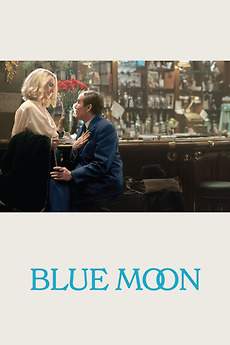
Blue Moon 2025

Directed by

Ethan Hawke
Made by

Sony Pictures Classics
Where to Watch Blue Moon
See current US streaming, rental, and purchase options for Blue Moon (2025) via JustWatch.

Netflix
4K
Netflix Standard with Ads
HD
Amazon Video
4K
Apple TV Store
4K
Fandango At Home
4K
FlixFling
HD
Google Play Movies
SD
Plex
HD
YouTube
SD Streaming availability powered by 
Blue Moon Plot Summary
Read the complete plot summary and ending explained for Blue Moon (2025). From turning points to emotional moments, uncover what really happened and why it matters.
On March 31, 1943, Lorenz Hart slips away from the opening night of Oklahoma!, the Broadway sensation created by his former partner Richard Rodgers in collaboration with Oscar Hammerstein II. He arrives at Sardi’s, a late-night heartbeat for the city’s theater crowd, where preparations are already underway for the post-show celebration.
Hart is talkative, sharply witty, and newly sober, holding court with the restaurant’s bartender, Eddie, who scrambles to keep him from reaching for a drink, and with Morty Rifkin, the lively piano player Morty Rifkin. The room buzzes with the giddiness of Oklahoma!’s overwhelming success—a success Hart had once helped shape but chose not to write—while his own career feels unsettled and fragile. In the glow of the night, Hart openly declares himself omnisexual and lets his gaze linger on Elizabeth Weiland, a Yale art student and aspiring production designer Elizabeth Weiland. After months of correspondence and an unconsummated weekend with the 20-year-old, the 47-year-old Hart believes this is the moment to win her heart.
Elizabeth arrives amid the clamor, and Hart plans a night of grand gestures—a cascade of gifts, a card trick, and a chorus of well-wishers. Yet the party unfolds with a different, quieter current running through it. Hart spots E. B. White, the famed writer, and seeks out his thoughts as another voice in the world of letters. The conversation turns to White’s own work, including a children’s book idea, and White asks Hart to name a character who might inhabit his pages. Hart muses about a mouse who keeps returning to a 19th-floor apartment, and White presses further, suggesting a name, to which Hart offers the playful possibility of “Stuart,” a moment that hints at the way Hart’s own imagination had fueled others’ titles and stories.
As the night gathers momentum, Rodgers arrives with Hammerstein and a crowd that mirrors the old magic of their early collaborations. Hart pulls Richard Rodgers aside, pitching a bold new idea—an epic revival of one of their earlier shows and, more ambitiously, a grand musical about Marco Polo. But the cracks in their longstanding partnership are visible: Hart’s battle with alcohol and his own mounting depression strain a bond that had endured for more than two decades. In a private moment in a restroom, Hart shares with Morty the heartbreak of a failed proposal to someone he once cared for deeply—an admission that sheds light on the personal costs behind his artistic fire.
The night unfolds with Hart trying to bridge the gap between old love and present loyalty. He introduces Elizabeth to his former partner, hoping to place her story within the circle of Broadway’s brightest, yet he is swiftly reminded of the distances that have grown between them. Rodgers, ever practical and perceptive, gives Elizabeth his private number and invites her to join him at his own party, a move that cuts Hart to the quick and underscores the ache of unrequited passion. Hart watches her go with a mix of longing and resignation, his pride tempered by a deep-seated sadness that his own life seems to spin off in a separate orbit from the one he once shared with his collaborators.
Left alone as the restaurant winds down, Hart retreats into the solitary space where his stories still spark warmth and humor for the few who remain. Morty stays to keep him company, and Eddie remains a steady, if wary, confidant—a rare moment of kinship in a night fueled by memories, performances, and the unresolved tensions of a life lived at the edge of its own brilliance. When the last notes fade and the staff close the doors, Hart’s gaze lingers on what might have been, as he accepts the distance between his desires and the world that keeps moving forward.
The story moves forward in time to a days-later future without Hart, seven months after that night when a combination of loneliness, alcohol, and grief takes a heavy toll. Hart collapses in the street, his life ending under the weight of his unfulfilled yearnings and artistic restlessness. In the wake of his passing, Rodgers and Hammerstein’s partnership endures, evolving into a cornerstone of Broadway history that continues to cast a long shadow over the American musical theater. The film’s portrait is not only of a genius undone by his own demons but also of the resilience and brilliance that can emerge from the same circle of creators who shaped Oklahoma!, leaving behind a lasting legacy that outlives Hart in the art they built together.
Blue Moon Timeline
Follow the complete movie timeline of Blue Moon (2025) with every major event in chronological order. Great for understanding complex plots and story progression.
Hart leaves Oklahoma! night for Sardi's
Lorenz Hart slips away from the opening night of Oklahoma! and heads to Sardi's where preparations are underway for the celebratory gathering. Inside, he holds court with the bartender Eddie and the piano player Morty, regaling them with a sharp, rueful view of the show's sensational success and his own fading career. The mood is wry, intimate, and intoxicated by the glamour of Broadway.
Hart laments Oklahoma! success and his career
The newly sober Hart commiserates with Eddie and Morty about Oklahoma!'s enormous success, a show he declined to write. He complains about the state of his own career, nursing insecurities as he watches others' triumphs. The conversation foreshadows the personal turmoil that will color the night.
Hart proclaims omnisexual and pursues Elizabeth Weiland
Hart proclaims himself 'omnisexual' and flirts with a flower delivery boy, revealing his intense infatuation with Elizabeth Weiland, a Yale art student and aspiring production designer. He speaks of past loves and the desire to win her affection, hinting at the emotional volatility beneath his wit. The moment underscores the theme of longing that drives his actions.
Elizabeth arrives; Hart plans gifts
Elizabeth arrives for the party, and Hart plans to shower her with gifts and even a card trick. He believes this could be the night he finally wins her love, masking his heartbreak with bravado. The anticipation tightens the tension around their fragile dynamic.
Hart meets E. B. White; 'Stuart' name
Hart recognizes E. B. White, who shares that he is working on a first novel for children. White asks about Hart's mouse story, and Hart improvises the name 'Stuart,' suggesting he may have inspired the character's naming. The moment blends literary legend with Hart's insecurities.
Rodgers and Hammerstein arrive; Marco Polo pitch
Rodgers arrives with Hammerstein and a crowd of well-wishers, inviting Hart to reconnect with the partnership. He pulls Hart aside to discuss reviving an old show, but Hart pitches a sprawling Marco Polo musical as a bold new direction. The conversation reveals how alcohol and depression strain their long collaboration.
Hart's restroom confession about a failed proposal
In the restroom, Hart tells Morty the tale of his failed proposal to his former muse. The confession reveals the personal pain behind his public wit and his mounting desperation. It deepens the sense that the night is more than a party; it marks a turning point.
Oklahoma! rave reviews; Hart's envy surfaces
Rave reviews pour in for Oklahoma!, and Hart tries to congratulate Rodgers. Rodgers remains wary of Hart's drinking and unreliability while Hart's latest idea is fueled by his unrequited feelings for Elizabeth. The pride and pain of their old partnership hover over the night.
Elizabeth meets Hart's former partner; private number exchanged
Hart introduces Elizabeth to his former partner, hoping to share a connection. Rodgers gives Elizabeth his private number and leads her away to his own party, whisking her from Hart's orbit. The moment cements the growing distance between Hart and Rodgers.
Hart lingers as night ends; Morty plays a hit
As the staff begin to close the restaurant, Hart, lonely, stays for a final drink with Eddie while Morty plays one of his greatest hits. He regales them with another story, clinging to the nightlife as a refuge from heartbreak. The night closes with Hart alone and staring into his future.
Seven months later: Hart dies on the street
Seven months after the night at Sardi's, Hart drunkenly collapses in the street and dies. The sudden tragedy underscores the self-destructive path his insecurities and drinking had carved. Rodgers and Hammerstein are left to carry on as Broadway legends without him.
Rodgers and Hammerstein carry on on Broadway
In the wake of Hart's death, Rodgers and Hammerstein continue to become Broadway's greatest songwriting partnership. The film frames this outcome as a testament to both Hart's influence and their own resilience. Their legacy endures long after Hart's passing.
Blue Moon Characters
Explore all characters from Blue Moon (2025). Get detailed profiles with their roles, arcs, and key relationships explained.
Elizabeth Weiland (Margaret Qualley)
A Yale art student and aspiring production designer, Elizabeth captures Hart's imagination but does not love him in return. Her youth and artistic drive illuminate Hart's longing and the boundaries of desire. Her presence amid Hart's mood swings underscores the complexities of unrequited affection.
Lorenz Hart (Ethan Hawke)
Talkative, cynical, and newly sober, Hart navigates fame, heartbreak, and creative ambition. His romantic longing for Elizabeth clashes with his fragile sobriety and depressive episodes. The night exposes his vulnerability and genius, ultimately leading to a tragic trajectory.
Eddie (Bobby Cannavale)
A bartender at Sardi's who resists serving Hart liquor, offering steady, if wry, companionship. He shares Hart's love of Casablanca and serves as a confidant outside the public eye. Eddie's loyalty grounds Hart amid the evening's emotional turbulence.
Richard Rodgers (Andrew Scott)
Hart's former partner and Oklahoma!'s co-writer, pragmatic and wary of Hart's drinking. He encourages collaboration on a new revival, testing the limits of their friendship. His presence highlights the tension between professional ambition and personal fragility.
Oscar Hammerstein II (Simon Delaney)
Rodgers' collaborator, a steady presence within the Broadway duo. He participates in the party and supports the evolving musical plans, balancing optimism with practical realism. His role embodies the collaborative spirit that propelled their work.
Morty Rifkin (Jonah Lees)
An enlisted piano player who shares Hart's stories and performs his greatest hits. Morty serves as a loyal witness to Hart's charisma and fragility, offering companionship in the backstage world. He helps illuminate the personal side of Hart's legend.
E.B. White (Patrick Kennedy)
A writer working on a first children's novel, White engages Hart with ideas of Stuart and storytelling. Their interaction hints at cross-pollination between lyric writing and prose, reflecting Hart's influence on other writers. The encounter showcases Hart's creative reach beyond music.
Blue Moon Settings
Learn where and when Blue Moon (2025) takes place. Explore the film’s settings, era, and how they shape the narrative.
Time period
March 31, 1943
The events unfold in early spring 1943, during World War II, against the vibrant yet restless New York theatre scene. The date anchors Hart’s celebration, heartbreak, and eventual decline as a public figure. The era’s blend of glitter and personal struggle shapes the night’s conversations and decisions.
Location
Sardi's Restaurant, Broadway, New York City
Sardi's Restaurant in Manhattan serves as the social hub where Hart mingles with actors, writers, and friends after Oklahoma!'s open night. The broader Broadway scene and the New York theatre world frame the backdrop of celebrity, ambition, and backstage politics.
Blue Moon Themes
Discover the main themes in Blue Moon (2025). Analyze the deeper meanings, emotional layers, and social commentary behind the film.
💔
Love and Unrequited Love
Hart's longing for Elizabeth Weiland drives much of the plot, with her not returning his romantic interest. This unreciprocated affection highlights vulnerability amid fame. The tension between desire and social boundaries plays out against the backdrop of a public celebration of success. Elizabeth's presence exposes Hart's capacity for tenderness and jealousy.
🥃
Addiction and Vulnerability
Hart's struggle with alcohol and depression looms over his interactions and decisions. His sobriety is fragile, affecting his relationships and career. The narrative shows how addiction intersects with creative genius and personal pain. The consequences culminate in a tragic downturn that shadows his legacy.
🤝
Friendship and Creative Partnership
Hart's long-standing collaboration with Rodgers and Hammerstein anchors the story, testing loyalty under strain. The film examines how personal demons threaten professional bonds, while shared ambition sustains the Broadway legacy. The dynamic reveals how creative partnerships endure and shape cultural history.

Coming soon on iOS and Android
The Plot Explained Mobile App
From blockbusters to hidden gems — dive into movie stories anytime, anywhere. Save your favorites, discover plots faster, and never miss a twist again.
Sign up to be the first to know when we launch. Your email stays private — always.
Explore the mobile appBlue Moon Ending Explained
Unravel the ending of Blue Moon (2025) with our detailed explanation. Understand the final scenes, character fates, and unresolved questions.
At the end of Blue Moon the night of Oklahoma!’s opening swells into a quiet, desperate tableau for Lorenz Hart. After walking out of the theater, he lingers in the neighboring bar, surrounded only by the bartender Eddie and the piano‑player Morty. Their conversation circles around the triumph of Rodgers and Hammerstein, yet Hart can’t hide his bitterness—the musical feels safe and unchallenging, a reminder that his own fire has faded. He clings to the idea that a new collaboration—perhaps a play about Marco Polo—might restore his relevance, and he dreams that Elizabeth, the bright‑eyed Yale student who has become his muse, will finally arrive at his modest after‑party and validate his worth.
The party never materialises. The bar closes, most of the guests have drifted to Rodgers’ celebration, and Hart’s attempts to invite anyone— even a delivery boy—feel hollow. When Morty begins to play “Blue Moon,” the very song Hart once dismissed, the simple hum of the melody brushes away the crushing silence. Eddie, sensing Hart’s isolation, pours another drink and sits with him, sharing a brief moment of companionship. Hart tells the small, attentive audience the story of how the song’s title was originally different, a quiet act of storytelling that seems to give him a fleeting sense of purpose.
The film then jumps forward. A month after the night of Oklahoma!, Hart’s mother dies, leaving him even more adrift. In November 1943, weakened by years of alcohol and a lingering pneumonia, he is found collapsed on the sidewalk outside the same Manhattan bar. He is taken to a hospital, where, four days later, he quietly passes away. The final lyric of “Blue Moon”—“You saw me standing alone, without a dream in my heart, without a love of my own”—echoes over his death, underscoring the tragic irony that the song he once dismissed perfectly captures the solitude that defined his final years.
The ending ties together Hart’s lingering hope for artistic redemption (the successful revival of A Connecticut Yankee becomes his last credited work), his unreciprocated love for Elizabeth, and his enduring need to be heard. By closing on the gentle hum of “Blue Moon” and Hart’s solitary narration, the film leaves the viewer with a bittersweet portrait of a genius whose brilliance was forever eclipsed by his own yearning for connection.
Blue Moon Spoiler-Free Summary
Discover the spoiler-free summary of Blue Moon (2025). Get a concise overview without any spoilers.
In the warm, smoke‑filled glow of a famed New York bar on the night of March 31, 1943, the city’s theatrical heart beats to the rhythm of opening‑night applause. While the crowds outside revel in the triumph of a groundbreaking musical, the intimate world of Sardi’s becomes a quiet stage for one of Broadway’s most legendary figures. Here, Lorenz Hart—the celebrated lyricist whose words have shaped a generation—finds himself alone amid clinking glasses, his confidence frayed by the glittering success that surrounds him.
Hart’s presence is a study in contrast. Still newly sober, he navigates the bar’s polished counter with a mix of sharp wit and lingering melancholy, trading barbs and memories with the stoic bartender Eddie and the observant piano player Morty. Their conversations swirl around the weight of fame, unfulfilled ambitions, and the restless yearning for a love that feels forever just out of reach. The young art student Elizabeth Weiland, whose quiet brilliance haunts his thoughts, represents both a hopeful muse and an elusive promise, adding a tender undercurrent to his night.
Across the room, Richard Rodgers basks in the glow of his latest achievement, his laughter echoing the city’s jubilation. His former partner’s brilliance is a bright, almost painful, foil to Hart’s inner doubts. The genial yet cautious Oscar Hammerstein II drifts through the crowd, embodying the collaborative spirit that has reshaped the Broadway landscape. Even a quiet literary figure, E. B. White, appears, offering a fleeting glimpse of the broader artistic world that surrounds the bar, hinting at stories that linger just beyond the conversation.
The film settles into a tone that is simultaneously wistful and vibrant, capturing the electric atmosphere of a historic night while delving deep into the private shadows of its characters. Through lyrical dialogue and nuanced performances, the audience is invited to linger in the bittersweet space where public triumph meets personal turmoil, ever wondering whether the night’s quiet conversations will spark a new direction for a man whose words have already left an indelible mark on the stage.
Movies with Similar Twists and Themes
Uncover films that echo the narrative beats, emotional arcs, or dramatic twists of the one you're exploring. These recommendations are handpicked based on story depth, thematic resonance, and spoiler-worthy moments — perfect for fans who crave more of the same intrigue.
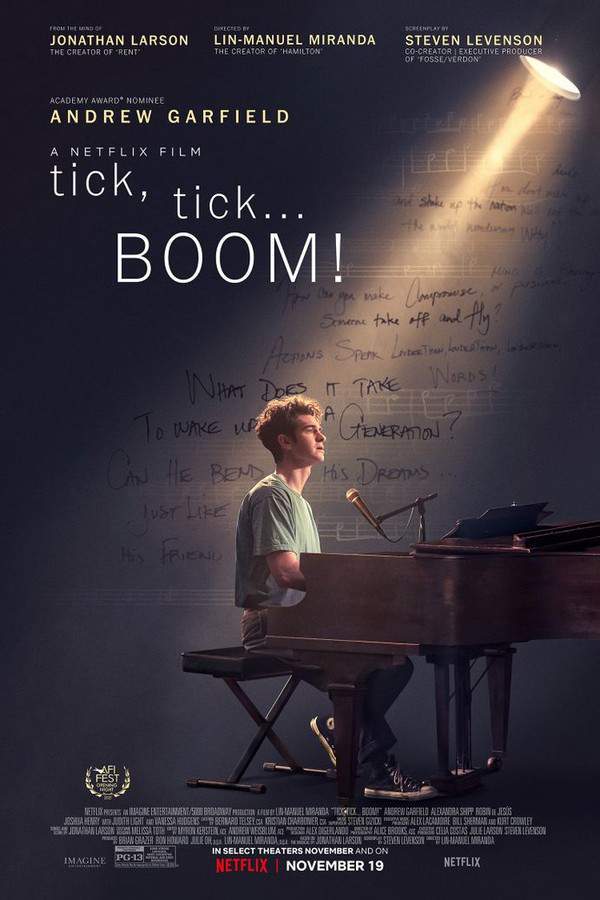
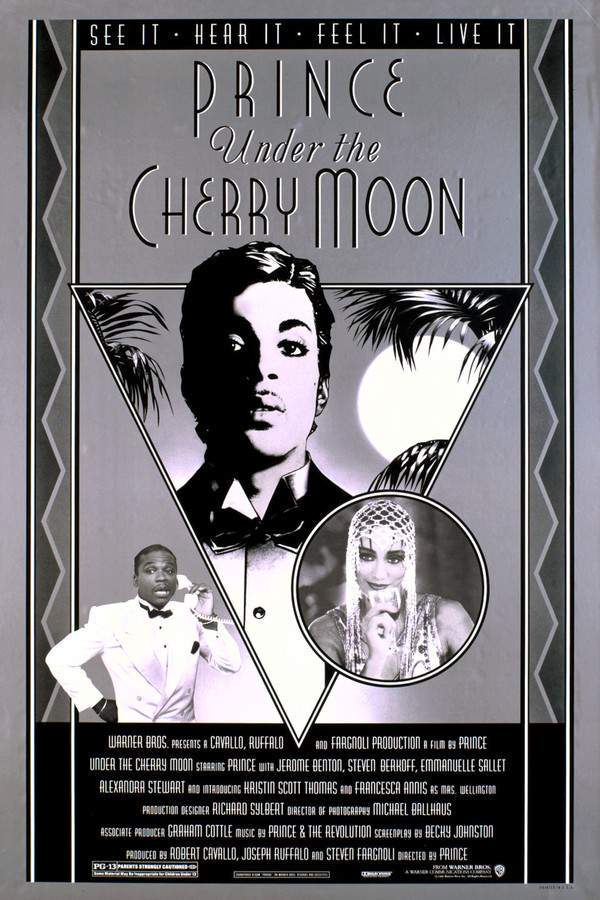
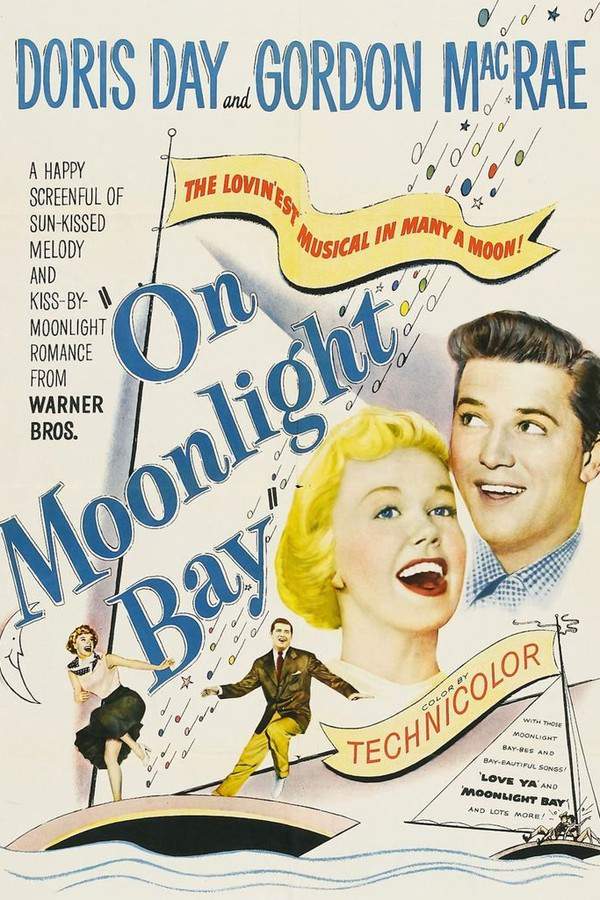


Featured on this page

What's After the Movie?
Not sure whether to stay after the credits? Find out!
Check out our other apps:

SAT Sphere
Build confidence for the Digital SAT.

Mori Atlas
Discover wild places worth protecting.

Luntero
Search smarter for a home in Amsterdam.

Plot Explained
Unravel movie endings and hidden clues.

Pokechamp
Dive into Pokémon data and battle logic.

Driving Theory
Get ready for your European theory test.

Movie Dust
Plan your next cinema trip with ease.

Musemap
Find art and culture as you travel.

Selkobase
Compare credentials before committing.

Local Manual
Turn an unfamiliar country into practical next steps.

Lernavi
Compare school systems before your next move.

GymRoam
Find a workout stop wherever your plans take you.
Explore Our Movie Platform
New Movie Releases (2026)
Famous Movie Actors
Top Film Production Studios
Movie Plot Summaries & Endings
Major Movie Awards & Winners
Best Concert Films & Music Documentaries
Movie Collections and Curated Lists
© 2026 What's After the Movie. All rights reserved.
Privacy Policy