
Blonde (2001): Cast & Plot
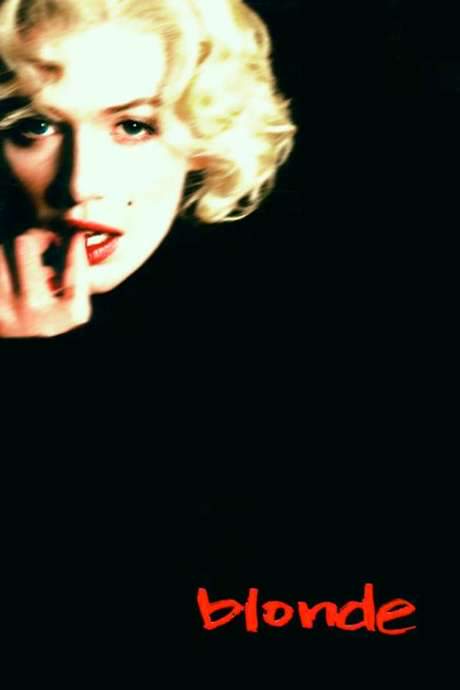
Blonde is a 2001 drama directed by Joyce Chopra, starring Ann-Margret as Della Monroe, Poppy Montgomery and Skye McCole Bartusiak. It is based on Blonde by Joyce Carol Oates. It runs 2 hours 44 minutes.
- Runtime
- 2h 44m (164 min)
- Director
- Joyce Chopra
- Genre
- Drama
- Original language
-
 English
 - Studio
- Fireworks Entertainment
- Based on
- Blonde by Joyce Carol Oates
- After the credits
- No No extra scene
What Is Blonde About?
The premise of Blonde without spoilers, adapted from Blonde by Joyce Carol Oates. The whole story is in the plot summary further down.
The brightest stars burn out the fastest. A fictional biography of Marilyn Monroe mixed with series of real events in her life.
Blonde Themes & Keywords
· 50 tags- revisionist history
- absent father
- marilyn monroe character
- baseball player
- playwright
- marriage
- photographer
- watching a movie
- merchant marine
- orphan
- nurse
- reference to charlie chaplin
+38 more Show fewer
- wedding cake
- police
- blonde
- miscarriage
- fire
- marijuana
- happy birthday to you
- doll
- beach
- stuffed tiger
- prayer
- student
- song
- telephone
- wedding night
- theft
- mirror
- korean war
- photograph
- tears
- telephone call
- breaking a window
- happy birthday
- bathtub
- underwear
- pedophile
- bar
- divorce
- orphanage
- arson
- limousine
- drinking
- reference to laurence olivier
- reference to louis calhern
- paranoia
- scrubbing a floor
- calendar
- crying
Blonde Cast & Characters
Ann-Margret leads the cast as Della Monroe, with Poppy Montgomery as Norma Jeane Baker / Marilyn Monroe and Skye McCole Bartusiak as Young Norma Jeane. Directed by Joyce Chopra; 17 actors are credited in all.
- Director Joyce Chopra
- Ann-Margret as Della Monroe
- Poppy Montgomery as Norma Jeane Baker / Marilyn Monroe
- Skye McCole Bartusiak as Young Norma Jeane
-
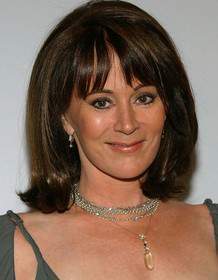 Patricia Richardson as Gladys Baker
Also Starring in Blonde
· 13 more- Patrick Dempsey Cass
- Jensen Ackles Eddie G
- Griffin Dunne Playwright
- Wallace Shawn I.E. Shinn
- Richard Roxburgh Mr. R
- Kirstie Alley Elsie
- Eric Bogosian Otto Ose
- Titus Welliver Baseball Player
- Emily Browning Fleece
- Trisha Noble Dr. Mittelstadt
- Tony Harvey Mr. Pearce
- Matthew O'Sullivan Lee Strasberg
- Niklaus Lange Bucky Glazer
Blonde Plot Summary
What happens in Blonde from start to finish, spoilers included, with a timeline of 12 key events. The opening is below; the full summary is a 4-minute read.
Spoilers ahead
Six-year-old Norma Jeane Mortenson Poppy Montgomery is raised by her mentally unstable mother, Gladys Pearl Baker Patricia Richardson. On her seventh birthday in 1933, Norma Jeane is given a framed picture of a man that Gladys claims was her father. That night, a fire breaks out in the Hollywood Hills. Gladys tries to drive Norma Jeane toward a fire-proof mansion she claims is inhabited by a friend, but police orders force her to turn back. Norma asks why her father left them, which enrages Gladys, who bursts into tears, shouts, and strikes Norma. Back home, Gladys runs a bath and forces Norma to bathe, despite her protests that it’s too hot. While giving Norma Jeane a bath, an enraged Gladys tries to drown her.
Full summary
The whole story of Blonde, scene by scene
Blonde Also Known As
5 alternative titles, including “Бландынка” and “Блондинка”.
- Also known as
-
- Бландынка
- Блондинка
- A szexbomba
- Білявка Мерилін
- Бландзінка
Seen Blonde?
Movies Like Blonde
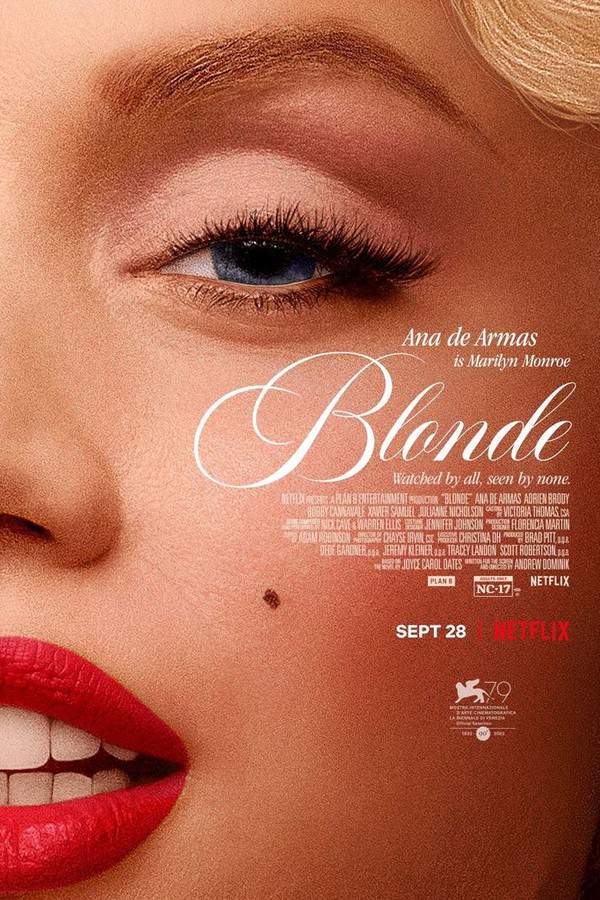
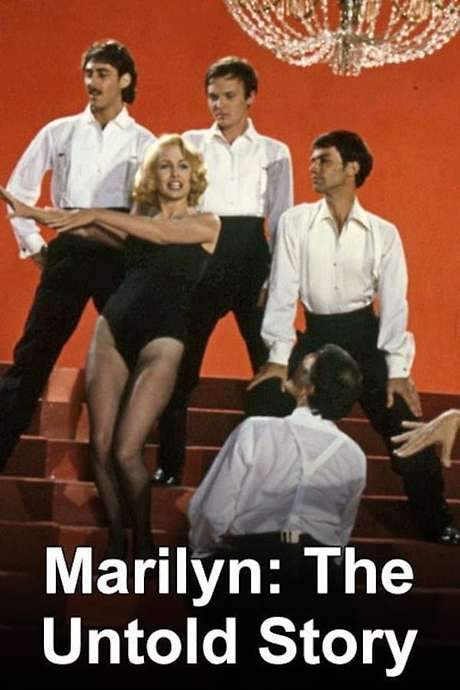
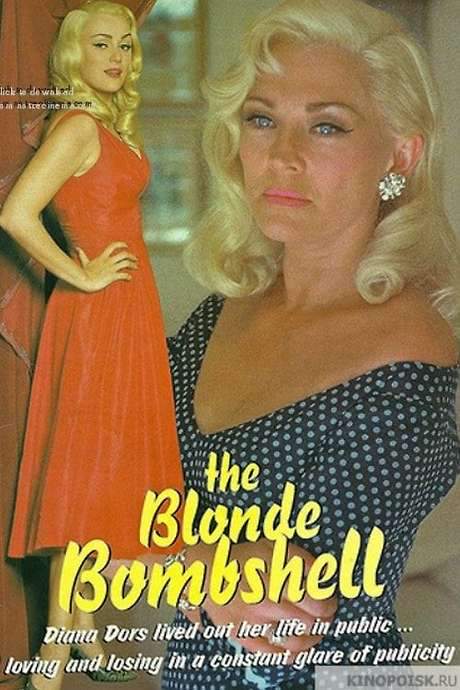
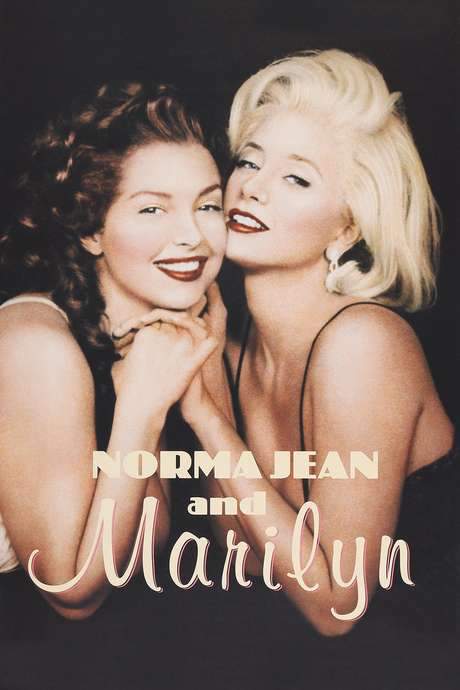
Films with a similar story, tone or audience, including Blonde, Marilyn: The Untold Story and The Blonde Bombshell.


Blonde FAQ: Cast, Runtime & Director
Runtime, director, cast, the book behind it and post-credit scenes of Blonde, each answered in a sentence.
How long is Blonde?
Blonde runs 2 hours 44 minutes (164 minutes).
Who directed Blonde?
Blonde was directed by Joyce Chopra.
More films by Joyce Chopra Who is in the cast of Blonde?
Blonde stars Ann-Margret as Della Monroe, Poppy Montgomery as Norma Jeane Baker / Marilyn Monroe and Skye McCole Bartusiak as Young Norma Jeane, among 17 credited actors.
Is Blonde based on a book?
Yes. Blonde is adapted from Blonde by Joyce Carol Oates.
Does Blonde have a post-credit scene?
No. Blonde has no extra scene during or after the credits.
Coming soon to your phone
The Plot Explained Movie Summary App
From blockbusters to hidden gems: plot summaries, endings explained and timelines on your phone. Save your favorites and never miss a twist again.
Be the first to know when it launches. Your email stays private, always. Learn more about the app
