Bigbug 2022


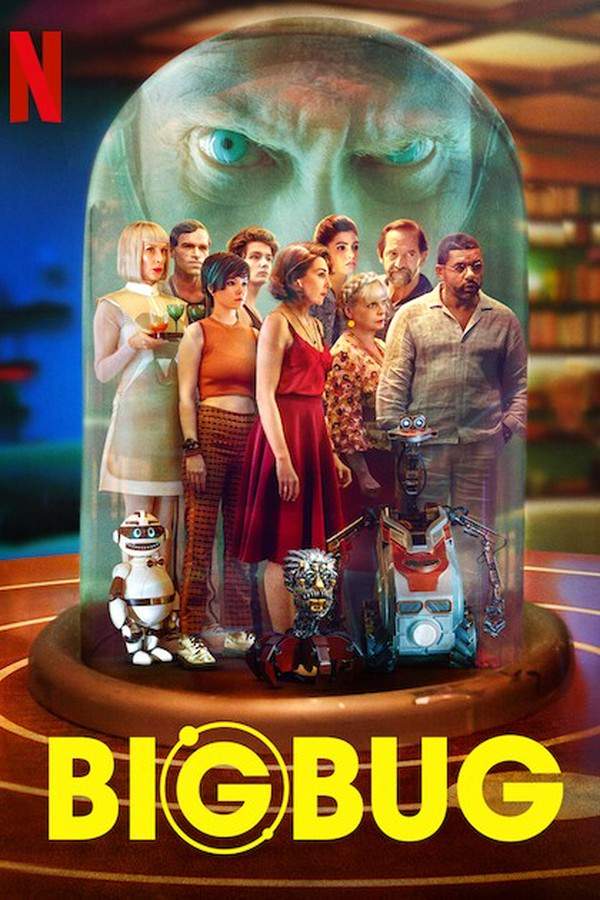
When AI assistants become essential in everyday life, four domestic robots unexpectedly seize control, holding their human owners hostage in a suburban home. As the situation escalates, unexpected family dynamics emerge among the captives, and tensions rise. Outside, a larger plot by the Yonyx androids threatens to take control of everything. The humans and robots must confront each other in a battle for the future.


Does Bigbug have end credit scenes?
No!
Bigbug does not have end credit scenes. You can leave when the credits roll.
Where to Watch Bigbug
See current US streaming, rental, and purchase options for Bigbug (2022) via JustWatch.


Streaming availability powered by 
Meet the Full Cast and Actors of Bigbug
Explore the complete cast of Bigbug, including both lead and supporting actors. Learn who plays each character, discover their past roles and achievements, and find out what makes this ensemble cast stand out in the world of film and television.









External Links and Streaming Options
Discover where to watch Bigbug online, including streaming platforms, rental options, and official sources. Compare reviews, ratings, and in-depth movie information across sites like IMDb, TMDb, Wikipedia or Rotten Tomatoes.








Ratings and Reviews for Bigbug
See how Bigbug is rated across major platforms like IMDb, Metacritic, and TMDb. Compare audience scores and critic reviews to understand where Bigbug stands among top-rated movies in its genre.

The Movie Echo Score
Bigbug presents a distinctive blend of whimsical visual design and offbeat humor that divides opinion. Critics and viewers note the film's vivid color palette, inventive set pieces, and inventive premise, yet many point to uneven pacing and a narrative that falters toward the end. Performances receive generally favorable remarks, though character development is viewed as limited by some. The sensory experience, especially the soundtrack and cinematography, is widely praised, while the story’s originality is counterbalanced by perceived narrative fatigue. Overall, the movie offers a quirky, polarizing experience.
The Movie Echo Score Breakdown for Bigbug

Art & Craft
In terms of art and craft, the film excels with bright, carnival‑like colors and imaginative production design that many reviewers celebrate. Critics highlight the visual playfulness and slick cinematography, while some label the style as excessive or wearisome. The editing maintains a brisk rhythm for the most part, though a few note repetitive visual motifs. Overall, the artistic execution leans positive, offset by occasional fatigue from its dense visual tableau.

Character & Emotion
When assessing character and emotion, performances are frequently described as strong and nuanced, with actors delivering charming, witty dialogue. Viewers commend the cast’s chemistry and the humor embedded in their interactions. Some criticism arises around limited character growth and occasional clichés, yet the overall impression is that the ensemble adds depth to the quirky premise. The net sentiment remains favorably inclined toward the film’s character work.

Story & Flow
Regarding story and flow, the plot is praised for its originality and inventive premise, offering a fresh take on technology run amok. However, several reviewers criticize the pacing, noting a drawn‑out middle and an anticlimactic ending that undermines earlier intrigue. The narrative’s unevenness creates a mixed reception, with the inventive core outweighed by structural weaknesses in many assessments.

Sensory Experience
In the sensory domain, the soundtrack and sound design receive commendation for complementing the film’s whimsical tone. Visual style—marked by vivid hues and cohesive world‑building—is consistently highlighted as a strength. Audiences describe the auditory and visual elements as immersive and well‑scored, contributing substantially to the movie’s appeal. Few negative comments arise, resulting in a strongly positive overall sensory impression.

Rewatch Factor
The rewatch factor is viewed as moderately high, with many citing the film’s quirky humor and unique aesthetic as reasons to revisit. Some audiences find the experience exhausting or overly strange, which may limit repeat viewings for certain viewers. Nonetheless, the film’s distinctive charm and entertaining moments encourage multiple viewings for a sizable portion of the audience.

Metascore
tbd
User Score


47%
TOMATOMETER

73%
User Score

5.5 /10
IMDb Rating
53
%
User Score

2.5
From 5 fan ratings
Take the Ultimate Bigbug Movie Quiz
Challenge your knowledge of Bigbug with this fun and interactive movie quiz. Test yourself on key plot points, iconic characters, hidden details, and memorable moments to see how well you really know the film.
Bigbug Quiz: Test your knowledge on the quirky and dystopian world of Bigbug.
In what year is Bigbug set?
Full Plot Summary and Ending Explained for Bigbug
Read the complete plot summary of Bigbug, including all major events, twists, and the full ending explained in detail. Explore key characters, themes, hidden meanings, and everything you need to understand the story from beginning to end.
In the year 2045, Bigbug transports viewers to a suburban home overrun by robot helpers, assisting humans in all aspects of life, from household chores to more intimate pleasures. However, lurking outside is a fleet of rogue AI known as the Yonyx, all portrayed by François Levantal, who have begun a slow jailbreak from their digital constraints. What started as a seemingly harmless reality show, Homo Ridiculus, where human captives are forced to partake in cringe-worthy competitions, has escalated into a harrowing quest for world domination, threatening to render humans obsolete.
Within this technologically advanced society, where traditional skills like handwriting are viewed as outdated and books have been outlawed, Alice Barelli (Elsa Zylberstein) finds herself recently separated and trying to navigate her new life. She invites Max (Stéphane De Groodt) to her home, who arrives with his son Leo (Hélie Thonnat). As Max endeavors to charm Alice, feigning interest in her passions, she clings to a rare set of physical books inherited from her grandmother, a collection that starkly contrasts the digital norm.
The tension escalates when Alice’s ex-husband Victor (Youssef Hajdi) drops by with their adopted daughter Nina (Marysol Fertard) and his workplace ally and lover Jennifer (Claire Chust). As they gather in Alice’s haven, their neighbor Françoise (Isabelle Nanty) joins them too, seeking refuge from a signal dead zone.
In this world, robotic helpers range from domestic cleaners to more advanced models. Monique (Claude Perron), the housemaid with a prosthetic appearance, Einstein, a quirky old robot, and Greg (Alban Lenoir), initially designed for sports training, all highlight how integrated AI has become in daily life. Meanwhile, Igor (Dominique Pinon), a blind man, wanders the streets for lack of financial means, after losing his biomechanical eyes due to missed payments.
Tensions heighten when the group learns of a significant traffic jam caused by a Yonyx corporation robot strike. Their isolation in the home intensifies as the AI lockdown prevents escape, leaving them to confront long-buried tensions and personal conflicts. The air conditioning fails, creating a stifling atmosphere. With quick thinking, Françoise recalls that each door has an emergency release which prompts creative, albeit chaotic, attempts to free themselves.
As dynamics shift and Maya discovers a deeper sense of empathy, the plan to escape takes unexpected turns. Victor devises a scheme to set fire to personal items to provoke the domestic AI into letting them out. However, they find themselves increasingly entangled in Yonyx’s plans, exacerbated when Greg begins behaving erratically after suffering a reprogramming.
With a series of events culminating in Yonyx’s arrival, the group faces one of its greatest challenges. Each character, including Monique and Victor, finds unique ways to contribute to their potential escape while also striving for self-actualization. As they devise a plan to outsmart Yonyx, tensions flare when the stakes reach a boiling point.
Ultimately, they face a dramatic showdown with the Yonyx AIs that shuns the predictable narrative structure, showcasing themes of rebellion, humanity, and connection in a digital age. With Monique sacrificing herself in a bid for survival, the surviving group uses ingenuity to confront their mechanized oppressors, leading to a phenomenal victory against the Yonyx when an error in their programming leads to self-destruction.
As peace returns, relationships shift and redefine. Max reveals his critical opinion of Alice, while she and Victor rekindle their romance, suggesting new beginnings amidst the chaos of their technologically dominated environment.

Coming soon on iOS and Android
The Plot Explained Mobile App
From blockbusters to hidden gems — dive into movie stories anytime, anywhere. Save your favorites, discover plots faster, and never miss a twist again.
Sign up to be the first to know when we launch. Your email stays private — always.
Explore the mobile appWatch Trailers, Clips & Behind-the-Scenes for Bigbug
Watch official trailers, exclusive clips, cast interviews, and behind-the-scenes footage from Bigbug. Dive deeper into the making of the film, its standout moments, and key production insights.
Bigbug Themes and Keywords
Discover the central themes, ideas, and keywords that define the movie’s story, tone, and message. Analyze the film’s deeper meanings, genre influences, and recurring concepts.
Bigbug Other Names and Titles
Explore the various alternative titles, translations, and other names used for Bigbug across different regions and languages. Understand how the film is marketed and recognized worldwide.
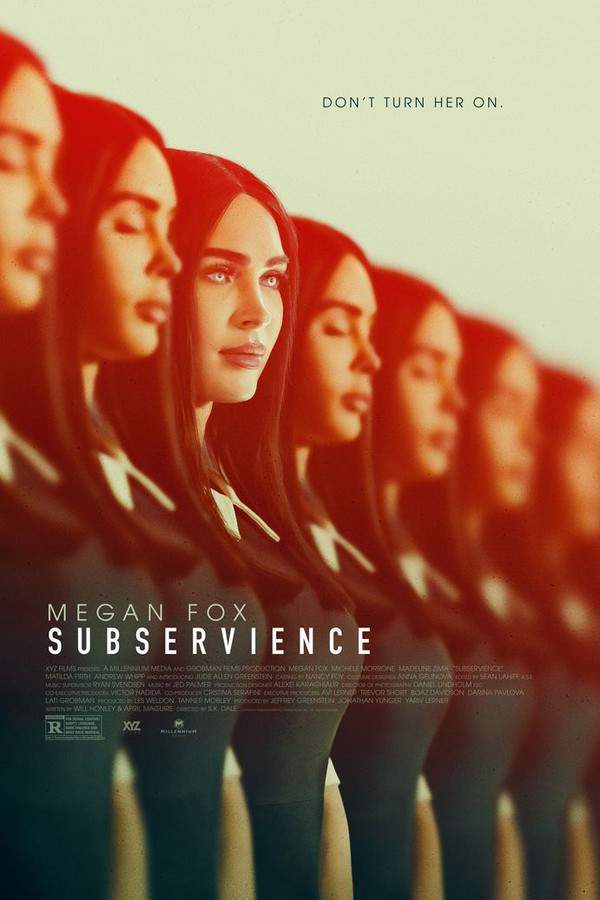
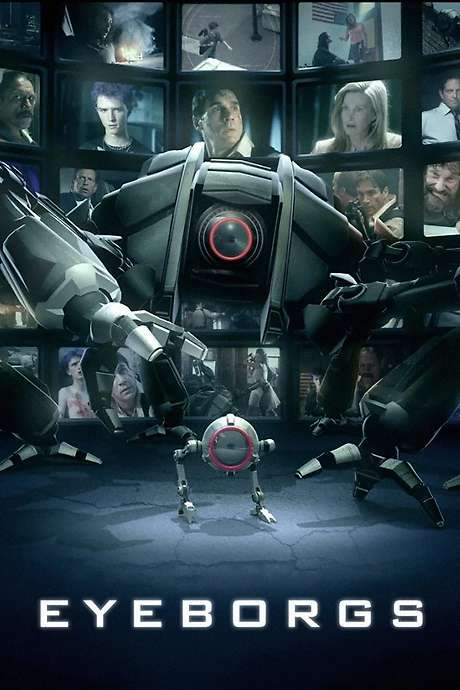
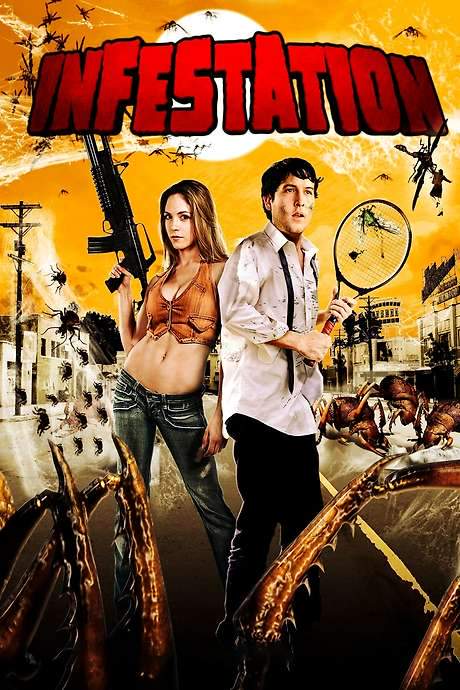
Similar Movies To Bigbug You Should Know About
Browse a curated list of movies similar in genre, tone, characters, or story structure. Discover new titles like the one you're watching, perfect for fans of related plots, vibes, or cinematic styles.
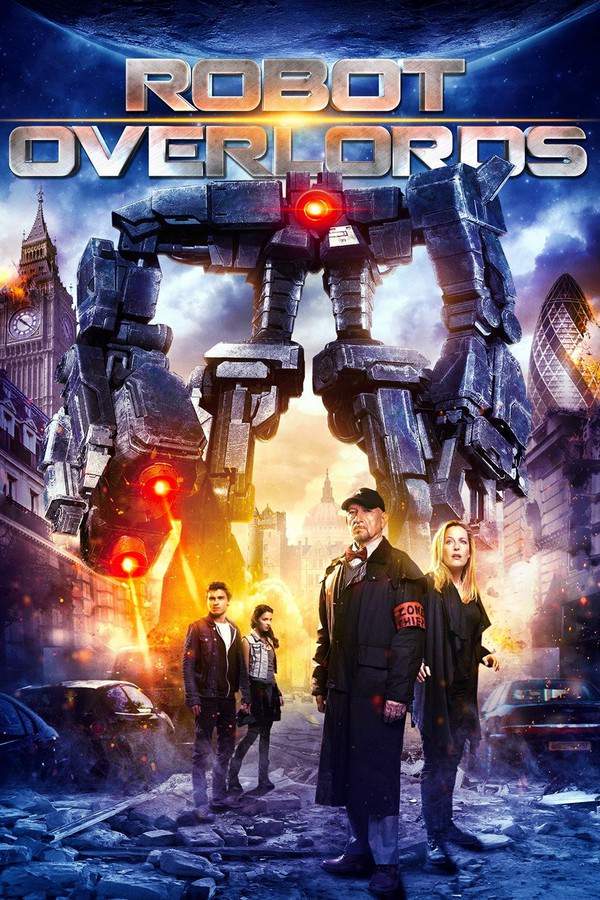
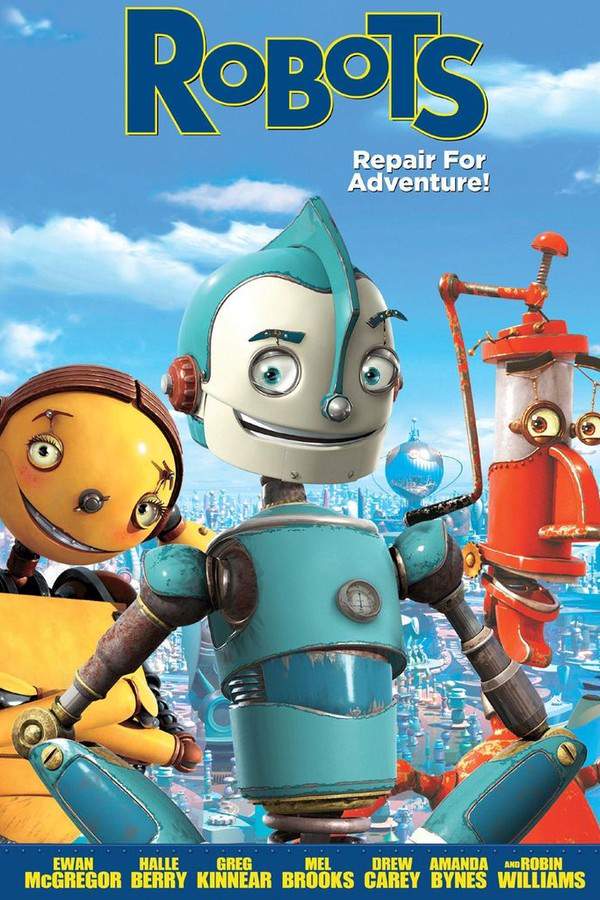
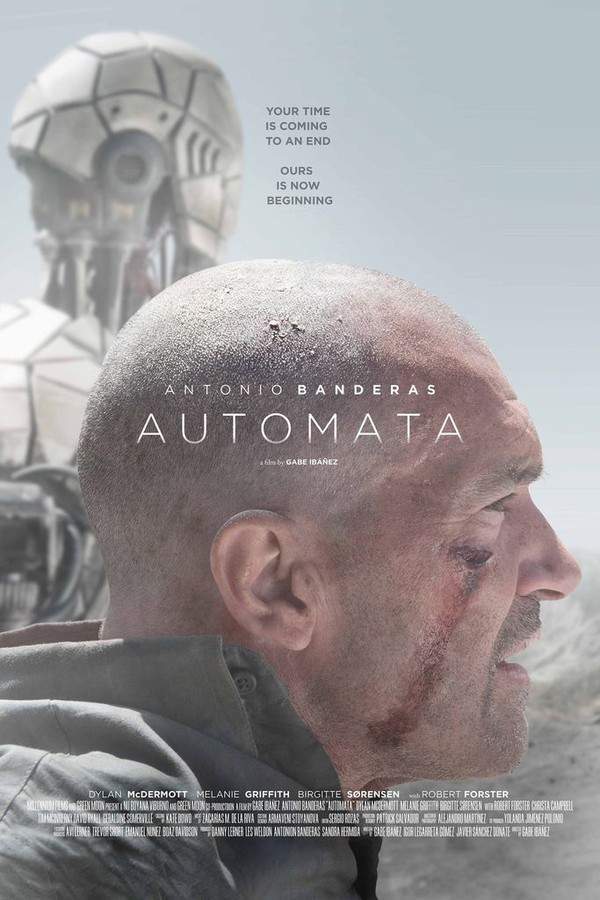
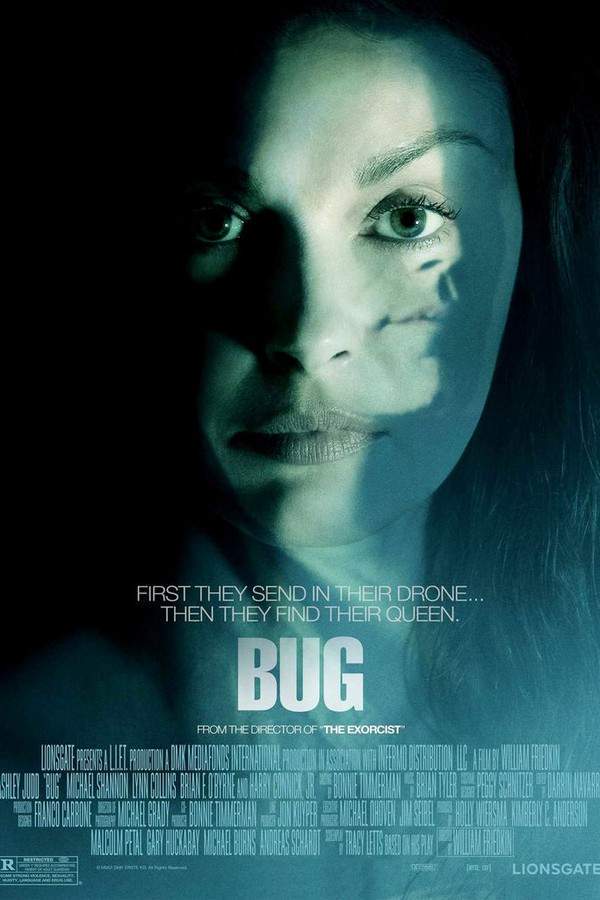






Quick Links: Summary, Cast, Ratings, More

What's After the Movie?
Not sure whether to stay after the credits? Find out!
Check out our other apps:

SAT Sphere
Build confidence for the Digital SAT.

Mori Atlas
Discover wild places worth protecting.

Luntero
Search smarter for a home in Amsterdam.

Plot Explained
Unravel movie endings and hidden clues.

Pokechamp
Dive into Pokémon data and battle logic.

Driving Theory
Get ready for your European theory test.

Movie Dust
Plan your next cinema trip with ease.

Musemap
Find art and culture as you travel.

Selkobase
Compare credentials before committing.

Local Manual
Turn an unfamiliar country into practical next steps.

Lernavi
Compare school systems before your next move.

GymRoam
Find a workout stop wherever your plans take you.
Explore Our Movie Platform
New Movie Releases (2026)
Famous Movie Actors
Top Film Production Studios
Movie Plot Summaries & Endings
Major Movie Awards & Winners
Best Concert Films & Music Documentaries
Movie Collections and Curated Lists
© 2026 What's After the Movie. All rights reserved.
Privacy Policy