
Bewitched 1945

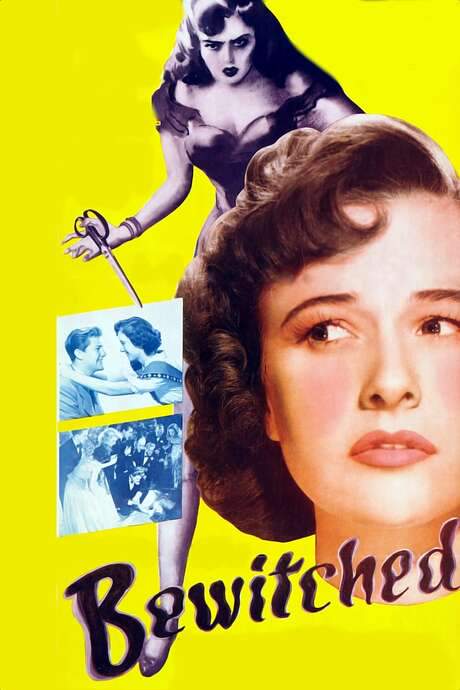
SHE LIVED TWO AMAZING LIVES! Darling of Society… Cruel Love-Killer A girl enlists a psychic to get rid of her murderous alternate personality.


Does Bewitched have end credit scenes?
No!
Bewitched does not have end credit scenes. You can leave when the credits roll.
Meet the Full Cast and Actors of Bewitched
Explore the complete cast of Bewitched, including both lead and supporting actors. Learn who plays each character, discover their past roles and achievements, and find out what makes this ensemble cast stand out in the world of film and television.
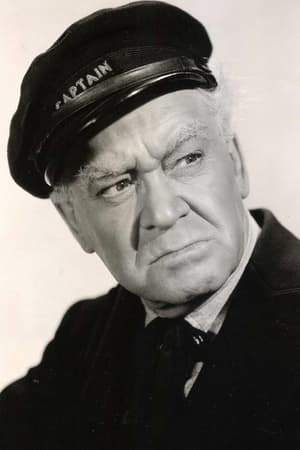
Oscar O'Shea
Capt. O'Malley
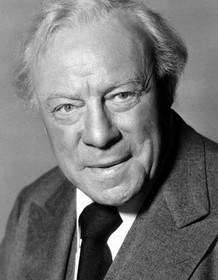
Edmund Gwenn
Dr. Bergson

Will Wright
Mr. Herkheimer
Audrey Totter
Karen (voice)
Kathleen Lockhart
Mrs. Ellis
George Meader
Juror (uncredited)
Henry H. Daniels Jr.
Bob Arnold
Stephen McNally
Eric Russell (as Horace McNally)
Francis Pierlot
Dr. George Wilton
Gladys Blake
Glenda
Minor Watson
Governor
Virginia Brissac
Martha--Governor's Wife
Addison Richards
John Ellis
Phyllis Thaxter
Joan Alris Ellis
Eddie Dunn
Prison Janitor (uncredited)
Paul Weigel
The Governor's Butler (uncredited)
Howard M. Mitchell
Juror (uncredited)
Tom Coleman
Juror (uncredited)
Forbes Murray
Judge
Harry Strang
Prison Guard
Harry Seymour
Prison Technician (uncredited)
Crane Whitley
Warden Clark (uncredited)
Anthony Warde
Masher on Street (uncredited)
Clancy Cooper
Cop (uncredited)
Forrest Taylor
Prosecutor (uncredited)
Sharon McManus
Small Girl
External Links and Streaming Options
Discover where to watch Bewitched online, including streaming platforms, rental options, and official sources. Compare reviews, ratings, and in-depth movie information across sites like IMDb, TMDb, Wikipedia or JustWatch.





Take the Ultimate Bewitched Movie Quiz
Challenge your knowledge of Bewitched with this fun and interactive movie quiz. Test yourself on key plot points, iconic characters, hidden details, and memorable moments to see how well you really know the film.
Bewitched (1945) Quiz: Test your knowledge of the 1945 film Bewitched with these ten questions ranging from easy to challenging.
Who narrates the story in a late‑night clinical voice?
Full Plot Summary and Ending Explained for Bewitched
Read the complete plot summary of Bewitched, including all major events, twists, and the full ending explained in detail. Explore key characters, themes, hidden meanings, and everything you need to understand the story from beginning to end.
Dr. Bergson narrates the story in a late-night, clinical voice, tapping into a case that unsettles even him. He tells a secretary to keep writing, and she remains hooked by the mystery his notes reveal, a tale that blurs science with something almost supernatural.
At a party celebrating Joan Ellis’s engagement to Bob Arnold, the young woman is pressed by an inner voice—Karen—that swells into a compulsion she cannot control. Under this overwhelming pull, Joan flees her Midwestern roots for New York, leaving behind her loving family and a circle of friends who are shocked, bewildered, and frightened. She writes a note for her worried parents—John Ellis and Mrs. Ellis—begging them not to hunt her down, a request that only deepens the mystery around her.
In the city, she assumes a new life as Joan Smith and becomes involved with Eric Russell, a mature attorney who finds himself drawn to her secrecy and vulnerability. The voice Karen approves of this relationship, and during a river cruise, Karen briefly resurfaces, stealing a kiss with a fierce, possessive intensity that chills both Joan and Eric. When Joan regains control, she is shaken and asks, “What did I do?” but she cannot voice what the other self has done to her.
Back home, a devoted fiancé—Bob Arnold—rejoins Joan’s life, and the couple attempts to rebuild. Yet tragedy strikes when Karen forces Joan’s hand to stab Bob in the back, a moment that propels Joan into a high-profile murder trial. Dr. Bergson arrives as an expert witness and declares that Joan is not insane. The defense leans on the idea that there is more to the truth than a single conscience can bear, and Eric argues that Joan’s silence may hide a hidden guilt or innocence that the jury must weigh.
The jury finally finds Joan not guilty, a verdict that fills Karen with a cruel, gleeful confidence that she can claim Eric for herself. In the courtroom, Joan reacts with a throat-tight scream: > I’m guilty!
Sentenced to die, Joan withdraws into herself and refuses to explain the contradictions roiling inside her. In prison, she murmurs to Eric, “I want to die. When I die, she dies.” Dr. Bergson begins to entertain a radical theory—that two women share one body: a guilty entity and an innocent one, locked in a struggle for control.
To test the idea, the governor—Governor—and the governor’s wife—Governor’s Wife—are drawn into the experiment of mind and fate. Bergson retrieves a book on double consciousness from the governor’s library, adds a paper knife to the pages, and, with Eric present, prepares to press the experiment to a dramatic close.
Saying, “There will be an execution tonight,” Bergson hypnotizes Joan. On the stage of the mind, [Karen] and Joan become visible as transparent, spectral figures, standing on either side of Joan’s seated form. Karen’s makeup-heavy face wears a feral smile, while Joan remains silent. The ritual ends with Bergson narrating a grim balance of power: Karen grows weaker as Joan seems to gain strength, and the image of Karen fades away. In the end, Joan leans into Eric’s arms, the struggle resolved in a way that leaves her with a final, unsettling calm: a smile that suggests she has found the light—or the illusion of it—within a divided self.

Discover Film Music Concerts Near You – Live Orchestras Performing Iconic Movie Soundtracks
Immerse yourself in the magic of cinema with live orchestral performances of your favorite film scores. From sweeping Hollywood blockbusters and animated classics to epic fantasy soundtracks, our curated listings connect you to upcoming film music events worldwide.
Explore concert film screenings paired with full orchestra concerts, read detailed event information, and secure your tickets for unforgettable evenings celebrating legendary composers like John Williams, Hans Zimmer, and more.


Bewitched Themes and Keywords
Discover the central themes, ideas, and keywords that define the movie’s story, tone, and message. Analyze the film’s deeper meanings, genre influences, and recurring concepts.

Unlock the World of Movies with Our Comprehensive Wiki
Dive into our Movie Wiki for in-depth film encyclopedia entries, including cast biographies, production trivia, plot synopses, behind-the-scenes facts, and thematic analyses. Whether you’re researching iconic directors, exploring genre histories, or discovering hidden easter eggs, our expertly curated movie database has everything you need to fuel your cinematic passion.
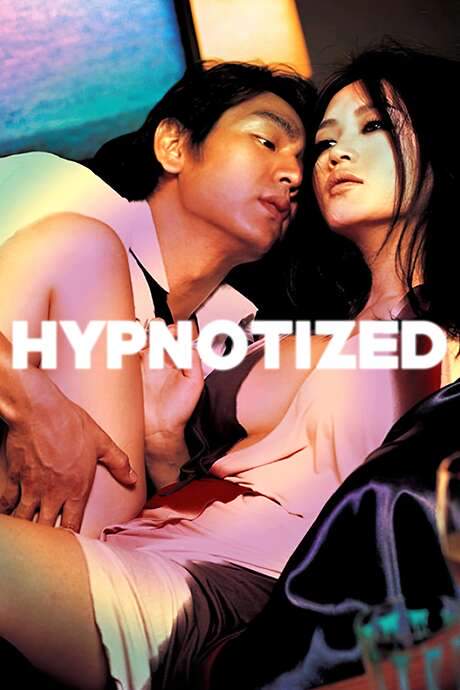
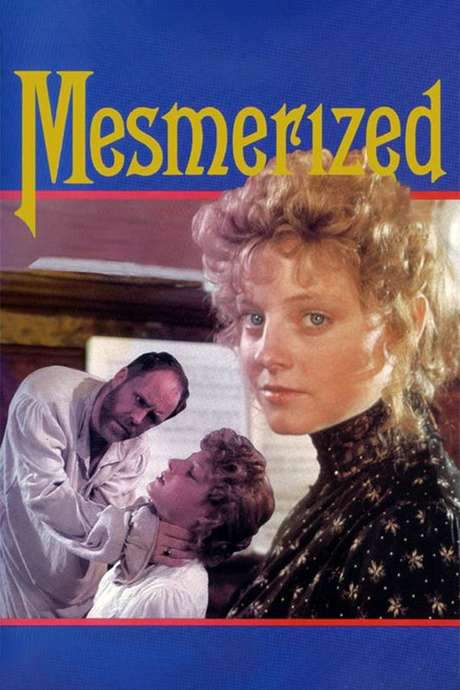
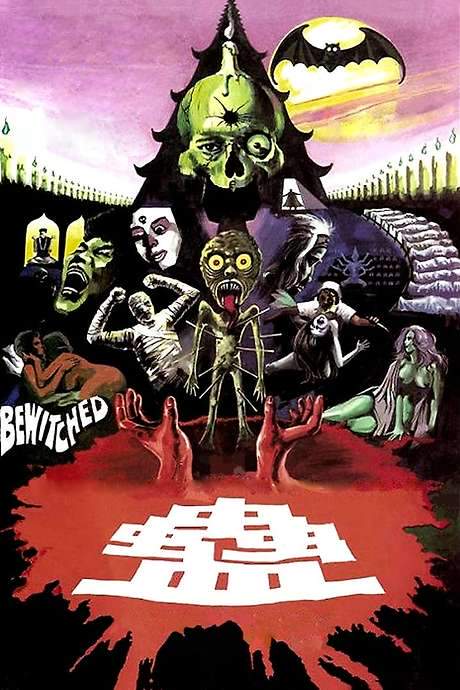
Similar Movies To Bewitched You Should Know About
Browse a curated list of movies similar in genre, tone, characters, or story structure. Discover new titles like the one you're watching, perfect for fans of related plots, vibes, or cinematic styles.





Quick Links: Summary, Cast, Ratings, More

What's After the Movie?
Not sure whether to stay after the credits? Find out!




Explore Our Movie Platform
New Movie Releases (2025)
Famous Movie Actors
Top Film Production Studios
Movie Plot Summaries & Endings
Major Movie Awards & Winners
Best Concert Films & Music Documentaries
Movie Collections and Curated Lists
© 2025 What's After the Movie. All rights reserved.