
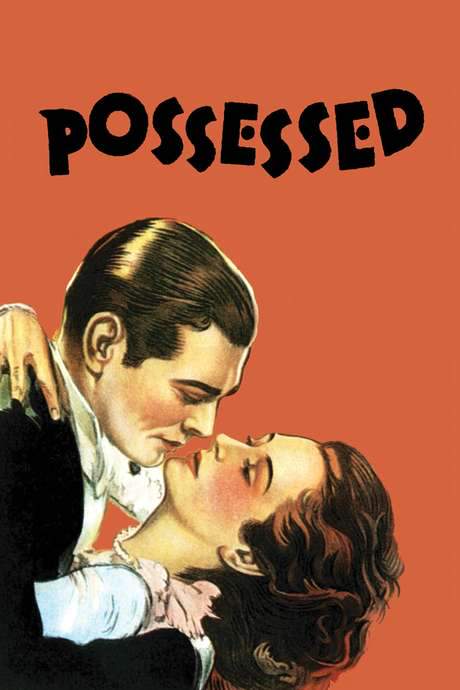
Possessed 1947

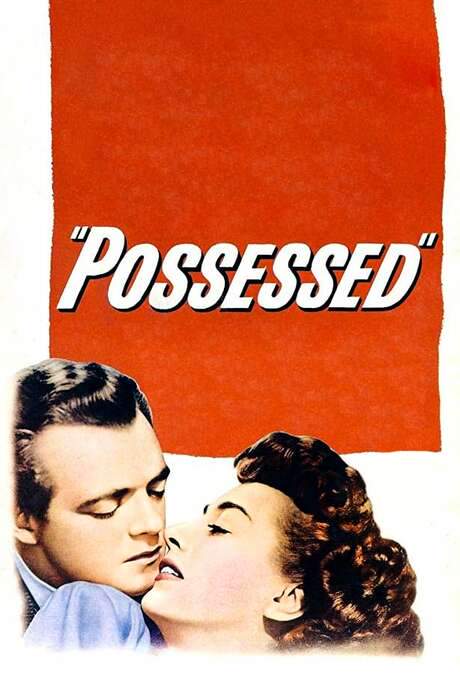
A striking performance by Joan Crawford opposite Van Heflin drives this dramatic tale. After being discovered wandering the streets of Los Angeles in a catatonic state, a woman is taken to a doctor who patiently draws out the tangled, haunting events that led her to that desperate condition.


Does Possessed have end credit scenes?
No!
Possessed does not have end credit scenes. You can leave when the credits roll.
Meet the Full Cast and Actors of Possessed
Explore the complete cast of Possessed, including both lead and supporting actors. Learn who plays each character, discover their past roles and achievements, and find out what makes this ensemble cast stand out in the world of film and television.
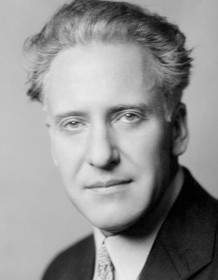
Erskine Sanford
Dr. Sherman - Graham's physician at inquest
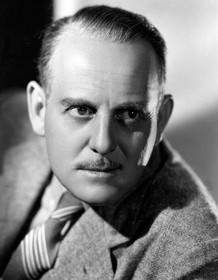
Moroni Olsen
Dr. Ames - Mrs. Smith's psychiatrist
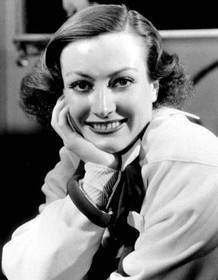
Joan Crawford
Louise Howell
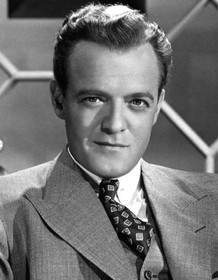
Van Heflin
David Sutton

Griff Barnett
Coroner
Raymond Massey
Dean Graham
John Ridgely
Chief investigator of drowning
Stanley Ridges
Dr. Willard
Clifton Young
Intern
Douglas Kennedy
District Attorney at inquest
Rory Mallinson
Coroner's assistant
Monte Blue
Norris - lake house caretaker
Peter Miles
Wynn Graham
Jane Harker
First College Girl (uncredited)
Geraldine Brooks
Carol Graham
Don McGuire
Dr. Craig - Dr. Willard's asst.
Lisa Golm
Elsie - Graham's maid in DC
Isabel Withers
Nurse Rosen
Jakob Gimpel
Walter Sveldon - pianist
External Links and Streaming Options
Discover where to watch Possessed online, including streaming platforms, rental options, and official sources. Compare reviews, ratings, and in-depth movie information across sites like IMDb, TMDb, Wikipedia or Box Office Mojo.






Take the Ultimate Possessed Movie Quiz
Challenge your knowledge of Possessed with this fun and interactive movie quiz. Test yourself on key plot points, iconic characters, hidden details, and memorable moments to see how well you really know the film.
Possessed (1947) Quiz: Challenge yourself with ten questions about the 1947 film *Possessed*, starring Joan Crawford.
What is the name of the nurse protagonist played by Joan Crawford?
Full Plot Summary and Ending Explained for Possessed
Read the complete plot summary of Possessed, including all major events, twists, and the full ending explained in detail. Explore key characters, themes, hidden meanings, and everything you need to understand the story from beginning to end.
Louise Howell, [Joan Crawford], wanders through Los Angeles, barely speaking and repeatedly muttering the name “David” as if searching for a trace of someone from her tangled past. Her condition lands her in a hospital’s psychiatric ward where she is examined by a doctor and, in scattered, fragmentary bursts, she recalls a life she can’t fully trust. One memory centers on her lover [Van Heflin], the man who played Schumann for her, and a moment when she tells him, “I want to have a monopoly on you.”
In the years she can remember, Louise works as a nurse at the lakeside home of the Grahams. There, she tends to Pauline, the sick wife of Dean Graham, a man of wealth and gravity who straddles a fragile line between propriety and desire. Pauline is irascible and sharp-tongued, convinced that Louise is having an affair with her husband, and Louise herself feels more and more unsettled and boxed in. She longs to leave this complicated domestic arrangement, yet the responsibilities at the house pull her in and keep her tethered to a life she is increasingly wary of.
Tragedy strikes when Pauline’s body is found in the lake. The police and coroner begin their work, and Dean Graham explains Pauline’s death as a suicide. A formal inquest follows, and a verdict of accidental death is reached. The family’s quietly tense dynamics intensify: Wynn, the Graham child, and Carol, the college-age daughter, return home, and a sense of unresolved guilt lingers in the air. The coroner’s hearing is followed by tense confrontations, and Louise, already on edge, becomes a focal point of suspicion and rumor.
Carol, who resents Louise’s proximity to her father, confronts Louise in the wake of Pauline’s death. In a charged exchange, Carol hints that Pauline’s letters claimed Louise attracted Dean, and Louise senses hostility in the girl’s harsh questions. The rift between Louise and the family grows when Dean, who has come home, asserts his authority and demands an apology from Carol. In the midst of escalating tensions, David reappears in Louise’s life, and she is drawn back into the emotional thicket they shared. He denies involvement with anyone else, yet Louise’s fears and insecurities push her toward a decision that will redefine her fate.
On the border of the couple’s lives, Louise travels with the Grahams to Washington, D.C., to help care for Wynn and to step back from a relationship she cannot fully trust. There, Louise begins to drink more heavily and the strain shows in her face and demeanor. David reveals that he is no longer in love with her, a blow that deepens Louise’s sense of isolation. Despite this, Dean asks Louise to marry him, and she agrees, not because she loves him, but because she fears the consequences of losing the life she has built around him.
Louise’s bond with Carol softens as she visits the college where Carol studies, hoping for acceptance or at least a measure of sympathy. The two women reach a uneasy reconciliation, and the wedding to Dean seems set—until David arrives at the last moment, late, and speaks to Carol, evoking a past that neither Louise nor Carol fully understands. Louise warns David away and insists he leave, setting off a chain of events that will reveal how tangled loyalties have become.
At a piano recital, the memory of Louise’s earlier life collides with the present, and she experiences a disturbing hallucination in which Carol returns with David and he kisses Carol. In a moment of desperate confession, Louise admits to Pauline’s death, but Carol threatens that she will tell Dean. Louise’s fear and anger drive her to strike Carol, who falls down the stairs and dies. The incident further unsettles Louise, who seeks help from a doctor under a false name and is advised to consult a psychiatrist. She resists this step, choosing instead to pursue a divorce from Dean, telling him that Pauline despised her.
A vacation at the lake house intensifies Louise’s psychic strain. She climbs to Pauline’s bedroom and, in a chilling moment, screams, only to see Pauline’s ghost and then realize that she believes Pauline is in the room with her. Dean dismisses the vision as a figment of Louise’s mind, but the memory of her complicity in Pauline’s death continues to haunt her. She confesses to helping Pauline kill herself, though Dean insists Pauline is already dead and that Louise was away on her day off.
Back at home, Louise longs for normalcy and even a night out dancing, but the sight of David and Carol together at a nightclub unsettles her further. She fabricates a tale about David’s desire for her, and David warns that the truth could ruin Louise if Dean learns of their past. A confrontation with a doctor and the looming specter of institutionalization push Louise toward a dangerous brink. She heads for David in a final, desperate moment, and a gun becomes the instrument of a violent choice.
Louise wakes in a hospital bed, admitting that she killed David. The doctor explains that her breakdown is a psychotic episode, a torment of delusions and guilt that could have been averted with earlier help. The physician affirms that Louise is not fully responsible for David’s death, and that her recovery will be long and arduous. Dean visits, and together they face the arduous work of rebuilding their lives. The doctor’s somber prognosis underlines the slow, painful path that lies ahead for Louise, but Dean commits to standing by her as she seeks healing and a steadier sense of self.
Note: This retelling preserves the core events and emotional arc of the film, emphasizing Louise’s fragility, the tangled relationships around the Grahams, and the eventual unraveling of the chain of actions that leads to tragedy, while staying true to the source material.

Discover Film Music Concerts Near You – Live Orchestras Performing Iconic Movie Soundtracks
Immerse yourself in the magic of cinema with live orchestral performances of your favorite film scores. From sweeping Hollywood blockbusters and animated classics to epic fantasy soundtracks, our curated listings connect you to upcoming film music events worldwide.
Explore concert film screenings paired with full orchestra concerts, read detailed event information, and secure your tickets for unforgettable evenings celebrating legendary composers like John Williams, Hans Zimmer, and more.


Cars Featured in Possessed
Explore all cars featured in Possessed, including their makes, models, scenes they appear in, and their significance to the plot. A must-read for car enthusiasts and movie buffs alike.
Possessed Themes and Keywords
Discover the central themes, ideas, and keywords that define the movie’s story, tone, and message. Analyze the film’s deeper meanings, genre influences, and recurring concepts.
Possessed Other Names and Titles
Explore the various alternative titles, translations, and other names used for Possessed across different regions and languages. Understand how the film is marketed and recognized worldwide.
Similar Movies To Possessed You Should Know About
Browse a curated list of movies similar in genre, tone, characters, or story structure. Discover new titles like the one you're watching, perfect for fans of related plots, vibes, or cinematic styles.



Quick Links: Summary, Cast, Ratings, More

What's After the Movie?
Not sure whether to stay after the credits? Find out!




Explore Our Movie Platform
New Movie Releases (2025)
Famous Movie Actors
Top Film Production Studios
Movie Plot Summaries & Endings
Major Movie Awards & Winners
Best Concert Films & Music Documentaries
Movie Collections and Curated Lists
© 2025 What's After the Movie. All rights reserved.