Being the Ricardos 2021


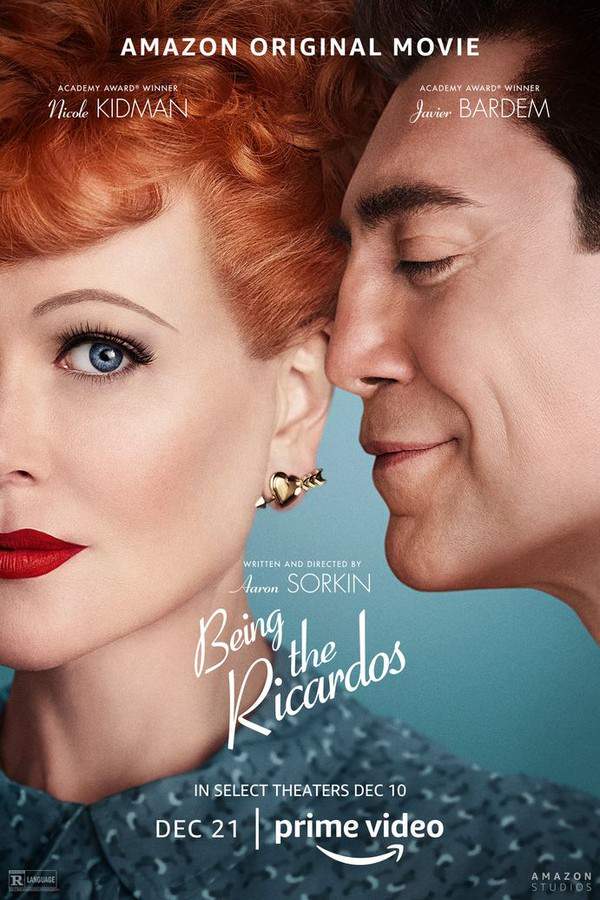
During a tense week of filming "I Love Lucy," Lucille Ball and Desi Arnaz confront both personal struggles and professional challenges. Scandalous rumors swirl, threatening their marriage and the future of the beloved sitcom. This film explores the complexities of their relationship and the pressures they faced while pushing the boundaries of entertainment in Hollywood's golden age.

Does Being the Ricardos have end credit scenes?
No!
Being the Ricardos does not have end credit scenes. You can leave when the credits roll.
Where to Watch Being the Ricardos
See current US streaming, rental, and purchase options for Being the Ricardos (2021) via JustWatch.

Amazon Prime Video
4K
Amazon Prime Video with Ads
HD
Amazon Prime Video Free with Ads
4K
Amazon Video
4K
Fandango At Home
4K
Google Play Movies
SD
YouTube
SD
Apple TV Store
4K Streaming availability powered by 
Meet the Full Cast and Actors of Being the Ricardos
Explore the complete cast of Being the Ricardos, including both lead and supporting actors. Learn who plays each character, discover their past roles and achievements, and find out what makes this ensemble cast stand out in the world of film and television.

Javier Bardem
Desi Arnaz
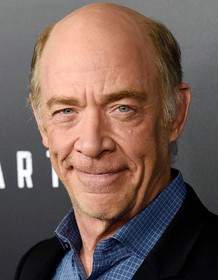
J.K. Simmons
William Frawley
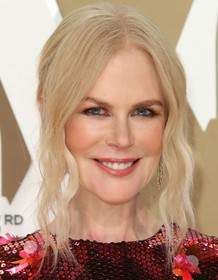
Nicole Kidman
Lucille Ball

Tony Hale
Jess Oppenheimer
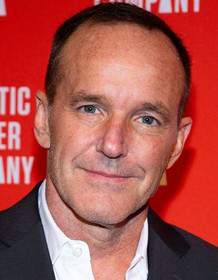
Clark Gregg
Howard Wenke

Alia Shawkat
Madelyn Pugh
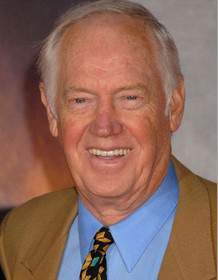
Ronny Cox
Older Bob Carroll

Nina Arianda
Vivian Vance

Jake Lacy
Bob Carroll

John Rubinstein
Older Jess Oppenheimer
Linda Lavin
Older Madelyn Pugh
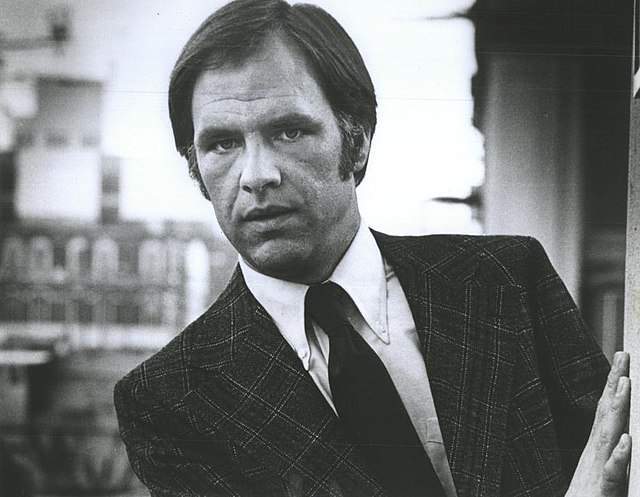
Robert Pine
External Links and Streaming Options
Discover where to watch Being the Ricardos online, including streaming platforms, rental options, and official sources. Compare reviews, ratings, and in-depth movie information across sites like IMDb, TMDb, Wikipedia or Rotten Tomatoes.











Ratings and Reviews for Being the Ricardos
See how Being the Ricardos is rated across major platforms like IMDb, Metacritic, and TMDb. Compare audience scores and critic reviews to understand where Being the Ricardos stands among top-rated movies in its genre.

The Movie Echo Score
Being the Ricardos presents a compelling look at television’s golden era, anchored by strong performances from Nicole Kidman and Javier Bardem. The screenplay showcases Aaron Sorkin’s characteristic rapid dialogue, yet the narrative feels uneven, occasionally weighed down by excessive exposition. Production values capture the period’s aesthetic, though pacing drifts in places. While the film offers moments of insight and humor, its structural inconsistencies temper its lasting impact.
The Movie Echo Score Breakdown for Being the Ricardos

Art & Craft
In terms of direction and visual craftsmanship, the film balances period-accurate set design with a polished aesthetic. Critics note Sorkin’s meticulous approach, but some argue the direction feels overly procedural, limiting cinematic dynamism. The cinematography captures the 1950s television studio vibe, yet editorial rhythm occasionally stalls, contributing to a measured but not consistently engaging viewing experience.

Character & Emotion
When evaluating character work, performances emerge as the film’s strongest asset. Kidman delivers a nuanced portrayal of Lucille Ball, while Bardem provides a compelling counterpart, and Simmons offers a notable supporting presence. Several reviewers highlight chemistry between leads, though a few criticize casting choices for secondary roles. Overall, the acting depth and emotional resonance elevate the material despite narrative flaws.

Story & Flow
The narrative structure weaves biographical detail with industry commentary, resulting in a plot that oscillates between insightful and meandering. Reviewers commend moments of sharp dialogue and historical context, yet many point to uneven pacing and a cluttered storyline that sacrifices cohesion. The film’s attempt to cover extensive ground creates occasional confusion, limiting its overall narrative effectiveness.

Sensory Experience
Auditory and visual elements reinforce the period setting, with a soundtrack that blends era-appropriate tunes and subtle scoring. Sound design captures studio ambience, while costume and production design render a convincing 1950s atmosphere. However, some critics note that the sensory polish does not fully compensate for the film’s narrative unevenness, leaving the overall sensory impact moderate.

Rewatch Factor
Rewatch value hinges on the film’s strong performances and witty script, which some viewers find engaging on subsequent viewings. Nonetheless, uneven pacing and a dense narrative may diminish repeat appeal for audiences seeking a tighter story. Consequently, while the movie offers memorable moments, its overall replayability remains moderate rather than compelling.

60
Metascore
6.2
User Score


68%
TOMATOMETER

75%
User Score

65
%
User Score

3.0
From 17 fan ratings

3.57/5
From 7 fan ratings
Take the Ultimate Being the Ricardos Movie Quiz
Challenge your knowledge of Being the Ricardos with this fun and interactive movie quiz. Test yourself on key plot points, iconic characters, hidden details, and memorable moments to see how well you really know the film.
Being the Ricardos Quiz: Test your knowledge of Lucille Ball and Desi Arnaz's life story as depicted in the film 'Being the Ricardos'.
What nickname was Lucille Ball given during her time at RKO Pictures?
Awards & Nominations for Being the Ricardos
Discover all the awards and nominations received by Being the Ricardos, from Oscars to film festival honors. Learn how Being the Ricardos and its cast and crew have been recognized by critics and the industry alike.

Best Original Score
Full Plot Summary and Ending Explained for Being the Ricardos
Read the complete plot summary of Being the Ricardos, including all major events, twists, and the full ending explained in detail. Explore key characters, themes, hidden meanings, and everything you need to understand the story from beginning to end.
As the story unfolds, we are immersed in a fascinating narrative that explores the intertwined lives of Lucille Ball and Desi Arnaz. This cinematic experience takes us on an exciting journey through their world, blending present-day insights from the show’s main writers - Jess Oppenheimer, Madelyn Pugh, and Bob Carroll Jr. - alongside poignant flashbacks that illuminate their complex relationship. We also get a unique glimpse into the meticulous planning that went into filming an episode of I Love Lucy in 1953.
The tale begins in 1939, when Ball, then a rising star at RKO Pictures, earned the title “Queen of the B-Movies” due to her remarkable achievements. Her breakthrough moment arrived with Too Many Girls, where she met and fell deeply in love with the charming Cuban singer, Arnaz. His unwavering support and her heartfelt confessions about her aspirations for a loving family led to their marriage and the acquisition of a Hollywood home. However, their attempts to enjoy quality time together were continuously hindered by Arnaz’s hectic schedule with the Desi Arnaz Orchestra, coupled with Ball’s struggles for success in her film career.
Upon returning from his service in World War II, Arnaz resumed touring with his orchestra, while Ball secured a major role in 1942’s The Big Street. She met with RKO President Charles Koerner, hopeful of solidifying her position as a leading lady akin to the legendary Rita Hayworth and Judy Holliday. However, instead of the expected support, she found her contract terminated due to her age, with a suggestion to focus on radio instead. In 1948, Ball was cast in the popular radio show My Favorite Husband, which quickly rose to become a significant success.
When CBS proposed adapting My Favorite Husband into a television series sponsored by Philip Morris, it illuminated a pivotal opportunity for Ball and Arnaz to reclaim their connection. Ball insisted that Arnaz take on the role of her on-screen husband, much to the initial dismay of the executives, who were concerned about the implications of having a Cuban man opposite an “all-American” star. Eventually, they relented, allowing the project to move forward.
By 1953, the series was reborn as I Love Lucy, achieving phenomenal success with an audience of almost 60 million viewers weekly. Producing the show through their company Desilu Productions in Los Angeles, Ball and Arnaz pioneered a groundbreaking three-camera setup designed by Arnaz, tailored to accommodate a live studio audience on the East Coast.
Despite the inevitable chaos that arose, exacerbated by her co-star William Frawley often arriving inebriated and Vivian Vance harboring resentment towards Ball’s ambitions for her character, Ball frequently clashed with directors and writers over her demands for perfection.
As the radio waves buzzed with sensational claims from Walter Winchell regarding Lucille Ball’s supposed Communist affiliations, ripples of anxiety spread throughout the I Love Lucy production team. Ball explained that her past registration as a party member occurred under the mistaken influence of a relative. Desi Arnaz, navigating his role as co-founder of Desilu Productions, sought to downplay the situation, attributing it to a simple error in checking the wrong box on the registration form.
Amidst this turmoil, the writers informed Ball of her pregnancy with their second child, only for network executives to declare that the word “pregnant” could not be mentioned on air. Confronting Arnaz about his persistent late nights, the gravity of their strained relationship became evident when he presented a tabloid photo of himself with another woman from months before. Acknowledging the tension, Frawley offered insights suggesting that Arnaz felt sidelined by Ball’s rising influence both creatively and in business, spurring conversations about their faltering marriage with showrunner Jess Oppenheimer.
Desperate for help, Ball turned to Oppenheimer, who surprisingly managed to gain permission to incorporate her pregnancy into the show, rather than ameliorating Arnaz’s fears. The tension reached a boiling point during the taping of a new episode, intensified when a newspaper article publicly deemed Ball a Communist – a label she had already cleared during an HUAC hearing.
As filming commenced, Arnaz addressed the studio audience regarding the baseless accusations, even taking a live call from FBI Director J. Edgar Hoover, who reiterated Ball’s innocence. Backstage, Ball confronted Arnaz with a lipstick-stained handkerchief, leading to a flurry of revelations and encouraging a raw, revealing moment of honesty. As filming continued, a vintage catchphrase echoed in her mind – > “Lucy, I’m home.” Ultimately, the narrative concludes with an epilogue disclosing that Ball filed for divorce following the taping of their final show in 1960.

Coming soon on iOS and Android
The Plot Explained Mobile App
From blockbusters to hidden gems — dive into movie stories anytime, anywhere. Save your favorites, discover plots faster, and never miss a twist again.
Sign up to be the first to know when we launch. Your email stays private — always.
Explore the mobile appWatch Trailers, Clips & Behind-the-Scenes for Being the Ricardos
Watch official trailers, exclusive clips, cast interviews, and behind-the-scenes footage from Being the Ricardos. Dive deeper into the making of the film, its standout moments, and key production insights.
Cars Featured in Being the Ricardos
Explore all cars featured in Being the Ricardos, including their makes, models, scenes they appear in, and their significance to the plot. A must-read for car enthusiasts and movie buffs alike.
Being the Ricardos Other Names and Titles
Explore the various alternative titles, translations, and other names used for Being the Ricardos across different regions and languages. Understand how the film is marketed and recognized worldwide.
Quick Links: Summary, Cast, Ratings, More

What's After the Movie?
Not sure whether to stay after the credits? Find out!
Check out our other apps:

SAT Sphere
Build confidence for the Digital SAT.

Mori Atlas
Discover wild places worth protecting.

Luntero
Search smarter for a home in Amsterdam.

Plot Explained
Unravel movie endings and hidden clues.

Pokechamp
Dive into Pokémon data and battle logic.

Driving Theory
Get ready for your European theory test.

Movie Dust
Plan your next cinema trip with ease.

Musemap
Find art and culture as you travel.

Selkobase
Compare credentials before committing.

Local Manual
Turn an unfamiliar country into practical next steps.

Lernavi
Compare school systems before your next move.

GymRoam
Find a workout stop wherever your plans take you.
Explore Our Movie Platform
New Movie Releases (2026)
Famous Movie Actors
Top Film Production Studios
Movie Plot Summaries & Endings
Major Movie Awards & Winners
Best Concert Films & Music Documentaries
Movie Collections and Curated Lists
© 2026 What's After the Movie. All rights reserved.
Privacy Policy