Ala Vaikunthapurramuloo 2020


Bantu desperately seeks his father's approval, while Raj's millionaire father wishes he possessed more confidence. Fate intervenes, intertwining their lives in unexpected ways. The story explores themes of family, identity, and the pursuit of belonging, revealing the complexities of human relationships and the challenges of finding one's place.


Does Ala Vaikunthapurramuloo have end credit scenes?
No!
Ala Vaikunthapurramuloo does not have end credit scenes. You can leave when the credits roll.
Meet the Full Cast and Actors of Ala Vaikunthapurramuloo
Explore the complete cast of Ala Vaikunthapurramuloo, including both lead and supporting actors. Learn who plays each character, discover their past roles and achievements, and find out what makes this ensemble cast stand out in the world of film and television.

Samuthirakani
Appala Naidu

Sachin Khedekar
Ananth Ramakrishna "ARK"

Tabu
Yasu

Vennela Kishore
Shrinivas

Jayaram
Ramachandra
Pooja Hegde
Amulya
Rahul Ramakrishna
Ravindra
Easwari Rao
Nurse Sulochana
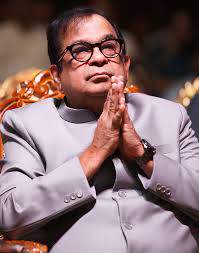
Brahmanandam
Special Appearance in "Ramuloo Ramulaa" Song
Rajendra Prasad
G.Prajapati (DIG of Police)
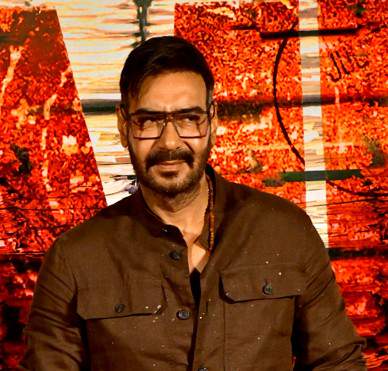
Ajay
Satyam

Tanikella Bharani
Anjaneya Prasad
Navdeep
Shekhar
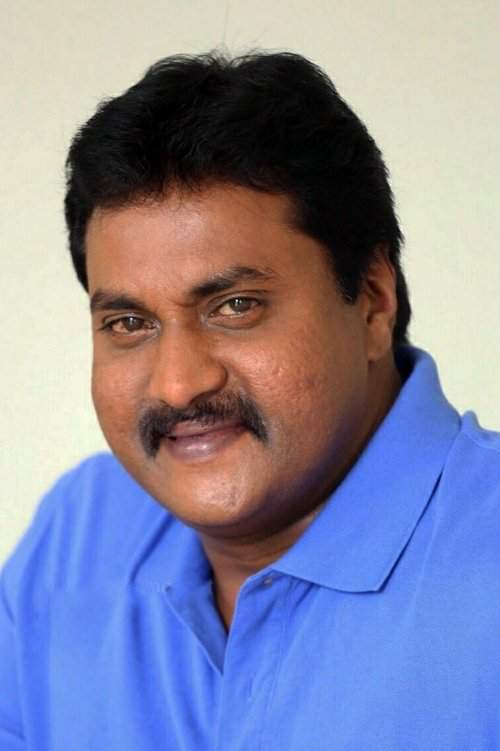
Sunil Varma
Seetharam
Harshavardhan
Kashiram
Murali Sharma
Valmiki

Brahmaji
Sudharshan
Rohini
Lakshmi, Valmiki's wife
Sirisha Sougandh
Amulya's Mother
Ananth Babu
Allu Arjun
Devaraj / Bantu
Tarzan
Port Worker
Chammak Chandra
Chittila Murthy
Govind Padmasoorya
Paidithalli
Kalyani Natarajan
Kashiram's Wife
Sushanth
Raj Manohar
Nivetha Pethuraj
Nandu
Iftekhar Shahriar Moyen
MK Khan
Hyper Adhi
Port Worker
Vaishnavi Chaitanya
Shailaja
Pammi Sai
Accused person at SP office
External Links and Streaming Options
Discover where to watch Ala Vaikunthapurramuloo online, including streaming platforms, rental options, and official sources. Compare reviews, ratings, and in-depth movie information across sites like IMDb, TMDb, Wikipedia or Rotten Tomatoes.






Ratings and Reviews for Ala Vaikunthapurramuloo
See how Ala Vaikunthapurramuloo is rated across major platforms like IMDb, Metacritic, and TMDb. Compare audience scores and critic reviews to understand where Ala Vaikunthapurramuloo stands among top-rated movies in its genre.

The Movie Echo Score
Ala Vaikunthapurramuloo delivers a commercially appealing package that leans heavily on star power, music, and vibrant visuals. While the direction and production design are praised for their polish, the narrative suffers from familiar tropes and uneven pacing, especially in the first half. Audience enjoyment stems largely from the soundtrack and charismatic performances, which sustain its appeal despite structural weaknesses. Overall, the film stands as an entertaining, if conventional, family entertainer.
The Movie Echo Score Breakdown for Ala Vaikunthapurramuloo

Art & Craft
In terms of direction and visual craft, critics note Trivikram's competent handling and well‑executed song sequences. Cinematography receives commendation for bright, lively framing, though editing is described as needing more crispness. The production design supports the film’s glossy aesthetic, but the repetitive storytelling hints at a lack of visual innovation. Consequently, the artistic execution is solid but not groundbreaking.

Character & Emotion
Character work is highlighted by strong performances from Allu Arjun and Murali Sharma, with many reviewers calling their portrayals nuanced and engaging. Supporting cast members are also noted for solid contributions. Some criticism points to over‑the‑top moments, particularly from Sharma, yet overall acting depth and chemistry are viewed positively. The emotional resonance largely aligns with audience expectations for a commercial drama.

Story & Flow
The narrative centers on a familiar switched‑at‑birth premise, which reviewers describe as derivative and overly long. Pacing issues are prominent, with a sluggish first half and intermittent comedy that hampers plot momentum. The interval segment and second half improve cohesion and engagement, but overall originality and flow remain limited, resulting in a mixed assessment of the story.

Sensory Experience
Sensory elements receive high praise, especially Thaman's soundtrack, which generated massive view counts and is cited as a major draw. Song picturizations are noted as beautifully shot and energetic, enhancing the viewing experience. Sound design and overall visual style are described as vibrant and polished, reinforcing the film’s entertainment value. These strengths elevate the sensory impact considerably.

Rewatch Factor
Rewatch potential is bolstered by the film’s catchy music, charismatic lead, and light‑hearted family tone, which many viewers find enjoyable on repeated viewings. While narrative repetitiveness and pacing may deter some, the entertainment quotient and memorable song sequences encourage audiences to return. Overall, the movie maintains a respectable replay appeal despite its structural flaws.
Take the Ultimate Ala Vaikunthapurramuloo Movie Quiz
Challenge your knowledge of Ala Vaikunthapurramuloo with this fun and interactive movie quiz. Test yourself on key plot points, iconic characters, hidden details, and memorable moments to see how well you really know the film.
Ala Vaikunthapurramuloo Quiz: Test your knowledge of the film's plot, characters, and key events with these 10 questions.
What is the name of the self‑made businesswoman who Bantu falls in love with?
Full Plot Summary and Ending Explained for Ala Vaikunthapurramuloo
Read the complete plot summary of Ala Vaikunthapurramuloo, including all major events, twists, and the full ending explained in detail. Explore key characters, themes, hidden meanings, and everything you need to understand the story from beginning to end.
From 1995 to 2020, this sprawling family drama weaves two parallel lives together through ambition, secrets, and a decision that echoes across generations, forcing both wealth and middle-class worlds to confront what truly defines family.
1995 sets the story in motion as Valmiki [Murali Sharma] and Ramachandra [Jayaram] begin their careers as junior clerks in Ananth Radhakrishna’s company, a powerhouse led by ARK, a figure brought to life by [Sachin Khedekar]. Ramachandra marries Yasoda “Yasu” [Tabu], vaulting into a life of privilege while Valmiki remains firmly rooted in the middle class. On the day the two families welcome their children, Ramachandra’s newborn is believed to be stillborn. When nurse Sulochana [Easwari Rao] informs Valmiki, a drastic plan forms: he offers to exchange his own baby with the dead one, hoping to grant his child a wealthier life.
As the swapped babies grow, the crying infant is named Raj by Valmiki, while Ramachandra’s son is raised as Bantu and treated harsher by his adoptive father. The accident that follows—Sulochana slipping from the hospital and slipping into a coma after Valmiki’s fateful push—begins a chain of consequences that neither family anticipated. The hospital tragedy leaves Valmiki with a cramp that slowly becomes a limp, and the truth about parentage remains buried for years. Bantu becomes the privileged son in Ramachandra’s world, a contrast to Raj’s more modest upbringing at Valmiki’s side, setting up a long-running tension between the two households.
Fast forward to 2020, and the drama shifts to a new set of pressures. Valmiki refuses to fund Bantu’s MBA, pushing Bantu to seek opportunity elsewhere. He lands a job at a Paris-bound travel company headed by Ammu, also known as Amulya [Pooja Hegde]. After a tense onboarding with HR Shekhar [Rahul Ramakrishna], Bantu begins to settle into the role and gradually falls for Ammu, a bond that deepens during a business trip to Paris with Ammu, Shekhar, and Ravindra Reddy [Rahul Ramakrishna].
Meanwhile, Raj returns from abroad having abandoned his MBA, and Ramachandra urges him to toughen up. He is pressed to deal with Paidithalli, the son of Appala Naidu [Samuthirakani], who offers to buy a substantial share of ARK’s company. Ramachandra watches the high-stakes negotiation from a hotel, while Ammu and Bantu meet with Sudharshanam, the investor behind Ammu’s firm, who wants to buy back Ammu’s travel agency; both Raj and Ammu are expected to move in different directions. Raj is briefly engaged to Ammu as ARK suggests, even though his heart remains with his cousin Nandu [Nivetha Pethuraj].
Tensions escalate when Appala Naidu tries to silence Ramachandra and seize control of the company. Bantu intervenes, saving Ramachandra and racing to the hospital, where the truth of Bantu’s parentage is finally revealed by Sulochana’s successor, and the shock strains Valmiki’s remaining ties to the family. Bantu confronts Valmiki with the reality of the switch, but ARK’s influence remains; he is welcomed into Ramachandra’s home, Vaikuntapuram, and begins to heal the frayed relationships.
With newfound authority, Bantu begins to mend the family’s rifts. He repairs Ramachandra’s broken bond with Yasu, and helps settle the quarrel with Paidithalli, while also reforming the corrupt members of the clan, Sitaram and Kashiram [Harshavardhan]. The family party at Vaikuntapuram becomes a turning point, as Yasu witnesses a kiss between Bantu and Ammu, leading to Bantu’s temporary ouster from the house. Naidu uses the opportunity to kidnap Nandu, threatening harm unless Ramachandra concedes shares to Paidithalli. Valmiki pleads, but Bantu’s loyalties are tested when he chooses to intervene and defeats Naidu’s men, ultimately forcing Paidithalli back and sparing Nandu.
In the aftermath, Raj saves Nandu, closing the rift between Raj and Ramachandra. Bantu and Valmiki reach Vaikuntapuram just as ARK reveals the truth about Sulochana’s final moments. Bantu forgives Valmiki, but the truth remains delicate: Bantu and Ramachandra unite as father and son, though Bantu asks Ramachandra not to reveal the full past to Yasu, fearing the shock could devastate her. Yasu, in turn, recognizes Bantu’s courage and contribution, awarding him 50% of the family’s shares and asking Valmiki to mentor Raj for five years, aiming to mold Raj into a successor as capable as Bantu.
As the two generations navigate their evolving identities, Raj’s return to a simpler life with Valmiki’s guidance sparks a quiet, poignant clash between old loyalties and new ambitions. The film closes on a hopeful but unsettled note: Bantu departs with Ammu in a helicopter, his future buoyed by the long arc of forgiveness, reunion, and the fragile balance between rich privilege and middle-class resilience.
Notes:
- Valmiki [Murali Sharma], Ramachandra [Jayaram], ARK [Sachin Khedekar], Yasu [Tabu], Sulochana [Easwari Rao], Bantu [Allu Arjun], Ammu [Pooja Hegde], Ravindra [Rahul Ramakrishna], Raj Manohar [Sushanth], Nandu [Nivetha Pethuraj], Paidithalli [Govind Padmasoorya], Kashiram [Harshavardhan], Lakshmi [Rohini], G. Prajapati [Rajendra Prasad], Appala Naidu [Samuthirakani] are the principal cast referenced in the narrative with their corresponding actor links where first mentioned.

Coming soon on iOS and Android
The Plot Explained Mobile App
From blockbusters to hidden gems — dive into movie stories anytime, anywhere. Save your favorites, discover plots faster, and never miss a twist again.
Sign up to be the first to know when we launch. Your email stays private — always.
Explore the mobile appDiscover Film Music Concerts Near You – Live Orchestras Performing Iconic Movie Soundtracks
Immerse yourself in the magic of cinema with live orchestral performances of your favorite film scores. From sweeping Hollywood blockbusters and animated classics to epic fantasy soundtracks, our curated listings connect you to upcoming film music events worldwide.
Explore concert film screenings paired with full orchestra concerts, read detailed event information, and secure your tickets for unforgettable evenings celebrating legendary composers like John Williams, Hans Zimmer, and more.


Ala Vaikunthapurramuloo Themes and Keywords
Discover the central themes, ideas, and keywords that define the movie’s story, tone, and message. Analyze the film’s deeper meanings, genre influences, and recurring concepts.
Ala Vaikunthapurramuloo Other Names and Titles
Explore the various alternative titles, translations, and other names used for Ala Vaikunthapurramuloo across different regions and languages. Understand how the film is marketed and recognized worldwide.
Similar Movies To Ala Vaikunthapurramuloo You Should Know About
Browse a curated list of movies similar in genre, tone, characters, or story structure. Discover new titles like the one you're watching, perfect for fans of related plots, vibes, or cinematic styles.





Quick Links: Summary, Cast, Ratings, More

What's After the Movie?
Not sure whether to stay after the credits? Find out!
Check out our other apps:

SAT Sphere
Build confidence for the Digital SAT.

Mori Atlas
Discover wild places worth protecting.

Luntero
Search smarter for a home in Amsterdam.

Plot Explained
Unravel movie endings and hidden clues.

Pokechamp
Dive into Pokémon data and battle logic.

Driving Theory
Get ready for your European theory test.

Movie Dust
Plan your next cinema trip with ease.

Musemap
Find art and culture as you travel.

Selkobase
Compare credentials before committing.

Local Manual
Turn an unfamiliar country into practical next steps.

Lernavi
Compare school systems before your next move.

GymRoam
Find a workout stop wherever your plans take you.
Explore Our Movie Platform
New Movie Releases (2026)
Famous Movie Actors
Top Film Production Studios
Movie Plot Summaries & Endings
Major Movie Awards & Winners
Best Concert Films & Music Documentaries
Movie Collections and Curated Lists
© 2026 What's After the Movie. All rights reserved.
Privacy Policy