
A Problem with Fear (2003): Cast & Plot
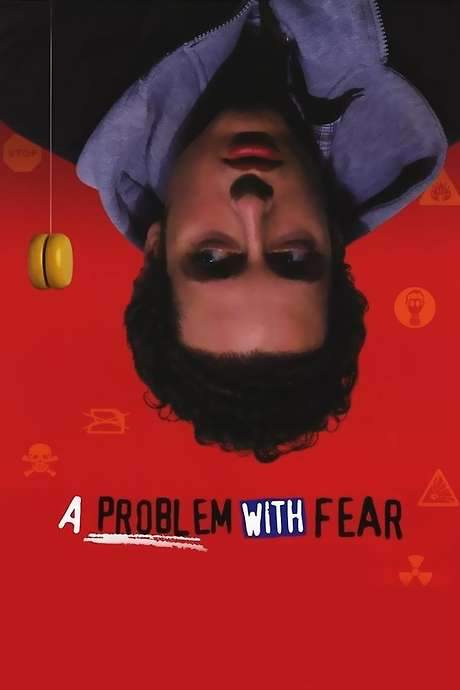
A Problem with Fear is a 2003 comedy drama directed by Gary Burns, starring Paulo Costanzo as Laurie, Camille Sullivan and Emily Hampshire. It runs 1 hour 32 minutes.
- Release year
- Runtime
- 1h 32m (92 min)
- Director
- Gary Burns
- Original language
-
 English
 - Studio
- micro_scope
- After the credits
- No No extra scene
What Is A Problem with Fear About?
The premise of A Problem with Fear without spoilers. The whole story is in the plot summary further down.
A young man in Calgary, Alberta is multiphobic: nonetheless, he believes that he is the cause of the fear which is killing people around him.
A Problem with Fear Themes & Keywords
· 18 tags- female full frontal nudity
- young
- fear
- man
- subway
- streaking
- shopping mall
- public nudity
- phobia
- nudity
- marketing
- freak accident
+6 more Show fewer
- female nudity
- female frontal nudity
- escalator
- elevator
- doppelganger
- anxiety
A Problem with Fear Cast & Characters
Paulo Costanzo leads the cast as Laurie, with Camille Sullivan as Michelle and Emily Hampshire as Dot. Directed by Gary Burns; 8 actors are credited in all.
- Director Gary Burns
- Paulo Costanzo as Laurie
-
 Camille Sullivan as Michelle
 -
 Emily Hampshire as Dot
 - Willie Garson as Erin
Also Starring in A Problem with Fear
· 4 more- Keegan Connor Tracy Vicky
- Ben Immanuel Alan
- Marnie Alton Daphne
- Kristin Nowosad
A Problem with Fear Plot Summary
What happens in A Problem with Fear from start to finish, spoilers included, with a timeline of 14 key events. The opening is below; the full summary is a 4-minute read.
Spoilers ahead
Laurie Harding Paulo Costanzo is a small shop clerk in the local Calgary mall, living inside a world where everyday scenes of modern life are treated as potential disasters. The film opens with a wry, unsettling tone as a string of deadly incidents appears to orbit around his days—crosswalks, elevators, escalators, and nearly anything tied to consumer culture or technology become objects of fear and dark humor. An elevator suddenly plummets thirty stories, a woman’s scarf becomes tangled in an escalator and ends in tragedy, and a man is struck by a car right before Laurie’s premonition not to cross seems to foreshadow another catastrophe. These sequences are less about shock-value and more about how Laurie processes danger, weaving fear into the fabric of his ordinary routines.
Full summary
The whole story of A Problem with Fear, scene by scene
How Well Do You Know A Problem with Fear?
10 questions about the story, each with a hint if you get stuck. Pick an answer to see whether you were right.
Question 1 of 10
- Question 1: not answered
- Question 2: not answered
- Question 3: not answered
- Question 4: not answered
- Question 5: not answered
- Question 6: not answered
- Question 7: not answered
- Question 8: not answered
- Question 9: not answered
- Question 10: not answered
What is the name of the mall employee who can foresee accidents?
A Problem with Fear Also Known As
2 alternative titles: “A Problem with Fear or Laurie’s Anxiety Confronting the Escalator” and “Parano”.
- Also known as
-
- A Problem with Fear or Laurie’s Anxiety Confronting the Escalator
- Parano
Seen A Problem with Fear?
Movies Like A Problem with Fear
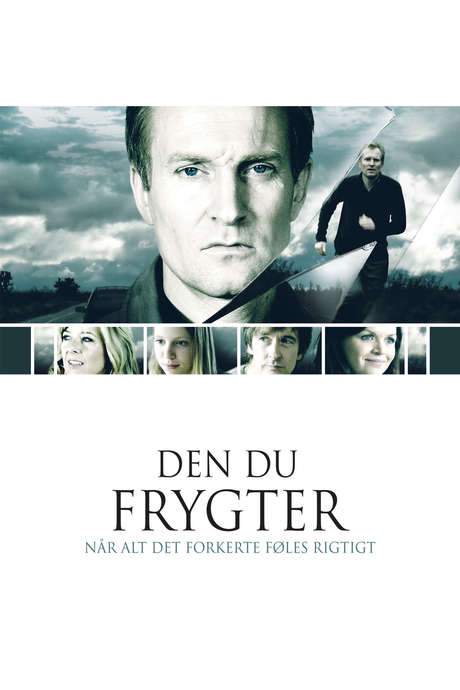
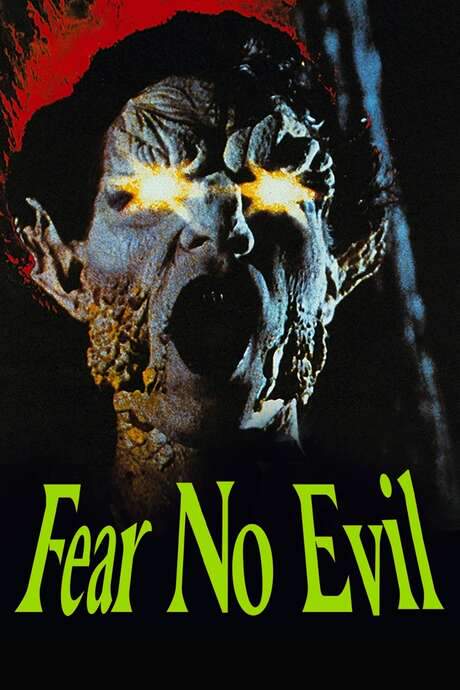
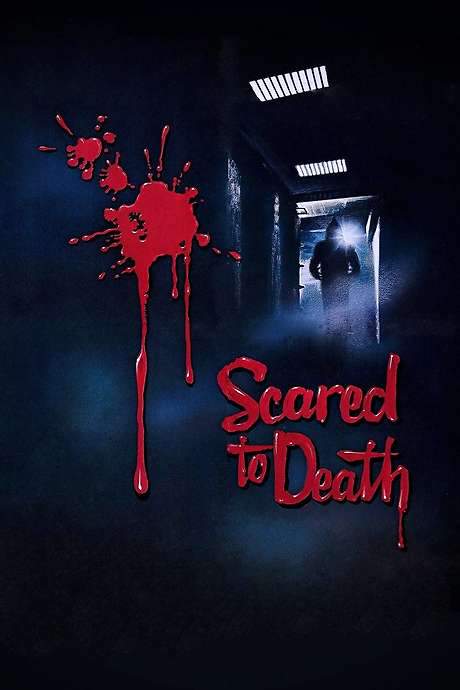
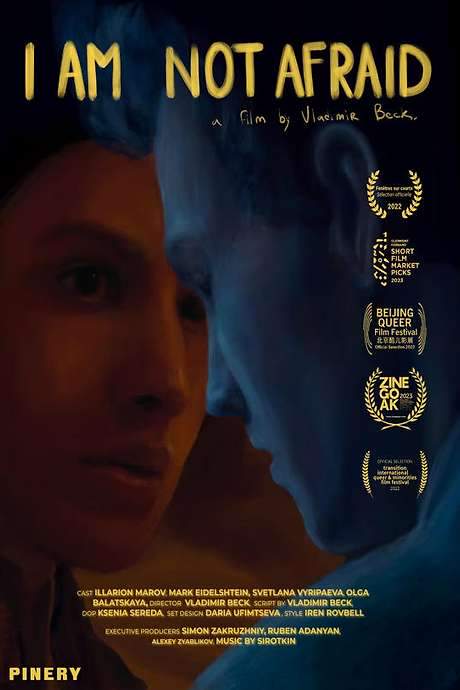
Films with a similar story, tone or audience, including Fear, Love, and Agoraphobia, Naked Fear and Phobia.



A Problem with Fear FAQ: Cast, Runtime & Release Date
Runtime, release date, director, cast and post-credit scenes of A Problem with Fear, each answered in a sentence.
How long is A Problem with Fear?
A Problem with Fear runs 1 hour 32 minutes (92 minutes).
When was A Problem with Fear released?
A Problem with Fear was released in 2003.
Who directed A Problem with Fear?
A Problem with Fear was directed by Gary Burns.
More films by Gary Burns Who is in the cast of A Problem with Fear?
A Problem with Fear stars Paulo Costanzo as Laurie, Camille Sullivan as Michelle and Emily Hampshire as Dot, among 8 credited actors.
Does A Problem with Fear have a post-credit scene?
No. A Problem with Fear has no extra scene during or after the credits.
Coming soon to your phone
The Plot Explained Movie Summary App
From blockbusters to hidden gems: plot summaries, endings explained and timelines on your phone. Save your favorites and never miss a twist again.
Be the first to know when it launches. Your email stays private, always. Learn more about the app
