
A City of Sadness (1989): Cast, Box Office & Plot
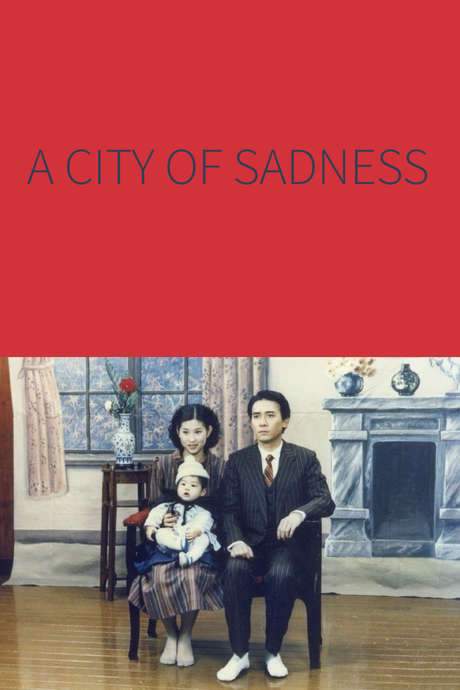
A City of Sadness is a 1989 historical drama directed by Hou Hsiao-hsien, starring Jack Kao as Wen Leung, Tony Leung and Wu Nien-jen. It runs 2 hours 38 minutes and earned $143,169 worldwide.
- Released
- Runtime
- 2h 38m (158 min)
- Director
- Hou Hsiao-hsien
- Original language
-
 Chinese
 - Studio
- ERA International
- After the credits
- No No extra scene
What Is A City of Sadness About?
The premise of A City of Sadness without spoilers. The whole story is in the plot summary further down.
It follows a Taiwanese family caught in the White Terror, the Kuomintang’s anti‑communist campaign that terrorized the island from 1947 to 1987. Through arrests, surveillance and pervasive fear, the film portrays how the political repression upended their daily lives and left lasting wounds on the nation.
A City of Sadness Themes & Keywords
· 50 tags- japanese occupation of taiwan
- taiwanese new wave
- kuomintang
- friend
- father son relationship
- japanese language spoken
- using the japanese flag for clothing
- german folk song
- year 1945
- deaf man
- chinese politics
- reference to shanghai
+38 more Show fewer
- year 1949
- kimono as gift
- gangstr
- tragedy drama
- kimono
- four brothers
- corruption
- brother sister relationship
- family saga
- cantonese language spoken
- chinese language spoken
- taiwanese
- friendship
- brother brother relationship
- reference to a childhood accident
- year 1947
- taiwanese politics
- husband wife relationship
- violence
- businessman
- mandarin language spoken
- year 1948
- year 1946
- boyfriend girlfriend relationship
- phonograph record
- reference to the phillipines
- china
- taiwanese flag
- communist
- doctor
- taiwanese language spoken
- note
- begins with text
- radical
- japanese flag
- post world war two
- deaf mute man
- witness
A City of Sadness Cast & Characters
Jack Kao leads the cast as Wen Leung, with Tony Leung as Wen-Ching and Wu Nien-jen as Mr. Wu. Directed by Hou Hsiao-hsien; 21 actors are credited in all.
- Director Hou Hsiao-hsien
-
 Jack Kao as Wen Leung
 - Tony Leung as Wen-Ching
- Wu Nien-jen as Mr. Wu
- Mei Fang as Wu's Mother
Also Starring in A City of Sadness
· 17 more- Tai Bo Ah Jia
- King Shih-Chieh Mr. Huang
- Grace Chen Shu-Fang Meidai
- Tsai Chen-Nan Singer
- Chan Chung-Yung Wen-Heung
- Su-Yun Ko Sister-in-law
- Li Tian-Lu Ah Lu
- Hsin Shu-Fen Wu Kuan Mei / Hinome
- Ju Lin Jin Quan
- Lih-Ching Lin Sister-in-law
- Huang Chien-ru Ah Xue
- Ho Ai-Yun Concubine
- Chi-Ying Kao Shopkeeper
- Wou Yi Fang Wu Kuan Rong / Hinoiei
- Ikuyo Nakamura Shizuko Ogawa
- Ching Lu Wu's Father
Show all 21 cast members Show fewer cast members
- Zhang Dachun Reporter He
A City of Sadness Plot Summary
What happens in A City of Sadness from start to finish, spoilers included, with a timeline of 14 key events. The opening is below; the full summary is a 3-minute read.
Spoilers ahead
From 1945 to 1949, in a coastal town near Taipei, Taiwan, the Lin family endures a turbulent era that follows the end of fifty years of Japanese colonial rule and precedes the establishment of a Kuomintang government-in-exile in Taiwan after the mainland falls under Communist control. The film opens on August 15, 1945, when Emperor Hirohito’s voice proclaims Japan’s unconditional surrender, and the people celebrate a sense of regained sovereignty. A flood of newcomers from the mainland—Kuomintang troops, gangsters, and left-leaning thinkers—arrives, reshaping the town’s social fabric and igniting new tensions beneath a fragile peace.
Full summary
The whole story of A City of Sadness, scene by scene
A City of Sadness Box Office
A City of Sadness grossed $143,169 worldwide.
Worldwide gross
$143.2K
- International
- $143.2K
How Well Do You Know A City of Sadness?
10 questions about the story, each with a hint if you get stuck. Pick an answer to see whether you were right.
Question 1 of 10
- Question 1: not answered
- Question 2: not answered
- Question 3: not answered
- Question 4: not answered
- Question 5: not answered
- Question 6: not answered
- Question 7: not answered
- Question 8: not answered
- Question 9: not answered
- Question 10: not answered
What is the name of the bar owned by the eldest Lin brother, Wen Leung?
A City of Sadness Also Known As
23 alternative titles, including “La città dolente” and “A Cidade do Desencanto”.
- Also known as
-
- La città dolente
- A Cidade do Desencanto
- A Cidade da Dor
- I poli tis thlipsis
- A szomorúság városa
- Hijô jôshi
- Miasto smutku
- Sorgens stad
- Bi Tình Thành Thị
- Die Stadt der Traurigkeit
- 비정성시
- La Cité des douleurs
+11 more Show fewer
- Città dolente
- Eine Stadt der Traurigkeit
- Ciudad doliente
- La ciutat de la tristesa
- Acılar Kenti
- Град на тъгата
- Beiqíng Chéngshì
- A Cidade das Tristezas
- Город скорби, სევდის ქალაქი
- Město smutku
- อาดูรแห่งแผ่นดิน
Seen A City of Sadness?
Movies Like A City of Sadness
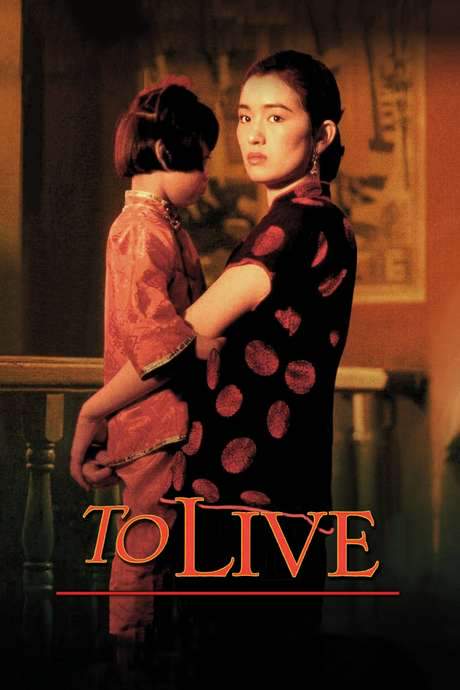
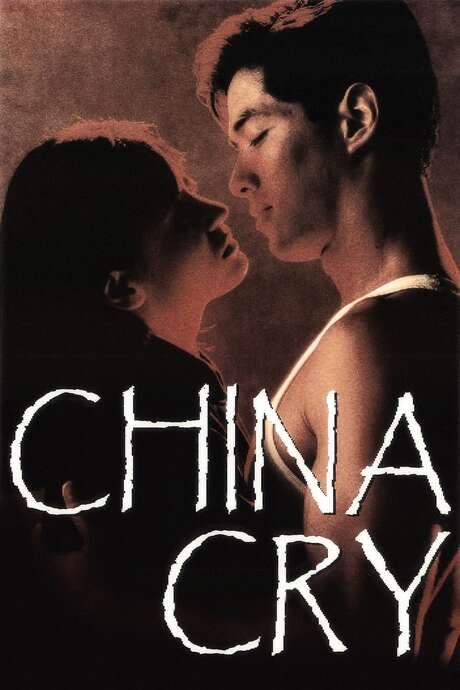
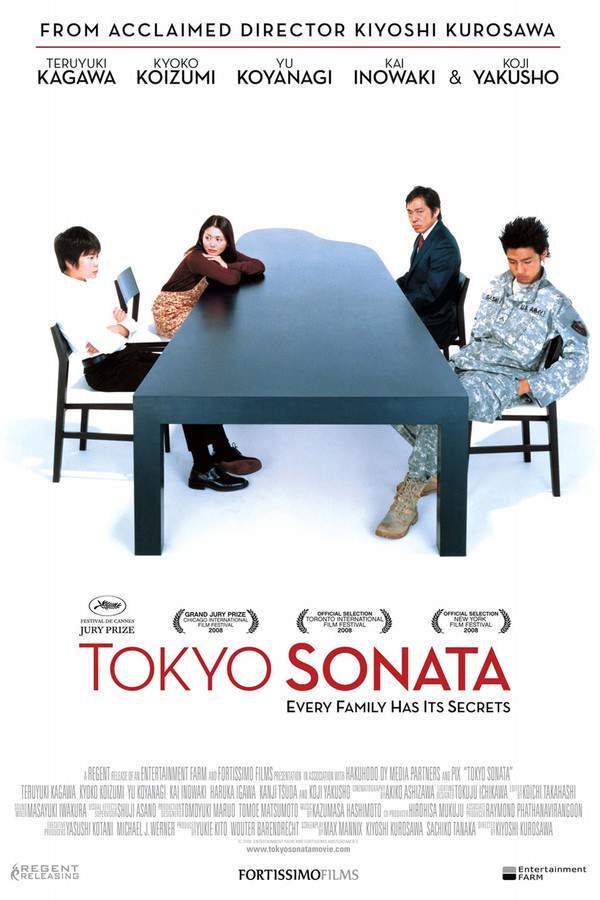
Films with a similar story, tone or audience, including Prince of Tears, March of Happiness and Taipei Story.






A City of Sadness FAQ: Cast, Box Office & Runtime
Runtime, release date, director, cast, box office, post-credit scenes and language of A City of Sadness, each answered in a sentence.
How long is A City of Sadness?
A City of Sadness runs 2 hours 38 minutes (158 minutes).
When was A City of Sadness released?
A City of Sadness was released on September 12, 1989.
Who directed A City of Sadness?
A City of Sadness was directed by Hou Hsiao-hsien.
More films by Hou Hsiao-hsien Who is in the cast of A City of Sadness?
A City of Sadness stars Jack Kao as Wen Leung, Tony Leung as Wen-Ching and Wu Nien-jen as Mr. Wu, among 21 credited actors.
How much did A City of Sadness make at the box office?
A City of Sadness grossed $143,169 worldwide.
Does A City of Sadness have a post-credit scene?
No. A City of Sadness has no extra scene during or after the credits.
What language is A City of Sadness in?
The original language of A City of Sadness is Chinese.
Coming soon to your phone
The Plot Explained Movie Summary App
From blockbusters to hidden gems: plot summaries, endings explained and timelines on your phone. Save your favorites and never miss a twist again.
Be the first to know when it launches. Your email stays private, always. Learn more about the app
