
Art Theatre Guild Movies: Every Film & Box Office
Art Theatre Guild has made 61 films from 1967 to 1986, earning $17.3K at the worldwide box office. Its biggest hits are A Man Vanishes (1967), Funeral Parade of Roses (1969) and Nanami: The Inferno of First Love (1968). Its most frequent director is Akio Jissoji (5 films). Most of its films are drama films (54 of 61).
- films
- 61
- worldwide box office
- $17.3K
- years active
- 1967–1986
- Film languages
- Japanese (60), English (1)
- Busiest decade
- The 1970s, 35 films
- Frequent director
- Akio Jissoji
What Are Art Theatre Guild's Biggest Box Office Hits?
The Art Theatre Guild films that earned the most worldwide. A Man Vanishes (1967) leads with $15.5K, 89% of everything the studio's films have earned.
- 1
 A Man Vanishes 1967 · Documentary $15.5K
- 2
 Funeral Parade of Roses 1969 · Drama $1.11K
- 3
 Nanami: The Inferno of First Love 1968 · Romance $769
What Are the Latest Art Theatre Guild Movies?
The studio's most recent releases, newest first, starting with Have You Seen the Barefoot God? (1986).
What Kind of Movies Does Art Theatre Guild Make?
The studio's films by genre, decade and language. Most of its films are drama films (54 of 61). The 1970s were its busiest decade, with 35 films.
 Japanese
 English
Who Works With Art Theatre Guild the Most?
The people credited on the most Art Theatre Guild films. Yoshio Harada appears in 8 of them, and Akio Jissoji directed 5.
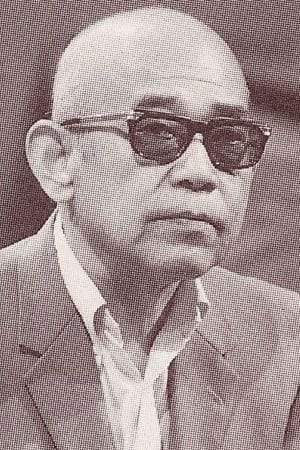
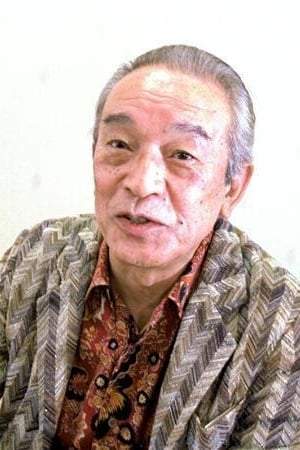
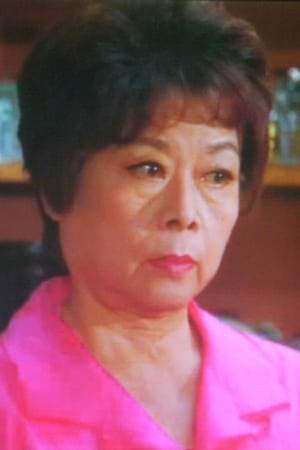
Directors Who Work With Art Theatre Guild

What Movies Has Art Theatre Guild Made?
All 61 films, newest first, with the worldwide box office. Filter by genre or decade, or sort by score, box office or title.
All 61 Art Theatre Guild Movies
Newest first. Page 1 of 2.
 Have You Seen the Barefoot God? 1986 · Drama
 Farewell to the Ark 1984 · Drama
 Deathmask 1984 · Mystery
 Mermaid Legend 1984 · Crime
 Mitsugetsu 1984 · Drama
 The Deserted City 1984 · Drama
 The Family Game 1983 · Drama
 The Living Koheiji 1982 · Drama
 The Lonely Hearts Club Band in September 1982 · Action
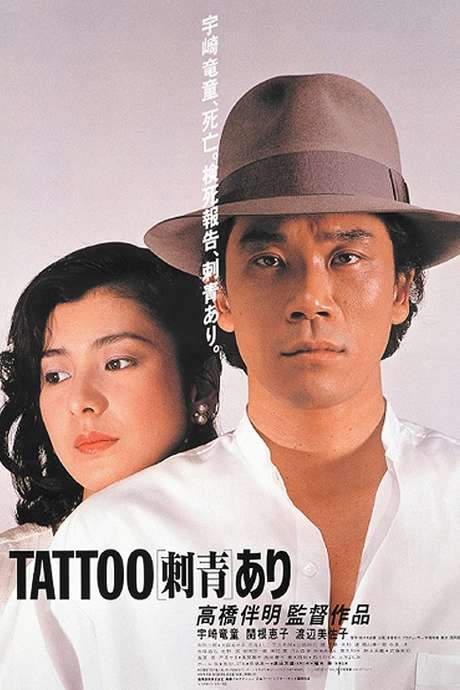 Tattoo 1982 · Drama
 I Are You, You Am Me 1982 · Comedy
 Hear the Wind Sing 1981 · Drama
 At This Late Date, the Charleston 1981 · Comedy
 Distant Thunder 1981 · Romance
 Empire of Kids 1981 · Action
 Mister, Missus, Miss Lonely 1980 · Drama
 Disciples of Hippocrates 1980 · Drama
 Zigeunerweisen 1980 · Mystery
 Children Drawing Rainbows 1980 · Documentary
 No More Easy Life 1979 · Drama
 Double Suicide of Sonezaki 1978 · Crime
 Third Base 1978 · Drama
 Lost Love 1978 · Drama
 Puppets Under Starry Skies 1978 · Drama
 Kitamura Tokoku: My Winter Song 1977 · Drama
 Double Suicide at Nishijin 1977 · Drama
 The Love and Adventures of Kuroki Taro 1977 · Drama
 Eros Eterna 1977 · Drama
 The Japanese Belly Button 1977 · Music
 Case of the Disjointed Murder 1977 · Mystery
 The Youth Killer 1976 · Crime
 The Sea of Genkai 1976 · Drama
 Variation 1976 · Drama
 Preparation for the Festival 1975 · Drama
 Battle Cry 1975 · Comedy
 Pastoral: To Die in the Country 1974 · Fantasy
 It Was a Faint Dream 1974 · Drama
 The Assassination of Ryoma 1974 · Drama
 Himiko 1974 · History
 The Heart 1973 · Drama
 Coup d’Etat 1973 · Drama
 Aesthetics of a Bullet 1973 · Action
 Music 1972 · Drama
 The Morning Schedule 1972 · Drama
 Dear Summer Sister 1972 · Drama
 Poem 1972 · Drama
 Lost Lovers 1971 · Drama
 Mandala 1971 · Drama
Which Studios Are Similar to Art Theatre Guild?
The studios with the most Japanese drama films. Art Theatre Guild has made 53 Japanese drama films, more than any other kind.








Art Theatre Guild: Questions and Answers
Films, hits, scores and what comes next, answered from the same data as this page.
How many movies has Art Theatre Guild made?
Art Theatre Guild has released 61 films, from 1967 to 1986. Its busiest decade was the 1970s, with 35 films.
See every film What is Art Theatre Guild's highest-grossing movie?
A Man Vanishes (1967) is Art Theatre Guild's biggest box office hit, with $15.5K worldwide, ahead of Funeral Parade of Roses (1969) ($1.11K).
Which director has made the most films with Art Theatre Guild?
Akio Jissoji has directed 5 Art Theatre Guild films, more than anyone else, followed by Shūji Terayama (4) and Kazuo Kuroki (4).