Lena Headey Reveals Cut Witch Coven Scenes From Thor: Love and Thunder
Marvel’s 2022 blockbuster “Thor: Love and Thunder” packed theaters with cosmic action and celebrity cameos, but audiences never saw one of its most intriguing additions. In a recent interview with Screen Rant, Lena Headey disclosed that she spent time on set filming scenes that ultimately vanished from the theatrical cut. The “Game of Thrones” veteran, widely recognized for her portrayal of Cersei Lannister in the HBO fantasy series, was slated to appear as part of a supernatural trio intended to expand the film’s mythological scope.
Headey’s revelation sheds new light on the creative decisions that shaped director Taika Waititi’s sequel. While the finished movie arrived with a runtime already dense with characters and subplots, the removal of Headey’s sequences represents a significant narrative excision—one that eliminated an entire coven of witches from the Marvel Cinematic Universe.
The Coven That Never Was
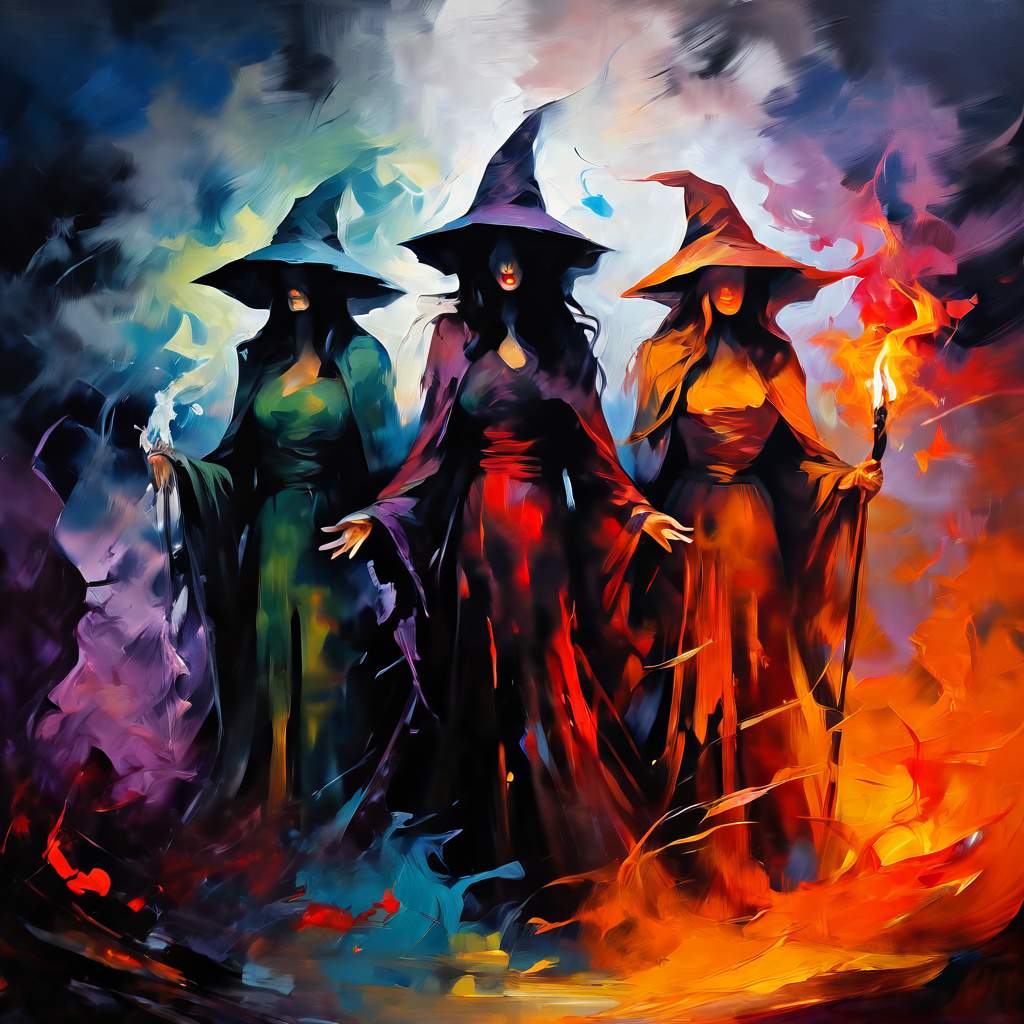
According to Headey, her deleted scenes involved a distinctly different energy from the main narrative’s cosmic battles. The actress explained that she joined Angus Sampson and Oscar winner Da’Vine Joy Randolph (“The Holdovers”) to form what she described as a “coven of witches.” This trio was conceived by Waititi to serve as Thor’s guides through the underworld, bringing a specific brand of chaotic comedy to the afterlife sequences.
The nature of these scenes suggests Waititi intended to push the humor that defined 2017’s “Thor: Ragnarok” even further into absurdist territory. Headey characterized the material as “very, very funny and kind of insane,” indicating the coven would have provided a surreal detour within the film’s already eclectic structure. The three actors developed a dynamic that Headey found genuinely enjoyable, particularly praising Randolph’s presence on set. “Oh, she’s a delight. She is a joy. She is a divine joy,” Headey remarked, expressing disappointment that audiences would not see their collaboration.
The actress addressed speculation that had circulated regarding the scenes’ removal. While some reports suggested the performers were “fired” from the production, Headey clarified that the decision stemmed from narrative questions rather than performance issues. She noted that studio executives essentially asked, “What are they doing here?”—a reflection of the scenes’ tonal departure from the main storyline. However, she suggested the original intention involved setting up these characters for potential future adventures, indicating Marvel may have envisioned the coven as more than a one-off cameo.
Why the Witches Didn’t Survive the Edit
The removal of Headey’s coven highlights the post-production challenges “Thor: Love and Thunder” faced in balancing its ambitious scope. The film arrived in theaters already carrying significant narrative weight, integrating multiple storylines and introducing numerous new figures to the franchise. This density ultimately worked against the witch sequences, which likely disrupted pacing despite their entertainment value.
Star Chris Hemsworth has publicly acknowledged the sequel’s struggles with tone and narrative cohesion. In reflections on the film’s reception, Hemsworth admitted that “Love and Thunder” got “caught up in the improv and the wackiness,” suggesting the production prioritized comedic experimentation over structural discipline. This creative approach—while refreshing in “Ragnarok”—reportedly led to a sequel that many critics and fans found uneven.
The financial performance tells a divided story. The movie generated $761 million globally, proving the franchise’s continued commercial viability. Yet critical sentiment soured compared to its predecessor. Reviews, including one from Josh Spiegel at /Film that called the film a “shaky attempt to recapture lightning in a bottle,” noted the sequel’s difficulty in managing its various elements. Against this backdrop, the decision to cut an entire supernatural subplot becomes understandable, if regrettable for fans of the talent involved.
An Overstuffed Roster of Stars
To understand why Headey’s scenes faced scrutiny, one need only examine the crowded cast list that did make the final cut. “Thor: Love and Thunder” functioned as a reunion tour and introduction platform simultaneously, featuring:
- Natalie Portman returning as Jane Foster/Mighty Thor after a nine-year absence from the MCU
- Christian Bale debuting as Gorr the God Butcher, the film’s primary antagonist
- Russell Crowe appearing as Zeus, introducing the Olympian gods to the franchise
- The Guardians of the Galaxy crew, including Chris Pratt, Zoe Saldaña, and Dave Bautista, sharing extended screen time with Thor
- Melissa McCarthy and Ben Falcone in comedic cameos as Asgardian actors
- Matt Damon and Sam Neill reprising their “Ragnarok” roles
- Brett Goldstein appearing as Hercules in a mid-credits scene
This roster left minimal room for additional characters, particularly ones introducing entirely new supernatural factions. The inclusion of Headey’s coven would have added three more significant presences to an already packed narrative, potentially exacerbating the film’s structural issues. When faced with the choice between advancing existing plot threads and introducing a tangential comedic detour, the editorial team opted for streamlining.
The Possibility of Future Adventures
Despite their absence from the final film, Headey’s comments suggest the coven concept may not be permanently abandoned. She indicated that the original vision involved finding “this land for them to have their own adventures,” implying Marvel Studios might have considered spin-off potential or future integration into Disney+ series or subsequent films. The specificity of the casting—bringing together a genre television veteran, an acclaimed character actor, and a rising Oscar winner—suggests substantial planning went into these characters beyond a simple cameo.
The nature of the cuts also reveals how Marvel evaluates unconventional creative directions. While Waititi earned significant creative freedom following “Ragnarok’s” success, “Love and Thunder” appears to have faced more scrutiny regarding which experiments survived to the final edit. The decision to question what the witches were doing in the narrative—rather than automatically deferring to the director’s vision—indicates studio investment in maintaining narrative focus, even at the cost of losing high-profile talent.
For Headey, the experience represents another near-miss with major franchise filmmaking. While her television work on “Game of Thrones” established her as a formidable presence in genre entertainment, her forays into blockbuster cinema have remained limited. The cut scenes mark a missed opportunity for her to bring her particular gravitas—capable of balancing menace and dark humor—to the MCU’s cosmic corner.
Whether the footage might appear in a future “Marvel Legends” compilation, a director’s cut, or repurposed for another project remains unknown. For now, the coven exists only in the accounts of those who filmed it—a trio of madness waiting in the wings of the Marvel multiverse.
Discover More Marvel and Movie News
Stay up to date with the latest casting announcements, deleted scenes, and behind-the-scenes revelations from your favorite franchises. What’s After the Movie is your all-around movie destination featuring comprehensive film information, box office analysis, spoiler-free summaries, ending explanations, trailers, reviews, and breaking industry news. Whether you’re tracking MCU developments or exploring independent cinema, find everything you need at https://www.whatsafterthemovie.com and dive deeper into our extensive movie database at https://www.whatsafterthemovie.com/movies.