What's After the Blog?
news • casting • interview
Karl Urban Nearly Skipped Star Trek Beyond Over McCoy Development
Karl Urban considered declining the role of Dr. McCoy in Star Trek Beyond due to limited character development in the previous installment. Director Justin Lin ultimately convinced the actor to return by detailing an expanded storyline featuring Bones and Spock stranded together on an alien planet.
May 6, 2026
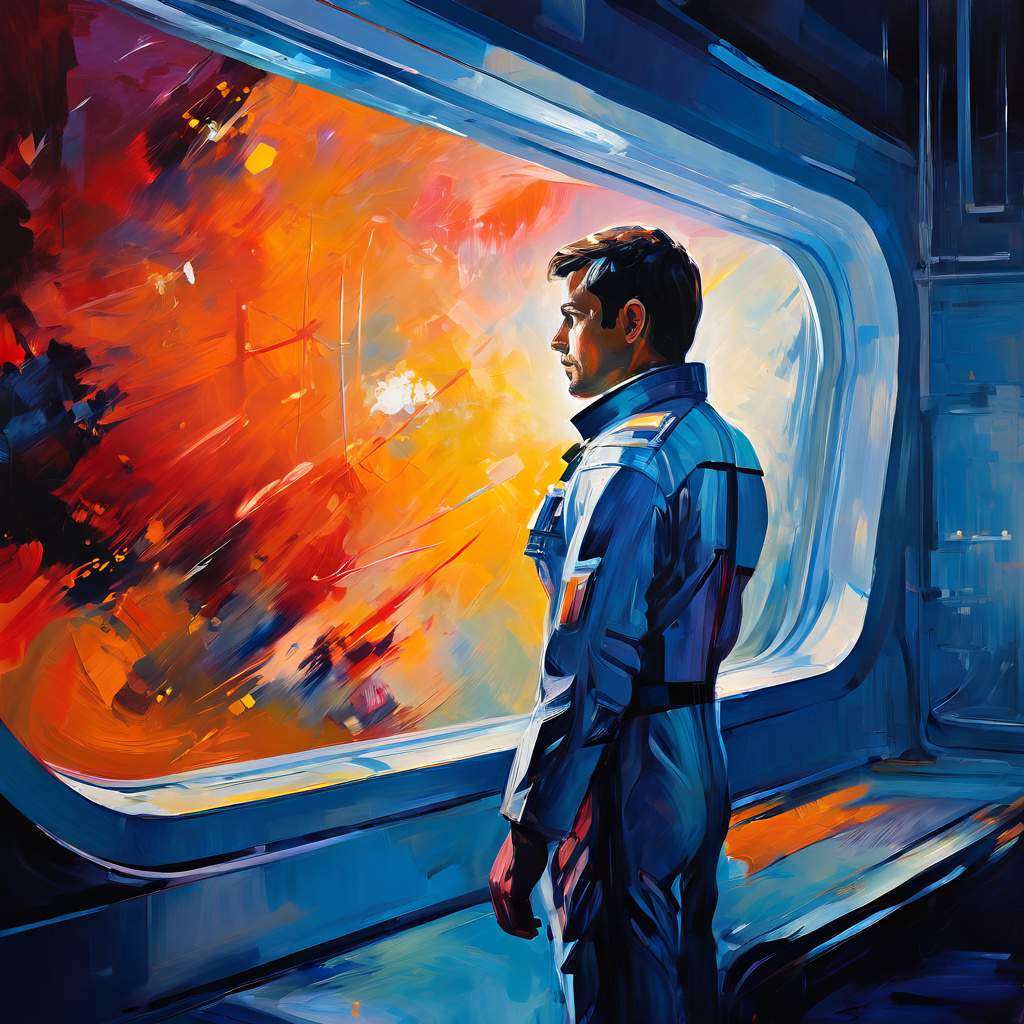
Karl Urban Nearly Skipped Star Trek Beyond Over McCoy Development
The 2009 relaunch of Star Trek under director J.J. Abrams successfully reinvigorated the decades-old science fiction property for contemporary audiences, introducing a new generation to the crew of the USS Enterprise through an alternate reality known as the Kelvin Timeline. Central to this revitalization was Karl Urban’s casting as Dr. Leonard “Bones” McCoy, the irascible yet deeply loyal chief medical officer whose dynamic with Chris Pine’s Captain Kirk and Zachary Quinto’s Spock formed the emotional backbone of the ensemble. Urban’s portrayal earned particular praise for capturing the essence of the original series while bringing fresh energy to the role. However, by the time pre-production commenced on the trilogy-capping installment, the New Zealand actor found himself questioning his return to the franchise. Speaking at the 2017 Star Trek Las Vegas convention, Urban detailed the creative disappointments and scheduling conflicts that nearly ended his tenure as the beloved doctor.
The Breaking Point: Into Darkness Disappointment
The primary source of Urban’s hesitation stemmed from his experience filming 2013’s Star Trek Into Darkness. Despite acknowledging the positive working environment and his affection for the cast—describing the group as “like family”—Urban expressed frustration regarding the screenplay’s limited utilization of Dr. McCoy. While the film achieved substantial commercial success and maintained the visual spectacle established in the 2009 reboot, Urban noted that his character lacked meaningful developmental arcs compared to the central narrative focused on Kirk and Benedict Cumberbatch’s Khan.
The actor specifically highlighted that he “didn’t have much to do” during the production, creating a sense of professional unfulfillment despite the project’s overall quality and his appreciation for Abrams’ direction. This sentiment aligned with broader fan criticisms regarding the film’s narrative choices, including the controversial decision to conceal Khan’s identity during marketing campaigns. For Urban, the experience represented a missed opportunity to explore the character’s depth beyond serving as occasional comic relief or medical exposition.
Scheduling Conflicts and Professional Crossroads
Compounding these creative concerns, the timing of Paramount Pictures’ offer for Star Trek Beyond created significant professional complications. When the studio extended an invitation to return for the third film, Urban was already in the final stages of negotiating a role in a separate feature film project. This scheduling conflict forced the actor into a difficult position, requiring him to choose between honoring his emerging commitment to the alternate production or maintaining his association with the blockbuster franchise.
The situation was further complicated by the absence of a completed script; producers were essentially requesting that Urban commit to the project based on goodwill and franchise loyalty alone. They asked him to take what he characterized as a substantial “leap of faith” without concrete assurance that his character concerns would be addressed. Urban later admitted that despite his reservations, he knew that declining the opportunity would likely result in professional regret, yet the uncertainty regarding McCoy’s narrative trajectory and the competing film opportunity created a genuine impasse that required specific creative intervention to resolve.
Several factors contributed to Urban’s initial reluctance:
- Limited Development: Minimal character growth for McCoy in Into Darkness
- Scheduling Conflicts: Advanced negotiations for a competing film project
- Script Availability: Commitment required before screenplay completion
- Professional Risk: Potential for another underutilized performance
- Franchise Loyalty: Strong bonds with cast members creating emotional stakes
Justin Lin’s Decisive Intervention
The turning point proving Urban’s continued involvement came through direct engagement with Justin Lin, the director stepping in to replace Abrams following Abrams’ departure to helm Star Wars: The Force Awakens. Lin personally contacted Urban by telephone to discuss the project, providing detailed insight into the narrative direction despite the screenplay remaining in development. The director outlined a substantial subplot involving McCoy and Spock being violently ejected from a turbolift into open space, subsequently crash-landing on an uncharted alien planet where the two disparate characters would be forced to survive together while cut off from the Enterprise crew.
This “Bones and Spock” survival arc promised significant screen time and meaningful character development through the classic Star Trek tradition of pairing the emotional, instinct-driven doctor with the logical, calculating Vulcan science officer. Urban’s reaction to Lin’s pitch was immediate and enthusiastic. The actor later recounted his response with characteristic energy, indicating that the prospect of exploring the McCoy-Spock dynamic in a survival context eliminated his hesitation entirely. The specific scenario—featuring the characters stranded together and dependent upon one another for survival while navigating hostile alien terrain—represented exactly the type of substantive contribution Urban had sought for the character.
Creative Allies Behind the Scenes
Beyond securing Lin’s directorial commitment to the character, Urban found additional support in Simon Pegg, the actor portraying Montgomery “Scotty” Scott who co-authored the screenplay alongside Doug Jung. Pegg functioned as a crucial ally in addressing Urban’s character concerns, working to ensure that McCoy received appropriate narrative weight within the ensemble structure. The writing process notably incorporated feedback from dedicated Star Trek fans, with Pegg consulting community members to ensure the screenplay honored franchise traditions while delivering satisfying character arcs.
Urban characterized this collaborative environment as establishing an expectation for “higher caliber of contribution,” noting that his candid feedback prompted the creative team to develop more substantial material for the medical officer. This behind-the-scenes advocacy translated into realized scenes that fulfilled Urban’s expectations for meaningful participation, moving beyond the limited scope that had characterized his involvement in the previous installment.
Release and Legacy
Star Trek Beyond arrived in theaters in 2016, ultimately concluding the Kelvin Timeline trilogy despite underperforming relative to its predecessors at the box office. The film garnered generally favorable critical reception, with particular praise directed toward the enhanced character dynamics and Lin’s kinetic action direction. The expanded McCoy-Spock sequences delivered on the promises made during Urban’s initial conversations with Lin, providing the actor with substantially increased screen time and developmental opportunities compared to Into Darkness.
The film is currently available for home viewing through various physical media formats including 4K Ultra HD, Blu-ray, and DVD. While the franchise has moved toward new television productions and potential future film reboots, Urban’s portrayal remains a definitive element of the Kelvin Timeline era, with his near-departure serving as a notable example of how directorial vision and collaborative screenwriting can address performer concerns to maintain franchise continuity.
What’s After the Movie?
Looking for more details on the Star Trek film series, cast interviews, and behind-the-scenes production news? What’s After the Movie offers comprehensive coverage of major franchises, including spoiler-free summaries, box office analysis, and industry reports. Explore our movie database for information on the Kelvin Timeline trilogy and other science fiction releases, or check our blog for the latest casting updates and development news from Hollywood’s biggest productions.
Continue reading


What's After the Movie?
Not sure whether to stay after the credits? Find out!
Check out our other apps:

SAT Sphere
Build confidence for the Digital SAT.

Mori Atlas
Discover wild places worth protecting.

Luntero
Search smarter for a home in Amsterdam.

Plot Explained
Unravel movie endings and hidden clues.

Pokechamp
Dive into Pokémon data and battle logic.

Driving Theory
Get ready for your European theory test.

Movie Dust
Plan your next cinema trip with ease.

Musemap
Find art and culture as you travel.

Selkobase
Compare credentials before committing.

Local Manual
Turn an unfamiliar country into practical next steps.

Lernavi
Compare school systems before your next move.

GymRoam
Find a workout stop wherever your plans take you.
Explore Our Movie Platform
New Movie Releases (2026)
Famous Movie Actors
Top Film Production Studios
Movie Plot Summaries & Endings
Major Movie Awards & Winners
Best Concert Films & Music Documentaries
Movie Collections and Curated Lists
© 2026 What's After the Movie. All rights reserved.
Privacy Policy