What's After the Blog?
news • Streaming • analysis
The Boys Season 5: V-One Formula Explained and Homelander's Endgame
The fifth season of Prime Video's "The Boys" reveals the origins of the V-One formula and its connection to Soldier Boy's immunity to the supe-killing virus. As Homelander seeks the prototype drug to achieve invulnerability, the conflict between Vought and The Boys escalates toward the series finale.
April 16, 2026
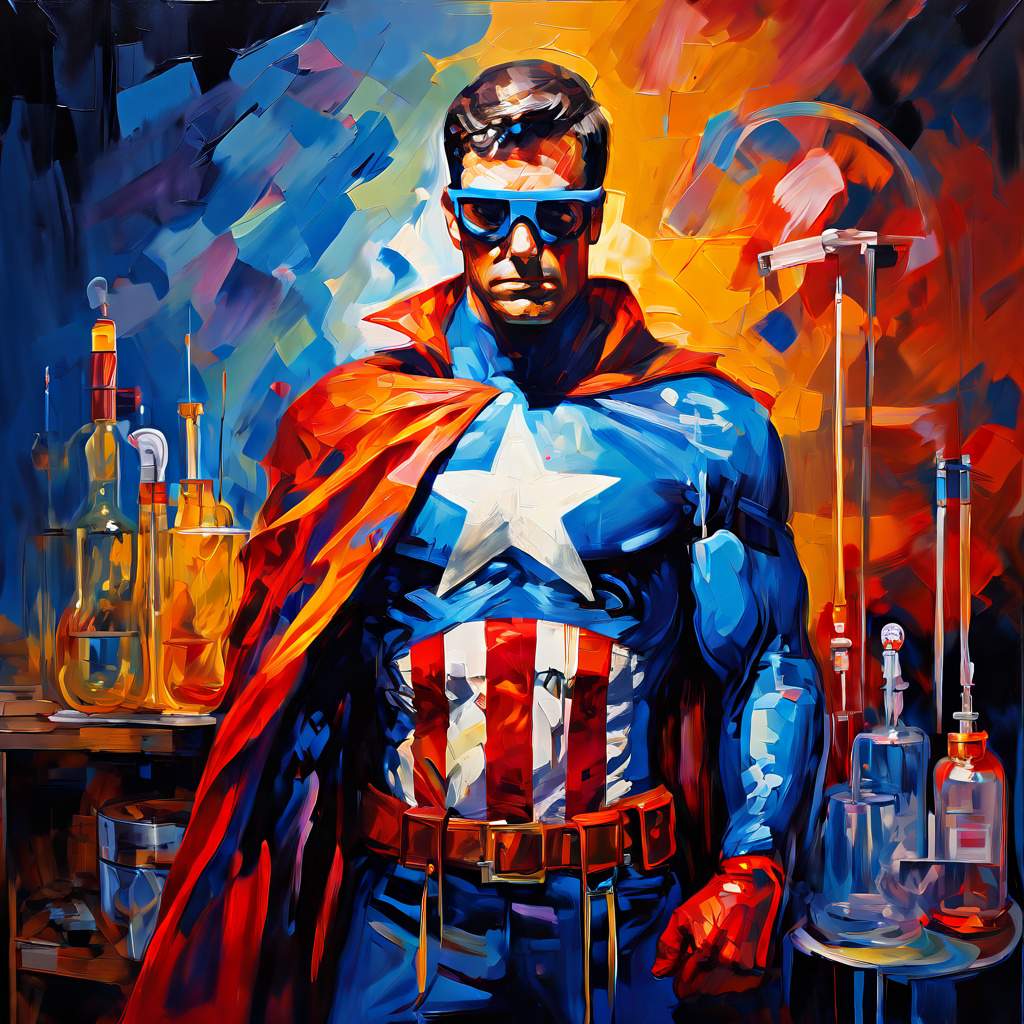
The Boys Season 5: V-One Formula Explained and Homelander’s Endgame
Prime Video’s flagship superhero satire has entered its terminal phase with revelations that fundamentally alter the conflict’s scientific foundations. Three episodes into the fifth and final season, “The Boys” introduces a critical narrative element—the V-One prototype—while pushing Homelander toward increasingly desperate measures to secure chemical immortality. As Vought’s fascist regime tightens its grip on America, the discovery of Frederick Vought’s original serum creates an arms race that could determine the fate of every super-powered individual on Earth.
What Is V-One? The Original Compound V Prototype
V-One represents the earliest iteration of the serum that would eventually spawn the superhero industrial complex. Developed by Frederick Vought during the initial phases of his experiments, this prototype predates the standardized Compound V that created mainstream heroes. Unlike its successor, V-One functioned as a brutal biological filter—thousands of test subjects perished during trials, with only a microscopic fraction achieving successful adaptation to the genetic modifications.
The drug first appeared as a significant plot point in the season 2 finale of the spin-off series “Gen V,” establishing continuity between the collegiate narrative and the main series’ endgame. For viewers tracking the franchise’s timeline, this revelation connects the modern supe crisis directly to its World War II-era origins. The survivors of V-One trials emerged with characteristics distinct from contemporary heroes, most notably a form of biological immortality that halts cellular aging entirely.
Key characteristics of the V-One formula include:
- Extreme mortality rate during initial human trials, killing thousands
- Successful adaptation grants biological immortality and halted aging
- Genetic architecture distinct from modern Compound V derivatives
- Direct connection to Frederick Vought’s earliest successful experiments
Soldier Boy’s Immunity and Viral Resurrection
The third episode resolves the cliffhanger from the previous installment, where Jensen Ackles’ Soldier Boy appeared to succumb to Billy Butcher’s supe-killing virus. Lab reports from Vought’s scientific division confirm that the World War II-era hero survived because his V-One-derived physiology renders him immune to the biological weapon. This immunity extends beyond simple longevity—Soldier Boy’s cellular structure recognizes and neutralizes the viral agent that proved fatal to two members of Teenage Kix earlier in the season.
Mother’s Milk identifies this immunity as the crucial variable separating early-generation supes from their modern counterparts. While contemporary heroes remain vulnerable to the virus developed from “Gen V” plotlines, V-One subjects possess architectural differences in their genetic makeup that function as natural antivirus protocols. This scientific distinction positions Soldier Boy not merely as a powerful combatant, but as a walking repository of genetic material that could hold the key to either total invincibility or total annihilation for the entire supe population.
The revelation carries additional weight given the episode’s familial dynamics. Despite Homelander’s attempts to seek emotional validation from Soldier Boy as his biological father, the WWII veteran remains repulsed by the connection, adding literal and emotional insult to injury whenever the Vought CEO attempts to bond. This rejection fuels Homelander’s desperation to obtain the V-One formula through alternative means, seeking to surpass his father’s genetic legacy rather than inherit his approval.
Homelander’s Descent: Paranoia, Murder, and the Quest for Godhood
Antony Starr’s portrayal of Homelander has reached new levels of megalomania as the character consolidates power through increasingly violent means. The season’s primary catalyst for psychological deterioration occurs when Homelander murders A-Train in a fit of narcissistic rage, interpreting the speedster’s actions as ungrateful betrayal. This execution marks a turning point where even manufactured loyalty becomes suspect, particularly after the release of the Flight 37 video cemented public fear rather than genuine adoration.
Following A-Train’s death, Homelander experiences hallucinations of Madelyn Stillwell—his former handler and object of twisted affection—appearing as an angelic figure urging him toward divine ascension. These visions coincide with the V-One discovery, creating a dangerous convergence of psychotic break and strategic opportunity. Homelander views the original formula as the missing component to achieve true invulnerability, transcending his current limitations to become the god-like figure he believes the world demands.
His motivation stems from deep-seated insecurity masked by authoritarian bluster. Having lost Soldier Boy’s paternal approval and facing a populace whose loyalty rests entirely on terror, the Vought CEO seeks chemical confirmation of his superiority. The hunt for V-One represents a last-ditch attempt by a pathetic, insecure man to prove his worthiness of global adulation, transforming a pharmaceutical quest into a theological crusade for validation.
The Race for Control: Vought, The Boys, and the Stan Edgar Factor
With Dr. Sameer’s departure and destruction of his research, Billy Butcher’s faction faces critical shortages of the supe-killing virus. Karl Urban’s character has already witnessed two confirmed kills from the Teenage Kix roster, yet Soldier Boy’s survival proves the weapon’s limitations against V-One subjects. This creates an urgent arms race where possession of the original formula determines whether supes face extinction or achieve total immunity.
The Boys recognize that V-One could function as an antidote to the perfected virus, assuming they can secure samples before Homelander consolidates control. However, the antagonist has secured a significant advantage by forcing former Vought CEO Stan Edgar into service at episode’s end. Giancarlo Esposito’s character possesses exclusive knowledge of the top-secret locations housing remaining V-One supplies, placing him at the center of the season’s central conflict.
Current strategic positions include:
- Butcher’s crew lacks means to create additional virus vials after Dr. Sameer destroyed the research
- V-One serves as the only known potential antidote to the supe-killing weapon
- Stan Edgar’s forced cooperation provides Homelander with insider knowledge of secure facilities
- The race to locate hidden Vought laboratories will determine the war’s final outcome
Streaming Context and Final Season Implications
As “The Boys” approaches its conclusion on Prime Video, the introduction of V-One serves as a narrative bridge connecting the main series with “Gen V” while raising stakes for the remaining episodes. The streaming platform hosts all current episodes of Season 5, with the franchise’s expansion into collegiate superhero culture providing essential context for understanding the pharmaceutical hierarchy now driving the plot toward its inevitable collision.
The show’s exploration of fascist corporate control, genetic enhancement ethics, and toxic celebrity worship continues to resonate as it enters this terminal phase. With Homelander’s regime operating openly and the resistance fragmented by scientific setbacks, the battle for V-One represents the last tactical advantage that could determine whether supes achieve permanent dominance or face manufactured extinction. The question remains whether The Boys can reach the secret locations housing the formula before Vought’s security apparatus locks down the only substance capable of rendering Homelander truly invincible.
Discover What’s After the Movie
Looking for comprehensive coverage of your favorite series? What’s After the Movie provides in-depth analysis, episode breakdowns, and industry news for shows like “The Boys” and beyond. Explore our streaming guides for platform availability, check our box office reports for theatrical trends, or browse our entertainment blog for the latest updates on Prime Video originals and superhero genre developments.
Continue reading




What's After the Movie?
Not sure whether to stay after the credits? Find out!
Check out our other apps:

SAT Sphere
Build confidence for the Digital SAT.

Mori Atlas
Discover wild places worth protecting.

Luntero
Search smarter for a home in Amsterdam.

Plot Explained
Unravel movie endings and hidden clues.

Pokechamp
Dive into Pokémon data and battle logic.

Driving Theory
Get ready for your European theory test.

Movie Dust
Plan your next cinema trip with ease.

Musemap
Find art and culture as you travel.

Selkobase
Compare credentials before committing.

Local Manual
Turn an unfamiliar country into practical next steps.

Lernavi
Compare school systems before your next move.

GymRoam
Find a workout stop wherever your plans take you.
Explore Our Movie Platform
New Movie Releases (2026)
Famous Movie Actors
Top Film Production Studios
Movie Plot Summaries & Endings
Major Movie Awards & Winners
Best Concert Films & Music Documentaries
Movie Collections and Curated Lists
© 2026 What's After the Movie. All rights reserved.
Privacy Policy