What's After the Blog?
news • Streaming • analysis
The Bizarre Star Wars Viewing Order Dominating Disney+ Streams
A new Nielsen report reveals that the three most-streamed Star Wars films on Disney+ follow a nonsensical chronological sequence. One writer tested this Episode IV, Episode I, and Rogue One viewing order to discover why this accidental trilogy creates narrative chaos.
May 8, 2026
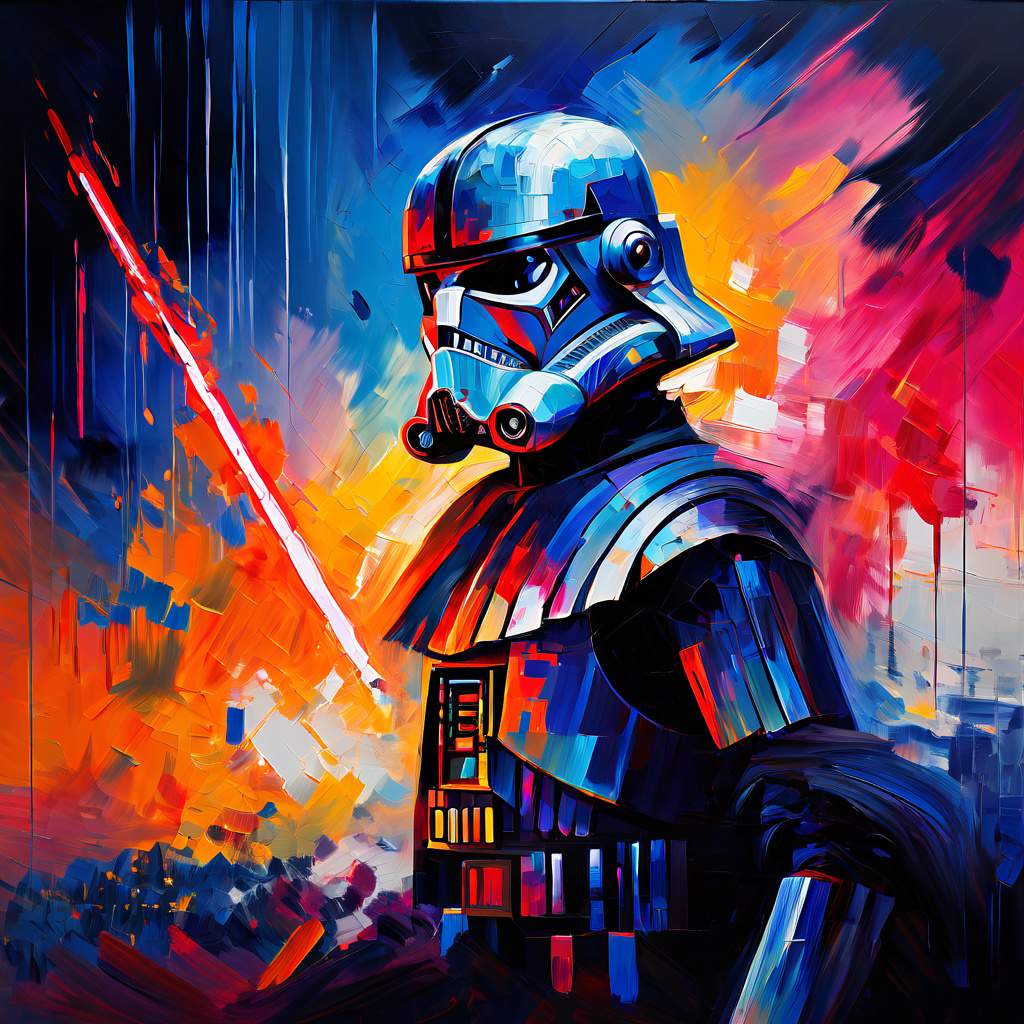
The Bizarre Star Wars Viewing Order Dominating Disney+ Streams
Star Wars Day traditionally celebrates the saga’s enduring legacy, but this year’s Nielsen streaming report revealed viewing habits that defy all narrative logic. According to data published May 4, 2026, Disney+ subscribers are consuming the galaxy far, far away in a sequence that jumps between trilogies and standalone entries without regard for chronology or plot continuity. The three most-streamed films in the franchise currently include the original film that started it all, the first prequel, and the standalone anthology entry—creating an accidental trilogy that one journalist tested so viewers don’t have to.
Industry observers anticipated several predictable patterns for Disney+ streaming statistics. Many expected the original trilogy to dominate based on universal acclaim and cultural significance, while others speculated the prequels might surge due to renewed millennial and Generation Z interest. Some analysts even predicted strong numbers for The Force Awakens given its role in revitalizing the franchise and its substantial theatrical performance. Instead, Nielsen’s findings placed Episode IV — A New Hope, Episode I — The Phantom Menace, and Rogue One: A Star Wars Story as the top three entries, in that specific order, suggesting that casual viewers prioritize accessibility over saga continuity.
The Nielsen Data and Streaming Expectations
The Nielsen report, released to coincide with Star Wars Day 2026, challenges conventional wisdom about how audiences engage with the Skywalker saga on streaming platforms. While theatrical box office returns historically follow sequential patterns or franchise-event peaks, subscription-based viewing appears to favor standalone appeal and individual film reputation over narrative continuity. The presence of A New Hope aligns with expectations as the franchise entry point, but its pairing with The Phantom Menace and Rogue One indicates viewers are either sampling individual films based on mood or inadvertently creating the most disjointed trilogy possible.
This peculiar trio represents three distinct eras of Star Wars filmmaking spanning nearly four decades of cinematic history. The 1977 original that established the mythology sits alongside the 1999 prequel that expanded the backstory, followed by the 2016 standalone that directly precedes the original film’s timeline. The lack of narrative connection between these specific installments—despite their chronological proximity in the franchise timeline—creates what amounts to an anti-marathon, skipping crucial character developments and plot revelations while jumping between radically different filmmaking styles and visual aesthetics.
Testing the Accidental Trilogy
To understand the viewer experience of this unintentional playlist, one writer committed to watching the three most-streamed films in the exact order Nielsen reported: beginning with A New Hope, jumping backward to The Phantom Menace, then leaping forward to Rogue One. The experiment treated these films as a self-contained trilogy, ignoring the existence of other saga installments to replicate the apparent behavior of casual streamers selecting titles based on popularity metrics and algorithmic recommendations alone.
Starting with A New Hope provides a solid foundation, introducing Luke Skywalker, Princess Leia, and the climactic Death Star battle that establishes the Rebellion’s first major victory. The film concludes with a celebratory medal ceremony, offering a sense of completion that might logically lead viewers to seek additional context about the galaxy’s history. Rather than continuing to The Empire Strikes Back, however, the experimental viewing moved to The Phantom Menace based on its similar emphasis on spectacle and relatively light tone compared to darker saga entries that follow the original film.
The Phantom Menace delivers immediate visual thrills through the extended podracing sequence and the multi-layered Battle of Naboo, functioning as a prequel that technically explains Obi-Wan Kenobi’s past and introduces Anakin Skywalker. Following this with Rogue One shifts the tone dramatically to a grittier war film, featuring Cassian Andor as a morally complex Rebel operative and culminating in Darth Vader’s terrifying hallway sequence. While each film entertains individually through high-quality action set pieces, the sequence creates a viewing experience devoid of the narrative continuity that defines the Skywalker saga.
Narrative Discontinuities and Missing Context
The fundamental flaw in this viewing order becomes immediately apparent when analyzing character arcs and plot revelations. By skipping The Empire Strikes Back, viewers miss the crucial revelation of Darth Vader’s identity as Luke’s father, rendering the prequel trilogy’s central tragedy emotionally weightless. When watching The Phantom Menace after A New Hope, one recognizes Obi-Wan and learns that Anakin was a great pilot, but without knowledge of his eventual fall to the dark side, the prequel becomes merely a light adventure rather than the story of a hero’s corruption and redemption.
Rogue One presents the most significant disconnect, as it shares virtually no characters with the previous two films. The Jedi have vanished, the Republic has fallen, and the Empire reigns supreme—developments unexplained in this truncated sequence. Viewers encounter Darth Vader without understanding his relationship to Luke or his role as Anakin, while the Death Star’s return lacks the historical weight of its original destruction. The only thematic through-line connecting all three films involves spherical space stations: the original Death Star, the Trade Federation’s Lucrehulk-class core ship, and the return of the battle station in Rogue One.
Key narrative elements lost in this viewing sequence include:
- The revelation of Darth Vader as Luke Skywalker’s father
- The tragic fall of Anakin Skywalker and his transformation into Darth Vader
- The political context explaining the Empire’s rise and the Jedi’s extinction
- The relationship between Obi-Wan Kenobi and Darth Vader
- The significance of the Death Star’s construction and destruction cycle
This fragmented approach eliminates the saga’s central family drama. Anakin’s story loses its tragic dimension, Luke’s heritage remains mysterious, and the Emperor’s machinations lack context. The experimental viewing reduces the epic space opera to a series of disconnected battles and visual spectacles, proving that streaming algorithms and popularity metrics cannot substitute for intentional narrative structure.
Why These Titles Lead Disney+
Several factors likely contribute to this unusual streaming hierarchy. Each film functions effectively as a standalone entry, requiring minimal prior knowledge to appreciate the immediate action. A New Hope remains the definitive entry point for newcomers, while The Phantom Menace offers younger viewers accessible action sequences and digital effects that align with contemporary blockbuster aesthetics. Rogue One benefits from recent cultural momentum and its reputation as a self-contained war story with high production values and gritty cinematography that distinguishes it from saga films.
The viewing pattern may also reflect casual sampling rather than marathon sessions. Subscribers might watch A New Hope for nostalgia, sample The Phantom Menace for meme culture or podracing sequences, then select Rogue One based on algorithmic recommendations or recent social media trends highlighting the film’s action sequences. This behavior suggests that streaming audiences prioritize immediate entertainment value over franchise mythology, treating individual films as content units rather than chapters in a larger saga, resulting in viewing patterns that would horrify continuity-conscious fans.
What’s After the Movie
Planning your next Star Wars marathon or curious about how other franchises perform on streaming platforms? What’s After the Movie provides comprehensive coverage of viewing trends, box office analysis, and franchise deep-dives. Browse our complete movie collections to discover optimal viewing sequences, check box office statistics for performance data, or explore our entertainment news section for the latest industry reports and streaming insights.
Continue reading


What's After the Movie?
Not sure whether to stay after the credits? Find out!
Check out our other apps:

SAT Sphere
Build confidence for the Digital SAT.

Mori Atlas
Discover wild places worth protecting.

Luntero
Search smarter for a home in Amsterdam.

Plot Explained
Unravel movie endings and hidden clues.

Pokechamp
Dive into Pokémon data and battle logic.

Driving Theory
Get ready for your European theory test.

Movie Dust
Plan your next cinema trip with ease.

Musemap
Find art and culture as you travel.

Selkobase
Compare credentials before committing.

Local Manual
Turn an unfamiliar country into practical next steps.

Lernavi
Compare school systems before your next move.

GymRoam
Find a workout stop wherever your plans take you.
Explore Our Movie Platform
New Movie Releases (2026)
Famous Movie Actors
Top Film Production Studios
Movie Plot Summaries & Endings
Major Movie Awards & Winners
Best Concert Films & Music Documentaries
Movie Collections and Curated Lists
© 2026 What's After the Movie. All rights reserved.
Privacy Policy