Supergirl Movie Enlists Batman v. Superman Composer Junkie XL
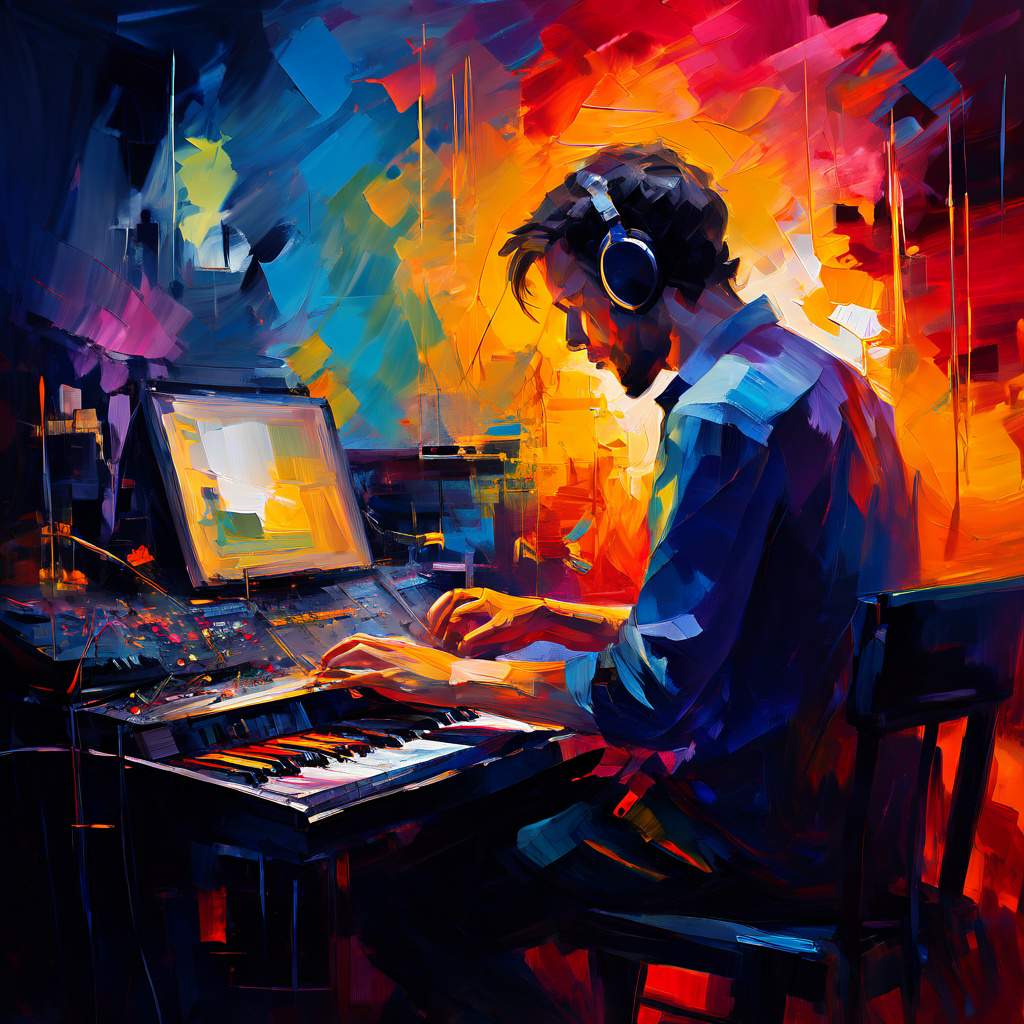
DC Studios’ upcoming Supergirl feature has orchestrated a significant creative shift behind the camera, swapping its musical architect just months after the initial announcement. Director Craig Gillespie’s superhero origin story has replaced Emmy-winning composer Ramin Djawadi with Tom Holkenborg, the electronic music producer and film scorer professionally known as Junkie XL. According to Film Music Reporter, the change stems from scheduling conflicts, as Djawadi maintains an exceptionally packed slate of high-profile television and film projects. The hiring brings a defining voice from Zack Snyder’s DC Extended Universe into James Gunn’s rebooted DC Universe, suggesting potential sonic continuity despite the ongoing creative reset.
The December announcement of Djawadi’s involvement initially positioned the Game of Thrones veteran as a prestige addition who would lend orchestral gravitas to the story of Kara Zor-El, Superman’s Kryptonian cousin. That assignment would have reunited Djawadi with star Milly Alcock, who broke out playing young Princess Rhaenyra Targaryen in House of the Dragon, the Game of Thrones prequel series that the composer also scored. With Djawadi simultaneously working on projects including Westworld, Fallout, 3 Body Problem, and the recent thriller Mercy, the production has pivoted to Holkenborg, whose recent work includes extensive collaboration with Snyder on the Rebel Moon films.
The Composer Change: From Westeros to Gotham
The musical transition represents one of the most substantial below-the-line personnel moves for the project since entering active development. When Warner Bros. announced Djawadi’s attachment in December, industry observers noted the natural synergy between the composer’s fantasy-epic sensibilities and the Superman mythos. Djawadi’s ability to weave leitmotifs through sprawling ensemble casts—demonstrated across eight seasons of Game of Thrones and the subsequent Targaryen-focused prequel—seemed ideally suited for introducing Kara Zor-El to audiences who first encountered Alcock’s iteration of the character in last year’s Superman film.
Holkenborg enters the production, however, with a distinctly different musical vocabulary and a specific history with DC properties. The Dutch composer and multi-instrumentalist first collaborated with Hans Zimmer on the score for Batman v. Superman: Dawn of Justice, contributing to that film’s thunderous, percussion-heavy soundscape. His trajectory with the franchise continued through the complicated production history of Justice League, where he was initially attached before being replaced by Danny Elfman for the theatrical release, only to return and create an entirely new score from scratch for Zack Snyder’s Justice League four years later. This history makes him one of the most intimately familiar musical voices with the aesthetic of the previous DC regime.
The Snyderverse Musical Legacy
Holkenborg’s hiring introduces a fascinating dynamic within Gunn’s carefully curated DC Universe, which aims to distinguish itself from the Snyder era while acknowledging certain mythological continuities. The composer’s work on Zack Snyder’s Justice League established a “hard-driving” sonic template characterized by grinding electric guitars, massive percussion sections, and electronic textures layered over traditional orchestration. This aggressive approach to superhero scoring stands in marked contrast to the more restrained, historically grounded orchestral writing Djawadi typically employs for fantasy settings.
The connection extends beyond Holkenborg’s Batman and Justice League work. His recent scores for both Rebel Moon films—Snyder’s science fiction epics for Netflix—demonstrate a continued creative partnership with the director whose vision defined the previous DC cinematic universe. For fans still holding out hope for a revival of the Snyderverse continuity, the presence of Holkenborg’s distinctive sound in a flagship DC Universe project offers a subtle nod to that earlier era, even as the narrative establishes entirely new continuity under Gunn and co-CEO Peter Safran.
House of the Dragon Reunions and Cast Connections
The composer change occurs against a backdrop of extensive genre-crossover casting that links Supergirl to multiple major fantasy franchises. The original Djawadi assignment would have created a Game of Thrones reunion of sorts, pairing the composer with Alcock, who leads the film as Kara Zor-El. Alcock first gained international recognition under Djawadi’s musical direction in House of the Dragon, where his themes for the Targaryen dynasty underscored her portrayal of the young princess. While Holkenborg lacks that specific prior connection to the star, he brings his own franchise legacy that intersects with other cast members.
Jason Momoa, who portrays the space-faring bounty hunter Lobo with his “very distinct look,” represents the most significant dual-franchise presence in the cast. Momoa previously played Khal Drogo in Game of Thrones and Aquaman throughout the Snyder-led DCEU films, creating an unusual convergence where a composer associated with the Snyder aesthetic will now score scenes featuring an actor who appeared in that same cinematic universe. This layering of prior collaborations creates a complex web of creative connections spanning HBO’s fantasy programming and Warner Bros.’ superhero output.
The principal ensemble also includes:
- Matthias Schoenaerts in a key supporting role
- Eve Ridley joining the cast
- David Krumholtz in an undisclosed part
- Emily Beecham rounding out the main ensemble
Each performer contributes to a production that increasingly serves as a bridge between the franchise’s televised fantasy roots and its cinematic superhero legacy.
Stylistic Range and Sonic Expectations
Holkenborg’s diverse filmography suggests that Supergirl may pursue a sonic identity distinct from both the traditional superhero bombast of the Snyder films and the medieval orchestrations of Game of Thrones. Beyond his DC work, the composer has demonstrated remarkable versatility across genres. His propulsive, guitar-driven score for Mad Max: Fury Road redefined action-movie music with its relentless, practical-instrumentation approach. He brought massive creature-feature orchestration to Godzilla vs. Kong, balancing the titanic scale of monster battles with human-scale emotional beats. Most recently, his work on all three Sonic the Hedgehog movies showcased an ability to blend playful, high-energy synthetic textures with cinematic scope.
This range leaves open the question of whether Holkenborg will adapt the aggressive, almost industrial intensity he brought to Justice League—music designed to underscore cosmic stakes and mythic battles—or pursue a lighter, more adventurous tone aligned with the character’s comic book history as Superman’s younger cousin. Given that Supergirl represents an early installment in the new DC Universe’s theatrical slate, the score will likely help establish the musical template for this era of films, even as it employs a composer so closely associated with the previous administration’s sonic fingerprint.
Theatrical Release and Franchise Positioning
Supergirl maintains its position as one of the most anticipated superhero releases of 2026, with Warner Bros. scheduling the film for a theatrical debut on June 26, 2026. The project serves as a crucial expansion of the new DC Universe’s mythology, building directly upon the world established in Superman while introducing a new generation of heroes. Unlike the previous DCEU, which attempted to rush toward ensemble team-ups, Gunn’s universe appears to be taking a more measured approach, allowing individual characters like Kara Zor-El to establish distinct identities before potential crossover events.
The film continues production under the supervision of Gunn and Safran, who have emphasized filmmaker-driven projects that maintain cohesive world-building across their slate of films and Max streaming series. While composer changes occur regularly during film production as schedules shift and creative visions evolve, the swap from Djawadi to Holkenborg specifically carries narrative weight given the latter’s documented history with DC properties. As post-production progresses through 2025 and into 2026, audiences will determine whether Holkenborg’s score provides a subtle sonic bridge between DC’s past and future or establishes an entirely new auditory identity for the franchise’s next chapter.
Explore More DC Universe Updates
Stay current with the evolving landscape of superhero cinema and television through What’s After the Movie. Our platform delivers comprehensive coverage of composer changes, casting announcements, release date updates, and industry moves affecting your favorite franchises. Whether you’re tracking the development of James Gunn’s new DC Universe, analyzing box office performance as these films hit theaters, or seeking spoiler-free summaries of upcoming releases before you buy tickets, our resources provide the essential context for navigating modern blockbuster production.
Visit our movie database for complete information on Supergirl and other upcoming DC projects, check our box office section for tracking theatrical performance, or browse our industry news section for the latest updates on production developments and creative team changes across major studios.