What's After the Blog?
casting • news • industry
Anthony Hopkins Landed 'Magic' After Jack Nicholson Refused Hairpiece
Anthony Hopkins' breakthrough horror role in Richard Attenborough's 1978 film 'Magic' only materialized after Jack Nicholson rejected the part over a wig requirement. New behind-the-scenes details reveal a complex casting history that nearly involved Steven Spielberg, Robert De Niro, and Laurence Olivier.
July 1, 2026
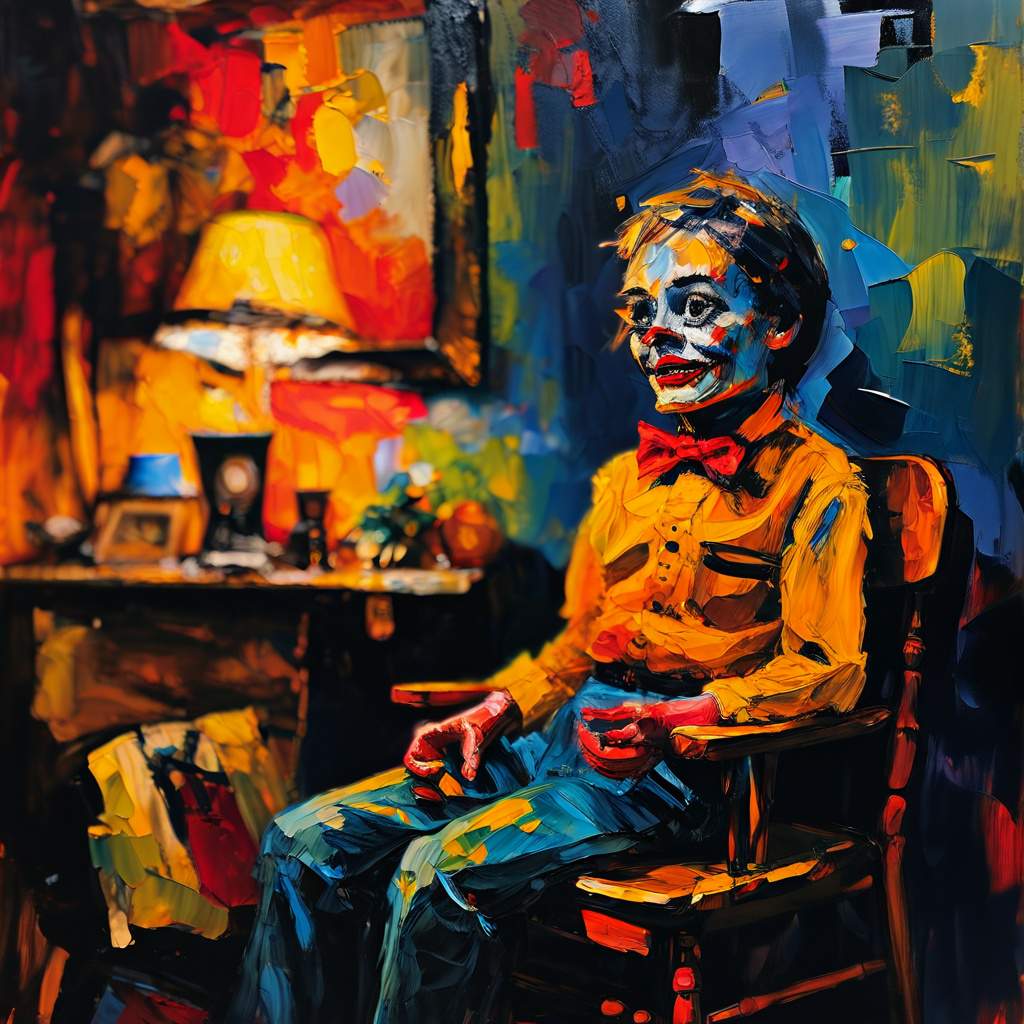
Anthony Hopkins Landed ‘Magic’ After Jack Nicholson Refused Hairpiece
The 1978 psychological horror film Magic stands as a chilling entry in the genre, featuring Anthony Hopkins as Corky Withers, a mentally ill ventriloquist whose dummy, Fats, manifests his darkest impulses. While Hopkins delivers a performance that predates his iconic turn in The Silence of the Lambs by over a decade, the role nearly went to Jack Nicholson, who passed on the project after refusing to wear a hairpiece. Behind-the-scenes accounts from the documentary Magic: Fats & Friends and industry texts reveal a fascinating alternate history where the film could have been a very different project entirely, with directors ranging from Norman Jewison to Steven Spielberg attached at various stages.
The Hairpiece That Changed Everything
When development began on Magic, filmmaker Norman Jewison—known for Fiddler on the Roof and Rollerball—was initially set to direct. Jewison had a specific vision for the lead role of Corky Withers, envisioning Jack Nicholson in the part following the actor’s acclaimed performance in One Flew Over the Cuckoo’s Nest. The connection made sense creatively; Jewison likely saw in Nicholson an actor already proven capable of portraying complex mental health struggles, a central theme of Magic’s narrative involving a protagonist grappling with dissociative identity manifested through his dummy.
According to ventriloquism consultant Dennis Allwood, who served as an additional crew member on the production and provided commentary for the behind-the-scenes documentary, the filmmakers required the lead actor to sport a full head of hair. Nicholson, whose hair was thinning at the time, balked at the requirement to wear a wig or hairpiece for the role. This cosmetic standoff proved to be a dealbreaker, and Nicholson ultimately turned down the part. The situation escalated when Jewison subsequently dropped out of the project, leaving Magic temporarily without either a star or a director. This double vacancy created an opening that would eventually allow Richard Attenborough to take the helm and reshape the film’s casting entirely.
Spielberg and De Niro: The Road Not Taken
The directorial revolving door nearly produced one of the most fascinating what-ifs in horror cinema history. According to Eila Montomery’s reference book Casting Might-Have-Beens: A Film by Film Directory of Actors Considered for Roles Given to Others, Steven Spielberg briefly eyed Magic as his potential follow-up to Close Encounters of the Third Kind. Spielberg’s potential involvement represented a fascinating detour; at that stage in his career, between Jaws and Close Encounters, the director was establishing himself as a master of spectacle-driven entertainment. A Spielberg-helmed psychological horror film starring De Niro would have marked a significant tonal shift early in the director’s filmography, potentially altering the trajectory of 1970s horror cinema.
Had the blockbuster director committed to the project, the casting would have shifted dramatically. Per Montomery’s research, Spielberg’s involvement would have triggered a pursuit of Robert De Niro for the role of Corky. However, timing proved impossible. De Niro was navigating an impossibly crowded schedule that included Taxi Driver, 1900, The Last Tycoon, the musical New York, New York, and likely The Deer Hunter—all either recently completed or in production during Magic’s development window. With De Niro unavailable and Spielberg moving on, the production returned to the drawing board without its A-list director or its method-acting leading man.
The Casting Lottery: From Olivier to Pacino
While the lead role remained unfilled, the production team generated an impressive list of potential stars. Allwood revealed in the documentary that names floated for Corky included high-wattage talent such as:
- Al Pacino
- Gene Wilder
- Chevy Chase
These discussions remained speculative, representing casting director spitballing rather than formal negotiations. Yet they suggest the character was initially conceived as requiring a more explosive, overtly intense presence than what Hopkins ultimately delivered.
Gene Wilder emerged as perhaps the most intriguing alternate possibility. Known primarily for comedic roles, Wilder possessed a unique capacity for expressing dark panic beneath humorous surfaces—his barely contained rage in Willy Wonka and the Chocolate Factory demonstrated the precise tension that the role of Corky required. While Al Pacino and Chevy Chase represented different extremes of dramatic and comedic sensibilities, Wilder’s potential casting suggests the filmmakers initially considered a more surreal, darkly comic interpretation of the material before settling on straightforward psychological horror.
The supporting cast faced similar near-misses. Laurence Olivier was approached to play Ben, Corky’s agent—a role that ultimately went to veteran character actor Burgess Meredith. The prospect of Olivier sharing the screen with any of the rumored leads—whether Nicholson, De Niro, or Pacino—would have created an entirely different dynamic than the final pairing of Hopkins and Meredith.
Attenborough’s Vision and Hopkins’ Transformation
Richard Attenborough’s arrival as director proved decisive in solidifying the film’s final form. Having recently collaborated with Hopkins on A Bridge Too Far (1977) and Young Winston (1972), Attenborough possessed an existing creative rapport with the Welsh actor. Unlike the previous candidates, Attenborough recognized that Corky required a specific quality: quiet, pathetic timidity rather than the volcanic intensity associated with Nicholson or De Niro.
Hopkins prepared rigorously for the part. According to Allwood, the actor needed to master an American accent and, in the consultant’s words, “lose a little weight” to embody the struggling magician. Coming off the 1977 horror film Audrey Rose, Hopkins possessed the necessary experience to navigate the genre’s demands. His performance captured the character’s vulnerability in a way that horror historians suggest Nicholson’s inherent swagger or De Niro’s muscular intensity might have obscured.
The completed film allowed Hopkins to demonstrate his capacity for terrifying audiences years before The Silence of the Lambs, while Attenborough parlayed the experience into his next project: the 1982 Oscar-winning epic Gandhi. Hopkins, meanwhile, starred in International Velvet the same year Magic hit theaters, before collaborating with David Lynch on 1980’s The Elephant Man.
The Modern Resurrection
Today, Magic occupies a respected place in deep-cut horror circles, frequently recommended by genre enthusiasts for its psychological depth and disturbing atmosphere. The film’s legacy continues to expand with news that Sam Raimi is currently developing a remake, promising to introduce the story of Corky and Fats to a new generation. Whether Raimi’s version will attract the same caliber of casting drama—complete with wig requirements and scheduling conflicts—remains to be seen, but the original’s tortured path to the screen serves as a reminder that Hollywood history often hinges on the smallest details, such as an actor’s reluctance to wear artificial hair.
What’s After the Movie?
If you’re fascinated by the behind-the-scenes stories that shape cinema history, What’s After the Movie offers comprehensive coverage of film production details, casting what-ifs, and industry news. Explore our extensive database of movie summaries, check the latest box office data, or browse our award records to discover more about the films that shaped Hollywood. Whether you’re researching horror classics or tracking upcoming remakes, our platform provides the context you need to understand how movies really get made.
Continue reading



What's After the Movie?
Not sure whether to stay after the credits? Find out!
Check out our other apps:

SAT Sphere
Build confidence for the Digital SAT.

Mori Atlas
Discover wild places worth protecting.

Luntero
Search smarter for a home in Amsterdam.

Plot Explained
Unravel movie endings and hidden clues.

Pokechamp
Dive into Pokémon data and battle logic.

Driving Theory
Get ready for your European theory test.

Movie Dust
Plan your next cinema trip with ease.

Musemap
Find art and culture as you travel.

Selkobase
Compare credentials before committing.

Local Manual
Turn an unfamiliar country into practical next steps.

Lernavi
Compare school systems before your next move.

GymRoam
Find a workout stop wherever your plans take you.
Explore Our Movie Platform
New Movie Releases (2026)
Famous Movie Actors
Top Film Production Studios
Movie Plot Summaries & Endings
Major Movie Awards & Winners
Best Concert Films & Music Documentaries
Movie Collections and Curated Lists
© 2026 What's After the Movie. All rights reserved.
Privacy Policy