What's After the Blog?
news • analysis • Streaming
Starfleet Academy Episode 9 Mirrors Underrated Star Wars Skeleton Crew
The latest installment of "Star Trek: Starfleet Academy" draws deliberate parallels to "Star Wars: Skeleton Crew" through its focus on young protagonists navigating dangerous territories outside sanctioned space. Episode 9, titled "300th Night," sees Cadet Caleb Mir leading his classmates into unsanctioned territory, echoing the coming-of-age approach that made the Disney+ series a standout in late 2024.
March 7, 2026
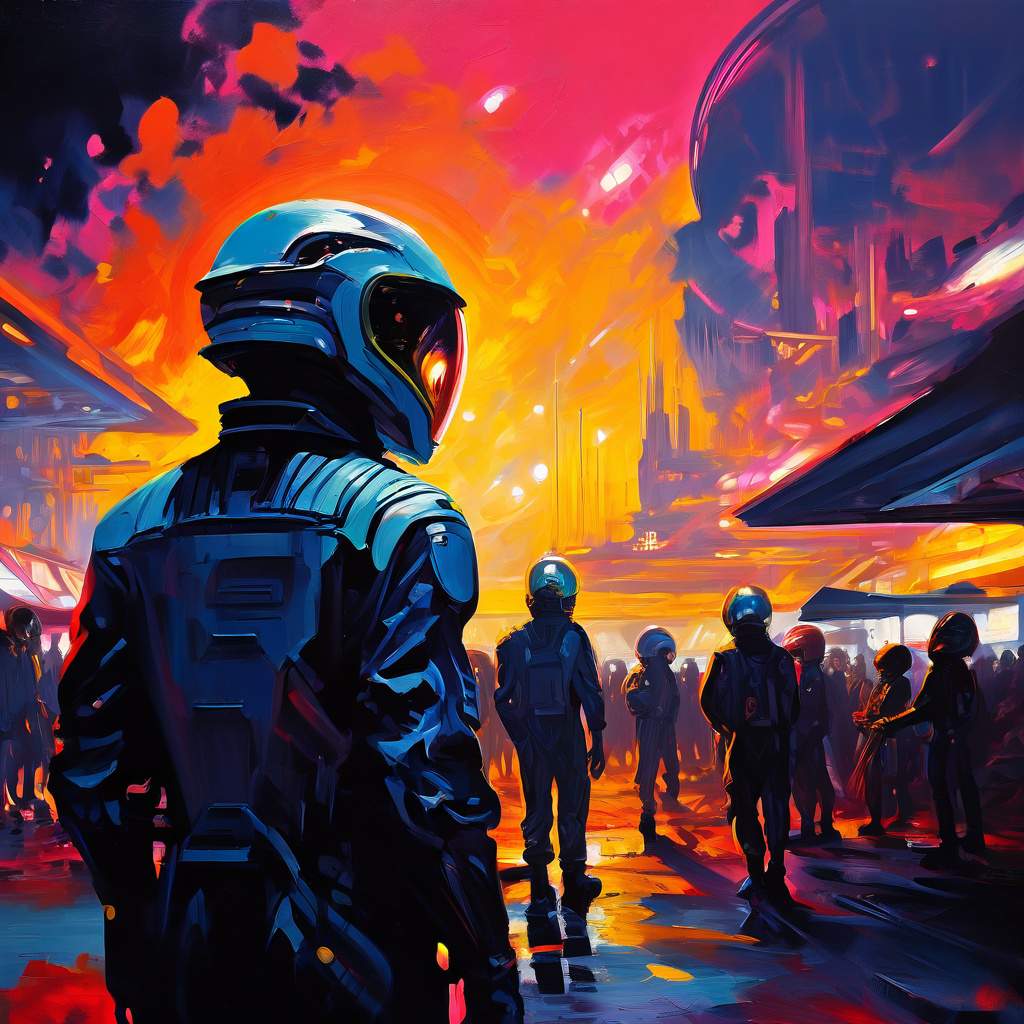
Starfleet Academy Episode 9 Mirrors Underrated Star Wars Skeleton Crew
The latest installment of Paramount+‘s Star Trek: Starfleet Academy establishes a surprising creative kinship with one of the most underrated entries in recent Star Wars history. Titled “300th Night,” the ninth episode pushes its young cast well beyond Federation boundaries, embracing a narrative approach that deliberately echoes the ground-level, coming-of-age storytelling that distinguished Disney+‘s Skeleton Crew upon its late 2024 debut. This thematic convergence highlights a growing trend within major science fiction franchises: trusting younger protagonists to carry mature stakes through inexperience and impulse rather than seasoned expertise.
Episode 9 “300th Night” Breaks Academy Protocol
While the Academy celebrates the end of the semester with traditional festivities, the episode centers on Cadet Caleb Mir (Sandro Rosta), who finally uncovers encrypted communications from his long-lost mother, Anisha (Tatiana Maslany). The discovery arrives as a solitary revelation amid communal celebration, propelling him into immediate action despite the transmission originating from coordinates well outside protected Federation space. In a move that defines the episode’s tension, Caleb impulsively decides to venture into this dangerous territory alone, though his classmates quickly stand beside him to prevent reckless solo heroism.
This unsanctioned expedition forces the cadets to rely on collective resourcefulness while navigating the consequences of youthful impulsiveness. Throughout the season, viewers have watched this disparate group of cadets learn to set aside differences—or embrace them—to form a close-knit unit. Episode 9 tests these bonds under extreme circumstances, as breaking regulations becomes necessary for survival rather than rebellion. The narrative underscores that these characters operate within a universe still recovering from the Burn, a catastrophic event that decimated the galaxy and left the current generation with what the series frames as an “irreparable, fundamentally broken, and shattered universe” to repair.
The parallel to real-world generational trauma—growing up under the shadow of 9/11, economic recessions, and ongoing conflicts—grounds the science fiction in recognizable emotional territory. The episode maintains significant stakes throughout, reminding viewers that the series has demonstrated willingness to eliminate characters when narrative demands dictate. By combining the visual language of lawless space frontiers with genuine mortal danger, “300th Night” captures a tone rarely explored in traditional Academy settings.
The Underrated Precedent: Skeleton Crew’s Ground-Level Approach
The setting and narrative approach of Caleb’s expedition immediately recall Star Wars: Skeleton Crew and its pirate sanctuary of Port Borgo. Both productions utilize the “wretched hive of scum and villainy” aesthetic—traditionally associated with the Star Wars galaxy’s rougher corners—to create environments where young protagonists face threats without institutional safety nets.
Skeleton Crew, which premiered in late 2024, distinguishes itself through a deliberately intimate scope. Despite opening with imagery reminiscent of A New Hope, the series quickly establishes its focus on children heading to school, maintaining a ground-level heart even as its narrative expands in scale. The young heroes—including Wim (Ravi Cabot-Conyers), Neel (Robert Timothy Smith), KB (Kyriana Kratter), and Fern (Ryan Kiera Armstrong)—navigate the galaxy’s darker corners through a series of self-created predicaments driven by naivety rather than malice.
Like the Starfleet cadets, these children lack fully-developed decision-making capabilities, leading to chaotic scenarios that drive plot through genuine error. Both series derive narrative momentum from protagonists who “simply don’t know any better,” creating organic conflict through inexperience. The comparison extends beyond visual aesthetics to structural philosophy: both shows intentionally position themselves as departures from their franchises’ typical epic structures, focusing on steep learning curves where trusted adults assist but ultimately cannot resolve the central conflicts.
Generational Storytelling and Franchise Evolution
By eschewing conventional leading archetypes—seasoned captains and chosen heroes—both productions demonstrate how major franchises can remain vital through perspective shifts. Starfleet Academy utilizes an episodic structure that delves into individual cadet backgrounds and cultural contexts, while Skeleton Crew places the Skywalker Saga firmly in the background to explore the galaxy through fresh eyes.
This approach addresses a persistent challenge in long-running science fiction properties: the tendency toward escalation that distances narratives from relatable experience. When protagonists possess limited power and knowledge, every decision carries weight. The cadets’ mistakes—breaking Academy rules, trusting dangerous contacts, or venturing into unsanctioned ports—create consequences that feel earned rather than predetermined.
The demographic targeting differs between the two series—Starfleet Academy maintains a YA-leaning tone while Skeleton Crew skews toward younger children—yet the underlying philosophy unites them. Both trust audiences to engage with complex themes of trauma, responsibility, and found family without relying entirely on legacy characters to drive interest. This strategy represents a shift toward sustainable franchise expansion, focusing on character development over galaxy-threatening crises while maintaining the production values expected of their respective brands.
Streaming Availability and Key Cast
Both series are currently available on their respective flagship streaming platforms:
Star Trek: Starfleet Academy streams exclusively on Paramount+, featuring:
- Sandro Rosta as Cadet Caleb Mir
- Tatiana Maslany as Anisha, Caleb’s mother
- An ensemble cast portraying the first post-Burn generation of Starfleet cadets
Star Wars: Skeleton Crew streams on Disney+, featuring:
- Ravi Cabot-Conyers as Wim
- Robert Timothy Smith as Neel
- Kyriana Kratter as KB
- Ryan Kiera Armstrong as Fern
For viewers seeking alternatives to traditional franchise fare, both series offer accessible entry points requiring minimal prior knowledge of decades of continuity. They represent strategic investments in younger demographics, expanding audience bases while exploring how innocence and inexperience can generate compelling drama in established universes.
What’s After the Movie?
Looking for comprehensive coverage of your favorite franchises? What’s After the Movie delivers in-depth analysis, industry news, and spoiler-free summaries for film and television enthusiasts. Whether you’re tracking box office performance, exploring movie endings explained, or searching for your next streaming obsession, our platform provides curated content across the entertainment landscape. Visit what’safterthemovie.com for the latest updates, or browse our extensive movie database to discover what’s worth watching next.
Continue reading


What's After the Movie?
Not sure whether to stay after the credits? Find out!
Check out our other apps:

SAT Sphere
Build confidence for the Digital SAT.

Mori Atlas
Discover wild places worth protecting.

Luntero
Search smarter for a home in Amsterdam.

Plot Explained
Unravel movie endings and hidden clues.

Pokechamp
Dive into Pokémon data and battle logic.

Driving Theory
Get ready for your European theory test.

Movie Dust
Plan your next cinema trip with ease.

Musemap
Find art and culture as you travel.

Selkobase
Compare credentials before committing.

Local Manual
Turn an unfamiliar country into practical next steps.

Lernavi
Compare school systems before your next move.

GymRoam
Find a workout stop wherever your plans take you.
Explore Our Movie Platform
New Movie Releases (2026)
Famous Movie Actors
Top Film Production Studios
Movie Plot Summaries & Endings
Major Movie Awards & Winners
Best Concert Films & Music Documentaries
Movie Collections and Curated Lists
© 2026 What's After the Movie. All rights reserved.
Privacy Policy