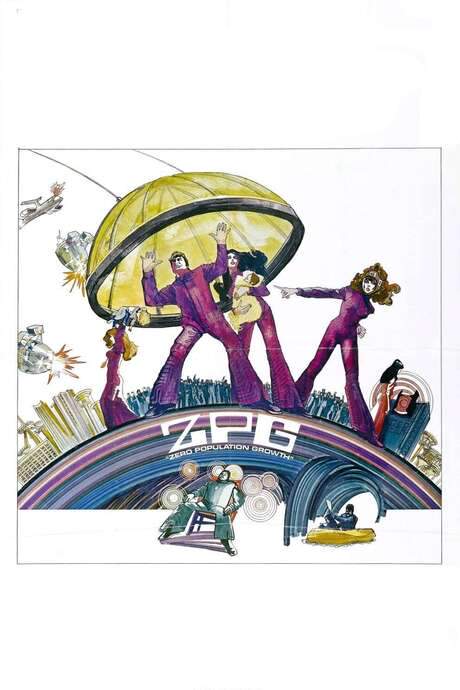
Z.P.G. 1972

Directed by

Michael Campus
Made by

Sagittarius Productions
Where to Watch Z.P.G.
See current US streaming, rental, and purchase options for Z.P.G. (1972) via JustWatch.






Z.P.G. Plot Summary
Read the complete plot summary and ending explained for Z.P.G. (1972). From turning points to emotional moments, uncover what really happened and why it matters.
Russ Oliver Reed and Carol McNeil Geraldine Chaplin work in a museum that recreates life in the early 20th century. In a bleak, polluted future, the Earth is choked by smog and resources are scarce, forcing widespread masks on the population. To curb the exploding population, the world government imposes a 30-year ban on childbirth. The penalty for breaking this law is severe: parents and newborns alike face the death penalty, and the regime keeps people in line through brainwashing and robotic substitutes. Execution is carried out by suffocation under a plastic dome, a stark reminder of the state’s unyielding control. To cope, couples attend Babyland where they are handed life-size animatronic children as substitutes for real babies.
Carol longs for a child, and when she conceives, she defies the bathroom’s abortion device to ensure the pregnancy continues. After the baby is born, the couple must shield the infant from detection, living under the constant pressure of a surveillance state that punishes any sign of real parenthood. The pressure intensifies as the boundaries between private desire and public law blur, and neighbors begin to look upon the newborn with a mix of awe and suspicion.
When neighbors George Don Gordon and Edna Borden Diane Cilento discover the living child, jealousy and envy quickly replace any initial goodwill. The Bordens’ offer to help conceal the baby devolves into a power struggle, as they try to claim the child for themselves, treating it as a possession rather than a person. The McNeils and the Bordens descend into a dangerous contest that pits friendship against parental bond, all under the watchful eyes of a regime that treats any real newborn as a threat to order.
Captured and placed beneath one of the state’s dreaded execution domes, the McNeils stage a desperate escape. They dig through dark, subterranean passages and travel by raft, pushing toward a remote island where the air appears unpolluted. The journey ends on an island whose surface belies a complicated history: it may be radioactive, having been used to bury old nuclear missiles in 1978. Despite this ominous caveat, the family presses on, hoping to forge a new life away from the suffocating smog and relentless gaze of a government that would rather erase humanity than risk losing control.
Z.P.G. Timeline
Follow the complete movie timeline of Z.P.G. (1972) with every major event in chronological order. Great for understanding complex plots and story progression.
A polluted, overpopulated Earth
The planet is choked by smog and scarce resources. People wear breathing masks outdoors as animals disappear and food consists of tasteless paste from plastic containers. Governments maintain a harsh order to control the population.
Birth ban decreed
The world’s government decrees that no children may be born for 30 years, using the death penalty as a deterrent for violators. Parents and newborns harmed by the rule face execution under a plastic dome. The societal aim is to reduce population rapidly and enforce compliance.
Population control technologies
To suppress the desire for children, brainwashing and robotic substitutes are deployed. An abortion machine installed in bathrooms makes pregnancy termination a routine option for violators. Citizens live under the pressure of these coercive tools.
Babyland and substitutes
Couples visit Babyland to obtain life-size animatronic children, satisfying their longing without breaking the law. The process provides a hollow substitute for real offspring. The fake babies become a symbol of the regime’s control over family life.
McNeils work in a museum
Russ and Carol McNeil spend their days recreating life in the 20th century inside a museum. Their job places them among relics of a past era while the world around them becomes increasingly toxic. The couple’s sense of normalcy contrasts with the drab, oppressive surroundings.
Carol conceives against the law
Carol conceives a child and chooses to defy the abortion machine, deciding to have the baby despite the ban. She hides her pregnancy from neighbors and authorities as the date of birth approaches. This personal rebellion becomes a dangerous test of loyalty to the state.
Birth and concealment
After the child is born, the McNeils must shield the baby from discovery by authorities and curious neighbors. They improvise to keep the infant hidden in a world that demands total obedience to the birth ban. The tension among the neighbors grows as the secret endangers everyone involved.
Neighbors discover and propose help
George and Edna Borden stumble upon the baby and offer aid to conceal it, initially presenting themselves as supportive neighbors. Jealousy and suspicion soon undermine their goodwill. The situation escalates as protective instincts and fear pull families into conflict.
Bordens’ envy turns to conflict
The Bordens want to treat the baby as if it were theirs, sparking fights with the McNeils and a struggle over custody. The competition for the child exposes cracks in a community that is supposed to enforce conformity. The family’s secrecy becomes fragile under pressure.
Capture and impending execution
Authorities seize the McNeils and place them under one of the state’s execution domes, threatening the life of their infant. The regime’s brutality is made explicit as public punishment is used to deter others. The couple’s hope hinges on any chance to escape.
Escape through the tunnels
They break free by digging underground and moving through dark tunnels aboard a small raft. The escape tests their ingenuity and will to survive in a world designed to crush all dissent. The journey strips them of comfort as they slip away from the surveillance state.
Arrival at a remote island
The trio reaches a remote island with no visible pollution, offering a tentative sanctuary. It represents a radical break from the contaminated mainland and a chance for a new life. Yet its safety is uncertain given the planet’s ruined environment.
Radioactive past of the island
The island's background includes being used to bury old nuclear missiles in 1978, implying persistent radioactivity and danger. This historical footnote adds a haunting layer to their supposed refuge. The future remains fragile as fallout could threaten the family at any moment.
Z.P.G. Characters
Explore all characters from Z.P.G. (1972). Get detailed profiles with their roles, arcs, and key relationships explained.
Russ (Oliver Reed)
A museum curator who recreates early 20th-century life. He is pragmatic, protective of Carol, and willing to take risks to shield his family from the state's death penalty. His resourcefulness helps the couple hide their real child and plan an escape. He becomes the steadied, no-nonsense center of the group in a world built on fear.
Carol McNeil (Geraldine Chaplin)
Desperate for a child in a society that forbids births, Carol defies the abortion machine and conceives. She navigates danger and secrecy, balancing love with risk as the pregnancy advances. Her determination triggers the couple’s rebellion against the regime and their fight to protect their baby.
George Borden (Don Gordon)
A neighbor who initially offers help but quickly reveals a jealous, opportunistic streak as he and his wife try to claim the baby. His actions underscore the corrosive effects of scarcity and envy in a tightly controlled society. He becomes an antagonist whose motives threaten the McNeils' precarious secret.
Edna Borden (Diane Cilento)
George's partner in crime, Edna grows increasingly possessive of the baby and uses manipulation to assert control. Her jealousy escalates tensions within the close-knit community, pushing the neighborhood toward conflict. Her actions emphasize how desire and fear can corrupt even well-meaning intentions.
Daughter (Belinda Donkin)
The child at the center of the conflict, a real baby whose existence destabilizes the already fragile societal balance. Her presence transforms neighbors into rivals and becomes the catalyst that drives the McNeils' desperate flight. She represents both hope and vulnerability in a world that rejects real offspring.
Z.P.G. Settings
Learn where and when Z.P.G. (1972) takes place. Explore the film’s settings, era, and how they shape the narrative.
Time period
Future
The story unfolds in a distant future marked by environmental collapse and overpopulation. People wear breathing masks outdoors as the air remains toxic, and the state deploys brainwashing and animatronic substitutes to curb the desire for children. The timeline suggests an escalation of oppressive controls and drastic measures to manage society. A fragile hope centers on evading the system and seeking a real family away from the domed city.
Location
Earth, Babyland, Remote island, Underground tunnels
Set on a polluted Earth where heavy smog cloaks vast cities. The regime monitors births and enforces harsh punishments, including the death penalty for illegal pregnancies. Sanctuaries arise in a state-run Babyland program, where artificial offspring replace real children. A remote island beyond the polluted zones is rumored to offer a fresh start, though its dangers and isolation remain.
Z.P.G. Themes
Discover the main themes in Z.P.G. (1972). Analyze the deeper meanings, emotional layers, and social commentary behind the film.
🔒
Oppressive State
The film centers on a government that treats birth as a crime and uses draconian penalties to deter reproduction. Surveillance, public punishment, and controlling propaganda create a suffocating atmosphere for ordinary citizens. The dominance of the state shapes personal choices and fuels fear, secrecy, and rebellion. The tension between obedience and dissent drives the narrative forward.
👶
Motherhood
Carol's longing for a child becomes a radical act in a society that bans births. The quest for a real baby clashes with the regime's substitutes and the moral costs of defying law. The desire for biological connection tests loyalty, trust, and the boundaries of love. The film uses this theme to explore the price of motherhood under oppression.
🗺️
Escape
As the couple confronts jealousy and danger from neighbors, escape becomes a central impulse. The plan to flee through dark tunnels toward a remote refuge embodies humanity's urge for freedom. The journey ties personal survival to a broader hope for a safer, freer world beyond the contaminated cities. The final exodus questions whether a new life on an island can truly be free from the past.

Coming soon on iOS and Android
The Plot Explained Mobile App
From blockbusters to hidden gems — dive into movie stories anytime, anywhere. Save your favorites, discover plots faster, and never miss a twist again.
Sign up to be the first to know when we launch. Your email stays private — always.
Explore the mobile appZ.P.G. Spoiler-Free Summary
Discover the spoiler-free summary of Z.P.G. (1972). Get a concise overview without any spoilers.
In a near‑future choked by perpetual smog, the world has been reshaped by scarcity and a draconian population policy. Governments have imposed a generation‑long ban on childbirth, turning the very act of bearing a child into a forbidden rebellion. Society is kept in line by constant surveillance, brain‑washing broadcasts, and eerie substitutes—lifelike, plastic infants handed out at “Babyland” to satisfy a yearning that can never truly be met. The atmosphere is one of muted desperation, where every breath feels borrowed and hope is measured in whispered wishes.
Russ and Carol McNeil spend their days in a museum that recreates early‑20th‑century life, a fragile oasis of nostalgia amid the gray present. Carol feels the ache of an empty cradle more keenly than most, while Russ shares her longing but masks it with a weary resignation. Their relationship is anchored by a quiet, shared dream of a future that might still include a child, a secret that glimmers against the crushing weight of the law. The couple’s bond is portrayed with an intimate, human warmth that stands in stark contrast to the sterile world around them.
Beyond the couple, the wider community reflects the same mix of compliance and concealed desire. Neighbors gather in the same bleak corridors, each harboring their own hidden aspirations or resentments, hinting at a fragile social fabric ready to fray. The tone remains atmospheric and unsettling, blending the cold logic of a regulated society with the lingering pulse of personal yearning. As the McNeils grapple with what the law forbids, the film invites viewers to contemplate the cost of survival when humanity itself becomes a regulated commodity.
Movies with Similar Twists and Themes
Uncover films that echo the narrative beats, emotional arcs, or dramatic twists of the one you're exploring. These recommendations are handpicked based on story depth, thematic resonance, and spoiler-worthy moments — perfect for fans who crave more of the same intrigue.
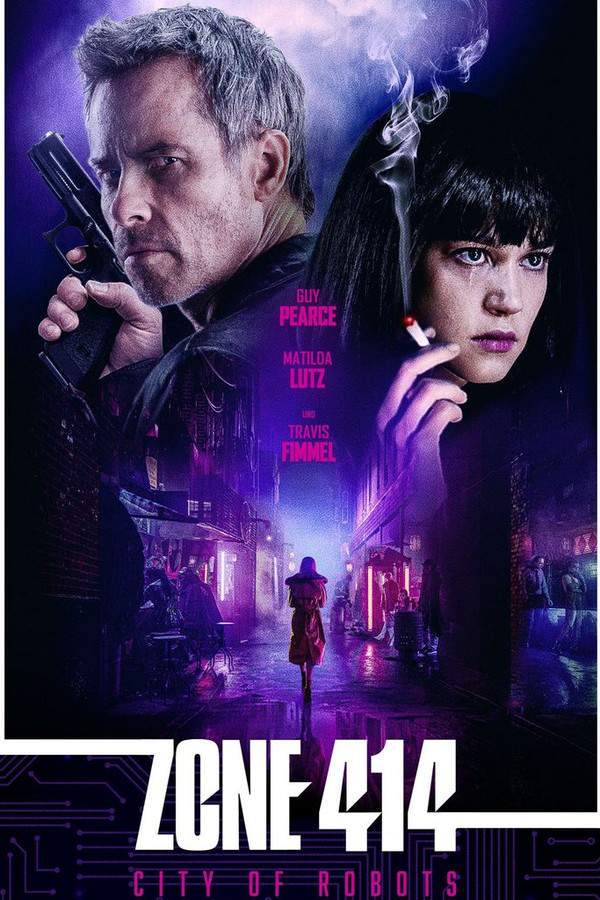
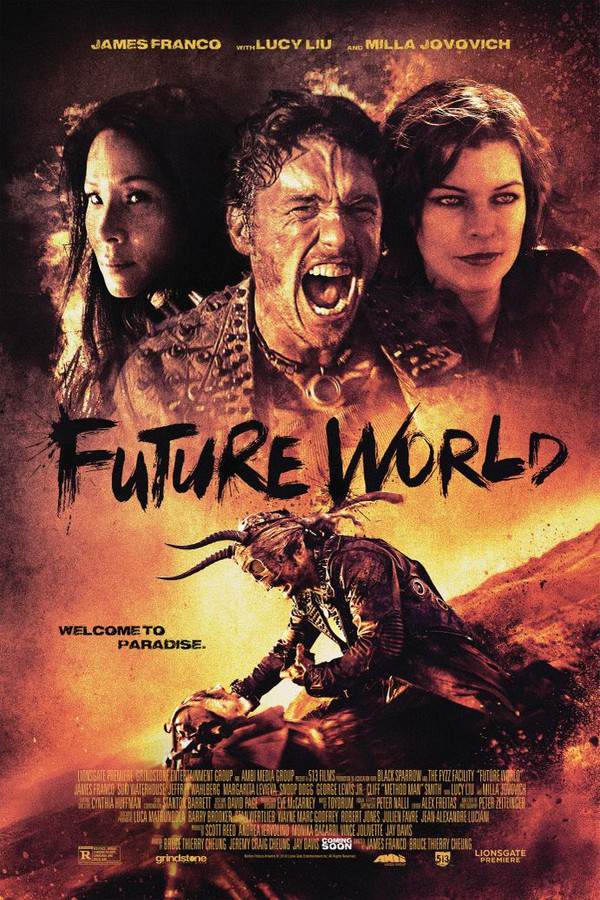


Featured on this page

What's After the Movie?
Not sure whether to stay after the credits? Find out!
Check out our other apps:

SAT Sphere
Build confidence for the Digital SAT.

Mori Atlas
Discover wild places worth protecting.

Luntero
Search smarter for a home in Amsterdam.

Plot Explained
Unravel movie endings and hidden clues.

Pokechamp
Dive into Pokémon data and battle logic.

Driving Theory
Get ready for your European theory test.

Movie Dust
Plan your next cinema trip with ease.

Musemap
Find art and culture as you travel.

Selkobase
Compare credentials before committing.

Local Manual
Turn an unfamiliar country into practical next steps.

Lernavi
Compare school systems before your next move.

GymRoam
Find a workout stop wherever your plans take you.
Explore Our Movie Platform
New Movie Releases (2026)
Famous Movie Actors
Top Film Production Studios
Movie Plot Summaries & Endings
Major Movie Awards & Winners
Best Concert Films & Music Documentaries
Movie Collections and Curated Lists
© 2026 What's After the Movie. All rights reserved.
Privacy Policy