
Terror in the Aisles 1984

Directed by
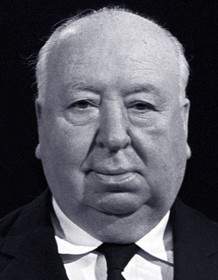
Alfred Hitchcock
Made by

T.E.M. Programs International
Terror in the Aisles Plot Summary
Read the complete plot summary and ending explained for Terror in the Aisles (1984). From turning points to emotional moments, uncover what really happened and why it matters.
What After the Movie is a documentary-style compilation directed by Andrew J. Kuehn that stitches together brief excerpts of terror and suspense from a wide variety of films, then threads them with fresh commentary and a touch of enacted narrative to form a continuous, atmosphere-driven montage of fright. At the heart of the presentation are two seasoned voices who guide the viewer through this curated landscape: Donald Pleasence and Nancy Allen, whose discussions frame the clips around a sequence of enduring fears and cinematic tactics.
The film ambitiously tours a range of emotional terrains, organized around distinct themes and illustrated by recognizable moments from many well-known titles. The accompanying narration and selection of scenes explore:
- sex and terror
- loathsome villains
- natural terror
- the occult
- cosmic terror
- spoofs
Each of these categories is backed by specific examples drawn from the broader movie universe, providing a survey of how fear can be conveyed through characterization, atmosphere, and narrative risk.
In a standout portion of the anthology, the legendary filmmaker Alfred Hitchcock presents his concepts of how to create suspense, delivered through a clip from Alfred Hitchcock: Men Who Made The Movies. This segment anchors the compilation in a historical lineage of masterful tension-building, offering a bridge between classic technique and later clip-based storytelling.
The program’s advertising repeatedly describes the clips as “terror films” rather than “horror films,” a distinction that the montage uses to frame its approach. Some selections—such as Marathon Man and Nighthawks—aren’t usually categorized as horror, but their villains are depicted as profoundly frightening, which justifies their inclusion within this broader tapestry of fear.
The project behind the 1984 release is closely tied to the use of material that Cronenberg introduced to theaters with Videodrome (1983). The process of securing rights and assembling clips was so extensive that no titles released after that year were considered for inclusion, effectively framing the compilation within a specific historical window of horror and terror on screen.
The piece also features a number of featured moviegoers who participate in the dialogue and reactions, including Diane Stilwell, Ángel Salazar, Joel S. Rice, Fred Asparagus, and Lainie Cook, whose perspectives and responses complement the hosts’ commentary and help broaden the sense of audience engagement within the collage of clips.
Overall, the film stands as a thoughtful, layered exploration of how fear is constructed on screen, mixing archival footage with modern narration and a handful of authentic moments of reaction to invite viewers to reflect on what makes a moment truly terrifying.
Terror in the Aisles Timeline
Follow the complete movie timeline of Terror in the Aisles (1984) with every major event in chronological order. Great for understanding complex plots and story progression.
Concept and goal of the compilation
Director Andrew J. Kuehn excerpts brief segments of terror and suspense from a wide variety of horror films and strings them together with added commentary and some enacted narrative. The result is a compilation designed to evoke fright through juxtaposed clips. The approach blends external analysis with short, staged moments to create a cohesive experience.
Commentary by Pleasence and Allen
Donald Pleasence and Nancy Allen provide commentary on topics such as sex and terror, loathsome villains, natural terror, the occult, cosmic terror, and spoofs, drawing connections between the clips and larger themes. Their voices anchor the film, offering insights while the clips play. This on-screen narration ties disparate sources into a unified discussion of fear.
Segment structure: categories
The film organizes its clips into thematic segments: sex and terror, loathsome villains, natural terror, the occult, cosmic terror, and spoof material. Each category highlights different approaches to fear and suspense. This structure helps the viewer move through the spectrum of horror cinema.
Hitchcock clip
In one segment, Alfred Hitchcock presents his concepts of how to create suspense, shown via a clip from Alfred Hitchcock: Men Who Made The Movies.
Advertising framing
The advertising for the compilation refers to the clips as terror films rather than horror films. This framing emphasizes fear and psychological intensity over genre labeling.
Not all included films are horror
Some included films, such as Marathon Man and Nighthawks, are not horror films but are included because their villains are especially terrifying. This broadens the scope of fear beyond conventional horror.
Broad range of terror sources
The compilation draws from a broad array of sources, incorporating villains and imagery from Dracula, Frankenstein, Friday the 13th Part 2, Halloween I & II, The Texas Chain Saw Massacre, and others to illustrate loathsome villains and varied scares.
Inclusion of Videodrome
The most recent movie used for the 1984 release was Videodrome, which Cronenberg brought to theatres in February 1983. Its inclusion marks the upper limit of the licensing window for clips in this project.
Rights and assembly challenges
The efforts of obtaining rights and assembling clips were extensive, shaping which films could be included. The documentary’s editors had to navigate licensing complexities, which ultimately constrained the roster.
Release context
The film was released in 1984, presenting the curated segments and commentary to audiences. The release framed the project as a thoughtful panorama of terror and cinematic craft rather than a pure horror showcase.
Licensing window boundary
No films released after Videodrome (Feb 1983) were considered for usage, reflecting licensing boundaries. This boundary defined the archival approach of the compilation.
Spectrum of terror
Overall, the project aims to illustrate the spectrum of terror—from natural to cosmic—through careful curation and perspective. By pairing clips with commentary, it invites viewers to examine how fear is constructed across different eras of cinema.
Enacted narrative and cohesion
Enacted narrative interludes and ongoing commentary help bridge disparate clips into a cohesive experience rather than a random montage. This storytelling approach guides the viewer through thematic transitions and maintains engagement throughout the film.
Terror in the Aisles Characters
Explore all characters from Terror in the Aisles (1984). Get detailed profiles with their roles, arcs, and key relationships explained.
Donald Pleasence - Self / Host
Pleasence guides the viewer through the montage with authoritative, veteran insight into topics like sex and terror and loathsome villains. His presence anchors the film's commentary, shaping how clips are framed and understood. As a familiar horror icon, he adds credibility and a sly sense of humor to the discourse.
Nancy Allen - Self / Host
Allen co-hosts with Pleasence, contributing observations on gendered fear and the portrayal of violence in popular cinema. Her insights cover both film history and the mechanics of suspense, often highlighting provocative topics like sex and terror. She balances academic critique with accessible, audience-friendly commentary.
Alfred Hitchcock - Self - Archive Footage
Hitchcock appears in archival footage to present his suspense-building concepts, anchoring the film in a classic tradition of psychological tension. The included clip from Men Who Made The Movies showcases his approach to misdirection and anticipation. His presence serves as a touchstone for the film's exploration of fear as craft.
Diane Stilwell - Featured Moviegoer
Stilwell is presented as a representative audience member, reacting to the varied clips. Her responses help convey the emotional range of horror—from surprise to delight—and illustrate how different scenes land with viewers. She embodies the communal experience of watching horror in a theater or screening setting.
Ángel Salazar - Featured Moviegoer
Salazar participates as a featured spectator, offering reactions that reflect the audience's engagement with the clips. His presence contributes to the documentary's sense of shared viewing and adds diversity to the ensemble of responses. He helps demonstrate how fear translates into collective experience.
Joel S. Rice - Featured Moviegoer
Rice appears as a featured moviegoer, providing instant reactions to the montage. His responses, like others in the cast, help articulate the emotional impact of the clips and reinforce the communal aspect of horror consumption. He serves as a stand-in for the viewers at home.
Fred Asparagus - Featured Moviegoer
Asparagus brings a distinct audience voice, reacting to both suspenseful and absurd moments. His contributions add texture to the film's exploration of fear and amusement within horror cinema. He represents the varied ways audiences engage with fright.
Lainie Cook - Featured Moviegoer
Cook appears as a featured moviegoer, offering responses that mirror general audience sentiment. Her reactions help contextualize the clips for viewers who watch along, emphasizing the communal nature of experiencing horror. She rounds out the ensemble with a relatable perspective.
Terror in the Aisles Settings
Learn where and when Terror in the Aisles (1984) takes place. Explore the film’s settings, era, and how they shape the narrative.
Time period
1980s
Terror in the Aisles was released in 1984 and reflects the era's fascination with horror cinema and film analysis. The documentary compiles clips from decades past, weaving them with contemporary commentary to explore how fear is crafted on screen. The framing and discussion place the film firmly in the early 1980s context of meta-cinema and genre study.
Terror in the Aisles Themes
Discover the main themes in Terror in the Aisles (1984). Analyze the deeper meanings, emotional layers, and social commentary behind the film.
⏱️
Suspense Craft
The compilation demonstrates how editing, timing, and sound design shape audience fear. Clips from a wide range of horror films illustrate pacing tricks used to misdirect and build tension. The hosts' commentary analyzes these techniques, turning the viewing into a mini-lesson in suspense. The overall effect elevates film craft alongside fright.
🗡️
Villains
The program showcases a gallery of fearsome antagonists—from classic monsters to modern killers—whose presence lingers beyond the screen. The commentary probes why certain villains feel loathsome and memorable, linking their menace to narrative stakes. The clips provide a cross-era snapshot of how boogeymen drive fear in cinema. The result is a curated portrait of horror's archetypal antagonists.
🔮
Occult
Occult imagery and ritualistic symbolism recur in films like Rosemary's Baby and The Exorcist, contrasted with contemporary effects. The hosts discuss cultural anxieties surrounding the occult and how filmmakers tap into them for dread. The juxtaposition reveals horror as a mirror of superstition and collective unease. The segment demonstrates how symbols and ritual magnify fear.
👽
Cosmic Terror
Cosmic horror expands fear beyond the human scale to outer space and the unknown. Clips from Alien and The Thing illustrate insignificance, isolation, and encounters with alien phenomena. The hosts describe how vast, uncontrollable threats redefine what horror can be. This theme emphasizes the awe and terror of the unknown as a driving force in genre cinema.
🎭
Self-Reflexive Spoof
The anthology's format itself—interleaving clips with commentary and short enacted pieces—creates a meta-narrative about horror. The inclusion of spoofs and referential humor sits alongside fright, inviting viewers to recognize cinema as both art and entertainment. The framing devices remind audiences that fear can be cultivated as performance. Overall, the film treats horror as a cultural artifact to be analyzed and enjoyed.

Coming soon on iOS and Android
The Plot Explained Mobile App
From blockbusters to hidden gems — dive into movie stories anytime, anywhere. Save your favorites, discover plots faster, and never miss a twist again.
Sign up to be the first to know when we launch. Your email stays private — always.
Explore the mobile appTerror in the Aisles Spoiler-Free Summary
Discover the spoiler-free summary of Terror in the Aisles (1984). Get a concise overview without any spoilers.
In a daring blend of documentary and horror anthology, Terror in the Aisles invites viewers onto a relentless, roller‑coaster tour of cinema’s most chilling moments. Curated by director Andrew J. Kuehn, the film stitches together bite‑sized excerpts from a broad stretch of classic and cult titles, each chosen for its ability to tap into a specific shade of fear. The result is a pulse‑quickening collage that feels less like a simple recap and more like an atmospheric museum where every hall is lit by the flicker of a nightmare waiting to be remembered.
Guiding this midnight exhibition are two seasoned voices: the unmistakable timbre of Donald Pleasence and the crisp confidence of Nancy Allen. Their commentary weaves a narrative tapestry that moves fluidly from the sensual to the supernatural, from loathsome villains to the uncanny forces of nature, and even into the playful realm of spoof. As they introduce each thematic segment, they offer insight into the techniques that have shaped terror on screen, turning what could be a disjointed montage into a cohesive, almost scholarly exploration that keeps the audience’s pulse racing while sparking curiosity about why certain images linger in the dark.
Enhancing the experience are brief interludes featuring real‑world reactions from a handful of enthusiastic moviegoers, as well as a distinguished cameo by Alfred Hitchcock himself, who shares his timeless masterclass on suspense. This layered approach—archival footage, fresh narration, and genuine audience response—creates a texture that feels both retrospective and immediate, prompting viewers to reflect on the alchemy of fear while hinting at the deeper currents that have driven the genre’s evolution.
Movies with Similar Twists and Themes
Uncover films that echo the narrative beats, emotional arcs, or dramatic twists of the one you're exploring. These recommendations are handpicked based on story depth, thematic resonance, and spoiler-worthy moments — perfect for fans who crave more of the same intrigue.


Featured on this page

What's After the Movie?
Not sure whether to stay after the credits? Find out!
Check out our other apps:

SAT Sphere
Build confidence for the Digital SAT.

Mori Atlas
Discover wild places worth protecting.

Luntero
Search smarter for a home in Amsterdam.

Plot Explained
Unravel movie endings and hidden clues.

Pokechamp
Dive into Pokémon data and battle logic.

Driving Theory
Get ready for your European theory test.

Movie Dust
Plan your next cinema trip with ease.

Musemap
Find art and culture as you travel.

Selkobase
Compare credentials before committing.

Local Manual
Turn an unfamiliar country into practical next steps.

Lernavi
Compare school systems before your next move.

GymRoam
Find a workout stop wherever your plans take you.
Explore Our Movie Platform
New Movie Releases (2026)
Famous Movie Actors
Top Film Production Studios
Movie Plot Summaries & Endings
Major Movie Awards & Winners
Best Concert Films & Music Documentaries
Movie Collections and Curated Lists
© 2026 What's After the Movie. All rights reserved.
Privacy Policy