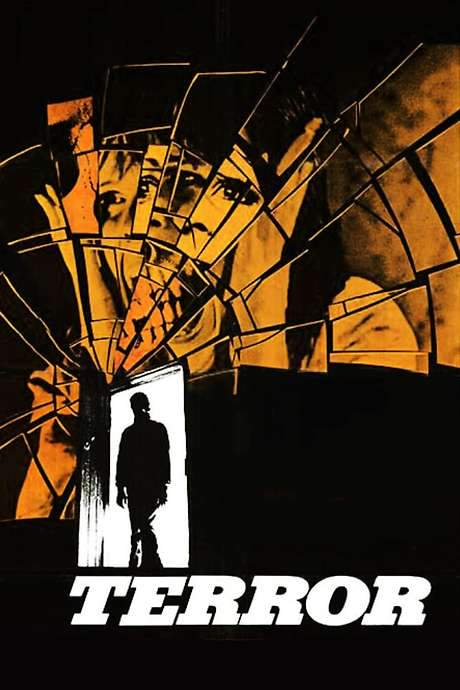
What Is Terror in the Aisles About?
The premise of Terror in the Aisles in 309 words, with nothing given away. The full story follows below.
In a sleek, theater‑darkened world where the flicker of the screen becomes a guide through dread, Donald Pleasence and Nancy Allen step into view as the steady voices that stitch together a sprawling tapestry of terror. Their commentary acts as a compass, gently steering the audience from one fragment of fear to the next while offering wry observations and thoughtful context. Together they create a conversational thread that feels both intimate and scholarly, inviting viewers to linger on the texture of each fleeting moment as if it were a single, lingering pulse of suspense.
The film unfolds as a curated tour of cinema’s most unsettling corridors, moving fluidly between categories that range from the sensual to the supernatural, from loathsome villains to the quiet menace of natural forces. The mood shifts with each cut—one instant the air is thick with gothic occult whispers, the next it crackles with the cold humor of a well‑timed spoof. By labeling each selection as “terror” rather than “horror,” the piece broadens its lens, suggesting that fear can bloom in both shadowy, otherworldly settings and the stark realism of human threat. The editing, sound design, and atmospheric scoring become characters in their own right, underscoring how tension can be built piece by piece without relying on overt shocks.
A brief, reverent interlude brings in Alfred Hitchcock, whose legendary insights on suspense anchor the collage in a tradition of masterful storytelling. His presence, though fleeting, reinforces the idea that the mechanics of dread are as much an art as a craft, and that the collective memory of cinema holds a toolbox for the uneasy. Within this mosaic, the hosts’ banter and the carefully chosen clips together form a living lecture on how terror is constructed, making the experience feel like a restless, exhilarating roller coaster that never quite lets the lights come fully back on.
What Happens in Terror in the Aisles?
The complete story of Terror in the Aisles, from the first scene to the last, in 500 words (about 2 minutes). Spoilers throughout. Names in the text link to 3 cast member pages.
Spoilers ahead
Director Andrew J. Kuehn builds a cinematic tapestry of fear by weaving together brief clips from a wide spectrum of horror films, then threading them with his own commentary and moments of enacted narrative to form a cohesive, suspenseful collage. The result is a thoughtful, methodical journey through fright, where mood and texture shift from one fragment to the next, inviting viewers to notice how editing, sound design, and atmosphere can carry the fear even when the on-screen action is brief.
Two familiar voices anchor the experience, providing a steady through-line as the clips flicker by: Donald Pleasence, the Halloween standout, and Nancy Allen, renowned for Dressed to Kill, who offer commentary that traverses topics both playful and grave. Their discussions roam across a deliberately wide terrain of fear, highlighting categories such as sex and terror, loathsome villains, natural terror, the occult, cosmic terror, and the art of spoof in the realm of fright. The conversations are thoughtful and accessible, inviting casual viewers and devoted fans alike to consider how different fear mechanisms—psychological, supernatural, and practical—operate within a single frame of film.
In one notable segment, the legacy of suspense is foregrounded by the presence of a legendary filmmaker: Alfred Hitchcock presents his concepts of how to craft suspense, delivered through a clip from Alfred Hitchcock: Men Who Made The Movies. This moment anchors the compilation in a tradition of masterful storytelling, offering a meta-commentary on how tension is engineered behind the camera as much as on the screen.
The presentation makes a clear distinction in its advertising, labeling the clips as terror films rather than horror films. This choice frames the collection as a survey of fear across different stylistic approaches, not a single genre, and it influences how viewers approach each segment—the eerie mood of a quiet moment can be just as unsettling as a loud scare. Not every included piece is a textbook horror entry; some, like Marathon Man and Nighthawks, are included precisely because their antagonists pose genuine, human threats that feel chilling in a different way—demonstrating that fear can be rooted in real-world peril as well as in supernatural dread.
The compilation culminates in a high-water mark from the early 1980s: Videodrome (1983) by Cronenberg, a film whose edgy, provocative vision represents the era’s appetite for danger and boundary-pushing storytelling. The process of assembling and licensing a broad array of clips was extensive, and it determined the scope of the project for the 1984 release. After that point, the curators chose not to extend the collection with additional post-1983 material, preserving a specific snapshot of how fear was curated and presented at that time.
Through its mosaic structure, the piece invites viewers to reflect on how fear is built—piece by piece, clip by clip—while remaining faithful to the idea that suspense can be as powerful as explicit spectacle. The result is a nuanced, long-form meditation on fear in cinema, anchored by the voices of its host performers and the enduring craft of its legendary contributors.
Terror in the Aisles Timeline: Every Key Event in Order
12 key events in the order they happen, from “Concept and purpose of the compilation” to “Release and reception of the Terror compilation”. 12 events name a place, across 12 locations.
- 1
Concept and purpose of the compilation
Director Andrew J. Kuehn assembles a montage of terror clips from a wide range of classic and contemporary films, stitched together with added narration. The aim is to evoke fear through a curated collage of suspenseful moments rather than a single traditional narrative. The result is a documentary-style anthology that foregrounds how different films provoke terror.
When:Early 1980s Where:Editorial studio
- 2
Commentary by Pleasence and Allen on terror topics
Dramatized narration features Donald Pleasence and Nancy Allen providing ongoing commentary about themes such as sex and terror, loathsome villains, natural terror, and the occult. Their insights link disparate clips into a cohesive thread about what makes horror resonate. Their voices help guide the viewer through the anthology's shifting moods.
When:1983-1984 Where:Studio recording set
- 3
Loathsome villains segment
The montage spotlights infamous antagonists from various films, using clips from titles like Dracula, Frankenstein, and Halloween to illustrate how menacing figures amplify fear. The juxtaposition of different eras shows a throughline of villainy as a core source of dread. The segment underscores how villain portrayals evolve across decades.
When:1983-1984 Where:Montage sequence
- 4
Natural terror and animal threats
Clips depicting non-supernatural threats from nature and animals are woven into the program to evoke primal fear. The section demonstrates how natural elements can be as frightening as monsters. The pacing accelerates to heighten tension before returning to staged suspense.
When:1983-1984 Where:Editorial montage
- 5
Occult terror segment
This portion surveys films dealing with supernatural forces and occult dread, pulling clips from titles that explore possession, witchcraft, and supernatural danger. The juxtapositions emphasize the unseen and the unseen danger in everyday life. The narration links these intangible fears to audience anxiety.
When:1983-1984 Where:Montage room
- 6
Cosmic and alien horror section
Clips from space-horror and otherworldly threats illustrate a different scale of fear, from extraterrestrial menace to environment- or body-threatening beings. The segment widens the scope of terror beyond human villains. It reinforces the vast, unknowable horror that stirs audiences.
When:1983-1984 Where:Montage edit bay
- 7
Spoofs and terror parodies
The program includes lighter, spoof-oriented clips alongside genuine fright, reminding viewers that fear can be playful as well as deadly. The juxtaposition of parody with menace serves to heighten the tension of the serious segments. This contrast underscores the anthology’s breadth and playfully interrogates fear.
When:1983-1984 Where:Editing suite
- 8
Alfred Hitchcock segment on suspense
In a standout moment, a segment presents Alfred Hitchcock's concepts of suspense via a clip from Alfred Hitchcock: Men Who Made The Movies. The commentary and clip demonstrate how quiet storytelling and misdirection can escalate fear. It anchors the collection in a celebrated cinema tradition of building dread through craft.
When:1983-1984 Where:Introductory montage
- 9
Rights negotiations and clip selection pressure
The production grapples with securing rights to hundreds of films, a process described as extensive and painstaking. Rights constraints influence what footage can be used, shaping the final lineup. The team negotiates tirelessly to assemble a comprehensive 'terror film' archive rather than a pure horror showcase.
When:1983-1984 Where:Rights clearance offices
- 10
Videodrome as the latest film used for the 1984 release
The most recent movie included for the 1984 release was Videodrome (Cronenberg, 1983), marking the upper limit of clips chosen due to rights timing. The documentary notes that no films released after Videodrome were considered for usage. This constraint defines the temporal boundary of the compilation.
When:February 1983 Where:Clip inventory room
- 11
Advertising labels clips as 'terror films'
Advertising for the project labels the included clips as 'terror films' rather than 'horror films', signaling a broader, more analytical framing of fear. This wording aligns with the documentary's archival and essay-like approach. The distinction suggests a deliberate curatorial perspective on the genre.
When:1984 release prep Where:Marketing departments
- 12
Release and reception of the Terror compilation
The finished documentary is released in 1984, presenting a brisk, collage-style viewing experience. Audiences encounter a curated mosaic of terror scenes interlaced with commentary and suspense notes. The film contributes to discussions about horror cinema and its history.
When:1984 Where:Theaters and film festivals
Who Are the Main Characters in Terror in the Aisles?
8 characters, among them Alfred Hitchcock (Self - archive footage), Donald Pleasence (Self - Host) and Nancy Allen (Self - Host): who each one is and the part they play in the story. Every profile links to the actor’s page.
-
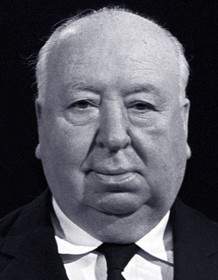
Alfred Hitchcock (Self - archive footage)
Played by Alfred Hitchcock
Appears via an archival clip to illustrate suspense techniques, grounding the film's commentary in his iconic approach to fear. His presence underscores the idea that meticulous storytelling and timing are central to creating dread on screen. The segment uses his voice as a lens on how to manipulate audience anticipation, shaping the anthology's philosophical core.
- 🎥 Archive footage
- 🧭 Master of suspense
-
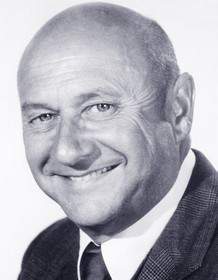
Donald Pleasence (Self - Host)
Played by Donald Pleasence
Pleasence guides viewers through the various horror categories, providing concise analysis of what makes scenes terrifying. He embodies a bridge between classic horror and contemporary examples, lending gravitas to the framing commentary. His remarks help viewers categorize fear from sex and terror to cosmic threats.
- 🎤 Host
- 🧟 Horror icon
-

Nancy Allen (Self - Host)
Played by Nancy Allen
Allen co-hosts with Pleasence, offering additional context on how films manipulate fear and what specific scenes convey about character and mood. Her perspective complements the taxonomy of terror, adding practical, film-industry insights. She helps connect the clips to broader themes and audience experience.
- 🎤 Host
- 🕶️ Genre commentator
- DS
Diane Stilwell (Featured Moviegoer)
Played by Diane Stilwell
A featured moviegoer who represents the audience shard within the screening, reacting to select clips. Her perspective provides a relatable, human response to fear, highlighting how different scenes land with viewers. She embodies the collective experience of watching horror in a theater setting.
- 🎬 Audience member
- ÁS
Ángel Salazar (Featured Moviegoer)
Played by Ángel Salazar
Ángel Salazar appears as another audience member, offering spontaneous reactions to the showcased clips. His responses illustrate how fear can be felt in real time and shared among viewers. He helps demonstrate the communal aspect of cinematic terror.
- 🎬 Audience member
- JS
Joel S. Rice (Featured Moviegoer)
Played by Joel S. Rice
Joel S. Rice contributes as a spectator, providing short reactions that mirror a typical audience member's engagement with the film's examples. His presence adds to the sense of a live theater experience captured on screen. He helps broaden the range of viewer responses the compilation aims to evoke.
- 🎬 Audience member
- FA
Fred Asparagus (Featured Moviegoer)
Played by Fred Asparagus
Fred Asparagus joins as a featured moviegoer, offering light-hearted or surprised reactions to the horror clips. His commentary contributes to the film's celebration of audience reactions as part of the horror experience. He represents the diverse range of responses horror can provoke.
- 🎬 Audience member
- LC
Lainie Cook (Featured Moviegoer)
Played by Lainie Cook
Lainie Cook appears as a spectator, providing authentic reactions and commentary that reflect how real audiences engage with fear. Her participation emphasizes the communal act of watching horror and sharing chills. She helps round out the array of responses depicted in the screening context.
- 🎬 Audience member
What Are the Themes of Terror in the Aisles?
6 ideas the story keeps returning to, among them Sex & Terror, Villains and Natural Terror.
-
01
Sex & Terror
Several clips illustrate how sexuality and fear intertwine in horror cinema, reflecting cultural anxieties and taboos. The hosts discuss how intimate moments or suggestive scenes can intensify suspense more effectively than gore alone. The arrangement positions sex as a driver of dread rather than merely a backdrop, highlighting the genre's psycho-sexual undercurrents. This theme shows that fear in horror often lurks in restraint and implication as much as in explicit scares.
-
02
Villains
The compilation highlights iconic villains—from vampires to human killers—whose presence alone can unsettle audiences. The clips analyze how a menace's silhouette, voice, or motive generates fear without needing constant on-screen violence. The documentary frames villainy as a key engine of horror, shaping audience anticipation and moral dread. The hosts tie each villain's menace back to fundamental storytelling techniques that continue to influence the genre.
-
03
Natural Terror
Clips featuring animals, disasters, and natural threats probe the primal fear of nature turning against us. The film discusses how 'natural terror' leverages real-world dangers to elicit visceral responses. The segment juxtaposes wildlife and environmental hazards with human vulnerability, amplifying suspense through unpredictability. The effect is to remind viewers that fear can emerge from the world itself, not just from menacing villains.
-
04
Occult
Occult-themed clips explore terror rooted in unseen forces, rituals, and supernatural fate. The hosts examine how possession, exorcism, and prophecy build dread through atmosphere and ambiguity. The segment shows how belief systems and the unknown can amplify fear beyond physical danger. The goal is to reveal how the occult serves as a metaphor for uncontrollable anxiety.
-
05
Cosmic Terror
Cosmic horror toys with the idea of humanity's insignificance in the face of vast, indifferent universes. Clips from sci-fi and cosmic-horror entries illustrate that fear can come from alien presence, incomprehensible phenomena, and existential dread. The narrative emphasizes that we are fragile in the grand scheme of creation, a theme reinforced by the juxtaposition of intimate terror with otherworldly threats. This theme broadens the scope of fear beyond personal danger to metaphysical, universe-scale threats.
-
06
Spoofs
Spoofs highlight the horror genre's self-awareness, parodying clichés and audience expectations. The clips juxtapose scares with humor to undercut tension and invite reflection on how fear is manufactured. The hosts acknowledge that humor can coexist with dread, providing relief without undermining genuine scares. The satire invites viewers to laugh at the genre's tropes while recognizing their enduring power.
What Kind of Film Is Terror in the Aisles?
Tense in tone, with fast pacing and a straightforward story, going by the plot summary.
- Tone
- Tense
- Pacing
- Fast
- Story
- Straightforward
- Intensity
- Medium
A fast-paced, analytical tour through cinematic fear that combines suspenseful clips with thoughtful commentary, creating a tense and methodical collage exploring how terror is crafted.
- suspenseful
- atmospheric
- analytical
- fragmented
- meta
- curated
- compilation film
- film analysis
- history of horror
- fear mechanisms
Content notes: horror violence, psychological terror, gruesome imagery.
Quiz
How well do you remember Terror in the Aisles? Test yourself on the story.