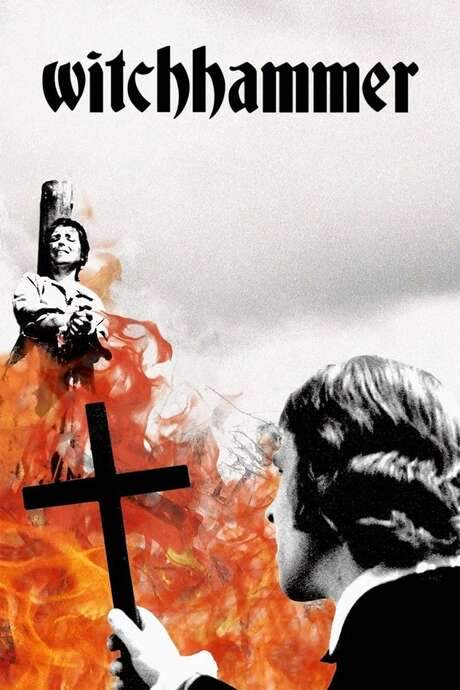
What Is Witchfinder General About?
The premise of Witchfinder General in 322 words, with nothing given away. The full story follows below.
In the tumult of 1645 England, a nation is torn apart by a savage civil war that leaves law fragmented and daily life precarious. Villages cling to old fears and whispered superstitions as armies march, leaving ordinary people caught between the clashing banners of Royalists and Parliamentarians. The landscape is bleak, the air heavy with the scent of gunpowder and the lingering dread of unseen forces, creating a world where authority is as shifting as the wind.
Into this volatile backdrop wanders Matthew Hopkins, a self‑styled Witchfinder General who has turned the era’s anxieties into a grim occupation. With his own brand of ruthless opportunism, he moves from hamlet to hamlet, offering his “services” to local magistrates eager to cleanse their communities of imagined evil. His presence injects a cold, methodical menace into already fragile settlements, making every encounter feel like a tightening noose around the simple lives of peasants.
Against this tide stands Richard Marshall, a young Roundhead fresh from the front lines, carrying the scars of battle and the weight of a promise made to protect his beloved. Returning to his Suffolk home, he finds his world intersected with that of Sara, his devoted lover, and her uncle John Lowes, the village priest whose counsel hints at looming danger. Their relationships are forged in loyalty and love, yet they are forced to navigate the unsettling influence of the witch‑hunter’s crusade, which threatens to upend the fragile peace they have fought to reclaim.
The film swirls these threads together, painting a portrait of a society on the brink, where personal devotion collides with institutional terror. The tone is unflinching and atmospheric, blending the gritty realism of a war‑torn country with the chilling suspense of a community haunted by fear. As the characters move through shadowed lanes and weathered churches, the audience is left to wonder how far the darkness of superstition can reach when the ordinary is gripped by extraordinary hysteria.
What Happens in Witchfinder General?
The complete story of Witchfinder General, from the first scene to the last, in 536 words (about 2 minutes). Spoilers throughout. Names in the text link to 6 cast member pages.
Spoilers ahead
Matthew Hopkins, an opportunistic witch hunter operating in 1645 during the English Civil War, exploits a society teetering on chaos to unleash a brutal reign of terror across East Anglia. Accompanied by his relentless assistant, John Stearne, he travels from village to village to extract confessions from those suspected of witchcraft, charging local magistrates for the grisly “work” they perform.
Richard Marshall is a young Roundhead who survives a skirmish and, in the process, kills his first enemy soldier, saving his Captain. He rides home to Brandeston, Suffolk, to visit his lover, Sara, the niece of John Lowes, the village priest. Lowes grants Marshall permission to marry Sara but warns that trouble is coming and urges protection for her. Sara explains they have been threatened and cast out, and Marshall vows to shield her. When his army leave ends, he heads back to join his regiment, only to cross paths with Hopkins and Stearne on the road and gesture them toward Brandeston before continuing on.
In Brandeston, Hopkins and Stearne waste no time and begin rounding up suspects. John Lowes is accused at his home and subjected to torture, with needles driven into his back in an effort to locate the so-called “Devil’s Mark.” Just as Lowes is about to be killed, Sara offers Hopkins a sexual favor in exchange for her uncle’s safety. Hopkins departs to other duties, and Stearne seizes the opportunity to rape Sara. When Hopkins returns, he orders Stearne to resume torturing Lowes. Before they leave the village, Hopkins and Stearne execute Lowes and two other women.
Marshall returns to Brandeston, aghast at what has happened to Sara, and swears to kill Hopkins and Stearne. He marries Sara in a self-made ceremony and instructs her to flee to Lavenham, then rides off alone. Meanwhile, Hopkins and Stearne have grown separated after a Roundhead patrol tries to seize their horses. Marshall tracks Stearne, and after a brutal confrontation, Stearne escapes and rejoins Hopkins, who informs him of Marshall’s desire for vengeance.
The two hunters press on to the village of Lavenham. Learning they are nearby, Marshall speeds there with a group of soldiers, but Hopkins has laid a trap, knowing Sara is in the town. He and Stearne frame Marshall and Sara as witches and transport them to a castle for interrogation. Marshall witnesses Sara being tortured with needles, yet he refuses to confess to witchcraft and remains determined to kill Hopkins. Freeing himself from his bonds, he attacks Stearne, slamming him to the ground as his comrades approach the dungeon.
The room fills with shock as Marshall seizes an axe and strikes Hopkins repeatedly. The soldiers rush in, horrified by their comrade’s actions. Trooper Swallow fires at Hopkins, shooting him dead to end the brutal ordeal. Mind fractured by the events, Marshall screams, > You took him from me! You took him from me! <, a cry that echoes through Sara’s own spiral toward madness as she screams again and again.
In the wake of the violence, the village is left to reckon with the cost of fear, power, and vengeance, and the film closes on the lingering toll these events have taken on those who survived the darkest days of the witch-hunt.
Witchfinder General Timeline: Every Key Event in Order
12 key events in the order they happen, from “Hopkins and Stearne begin their terror campaign” to “Climax: Hopkins is killed and Marshall breaks”. 12 events name a place, across 8 locations.
- 1
Hopkins and Stearne begin their terror campaign
Hopkins and Stearne begin their terror campaign across East Anglia during the English Civil War. They visit villages to torture confessions and extract payment from magistrates for their work. The pair impose a reign of fear as they pursue supposed witches.
When:1645 Where:East Anglia
- 2
Marshall returns from skirmish to Brandeston
Richard Marshall survives a brief skirmish and kills his first enemy soldier, earning a momentary victory for his regiment. He rides home to Brandeston to visit his lover Sara, the niece of the village priest. Lowes gives permission for Marshall to marry Sara and warns that trouble is coming.
When:late 1645 Where:Brandeston, Suffolk
- 3
Marshall encounters the witch hunters on the road
Marshall meets Hopkins and Stearne on the road while still on leave. He directs them toward Brandeston and rides on, sparing Sara further danger for the moment. The chance encounter sets in motion the danger the village will face.
When:afternoon Where:On the road near Brandeston
- 4
Lowes is accused and tortured in Brandeston
In Brandeston, Lowes is accused at his home and subjected to torture with needles pushed into his back in search of the Devil's Mark. Sara tries to intervene by offering Hopkins a favor to save her uncle. Hopkins leaves for another village, allowing Stearne to tighten the pressure on Lowes.
When:that day Where:Brandeston
- 5
Stearne rapes Sara while Hopkins is away
With Hopkins away, Stearne takes advantage of his absence and assaults Sara. When Hopkins returns, he resumes the torture and orders Stearne to begin again. The village darkens as fear spreads through Sara and those who witness the abuse.
When:evening Where:Brandeston
- 6
Lowes and two women are executed
Hopkins returns and orders relentless torture of Lowes, and with Stearne's help, Lowes and two women are executed. The village reels from the brutal acts and the loss of trusted locals. Marshall's sense of justice hardens in response to these killings.
When:end of day Where:Brandeston
- 7
Marshall vows to avenge Sara and marries her in secret
Marshall returns to Brandeston horrified by what has happened to Sara and vows to kill Hopkins and Stearne. He marries Sara in a ceremony of his own devising and tells her to flee to Lavenham. He rides off alone to fulfill his vow against the witch hunters.
When:soon after Where:Brandeston
- 8
Hopkins and Stearne separate after a patrol
Hopkins and Stearne become separated after a Roundhead patrol interferes with their horses. Marshall locates Stearne, but a brutal fight ends with Stearne escaping to rejoin Hopkins. The hunters press on despite the setback.
When:later that day Where:On the road to Lavenham
- 9
Hopkins and Stearne arrive in Lavenham
Hopkins and Stearne reach the village of Lavenham, and Marshall learns of their presence and rides in with a group of soldiers. The pursuit tightens as the hunters attempt to secure their next victims. The town becomes a focal point of the looming confrontation.
When:evening Where:Lavenham
- 10
A trap is set and Marshall and Sara are accused
Hopkins and Stearne set a trap to capture Marshall and Sara by framing them as witches and bring them to the castle for interrogation. The plan hinges on the villagers believing in their guilt and the danger they pose. The stage is set for a brutal confrontation in the dungeon.
When:evening Where:Lavenham castle
- 11
Sara endures torture while Marshall resists confession
Sara endures needles in her back as the interrogations test their claims of witchcraft. Marshall refuses to confess and remains determined to confront Hopkins. The pressure mounts as the two are pressed for answers under the threat of further harm.
When:night Where:Lavenham castle dungeon
- 12
Climax: Hopkins is killed and Marshall breaks
Marshall's comrades rush into the dungeon as he seizes an axe and attacks Hopkins. Trooper Swallow shoots Hopkins dead to end the immediate threat. The brutal climax leaves Marshall spiritually shattered as Sara screams in the aftermath.
When:night Where:Lavenham castle dungeon
Who Are the Main Characters in Witchfinder General?
6 characters, among them Matthew Hopkins (Vincent Price), John Stearne (Robert Russell) and Richard Marshall (Ian Ogilvy): who each one is and the part they play in the story. Every profile links to the actor’s page.
-
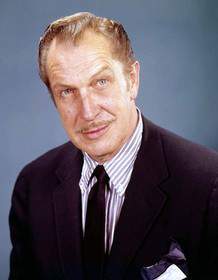
Matthew Hopkins (Vincent Price)
Played by Vincent Price
Hopkins is a ruthless, opportunistic witch hunter who manipulates fear and formal authority to terrorize East Anglia. He orchestrates torture and coercion to extract confessions, profiting from the exploitation of others’ desperation. His cold calculation reveals a man who values power over any sense of justice or humanity. His reign of terror drives the film’s violence and moral rot.
- 👿 Cruel
- 🗡️ Torturer
- ⚖️ Abuser of Power
- JS
John Stearne (Robert Russell)
Played by Robert Russell
Stearne is Hopkins’s assistant and chief enforcer, sharing his partner’s brutality. He participates in torture and sexual violence, using fear to coerce confessions. His aggression and ruthlessness amplify the film’s sense of lawless menace. He ultimately proves to be as dangerous as Hopkins, if not more impulsive.
- 👿 Sadistic
- 🗡️ Brutal
- ⚖️ Ruthless
-
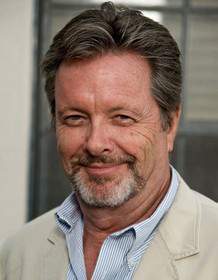
Richard Marshall (Ian Ogilvy)
Played by Ian Ogilvy
Marshall is a young Roundhead soldier marked by courage and a protective instinct for Sara. He survives a skirmish, kills his first enemy, and vows to confront Hopkins and Stearne. His resolve grows into a weapon, and his pursuit culminates in a brutal clash that shocks his comrades and breaks his mind.
- 🛡️ Brave
- 🗡️ Vengeful
- 🤝 Loyal
- S(
Sara (Hilary Dwyer)
Played by Hilary Dwyer
Sara is Marshall’s lover and the niece of John Lowes, facing threats and social exile as the town spirals into panic. She endures coercion and violence, including exploitation by Stearne, and is later drawn into the village’s persecution. Her fate reflects the human cost of the witch-hunt and wartime fear.
- 💪 Resilient
- 🕊️ Vulnerable
- 💔 Traumatised
- JL
John Lowes (Rupert Davies)
Played by Rupert Davies
Lowes is the village priest whose authority is quickly eroded by fear and accusation. He becomes a target of Hopkins’s torture, his back pierced by needles as the crowd presses for a confession. His ultimate fate underscores the brutality inflicted on those who stand as moral or religious authorities in times of chaos.
- 🕯️ Pious
- 🗡️ Tortured
- 🪦 Targeted
- TS
Trooper Swallow (Nicky Henson)
Played by Nicky Henson
Swallow is Marshall’s loyal comrade who embodies the soldier’s duty and friendship. He stands with his fellows in the pursuit of Hopkins and Stearne, and ultimately participates in delivering a grim mercy when Hopkins is slain. His presence anchors the human cost of war and vengeance.
- 🛡️ Loyal
- 🗡️ Protective
- 🤝 Comrade
Where and When Is Witchfinder General Set?
Witchfinder General is set in East Anglia, Brandeston and Lavenham (1645). Here is why the time and place matter to the story.
When
1645
Set in the year 1645 during the English Civil War, the film portrays a society torn by conflict and fragile authority. The chaos of war fuels mistrust, superstition, and a willingness to believe in witches as a scapegoat for misfortune. Local magistrates and soldiers alike become entangled in a brutal cycle of accusation and torture. The historical moment provides a fertile ground for a pervasive atmosphere of fear and control.
Where
East Anglia, Brandeston, Lavenham
The story unfolds across rural East Anglia, focusing on small villages like Brandeston in Suffolk and the market town of Lavenham. It captures the quiet, marshy landscapes and countryside that become the backdrop for fear and coercion. The period’s isolation and tight-knit communities amplify the terror as rumors of witches spread. The setting emphasizes how a breakdown in social order can turn ordinary towns into sites of surveillance and torment.
- 🌄 Rural England
- 🕰️ 17th Century
- 🏰 Witch-hunt Era
What Are the Themes of Witchfinder General?
3 ideas the story keeps returning to, among them Witch-Hunt, Civil War and Loyalties.
-
01
Witch-Hunt
Witch-hunting is weaponized as a political and social instrument, turning fear into evidence. Suspects are pressurized into confessions through torture and the threat of execution. The narrative shows how superstition and authority collude to legitimize brutal acts. The consequences ripple through families and villages, eroding justice and humanity.
-
02
Civil War
The backdrop of civil war creates a environment where law and order collapse, enabling criminal acts to masquerade as righteous action. Groups operate with impunity as the state’s grip loosens, and fear becomes a tool of control. Villagers experience paranoia and coercion as soldiers hunt for supposed witches and enemies. The period’s violence seeps into daily life, blurring lines between protector and oppressor.
-
03
Loyalties
Loyalties are tested as love, duty, and survival collide with brutal enforcement. Richard Marshall’s vow to protect Sara pits personal honor against the harsh realities of wartime justice. Some characters choose to resist, others to participate, illustrating how allegiance can become a weapon or a shield. The climactic confrontation exposes how loyalty, when warped by fear, can lead to devastating consequences.
What Kind of Film Is Witchfinder General?
Dark in tone, with steady pacing and a straightforward story, going by the plot summary.
- Tone
- Dark
- Pacing
- Steady
- Story
- Straightforward
- Intensity
- High
- Ending
- Bleak
An unrelentingly grim and brutal descent into historical terror, where sadistic witch-hunts and personal vengeance create a profoundly oppressive and despairing viewing experience.
- oppressive
- brutal
- grim
- unsettling
- vengeful
- chaotic
- witch hunt
- religious extremism
- vigilante justice
- revenge
Content notes: torture, sexual assault, execution, burning alive, false accusation, psychological trauma.
Quiz
How well do you remember Witchfinder General? Test yourself on the story.
Where to Watch Witchfinder General
Stream it on Amazon Prime Video and fuboTV. US availability and prices from JustWatch.
 Amazon Prime Video
  Amazon Prime Video with Ads
  fuboTV
  MGM Plus
  MGM Plus Roku Premium Channel
  MGM+ Amazon Channel
  Philo
Philo  Tubi TV
  YouTube Free
  YOW.tv
 Streaming availability in the US, powered by