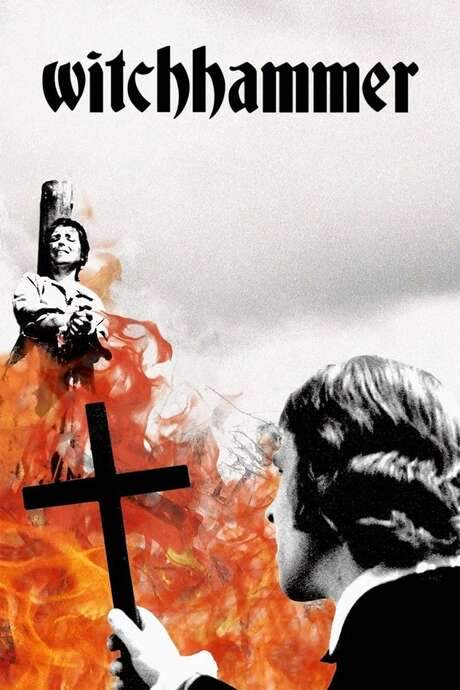
Witchhammer 1970


Made by

Filmové studio Barrandov
Where to Watch Witchhammer
See current US streaming, rental, and purchase options for Witchhammer (1970) via JustWatch.


Streaming availability powered by 
Witchhammer Plot Summary
Read the complete plot summary and ending explained for Witchhammer (1970). From turning points to emotional moments, uncover what really happened and why it matters.
In the 1670s Moravia, an altar boy notices an old woman hiding the bread given out during communion. He quickly alerts the priest, who confronts the woman. She admits that she took the bread with the intent to give it to a cow to re-enable its milk production. The priest reports the incident to the owner of the local estate, who then calls in an inquisitor, Boblig von Edelstadt. With a strict reliance on the medieval manual Malleus Maleficarum, he launches an ever-escalating series of trials. The tribunal wields thumbscrews in its interrogations, presenting torture as a sanctioned tool of justice, even as such harsh methods draw scrutiny.
Amid the escalating crackdown, a priest, Kryštof Lautner, speaks out against the inhumane procedures, and another clergyman senses that many of the accused women may be innocent, praying for the heavy-handed trials to stop. Boblig’s power begins to feel precarious as fear and zeal mix in the courtroom.
Boblig comes to fear Lautner, and one of the accused testifies against Lautner and his cook, Zuzana. Lautner is pressured about having a cook and about playing the violin—two acts deemed unconventional for a clergyman. He explains that his late mother took Zuzana in, and that he kept her because the girl had nowhere else to go. The drama widens as Lautner’s friends, the Sattlers, who own property slated for confiscation by the tribunal, are forced to confess that they accompanied Lautner and Zuzana to Peter’s Rock, engaged in fornication and worshiping Lucifer. Under torture, Zuzana is driven to insanity and confesses.
Lautner denies that his friends are telling the truth, while admitting that he himself took Zuzana’s virginity. The tribunal ultimately weighs the volume of confessions against his declared innocence, and the 36 confessions prevail. In the end, Boblig’s confidence swells as he proclaims that he has risen above all ordinary men, solidifying his grip on power and the course of the proceedings. The tale unfolds with a grim reminder of how fear, religion, and authority can intertwine to crush dissent and blur the line between justice and vengeance.
Witchhammer Timeline
Follow the complete movie timeline of Witchhammer (1970) with every major event in chronological order. Great for understanding complex plots and story progression.
Altar boy witnesses bread concealment
In Moravia during the 1670s, an altar boy spots an old woman hiding bread from communion. He immediately alerts the parish priest, prompting a careful inquiry into the theft.
Priest confronts the old woman
The priest confronts the old woman about stealing the bread and her motive. She admits her plan to feed a cow in order to restore its milk production.
Investigation escalates to the estate owner
The priest reports the incident to the owner of the local estate, who then summons an inquisitor. This shift moves the case from parish concerns to formal witchcraft proceedings.
Inquisitor Boblig begins trials
Boblig von Edelstadt, the inquisitor, begins an escalating series of trials rooted in the Malleus Maleficarum. He positions himself as judge and guide in the hunt for witches.
Thumbscrews are used in interrogations
The tribunal relies on thumbscrews to interrogate suspects, treating torture as a sanctioned tool of justice. A priest criticizes the inhumane methods, while some clergy worry innocence may be at risk.
Kryštof Lautner challenges the brutality
Kryštof Lautner openly challenges the severity of the procedures. He warns that many accused women may be innocent and prays for an end to the trials.
Accused testifies against Lautner and Zuzana
An accused person testifies against Lautner and his cook Zuzana, complicating the clergy's position. The testimony adds pressure on the case and on Lautner.
Lautner questioned about conduct
Lautner is questioned about owning a cook and playing the violin, signaling his unconventional clerical life. He explains that his late mother took Zuzana in, and he kept her because the girl had nowhere else to go.
Sattlers' confession implicates Lautner and Zuzana's companions
The Sattlers—Lautner's friends who stand to lose property to the tribunal—are coerced to confess that they accompanied Lautner and Zuzana to Peter's Rock, where they allegedly fornicated and worshiped Lucifer.
Zuzana tortured into confession
Under torture, Zuzana is driven insane and confesses. Lautner denies his friends' testimony but admits he took Zuzana's virginity.
Tribunal weighs confessions against innocence
The tribunal rules that 36 confessions outweigh Lautner's innocence. The mounting weight of accusations seals the verdict in the minds of the judges.
Lautner is forced to confess
Lautner is ultimately forced to confess, accepting the tribunal's authority over his truth. The coercive environment underscores the power of the inquisitorial system.
Boblig proclaims transcendence over ordinary men
In the concluding moments, Boblig declares that he has risen above ordinary men, signaling the perceived superiority and moral authority of his role. The statement encapsulates the era's zeal for judicial supremacy.
Witchhammer Characters
Explore all characters from Witchhammer (1970). Get detailed profiles with their roles, arcs, and key relationships explained.
Boblig von Edelstadt (Vladislav Šmeral)
An ambitious, dogmatic inquisitor who turns confessions into victories and uses torture to expand his power. He reveres the Malleus Maleficarum and treats legal procedures as a tool for property seizures as much as for uncovering truth. His rigid authority grows more oppressive as the trials proceed, revealing how zeal can eclipse justice.
Kryštof Lautner (Elo Romančík)
A priest who questions the cruelty of the trials and defends the innocent, acting as a rare voice of conscience. He keeps Zuzana's plight in view and challenges the methods used to extract confessions. His stance places him at risk within a hostile environment that prizes obedience over mercy.
Zuzana (Soňa Valentová)
An accused cook whose confession is coerced under torture, emblematic of the vulnerability of women in the trials. Her testimony is shaped by fear and manipulation, underscoring how pressure and procedure distort truth. Her fate highlights the human cost of a system that values fear over justice.
Witchhammer Settings
Learn where and when Witchhammer (1970) takes place. Explore the film’s settings, era, and how they shape the narrative.
Time period
1670s
The events unfold in the 1670s in Moravia, a period of intensified witch-hunts in Central Europe. Inquisitors wield the Malleus Maleficarum as a guide and torture becomes a sanctioned tool of interrogation. The era fuses religious fervor with legal authority, pressing individuals toward confessions and punishment.
Location
Moravia, Peter's Rock
Set in the 1670s Moravia, a rural region of the Czech lands, the story unfolds around a church, a local estate, and the rocky site known as Peter's Rock. Power and fear shape everyday life as inquisitors and landowners enforce conformity. The landscapes of villages, estates, and a coercive legal system provide the backdrop for brutal trials.
Witchhammer Themes
Discover the main themes in Witchhammer (1970). Analyze the deeper meanings, emotional layers, and social commentary behind the film.
⚖️
Power and Persecution
The tribunal demonstrates how legal authority is weaponized to enforce conformity and confiscate property. The Malleus Maleficarum supplies the justification for cruelty. Torture becomes a norm in pursuit of confessions, not truth. The film critiques bureaucratic arrogance that equates faith with fear and punishes innocence.
🕯️
Conscience vs Authority
Kryštof Lautner stands as a moral counterpoint to the inquisitors, defending the vulnerable. He questions inhumane methods and advocates mercy, but his stance meets resistance from those in power. The clash reveals how personal conscience can challenge institutional authority, even within the church. His defense of Zuzana highlights the limits of mercy under threat.
😨
Hysteria and Innocence
Fear of witchcraft drives public paranoia and coerces confessions. Accused women's lives are shattered by rumor and torture, while truth becomes a casualty of mass hysteria. The film shows how fear can imprison innocence and turn a community against its own.

Coming soon on iOS and Android
The Plot Explained Mobile App
From blockbusters to hidden gems — dive into movie stories anytime, anywhere. Save your favorites, discover plots faster, and never miss a twist again.
Sign up to be the first to know when we launch. Your email stays private — always.
Explore the mobile appWitchhammer Spoiler-Free Summary
Discover the spoiler-free summary of Witchhammer (1970). Get a concise overview without any spoilers.
In the shadowed valleys of 17th‑century Moravia, a relentless wave of witch‑hunts grips the countryside. The film opens on a world where the very act of faith has become a weapon, and the thin line between piety and persecution blurs beneath the weight of ancient doctrine. Dark, austere interiors and the perpetual clang of iron tools create a palpable sense of dread, while the relentless hum of whispers in church courtyards hints at a community on the brink of panic.
At the heart of this atmosphere stands Boblig von Edelstadt, an inquisitor whose devotion to the Malleus Maleficarum turns the courtroom into a cathedral of fear. His authority is bolstered by a rigid hierarchy that treats torture not as cruelty but as a sanctioned path to truth, casting a cold, methodical glare over every accusation. Opposite him, Kryštof Lautner—a parish priest whose compassion clashes with the prevailing zeal—finds himself quietly questioning the moral cost of the trials, his gentle dissent echoing like a fragile hymn in a storm of outrage.
The clash between these two figures fuels the film’s central tension. Boblig’s unyielding pursuit of what he sees as divine justice collides with Lautner’s quietly growing resolve to protect the vulnerable, setting up a powerful dynamic where each man embodies a different facet of faith—one forged in iron, the other in mercy. Their interactions, framed by the omnipresent threat of the inquisitorial tribunal, keep the audience poised between dread and hope.
Through stark black‑and‑white cinematography and a muted, reverberating score, the story immerses viewers in an era where superstition reigns, authority is absolute, and the very act of defending the accused can brand a soul as heretical. The film’s tone remains relentlessly somber, inviting reflection on how fear and power can intertwine to distort justice long before any final verdict is spoken.
Movies with Similar Twists and Themes
Uncover films that echo the narrative beats, emotional arcs, or dramatic twists of the one you're exploring. These recommendations are handpicked based on story depth, thematic resonance, and spoiler-worthy moments — perfect for fans who crave more of the same intrigue.
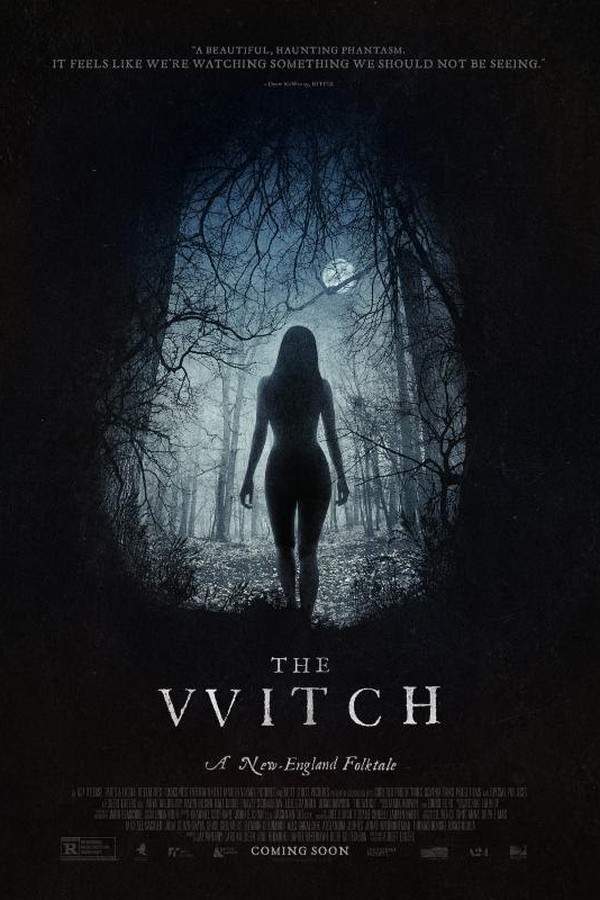
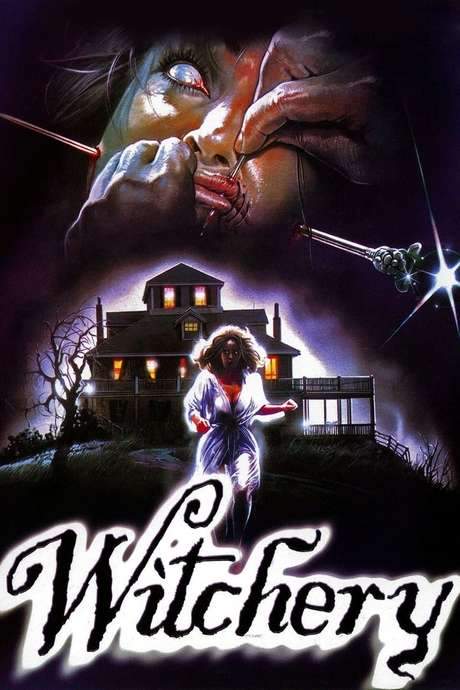


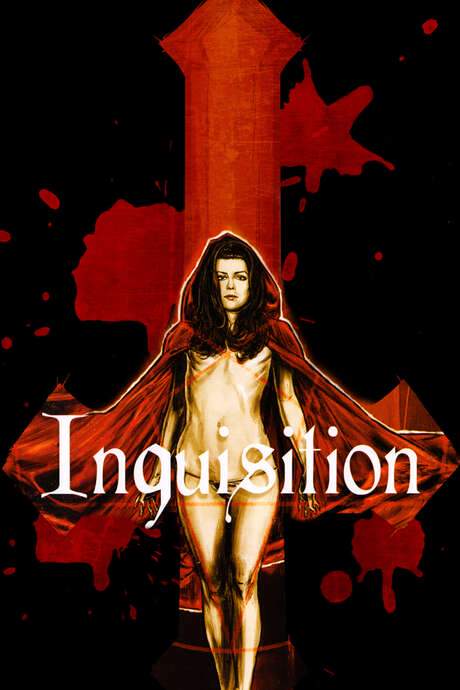
Featured on this page

What's After the Movie?
Not sure whether to stay after the credits? Find out!
Check out our other apps:

SAT Sphere
Build confidence for the Digital SAT.

Mori Atlas
Discover wild places worth protecting.

Luntero
Search smarter for a home in Amsterdam.

Plot Explained
Unravel movie endings and hidden clues.

Pokechamp
Dive into Pokémon data and battle logic.

Driving Theory
Get ready for your European theory test.

Movie Dust
Plan your next cinema trip with ease.

Musemap
Find art and culture as you travel.

Selkobase
Compare credentials before committing.

Local Manual
Turn an unfamiliar country into practical next steps.

Lernavi
Compare school systems before your next move.

GymRoam
Find a workout stop wherever your plans take you.
Explore Our Movie Platform
New Movie Releases (2026)
Famous Movie Actors
Top Film Production Studios
Movie Plot Summaries & Endings
Major Movie Awards & Winners
Best Concert Films & Music Documentaries
Movie Collections and Curated Lists
© 2026 What's After the Movie. All rights reserved.
Privacy Policy