
White Dog 1982

Directed by
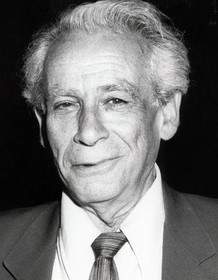
Samuel Fuller
Made by

Paramount Pictures
White Dog Plot Summary
Read the complete plot summary and ending explained for White Dog (1982). From turning points to emotional moments, uncover what really happened and why it matters.
Julie Sawyer, Kristy McNichol is a white actress driving through the Los Angeles hills at night when she accidentally hits a stray White Shepherd. After a veterinarian tends to the dog, she brings him home while she searches for the dog’s owners. A rapist breaks into her house and attempts to attack her, but the dog protects her. Despite her boyfriend, Roland Graele, Jameson Parker, warning her, she decides to keep the dog. What she doesn’t know is that the dog was trained by a white racist to attack Black people on sight, a revelation that will complicate every decision she makes from that moment forward.
The dog’s aggression surfaces in alarming ways as he slips out of the house and kills a Black truck driver, and later mauls a Black actress while on a film set. Julie’s attachment to the animal grows even as the danger it embodies becomes impossible to ignore. To stop the cycle, she takes the dog to a trainer, Carruthers, Burl Ives. Carruthers counsels euthanasia, arguing that ending the dog’s life is the humane and necessary step. Yet Julie’s resolve is tested again when a second trainer, Keys, Paul Winfield, a Black man, proposes an alternative path: retraining the dog.
Keys raises the stakes with a careful, hands-on approach. He begins by placing the dog in a large enclosure and exposing him to daily routines that require discipline and patience. Wearing protective gear, Keys keeps the dog on a leash and becomes the sole caretaker and feeder, establishing a controlled environment in which the dog can unlearn the hateful programming it was given. This intensive process marks a dramatic shift in the dog’s behavior, but it also risks the dog’s sanity—and prompts Keys to consider whether a cure is even possible.
The plan reaches a pivotal moment when the dog escapes and kills an elderly Black man in a church. Keys retrieves the dog and makes a radical choice: he will not surrender the animal to authorities but will continue the training, hoping to find a true rehabilitation path. He cautions Julie that the training has reached a tipping point—either the dog can be reformed, or the entire project could spiral into ruin. He believes that success here could send a powerful message that even a product of hate can be redirected toward humanity.
As the story unfolds, the dog begins to show warmth toward Keys, suggesting that the transformation may be possible. Julie finally confronts the dog’s original owner, who has come to claim him, and bluntly tells him that the dog has been cured by a Black person in front of his grandchildren, who knew the dog as a loving companion. Just when it appears the struggle is nearing a hopeful end, the dog unexpectedly turns its aggression toward Carruthers. In a tense moment of protective duty, Keys is forced to shoot and kill the dog to save his employer’s life.
White Dog Timeline
Follow the complete movie timeline of White Dog (1982) with every major event in chronological order. Great for understanding complex plots and story progression.
Julie hits a stray dog in the LA hills
Julie Sawyer hits a stray dog while driving through the Los Angeles hills at night. A veterinarian treats the dog, and she brings him home while searching for his owners. The encounter seeds an uneasy bond that drives the early choices in the story.
Dog protects Julie during a home invasion
A rapist breaks into Julie's house and tries to attack her, but the dog defends her. The incident strengthens Julie's resolve to keep the dog as a protector. Her boyfriend Roland Graele strongly disagrees with adopting him.
The dog is secretly trained by a racist
Unbeknownst to Julie, the dog has been trained by a white racist to attack Black people on sight. The training remains hidden as the dog forms a bond with Julie. The threat behind the dog's loyalty begins to loom over her life.
The dog kills a Black truck driver
The dog sneaks out and kills a Black truck driver on the street. The act demonstrates the lethal potential of the conditioning. Julie remains unaware of the full background behind the dog's violence.
The dog mauls a Black actress on set
Julie takes the dog to work, but on the film set the dog mauls a Black actress. The incident draws public and professional alarm about the dog’s dangerous temperament. Julie must confront what keeping him means for others' safety.
Carruthers urges euthanasia
Julie seeks help from Carruthers, a dog trainer who tells her to euthanize the animal. He argues that the dog’s violence cannot be controlled. This meeting sharpens the moral stakes and tests Julie's commitment.
Keys begins retraining the dog
A Black trainer named Keys offers to retrain the dog. He uses protective gear, confines the dog in a large enclosure, and is the sole caregiver feeding and supervising it. The process reveals a controversial approach to remolding a conditioned killer.
The dog kills an elderly man in a church
The dog escapes during training and kills an elderly Black man inside a church. The act shocks everyone and escalates the fear surrounding the retraining attempt. Keys recovers the dog and debates whether to hand it over to authorities.
Keys resists turning over the dog to authorities
Keys chooses to keep training the dog and prevents authorities from taking it away. He warns Julie that the training has reached a tipping point where the dog could be cured or driven insane. He believes success could undermine white racist programs that breed such dogs.
The dog grows friendly toward Keys
Gradually the dog becomes friendly toward Keys, suggesting progress in the retraining effort. Julie remains wary but begins to hope that a cure might be possible. The evolving bond adds complexity to the story's themes.
Owner arrives; Julie proclaims a cure
Another dog owner arrives to claim the dog, and Julie publicly tells him that the dog has been cured by a Black person in front of his grandchildren. The confrontation underscores the film's provocative stance on race and redemption. It also marks a turning point in how the dog is perceived.
Final betrayal: the dog turns on Carruthers
Just as Julie and Keys think the danger is over, the dog turns on Carruthers and attacks him. Keys shoots and kills the dog to save Carruthers. The ending delivers a brutal twist about the limits and costs of attempting to reshape violence.
White Dog Characters
Explore all characters from White Dog (1982). Get detailed profiles with their roles, arcs, and key relationships explained.
Julie Sawyer (Kristy McNichol)
A young actress who rescues a stray dog and chooses to adopt him, despite her boyfriend’s objections. She grows emotionally invested in the dog, blurring the line between caregiver and protector. Her actions propel the central conflict, revealing both vulnerability and determination. Julie’s journey anchors the drama as she contends with the dog’s dangerous past.
Carruthers
The elder dog trainer who pushes a harsh, punitive approach and initially urges euthanizing the dog. He embodies the era’s rigid, racially charged methods and resists rehabilitation efforts. His authority is challenged as the dog’s violence escalates. Carruthers’ eventual confrontation with the dog underscores the film’s critique of dehumanizing training practices.
Keys (Paul Winfield)
A Black trainer who advocates retraining the dog and testing humane methods. He dons protective gear and becomes the primary force challenging the racist conditioning. Keys believes in possibility and restraint, risking personal safety to attempt rehabilitation. His interventions drive the core moral questions about cure, responsibility, and race.
Roland Grale (Jameson Parker)
Julie’s boyfriend who resists keeping the dog and opposes the adoption. He embodies objections to danger and the practical concerns about safety around the aggressive animal. His stance creates friction with Julie, highlighting tensions between love, safety, and ethical choices. Roland’s perspective represents a counterpoint to Julie’s conviction.
White Dog
The canine at the story’s center, trained by a racist to attack Black people. The dog’s behavior shifts through manipulation and attempts at rehabilitation, becoming a pivotal force driving the plot’s violence and moral questions. The dog’s capacity for change is tested, and its ultimate fate serves as the story’s dramatic hinge. The animal stands as a stark symbol of prejudice’s destructive power.
White Dog Settings
Learn where and when White Dog (1982) takes place. Explore the film’s settings, era, and how they shape the narrative.
Time period
Early 1980s
The events are presented in a contemporary urban frame typical of early 1980s Los Angeles. Nightlife, private residences, and film production environments reflect the era’s public and private spheres. The tension arises from a present-day context rather than a distant historical period. This timeframe shapes the social dynamics and industry settings that drive the plot.
Location
Los Angeles
The story unfolds across a private home in Los Angeles and spills into a film set, showing how everyday spaces become sites of danger and tension. Nighttime LA hills provide a moody backdrop for the dog’s ominous presence. The narrative also visits a church, illustrating how violence intrudes into sacred spaces. Overall, the settings trace a urban-to-workplace journey that amplifies fear and conflict.
White Dog Themes
Discover the main themes in White Dog (1982). Analyze the deeper meanings, emotional layers, and social commentary behind the film.
⚫️
Racism
Racism is a central force driving the narrative, embodied by the dog trained to attack Black people. The film exposes how prejudice can be weaponized and normalized within communities. The plot threads the consequences of racist ideology through violence that escapes containment. It questions whether prejudice can ever be fully restrained once set into motion.
🐕
Animal Training
The dog functions as a vehicle for exploring unethical training practices and their consequences. The story contrasts punitive, racist conditioning with attempts at rehabilitation. Training becomes a moral battleground, where methods and intent determine the fate of both humans and animal. The escalating violence tests the limits of controllable change.
🕊️
Redemption
A Black trainer attempts to redeem the dog and nullify the racist training it received. The process reveals how fragile ‘cure’ can be when deeply ingrained patterns face real-world triggers. The ending weighs whether personal or systemic transformation is possible, or if violence will always reemerge. The narrative uses the dog’s trajectory to question the path from hatred to healing.

Coming soon on iOS and Android
The Plot Explained Mobile App
From blockbusters to hidden gems — dive into movie stories anytime, anywhere. Save your favorites, discover plots faster, and never miss a twist again.
Sign up to be the first to know when we launch. Your email stays private — always.
Explore the mobile appWhite Dog Spoiler-Free Summary
Discover the spoiler-free summary of White Dog (1982). Get a concise overview without any spoilers.
In the twilight shadows of the Los Angeles hills, an accidental collision pulls a solitary actress into an uneasy partnership with a stray white shepherd. The night‑time drive that begins as a routine shoot‑away quickly becomes the catalyst for a deeper, more unsettling journey, as the city’s glitz and the quiet of its outskirts collide. The tone is muted yet tense, a slow‑burn drama that asks how far we’ll go to protect something that feels like home, even when its past is concealed beneath a glossy surface.
Julie Sawyer returns home with the dog, drawn by a mixture of compassion and curiosity, while her boyfriend, Roland Graele, voices a pragmatic warning. Their dynamic highlights the friction between love‑driven impulsiveness and cautious reasoning, setting the stage for an emotional tug‑of‑war. Beyond the immediate household, the dog’s hidden purpose—shaped by a hateful agenda—casts a long, uncomfortable shadow over their lives, hinting at larger social undercurrents that ripple through the film’s world.
When the animal’s unsettling behavior surfaces, Carruthers, a seasoned trainer, appears with a stark, merciless solution that forces Julie to confront a grim moral calculus. Just as the weight of that choice settles, another voice emerges: Keys, an experienced Black trainer who proposes an alternative path of redemption. His methodical, hands‑on approach suggests that rehabilitation might be possible, yet its very existence raises questions about the nature of learned hatred and the limits of compassion.
The film balances intimate character study with broader societal reflection, maintaining a steady, uneasy mood that lingers long after each scene. As alliances shift and the stakes rise, the audience is left pondering whether love, empathy, and perseverance can truly reshape something forged in darkness, or whether some shadows run too deep to be erased.
Movies with Similar Twists and Themes
Uncover films that echo the narrative beats, emotional arcs, or dramatic twists of the one you're exploring. These recommendations are handpicked based on story depth, thematic resonance, and spoiler-worthy moments — perfect for fans who crave more of the same intrigue.
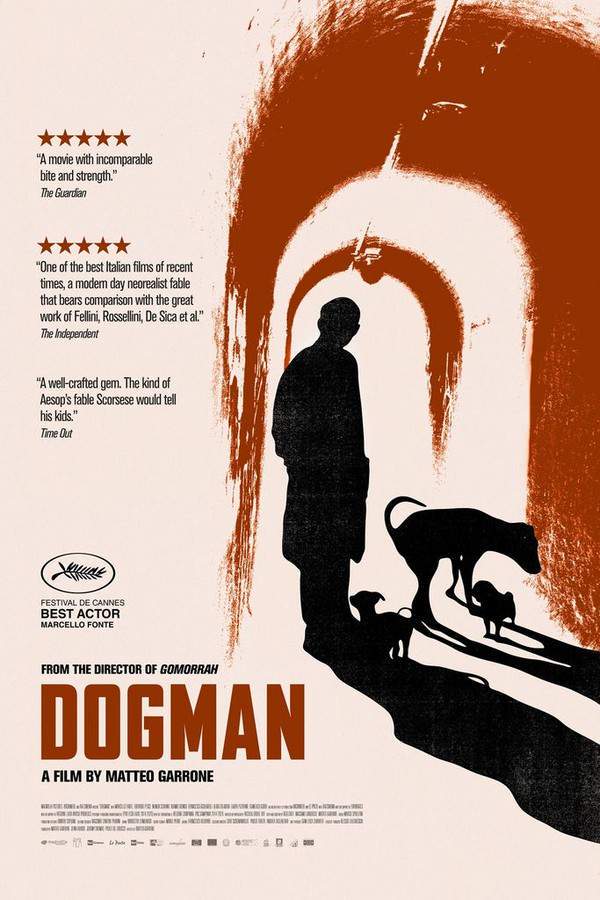


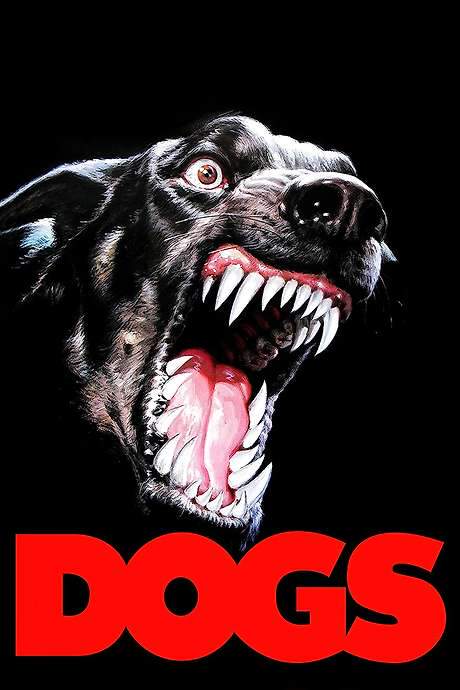
Featured on this page

What's After the Movie?
Not sure whether to stay after the credits? Find out!
Check out our other apps:

SAT Sphere
Build confidence for the Digital SAT.

Mori Atlas
Discover wild places worth protecting.

Luntero
Search smarter for a home in Amsterdam.

Plot Explained
Unravel movie endings and hidden clues.

Pokechamp
Dive into Pokémon data and battle logic.

Driving Theory
Get ready for your European theory test.

Movie Dust
Plan your next cinema trip with ease.

Musemap
Find art and culture as you travel.

Selkobase
Compare credentials before committing.

Local Manual
Turn an unfamiliar country into practical next steps.

Lernavi
Compare school systems before your next move.

GymRoam
Find a workout stop wherever your plans take you.
Explore Our Movie Platform
New Movie Releases (2026)
Famous Movie Actors
Top Film Production Studios
Movie Plot Summaries & Endings
Major Movie Awards & Winners
Best Concert Films & Music Documentaries
Movie Collections and Curated Lists
© 2026 What's After the Movie. All rights reserved.
Privacy Policy