

What Is White Line Fever About?
The premise of White Line Fever in 307 words, with nothing given away. The full story follows below.
The highways of the Southwest stretch like endless ribbons of steel, a world where the roar of diesel engines is the soundtrack to daily life. In this gritty, sun‑scorched landscape, independent truckers carve out a fragile freedom, balancing the demands of commerce with the relentless pull of the open road. The industry is dominated by an imposing organization that insists every driver belongs to its network, a subtle pressure that turns routes into contracts and camaraderie into compliance.
Carrol Jo is a seasoned hauler who has built his reputation on self‑reliance and a steadfast personal code. Raised in a long‑line of truckers, he knows every mile and every mechanic’s trick, but his true compass points toward his growing family. With a pregnant wife at his side, he dreams of a steady life that isn’t measured in loads or paychecks, but in the simple certainty of returning home each night.
That independence places him directly in the crosshairs of a shadowy faction that traffics in illegal cargo. A ruthless gang of cargo thieves operates under the direction of a powerful leader, pressing drivers like Carrol Jo to abandon their principles. Refusing to submit, he finds himself defending his livelihood, his loved one, and the unspoken pact among the road‑workers who value honor over profit. The tension crackles like a CB radio on a busy channel, hinting at a showdown that could redraw the boundaries of the trucking world.
The film rides a tone that blends rugged action with an undercurrent of restless hope. It captures the stark beauty of the desert highways, the camaraderie that blossoms in truck‑stops, and the fierce determination of one man who refuses to let another’s empire dictate his path. As the miles drag on, Carrol Jo’s stand becomes a beacon for anyone who believes the road should belong to those who drive it.
What Happens in White Line Fever?
The complete story of White Line Fever, from the first scene to the last, in 764 words (about 3 minutes). Spoilers throughout. Names in the text link to 4 cast member pages.
Spoilers ahead
Carrol Jo Hummer Jan-Michael Vincent grows up in a Tucson trucking family that works for Red River, a local produce-shipper. His father, Sam Hummer, drives the road with two steady partners, Duane Haller Slim Pickens and Pops Dinwiddie Sam Laws, and as CJ comes of age he and his dad become partners too. Sam even has the trailer’s lettering re-done to read “Sam Hummer and Son,” a bold symbol of the new arrangement.
CJ begins dating Jerri Kane Hummer Kay Lenz and the two plan to marry, but tragedy strikes when Sam dies and the family business shifts. With the partnership dissolved, CJ enlists by joining the Air Force; he serves in Vietnam, earns respect, and comes home as a decorated veteran who only wants to return to Jerri. The opening scenes show CJ’s plane landing to a hero’s welcome from Jerri and her brother, and the couple quickly marries, starting a modest, hopeful life together.
CJ secures a bank loan to buy his own truck. He and Jerri visit a used-truck lot and buy a repossessed 1974 Ford WT9000 cabover with a Cummins diesel engine, choosing a blue-and-white paint job and the striking name “BLUE MULE”. The sale includes a sense of independence and a dream of leaving debt behind. Back at Red River, CJ climbs into the life of the road again and proclaims over a CB radio that he’s in business for himself, aimed at getting out of hock as fast as possible.
But the reality at Red River changes. The company has shifted into hauling contraband—untaxed cigarettes, slot machines, and other illicit goods—under the watch of a new regime. Duane [Slim Pickens] warns CJ to stay quiet if he wants to keep driving, and a tense confrontation with Clem [Martin Kove], the ruthless ringleader among the dockside enforcers, leaves CJ nursing a bruised ego. Later, on a lonely highway, CJ is pulled over by Deputy Bob [Ron Nix], handcuffed to his own truck, and then brutalized again by Clem and his crew.
CJ can’t find work elsewhere after being blackballed by Red River. Frustrated and angry, he returns to the yard with a shotgun and threatens Duane, who urges him to speak to his boss, Buck Wessle [L.Q. Jones]. Buck agrees to a limited, clean load to Dallas to placate CJ, and Pops Dinwiddie decides to ride shotgun for protection as they set out. Along the way, the trio is attacked by men from Red River, but they fight back and keep moving. As the weeks pass, CJ uncovers the deeper truth: Red River is part of a larger Phoenix‑based conglomerate called the Glass House, a front for organized crime. The trucking fleet is a transportation network for illicit shipments, quietly controlled from the top.
CJ tries to unite other drivers and resist the pressure to haul illegal cargo. He faces brutal retaliation—beatings, vandalism, and cheating—and is eventually framed for the murder of Duane Haller. After an acquittal, the loss of Pops Dinwiddie, who had been driving the Blue Mule, comes into focus. The discovery of Pops’s body at his house spurs a climactic clash between CJ and Buck on the loading docks, where CJ defeats Buck only to be restrained by Carnell (Pop’s son) as revenge erupts.
A few days later, CJ and the other Red River drivers are invited to a Glass House meeting. They’re offered legal work in exchange for continuing deals that mirror the Glass House’s criminal arrangements, but CJ declines and pledges to keep operating on his own terms, rallying the other drivers to resist the system.
That night, a masked assailant crashes CJ and Jerri’s home and sets it on fire. Jerri loses the baby, a devastating blow that leaves both of them devastated. In the hospital, CJ vows to strike back with everything he has. He heads for the Glass House, radioing Deputy Bob to warn them he’s coming. The trail leads to a hail of gunfire as CJ’s Blue Mule is riddled with bullets, yet CJ charges through the guards, crashing through a giant two-story glass sign that bears the Glass House’s mark. The truck and CJ are nearly destroyed, but he survives.
Back on the news, a peaceful trucker strike in Tucson honors CJ’s stand, and CJ’s brother‑in‑law helps wheel him out of the hospital into a parking lot filled with waiting semis. The crowd cheers as the convoy roars to a close, and a subdued Jerri watches from a hospital window, unsure of what the future holds but drawn by her partner’s courage and the uncertain life they now share.
White Line Fever Timeline: Every Key Event in Order
14 key events in the order they happen, from “CJ Returns from Vietnam and Starts a Life with Jerri” to “Strike and Legacy”. 14 events name a place, across 13 locations.
- 1
CJ Returns from Vietnam and Starts a Life with Jerri
CJ comes home as a war hero to a welcoming Jerri and her brother. He and Jerri marry and begin a humble life together, setting the emotional stakes for the story. The opening sequence shows his arrival after the war, underscoring the promise of a new start.
When:upon return from Vietnam Where:Hometown in the Tucson area
- 2
The Blue Mule is Born: CJ Buys His Own Truck
CJ obtains a bank loan and visits a local used-truck lot. He purchases a repossessed 1974 Ford WT9000 and a custom blue-and-white paint job, christening it the 'Blue Mule.' He and Jerri celebrate by imagining the life that awaits them on the road.
Where:Tucson
- 3
CJ Announces Independence on the CB
Back on the road, CJ tells local listeners on the CB that he is going into business for himself. He is determined to earn fast money and pay the bank as soon as possible. The moment marks the start of his own trucking venture.
Where:Tucson
- 4
Red River’s Hidden Cargo and CJ's Stand
Returning to work at Red River, CJ finds the docks controlled by men smuggling contraband like untaxed cigarettes and slot machines. Duane warns him to stay quiet, or he will stay in trouble. CJ refuses to haul the illegal cargo and unloads his rig in a volatile confrontation with Clem.
Where:Red River docks, Tucson
- 5
Corruption Reaches the Highway
On a lonely highway CJ is pulled over by Deputy Bob, who is in on the scheme. He is handcuffed to his truck and then left as the deputies drive off, and Clem and others beat him, breaking his ribs. The roadside assault marks the start of the personal toll of his resistance.
Where:Lonely highway
- 6
Blackballed and Ready to Fight Back
After healing, CJ discovers he is blackballed by the trucking scene because he is seen as trouble. He confronts Red River, returning with a shotgun and threatening Duane; his demand is to speak to the boss Buck Wessler. Pops Dinwiddie decides to join him to keep him safe.
Where:Tucson/Red River
- 7
Dallas-bound and Attacked En Route
Buck agrees to let CJ take a clean load to Dallas, and Pops accompanies him for protection. Along the way, they are attacked by men from Red River but manage to fight them off and press on. The trip marks the first real test of CJ's independence from the corrupt system.
Where:En route Tucson to Dallas
- 8
CJ Discovers the Glass House
Over months, CJ drives loads for Red River and gradually uncovers that the company is part of a larger Phoenix-based organization called the Glass House. He learns the company uses the trucking network to move illegal shipments for organized crime. He also begins organizing other drivers to stand up to the scheme.
Where:Tucson, later Phoenix area (Glass House HQ)
- 9
Murder, Mistrust, and Acquittal
CJ strives to organize a strike against the Glass House but is beaten, vandalized, and framed for murder. After a trial, he is acquitted, while his ally Pops Dinwiddie is later found murdered at his home. The double blow galvanizes the remaining drivers to resist.
Where:Tucson courthouse; Pops' home
- 10
Climax at the Loading Dock
The drivers unite against Buck and his goons during a tense confrontation at the Red River loading dock. CJ defeats Buck in a brutal exchange, and Carnell—Pop's son—is restrained by his own father, who wants revenge for his father's death. The show of solidarity reaffirms CJ's leadership.
Where:Red River loading dock
Show the other 4 events of White Line Fever Hide the last 4 events
- 11
Glass House Invites; CJ Declines
A few days later the Glass House invites the drivers to a meeting and offers jobs with similar shady arrangements. CJ declines the offered positions and urges his fellow drivers to strike out on their own, resisting the corrupt system. The resistance becomes the central theme of the movement.
Where:Glass House HQ
- 12
Night of Fire and Loss
That night, an unseen assailant wounds CJ and Jerri and their house is set on fire. Jerri loses the baby she carries, a devastating personal cost of the conflict. CJ survives and vows to continue the fight.
Where:CJ's home; hospital
- 13
Final Showdown on the Road
CJ grabs his shotgun, heads toward the Glass House, and rams through a patrol, as Deputy Bob tries to intercept him. His truck is riddled with bullets, and he crashes through the GH sign, destroying both the sign and his truck. The destruction symbolizes the collapse of the corrupt system.
Where:Glass House HQ / two-lane road
- 14
Strike and Legacy
In the closing scene a TV news report announces a Tucson truckers' strike in honor of CJ. His brother-in-law wheels him out of the hospital to a parking lot filled with trucks, and the crowd applauds as Jerri looks on from the hospital window, hinting at an uncertain future.
Where:Hospital parking lot; Tucson
Who Are the Main Characters in White Line Fever?
9 characters, among them Carrol Jo Hummer (CJ) — Jan-Michael Vincent, Jerri Kane Hummer — Kay Lenz and Pops Dinwiddie — Sam Laws: who each one is and the part they play in the story. Every profile links to the actor’s page.
- CJ
Carrol Jo Hummer (CJ) — Jan-Michael Vincent
Played by Jan-Michael Vincent
CJ is a determined Tucson trucker who builds a life with his wife, Jerri, and later becomes a symbol of resistance against the Glass House. He is stubborn and fiercely loyal to his family, willing to risk everything to keep honest cargo moving. His leadership grows as he organizes fellow drivers and confronts corruption head-on.
- 🚚 Driver
- 💪 Determined
- 🛡 Loyal
-
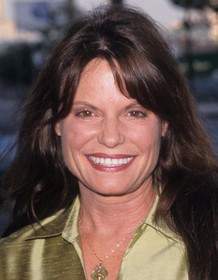
Jerri Kane Hummer — Kay Lenz
Played by Kay Lenz
Jerri waits for CJ's return from Vietnam and supports his dream of independence, even as tragedy tests their partnership. She embodies steadfast love and resilience, with a quiet strength that anchors the story's emotional core. Her experiences reflect the human cost of the battle against crime and corruption.
- 💞 Partner
- 🏠 Support
- 🕊 Hope
- PD
Pops Dinwiddie — Sam Laws
Played by Sam Laws
Pops is CJ's old friend who accompanies him on dangerous trips and acts as a protective, wise voice. He represents the moral compass and the risk-taking spirit of the trucking community. His fate becomes a turning point in the struggle against Red River and the Glass House.
- 👴 Mentor
- 🗺 Veteran
- ❤️ Father-figure
-
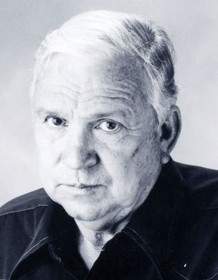
Duane Haller — Slim Pickens
Played by Slim Pickens
Duane is a ruthless enforcer at Red River who embodies the corrupt leadership steering the operation. He uses intimidation and violence to maintain control and intimidate CJ. His presence highlights the personal stakes in the fight against organized crime.
- 🕶 Enforcer
- 💥 Aggressive
- 👀 Rival
-
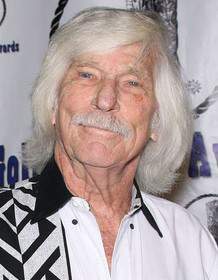
Buck Wessler — L. Q. Jones
Played by L.Q. Jones
Buck is the sleazy manager who runs Red River on behalf of the Glass House. He embodies corporate manipulation and the complex web of loyalty, debt, and power that drives the crime enterprise. His recruitment of CJ into offers and manipulation show the moral ambiguity of business.
- 💰 Opportunist
- 🕸 Power
- 🌀 Corrupt
-
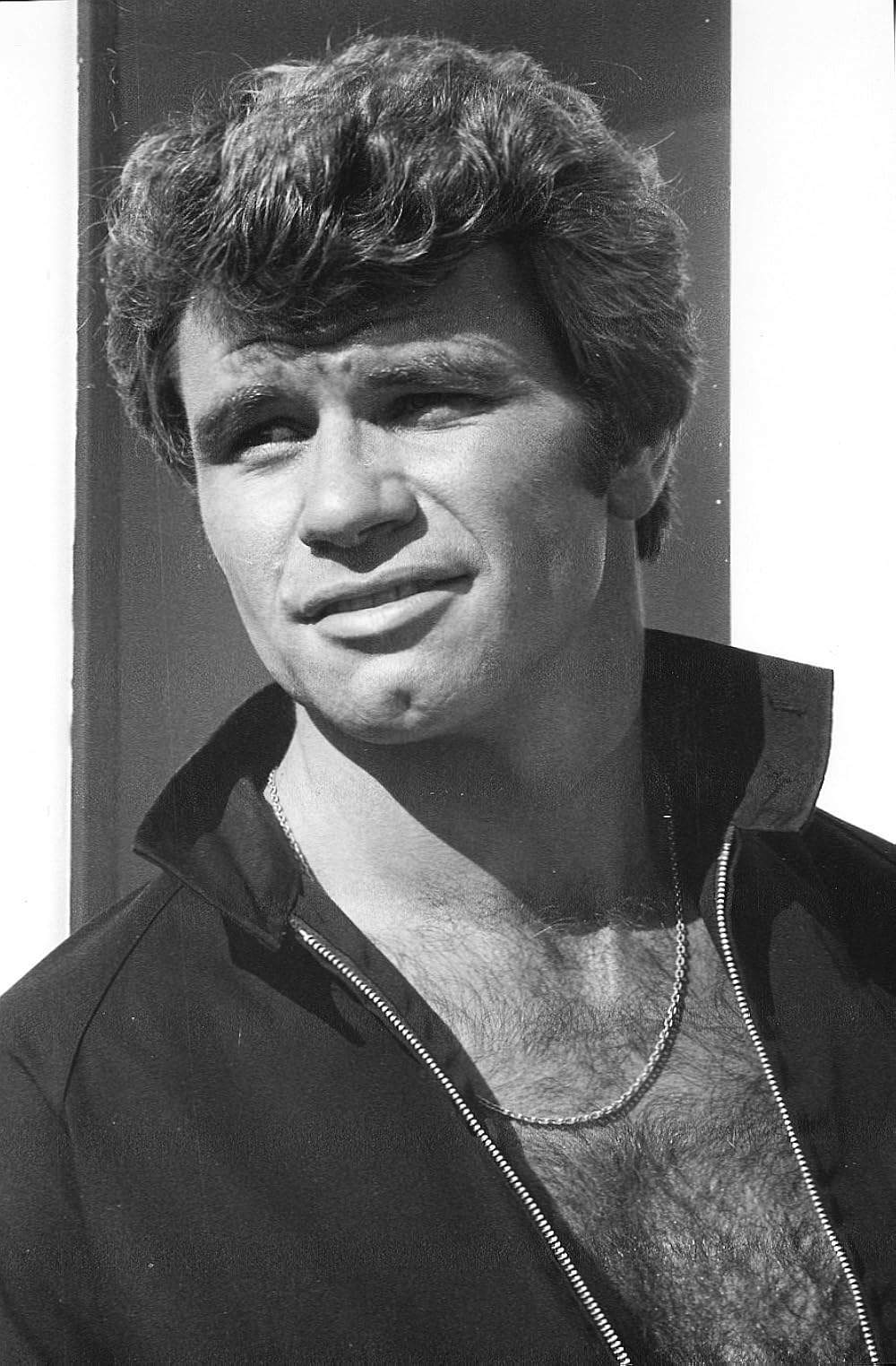
Clem — Martin Kove
Played by Martin Kove
Clem is a ringleader among the dockside goons who coerce workers and clash with CJ. He combines street-smart brutality with an air of control that keeps the labor operation aligned with the Glass House. His actions escalate the danger for CJ and his allies.
- 👊 Aggressor
- 🧭 Loyal to Buck
- 🐍 Sneaky
- C—
Carnell — Johnny Ray McGhee
Played by Johnny Ray McGhee
Carnell is Pops Dinwiddie's son who becomes entangled in the violent power games surrounding Red River and the Glass House. He acts as a foil to CJ, driven by revenge and loyalty to his family. His presence heightens the stakes in the final confrontation.
- 🔥 Hot-headed
- 👊 Bound by family
- 🕵️♂️ Vengeful
- JK
Jamie Kane — Jamie Anderson
Played by Jamie Anderson
Jamie is Jerri's brother who appears in the orbit of the Hummer family. He embodies the extended family network in the Tucson trucking world and supports or confronts events as they unfold. His presence adds to the sense of community and local ties.
- 👦 Brother
- 🧭 Local
- 👀 Observer
- DB
Deputy Bob — Ron Nix
Played by Ron Nix
Deputy Bob is a local law enforcement officer who becomes entangled with the crooked system, ending up part of the cover-up. He is a cautionary example of how corruption reaches into every level of the town. His confrontation with CJ drives the chase toward reform.
- 🕵️♂️ Corrupt
- 🧩 Betrayed
- 🛡 Authority
Where and When Is White Line Fever Set?
White Line Fever is set in Tucson, Arizona, Dallas, Texas, Phoenix, Arizona (1970s). Here is why the time and place matter to the story.
When
1970s
Set in the post-Vietnam era, the film follows CJ's return from service and his attempt to start a family and a trucking business. The era is marked by a rough, unregulated trucking industry in the American Southwest, with dockside corruption and a rise in organized crime fronts. The purchase of a 1974 truck and the use of CB radio anchor the story in the mid-1970s. The tone captures working-class life during a time of economic struggle and changing labor dynamics.
Where
Tucson, Arizona, Dallas, Texas, Phoenix, Arizona
The story unfolds primarily in Tucson and its surrounding desert landscape, where Red River and the Glass House operate. The journey also takes CJ on the road to Dallas for a long-haul load, and scenes near Phoenix hint at the corporate hub backing the trucking network. The desert southwest setting frames a gritty, sun-burnished world of transportation, low-town grit, and dockside crime.
- 🚚 Trucking
- 🏜 Desert
- 🕵️ Crime
- 👥 Community
What Are the Themes of White Line Fever?
3 ideas the story keeps returning to, among them Corruption, Labor Solidarity and Family and Sacrifice.
-
01
Corruption
The film centers on a corrupt system where a legitimate trucking operation is entangled with smuggling, illegal cargo, and protective power structures. CJ discovers that Red River is merely a front for the Glass House, a larger crime organization. The struggle exposes how corporate facades shield criminal activity and coerce workers into silence. Resistance against this system becomes a central moral thread.
-
02
Labor Solidarity
CJ mobilizes fellow drivers to refuse illegal loads and stand up to the corrupt bosses. The movie portrays the dangers and personal costs of organizing against a powerful syndicate, including beatings and blacklisting. It culminates in a dockside confrontation and a broader trucker strike that mobilizes the community in defense of honest work.
-
03
Family and Sacrifice
Family bonds drive CJ to risk his life and fight back, even as his wife Jerri endures loss and fear. The climax ties personal sacrifice to broader social justice, showing how protecting loved ones motivates fearless action. The story weaves in the toll on the couple's future, including tragedy and resilience.
What Kind of Film Is White Line Fever?
Tense in tone, with fast pacing and a straightforward story, going by the plot summary.
- Tone
- Tense
- Pacing
- Fast
- Story
- Straightforward
- Intensity
- High
- Ending
- Bittersweet
A tense and gritty 1970s trucker drama filled with desperate action, defiant stands against a corrupt system, and the tragic cost of holding onto one's independence.
- tense
- gritty
- determined
- desperate
- oppressive
- tragic
- trucker life
- organized crime
- resistance
- family tragedy
Content notes: physical violence, murder, arson, miscarriage, corporate corruption.
Quiz
How well do you remember White Line Fever? Test yourself on the story.
