
Where the Green Ants Dream 1984

Directed by
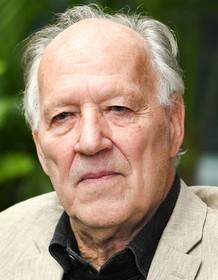
Werner Herzog
Made by

ZDF
Where the Green Ants Dream Plot Summary
Read the complete plot summary and ending explained for Where the Green Ants Dream (1984). From turning points to emotional moments, uncover what really happened and why it matters.
Lance Hackett, a geologist for Ayers Mining Company, identifies a promising uranium-bearing site in the Outback near Coober Pedy, South Australia. To study the area’s geological substructure, explosives are planned, but the local Aboriginal people block the work, arguing that the place is where the green ants dream, and disturbing the ants could destroy humanity. He becomes the intermediary between his employer and the tribe, and through his evolving understanding of their beliefs and way of life, he grows increasingly sympathetic to their cause.
Baldwin Ferguson, an executive vice-president of Ayers, tries to sway the tribal elders with a trip to Melbourne and with the gesture of a large, green military airplane, but neither tactic breaks through their resistance. The conflict winds its way to a courtroom, where the judge, Judge Blackburn, eventually rules in favor of the mining company. Yet the ruling does not erase the human stakes at hand, and the film follows how power, money, and memory collide in a landscape where tradition and progress pull in opposite directions.
Two tribal elders, including Miliritbi and Dayipu, spend days occupying the airplane, turning it into a symbolic stage for the community’s stubborn stand. In the mix, Watson, a younger member who learned to fly in the air force, climbs aboard to demonstrate that he can pilot the craft. The plane has little fuel, and Watson, who is intoxicated, crashes the aircraft into the surrounding hills. The accident marks a turning point in the unfolding saga, underscoring the precarious line between demonstration and disaster.
As drilling begins—holes, blasts, and the careful pacing of exploration—the tension between corporate ambition and ancestral land rights intensifies. Hackett ultimately steps away from the project, choosing instead to take refuge in an old water tank offered by a white man deeply moved by the local Aboriginal culture. The story lingers on his withdrawal, inviting reflection on responsibility, belonging, and the costs of trying to separate science from stewardship in a country where the land itself is a living memory.
Where the Green Ants Dream Timeline
Follow the complete movie timeline of Where the Green Ants Dream (1984) with every major event in chronological order. Great for understanding complex plots and story progression.
Hackett identifies a promising uranium site near Coober Pedy
Lance Hackett, a geologist for Ayers Mining, pinpoints a location in the Outback near Coober Pedy that holds significant uranium potential. The plan is to drill and use explosives to analyze the region's geological substructure. This discovery triggers the conflict with the local Aboriginal community who view the land as sacred.
Aboriginal people block the work due to sacred beliefs
The local Aboriginal community blocks the mining activities, claiming the area is where the green ants dream. They warn that disturbing the ants would destroy humanity. Hackett becomes the go-between, navigating between Ayers and the tribe.
Hackett becomes intermediary and sympathizes with indigenous worldview
Hackett takes on the role of mediator between Ayers and the tribe, gradually adopting an understanding of the indigenous worldview. His stance shifts from purely corporate interests to a concern for cultural and spiritual implications. The tension between progress and tradition grows.
Ayers fails to sway elders with Melbourne trip or green airplane
Baldwin Ferguson, Ayers' executive vice-president, tries to win the elders over with a trip to Melbourne and a large green military airplane as a gift, but neither tactic moves them. The community remains unconvinced, insisting on different terms or respect for their beliefs. The failed outreach escalates the standoff.
The case goes to trial and the judge rules for the mining company
The dispute reaches the courtroom, with arguments centered on land rights and safety concerns. The judge ultimately decides in favor of Ayers, allowing the exploitation to proceed despite opposition. The ruling intensifies resentment among the tribe and deepens Hackett's inner conflict.
Two tribal elders occupy the aircraft while Watson attempts a test flight
After the trial, two elder members spend days sitting in the large green airplane as a form of protest. Watson, a younger tribal member trained in the air force, climbs into the cockpit to prove he can fly. The act underscores the community's stubborn stance against the project.
Watson's drunken flight ends in a crash
With little fuel available, Watson takes off to demonstrate capability but is drunk and crashes the plane into the surrounding hills. The crash becomes a stark symbol of the tensions between the mining operation and tribal beliefs. Ayers proceeds with caution as the situation escalates.
Ayers begins drilling test holes and detonating small charges
Despite the opposition, Ayers begins drilling test holes at the site and setting off small explosives to study the geology. The activity tests the limits of safety and cultural sensitivities, heightening Hackett's discomfort with the plan. The mining work continues under the shadow of the tribe's objections.
Hackett quits the project and retreats to a water tank
Hackett decides to withdraw from the project, leaving the drilling and blasting operations behind. He takes shelter in an old water tank offered by another white man who was deeply affected by Indigenous culture. The relocation marks a turning point in his perspective on the project and its impact.
The white helper's influence reinforces Hackett's shift toward Indigenous concerns
The man who offered the water tank was profoundly influenced by studying Aboriginal culture, reinforcing Hackett's growing sympathy for the tribe. This support deepens Hackett's resolve to consider the spiritual dimensions of land and livelihood over corporate interests. The relationship hints at potential future changes in his stance.
Aboriginal elders' resistance remains intact
Even after the court ruling and the crash, the tribal elders maintain their stance against the mining activities. The memory of sacred land and green ants dream remains a powerful motivator for ongoing resistance. Hackett's internal conflict grows as he grapples with what he has learned from the tribe.
Hackett's path shifts toward a deeper engagement with the indigenous cause
With his withdrawal from the mining project, Hackett embarks on a path of personal transformation, influenced by the Aboriginal worldview. He remains connected to the land's spiritual importance and may consider a future where human activity respects the tribe's beliefs. The story closes with his new sense of purpose rooted in cultural respect.
Where the Green Ants Dream Characters
Explore all characters from Where the Green Ants Dream (1984). Get detailed profiles with their roles, arcs, and key relationships explained.
Lance Hackett (Bruce Spence)
An earnest geologist for Ayers Mining who becomes the intermediary between his employer and the Aboriginal community. He starts focused on securing the uranium site but gradually empathizes with the Indigenous worldview and the protection of sacred land. His shift from extraction to cultural concern leads him to withdraw from drilling and seek refuge in a water tank offered by a sympathetic ally.
Baldwin Ferguson (Norman Kaye)
Executive vice-president of Ayers Mining who attempts to sway tribal elders with trips to Melbourne and gifts like a green airplane. He embodies corporate pressure and paternalistic attitudes toward Indigenous claims, pressing for a quick resolution that serves the company’s interests.
Watson
A younger member of the tribe who learned to fly in the Air Force and uses the airplane to demonstrate capability. He ultimately crashes the plane when drunk and underestimates the risks, illustrating the volatility of pride and the fragility of the tribe’s plans.
Dayipu
One of the tribal elders who actively blocks the mining operation, upholding the community’s sacred connection to the land. His stance represents the deep-rooted respect for ancestral territory and resistance to external exploitation.
Miliritbi
Another tribal elder who participates in the resistance and embodies the spiritual relationship the community maintains with the land. His presence reinforces the gravity of the sacred landscape in the conflict.
Fitzsimmons (Tony Llewellyn-Jones)
Mining Executive who represents the corporate leadership pushing for continued extraction and project advancement. He is a key figure in the decision-making process behind expanding the mining operation.
Lawyer (Werner Herzog)
A lawyer in the courtroom proceedings representing the mining interests and framing the legal arguments. His presence underscores the formal mechanisms through which land rights and corporate interests collide.
Judge Blackburn
The presiding judge who rules in favor of the mining company, illustrating the judicial angle of the dispute and the difficulties Indigenous claims face within the legal system.
Solicitor General Coulthard
A government-law figure involved in the case proceedings, representing the formal state interests in the legal struggle over mining rights.
Mining Executive
A high-level corporate figure indicating the scale of the mining operation and the strategic importance placed on resource extraction.
Where the Green Ants Dream Settings
Learn where and when Where the Green Ants Dream (1984) takes place. Explore the film’s settings, era, and how they shape the narrative.
Location
Outback near Coober Pedy, South Australia
The story unfolds in the arid Australian Outback around Coober Pedy. The harsh red earth, sparse settlements and remote mining towns create a stark backdrop for the conflict. The land is culturally significant to the local Aboriginal communities, who claim the area as sacred where the green ants dream, opposing intrusive mineral exploration.
Where the Green Ants Dream Themes
Discover the main themes in Where the Green Ants Dream (1984). Analyze the deeper meanings, emotional layers, and social commentary behind the film.
🪶
Indigenous Rights
The film centers on Indigenous land rights and the clash with corporate mining. Hackett serves as a bridge between the mining company and the tribe, gradually recognizing the depth of Indigenous beliefs. The elders’ insistence on protecting sacred land challenges the company’s project and raises questions about cultural respect and sovereignty. The courtroom outcome underscores the limits of legal processes in honoring indigenous claims.
🌿
Environment vs Industry
The narrative juxtaposes resource extraction with spiritual and ecological beliefs tied to the land. Explosives and drilling threaten not only the landscape but the tribe’s understanding of the land as alive and sacred. The tension between progress and preservation drives key confrontations, including blockades and hazardous risks like the plane incident. The film probes whether ecological heritage can withstand industrial ambition.
💼
Corporate Morality
Ayers Mining embodies corporate drive for profit and resource control, often at the expense of cultural rights. Executives push for access to uranium through persuasion, gifts, and logistics that pressure the community. Hackett’s growing empathy contrasts with the company’s relentless pragmatism, highlighting moral conflicts within corporate strategy. The legal and financial structures ultimately privilege extraction over ancestral values.

Coming soon on iOS and Android
The Plot Explained Mobile App
From blockbusters to hidden gems — dive into movie stories anytime, anywhere. Save your favorites, discover plots faster, and never miss a twist again.
Sign up to be the first to know when we launch. Your email stays private — always.
Explore the mobile appWhere the Green Ants Dream Spoiler-Free Summary
Discover the spoiler-free summary of Where the Green Ants Dream (1984). Get a concise overview without any spoilers.
In the stark, sun‑bleached expanse of the Australian Outback, a remote stretch of desert is held sacred by its Indigenous custodians. Here, the dreaming of the green ants is believed to be the breath of the land itself—disturb their slumber and catastrophe will befall humanity. The vast, open sky and the ancient red earth create a landscape that feels both endless and intimate, a place where myth and geology sit side by side, humming with an uneasy quiet.
The multinational Ayers Mining Company has set its sights on the same ground, convinced that the uranium veins hidden beneath the surface could unlock untold wealth. Lance Hackett, a geologist hired to assess the site, finds himself caught between the corporate agenda and the deep‑rooted spirituality of the people who call the desert home. Across the boardroom table, Baldwin Ferguson, an executive vice‑president, embodies the relentless drive of progress, his confidence in technology and profit clashing with the reverence of the land.
Among the Aboriginal community, elders Miliritbi and Dayipu hold the stories of the green ants like a living map, guiding their people with a steadfast sense of duty to protect the dreaming. Nearby, a younger member named Watson—trained as a pilot—straddles both worlds, his modern skills reflecting a bridge between tradition and contemporary life. Their interactions with the mining team are marked by a quiet intensity, as gestures of goodwill meet an unshakable resolve rooted in ancient belief.
The film unfurls as a contemplative clash of values, where the glitter of uranium extraction meets the timeless pulse of the Dreaming. It invites the audience to feel the weight of stewardship, the pull of cultural memory, and the stark beauty of a land that refuses to be merely a resource. The tension between power, money, and reverence lingers in the hot wind, hinting at choices that will test every character’s sense of belonging and responsibility.
Movies with Similar Twists and Themes
Uncover films that echo the narrative beats, emotional arcs, or dramatic twists of the one you're exploring. These recommendations are handpicked based on story depth, thematic resonance, and spoiler-worthy moments — perfect for fans who crave more of the same intrigue.






Featured on this page

What's After the Movie?
Not sure whether to stay after the credits? Find out!
Check out our other apps:

SAT Sphere
Build confidence for the Digital SAT.

Mori Atlas
Discover wild places worth protecting.

Luntero
Search smarter for a home in Amsterdam.

Plot Explained
Unravel movie endings and hidden clues.

Pokechamp
Dive into Pokémon data and battle logic.

Driving Theory
Get ready for your European theory test.

Movie Dust
Plan your next cinema trip with ease.

Musemap
Find art and culture as you travel.

Selkobase
Compare credentials before committing.

Local Manual
Turn an unfamiliar country into practical next steps.

Lernavi
Compare school systems before your next move.

GymRoam
Find a workout stop wherever your plans take you.
Explore Our Movie Platform
New Movie Releases (2026)
Famous Movie Actors
Top Film Production Studios
Movie Plot Summaries & Endings
Major Movie Awards & Winners
Best Concert Films & Music Documentaries
Movie Collections and Curated Lists
© 2026 What's After the Movie. All rights reserved.
Privacy Policy