
The Last Wave 1977


Directed by
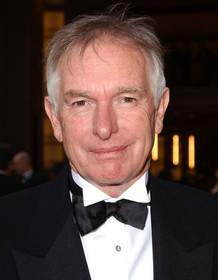
Peter Weir
Made by

Australian Film Commission
Where to Watch The Last Wave
See current US streaming, rental, and purchase options for The Last Wave (1977) via JustWatch.







The Last Wave Plot Summary
Read the complete plot summary and ending explained for The Last Wave (1977). From turning points to emotional moments, uncover what really happened and why it matters.
David Burton Richard Chamberlain is drawn into a disturbing case when a deadly drowning is ruled a homicide after a pub brawl among Aboriginal people in Sydney. The four men accused of the crime become clients of the Australian Legal Aid system, and Burton—whose real-world practice centers on corporate taxation rather than criminal defense—accepts the challenge more from curiosity than passion. As he agrees to defend them, his personal life and his sense of professional boundaries begin to fray, setting off a chain of events that pulls him toward something far more enigmatic than a straightforward courtroom drama.
Burton’s days blur into unsettling visions: running water, submerged bodies, and the creeping sense that the case is tapping into a larger order. A remarkable moment comes when a man from the prison, Chris Lee David Gulpilil, visits Burton at home, and the two men feel an uncanny pull that Burton cannot explain. As the inquiry unfolds and the four accused men wait under the shadow of colonial history, Burton’s dreams grow more vivid and more insistent. He begins to suspect that the murder might stem from an Aboriginal ritual punishment, perhaps enforced by a curse enacted with a bone. Yet Lee refuses to reveal tribal specifics or admit guilt in plain terms, instead urging Burton to trust the hidden meanings of his dreams. Through conversations with Lee and insights into Dreamtime—the parallel world of ancestral spirits—Burton learns that Mulkurul, a term Lee uses to describe a lineage connected to distant, sacred origins, might be guiding him toward a revelation bigger than any verdict.
Dr. Whitburn Vivean Gray becomes a crucial ally as Burton dives deeper into Aboriginal practices and cosmology. A complex tapestry of beliefs unfolds: shamanic ceremonies, sacred sites hidden beneath urban facades, and an older logic that seems to govern weather, fate, and the fates of those touched by the case. The more he discovers, the more Burton feels the city itself trembling under a storm whose purpose he begins to glimpse. When the rain intensifies and the floodwaters threaten to swallow the town, Burton convinces his wife that they must safeguard their children and depart from the city—an act that underscores the personal cost of his pursuit and foreshadows the wider catastrophe he senses on the horizon.
The plot accelerates as Chris Lee escapes prison and guides Burton through a network of subterranean tunnels that lead to a sacred Aboriginal ritual site. In a hidden chamber nearby, Burton encounters a ceiling painting that depicts the arrival of European explorers from a distant land and a calendrical prophecy of an oceanic disaster. Among relics scattered in the chamber—an ancient corpse clad in decayed Western garments and a stone mask—Burton recognizes a chilling likeness: the face etched into the relics appears to be his own. The discovery intensifies the stakes, and a brutal confrontation with the tribe’s shaman follows. Burton defeats the shaman using a relic as a weapon, but the act leaves him haunted by the cost of delving too deeply into forces beyond conventional law.
Burton’s attempt to return to the surface is thwarted by loss and exhaustion as he navigates sewer tunnels and recovers only fragments of the relics he has gathered. He finally emerges onto a desolate beach, where the horizon seems to hold its breath. The film then erupts into a sequence of stark, almost surreal images—an enormous wave looming in the distance—that blurs the line between reality and Burton’s apocalyptic premonition. The final moment leaves the audience uncertain whether what has happened is truly occurring in the present world or if it is the terrible culmination of Burton’s visions and the Dreamtime’s summons.
In this quiet catastrophe, the movie resists easy judgments, inviting viewers to weigh the tension between legal responsibility, ancestral memory, and the possibility that ancient forces might press into the contemporary, urban landscape. The performances—anchored by Burton’s increasingly fragile resolve and Lee’s mystic resistance—give life to a meditation on guilt, prophecy, and the fragility of human meaning when confronted with a cosmos that seems indifferent to the outcomes of a single courtroom. The film remains a stark meditation on how a single case can open a door to an older Australia, where time is braided with memory and the weather itself speaks in a language that cannot be dismissed as mere coincidence.
The Last Wave Timeline
Follow the complete movie timeline of The Last Wave (1977) with every major event in chronological order. Great for understanding complex plots and story progression.
Opening montage of 1970s Australia
The film opens with a montage of daily life across Australia in the 1970s: a rural desert school, a dusty outback main street, and a crowded city street. Unusual weather patterns begin to intrude on these scenes, abruptly breaking the normal rhythm of life. The sequence sets a mood of impending disruption, suggesting forces larger than ordinary people understand.
Rising storms and strange weather
As storms intensify, heavy rainfall soaks towns and cities, while large hail shards crash through windows and injure students. Frogs and other anomalies accompany the weather, underscoring the sense that something unnatural is happening. The chaos signals nature responding to unknown forces that will drive the plot.
Aboriginal recognition of cosmology
Among the turmoil, local Aboriginal communities alone seem to sense the cosmological meaning behind the events. They speak of Dreamtime, spirits, and sacred signs that hint at a larger order behind the disturbances. Their perspective contrasts with the broader public concerns and foreshadows a cultural clash to come.
Sydney pub altercation and drowning
During a freak rainstorm in Sydney, an altercation among Aboriginal people in a pub ends in a mysterious drowning. The death triggers a coroner's inquiry and the start of a homicide investigation. Burton is drawn into the case as a defense lawyer, despite his initial reluctance.
Coroner's inquest and charges
At the inquest, the death is ruled a homicide and four Aboriginal men are charged. The political and cultural tensions surrounding the case complicate the defense strategy. Burton is enlisted to help navigate the legal labyrinth through the Australian Legal Aid system.
Burton accepts the case
David Burton, a corporate taxation lawyer, is reluctantly recruited to defend the accused. He takes on the challenge, intrigued by its complexities as a way to test his skills. As the investigation unfolds, his professional life begins to unravel alongside his personal life.
Burton's dreams begin
Burton starts having bizarre dreams of running water and drowned corpses. The dreams intensify and blur with waking life, deepening his obsession with the case. They hint at a supernatural link between the murder, the weather, and his own fate.
Dream visitation by Chris Lee
In a dream, Burton is visited at home by Chris Lee, one of the accused he has never met. When Burton later meets the four men, he recognizes Lee and feels an uncanny, otherworldly bond with him. The experience convinces him there is more at stake than a standard legal dispute.
Dreamtime lessons and apocalypse rumors
After meeting Lee and learning about Aboriginal practices, Burton believes his dreams and the heavy rain portend an apocalypse. He dives into Dreamtime concepts and tribal prophecies, feeling drawn toward a larger, cosmic narrative. This belief reframes the murder case as a gateway to prophecy rather than a simple crime.
Family warned and evacuated
As danger rises, Burton persuades his wife to leave the city with their children to escape the flood and the looming apocalypse he believes is coming. The decision strains his marriage and finances while the storm worsens around them. The personal stakes rise alongside the professional ones.
Flooding and underground pursuit
A torrential storm floods the city, and Lee escapes from prison to seek Burton. The two traverse subterranean tunnels beneath the urban landscape toward a sacred Aboriginal site. The journey marks a turning point as Burton confronts the ritual world behind the crime.
Discovery of the sacred chamber and relics
In an underground chamber, Burton discovers a ceiling painting depicting the arrival of European explorers and a calendrical prophecy of disaster. He finds relics—a decayed corpse in medieval Western garments and a stone mask—that seem linked to his own fate. The imagery deepens the sense that history and prophecy are fused in this story.
Confrontation with the shaman
The sacred site becomes the stage for a violent confrontation with the tribe's shaman. Burton fights and kills the shaman with a stone relic, sealing his immersion in the ritual world and further entangling himself with the crime.
Escape to the surface
Burton tries to find his way back to the surface but loses the relics along the way. He finally emerges through a drain, exhausted, and collapses on a desolate beach. The image of the horizon hints at the larger questions the film leaves unresolved.
Final image: the towering ocean wave
On the horizon, a surreal towering ocean wave dominates the frame. The film leaves it unclear whether this is a true catastrophe or Burton's apocalyptic premonition, inviting ambiguous interpretation. The revelation lingers as the screen fades.
The Last Wave Characters
Explore all characters from The Last Wave (1977). Get detailed profiles with their roles, arcs, and key relationships explained.
David Burton (Richard Chamberlain)
A corporate tax lawyer drawn into a criminal defense case who becomes consumed by a murder inquiry and apocalyptic visions. His professional detachment erodes as dreams intersect with a perceived ancestral warning, pushing him toward a journey beyond rational explanation.
Chris Lee (David Gulpilil)
An Aboriginal man connected to the murder case who embodies Indigenous knowledge and Dreamtime traditions. He remains guarded yet serves as a bridge to a cosmology that unsettles Burton and challenges the structures of the legal system.
Sophie Burton (Katrina Sedgwick)
Burton’s wife, a stabilizing presence amid mounting peril. She represents the personal and familial stakes of the case, offering a counterpoint to Burton’s escalating obsession and the city-wide upheaval.
Annie Burton (Olivia Hamnett)
A member of Burton’s family who endures the encroaching chaos. Her perspective highlights the domestic cost of Burton’s investigation and the broader threat looming over the household.
The Last Wave Settings
Learn where and when The Last Wave (1977) takes place. Explore the film’s settings, era, and how they shape the narrative.
Time period
1970s
The narrative is anchored in 1970s Australia, a decade of social change and environmental volatility. A montage at the film’s start places daily life—from classrooms to cityscapes—under an era of unusual weather phenomena. The period details shape the characters’ responses to a looming apocalypse.
Location
Australia, Sydney, Outback desert town
The story unfolds across a mosaic of Australian settings—from rural desert schools to the dusty main street of an Outback town and the crowded streets of Sydney. The film uses these environments to contrast interior drought and urban life, highlighting how extreme weather unsettles communities across different locales. The settings frame a collision between Indigenous cosmology and European settlement.
The Last Wave Themes
Discover the main themes in The Last Wave (1977). Analyze the deeper meanings, emotional layers, and social commentary behind the film.
🌊
Apocalypse
A pervasive sense of impending cataclysm threads through the story, with weather anomalies signaling disaster. The heavy rain, hail, and floods propel Burton toward a desperate investigation, blurring lines between science, superstition, and prophecy. The ending leaves open whether the catastrophe is a real event, a dream, or a symbolic omen.
🌀
Dreamtime
Dreamtime manifests as a parallel realm of meaning that informs Indigenous spirituality. Burton’s dreams and Chris Lee’s experiences merge with tribal rituals, challenging Western legal logic. The film uses these dream sequences to connect personal fear with ancestral knowledge and a broader sense of fate for the city.
⚖️
Indigenous Rights
The defense of Aboriginal men exposes political maneuvering and cultural misunderstanding within the legal system. The case questions who has the authority to narrate truth when ancient beliefs collide with modern law. Indigenous knowledge and cosmology become pivotal to the characters’ fates.
🌧️
Nature's Power
Extreme weather drives the plot, reshaping the city and steering the characters toward decisive actions. The relentless rain, frogs, and floods function as both a physical threat and a symbolic force that tests resilience. The film presents nature as a catalyst for crisis and a keeper of ancient secrets.

Coming soon on iOS and Android
The Plot Explained Mobile App
From blockbusters to hidden gems — dive into movie stories anytime, anywhere. Save your favorites, discover plots faster, and never miss a twist again.
Sign up to be the first to know when we launch. Your email stays private — always.
Explore the mobile appThe Last Wave Spoiler-Free Summary
Discover the spoiler-free summary of The Last Wave (1977). Get a concise overview without any spoilers.
In a coastal Australian city where the sky seems to brood over the streets, a series of unsettling weather patterns hints at something far darker than ordinary storms. The film opens with a legal world that feels both modern and fragile, a place where the rhythm of courtrooms collides with the ancient pulse of the land. Against this backdrop, David Burton—a seasoned lawyer whose practice has always centered on corporate tax law—finds himself drawn into a case that sits uncomfortably at the intersection of law, culture, and myth.
The case involves a group of Aboriginal men accused of a serious crime that appears tangled with an old taboo. Though David approaches the defense more out of curiosity than conviction, the parameters of his professional life begin to blur. His marriage and family life are quietly strained, and the city’s increasingly ominous rain mirrors the growing tension inside his mind. As he spends time with his clients, he starts to experience recurring water‑filled visions that feel less like personal anxiety and more like a call from something beyond the courtroom.
Among the defendants, Chris Lee emerges as a quiet yet compelling presence. Their conversations carry a weight of unspoken history, and Lee gently steers David toward the world of Dreamtime—Australia’s deep‑rooted spiritual landscape of ancestral spirits and prophetic cycles. Through subtle hints about sacred lineages and hidden rituals, the film suggests that the legal battle could be a gateway to an older, unseen order that governs weather, fate, and collective memory.
The tone remains atmospheric and contemplative, balancing the procedural rigidity of a legal drama with the lyrical, almost reverent reverberations of an ancient culture trying to speak through the present. David’s journey invites viewers to wonder whether justice can ever be cleanly separated from the mythic forces that shape a continent, and whether the real danger lies not in the case itself but in the deeper currents that pull everyone toward an uncertain horizon.
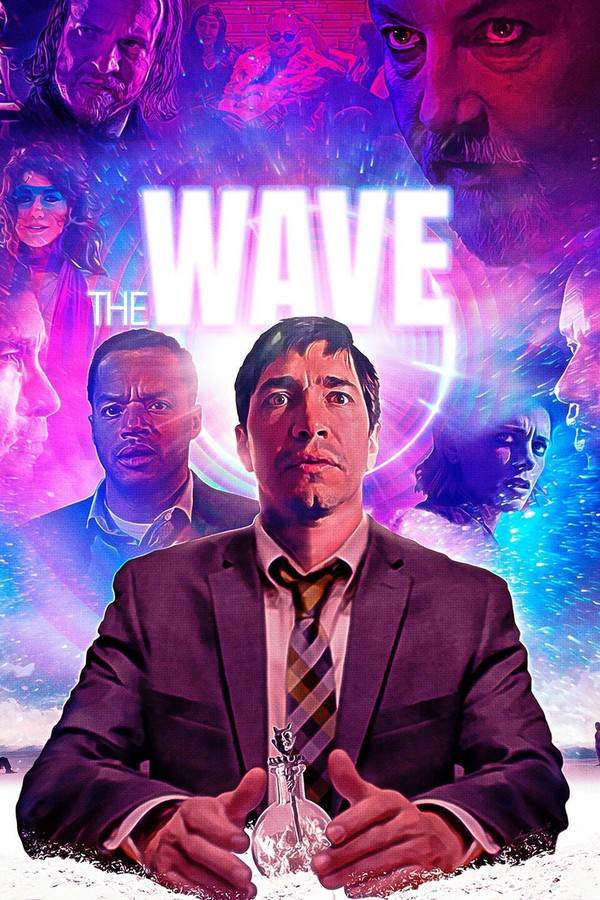
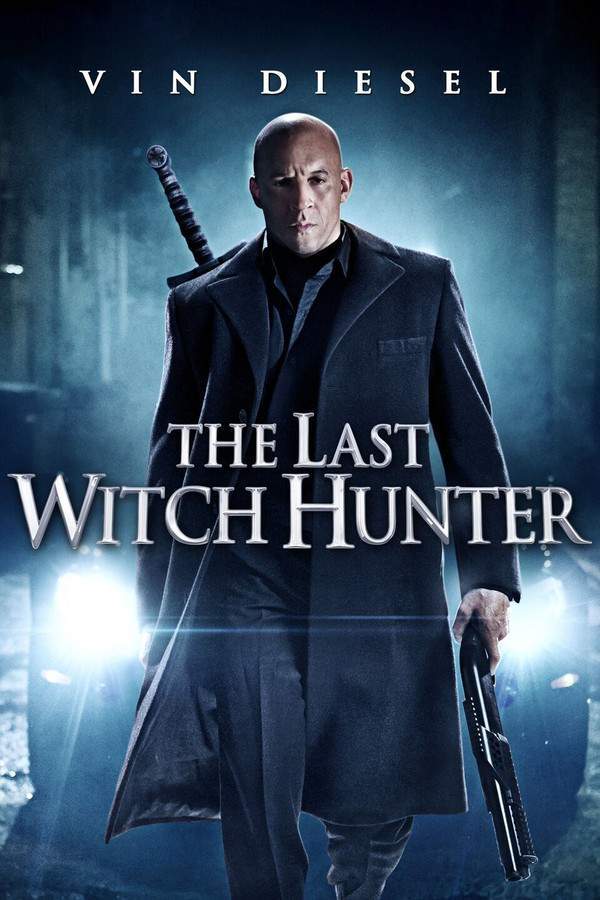
Movies with Similar Twists and Themes
Uncover films that echo the narrative beats, emotional arcs, or dramatic twists of the one you're exploring. These recommendations are handpicked based on story depth, thematic resonance, and spoiler-worthy moments — perfect for fans who crave more of the same intrigue.



Featured on this page

What's After the Movie?
Not sure whether to stay after the credits? Find out!
Check out our other apps:

SAT Sphere
Build confidence for the Digital SAT.

Mori Atlas
Discover wild places worth protecting.

Luntero
Search smarter for a home in Amsterdam.

Plot Explained
Unravel movie endings and hidden clues.

Pokechamp
Dive into Pokémon data and battle logic.

Driving Theory
Get ready for your European theory test.

Movie Dust
Plan your next cinema trip with ease.

Musemap
Find art and culture as you travel.

Selkobase
Compare credentials before committing.

Local Manual
Turn an unfamiliar country into practical next steps.

Lernavi
Compare school systems before your next move.

GymRoam
Find a workout stop wherever your plans take you.
Explore Our Movie Platform
New Movie Releases (2026)
Famous Movie Actors
Top Film Production Studios
Movie Plot Summaries & Endings
Major Movie Awards & Winners
Best Concert Films & Music Documentaries
Movie Collections and Curated Lists
© 2026 What's After the Movie. All rights reserved.
Privacy Policy