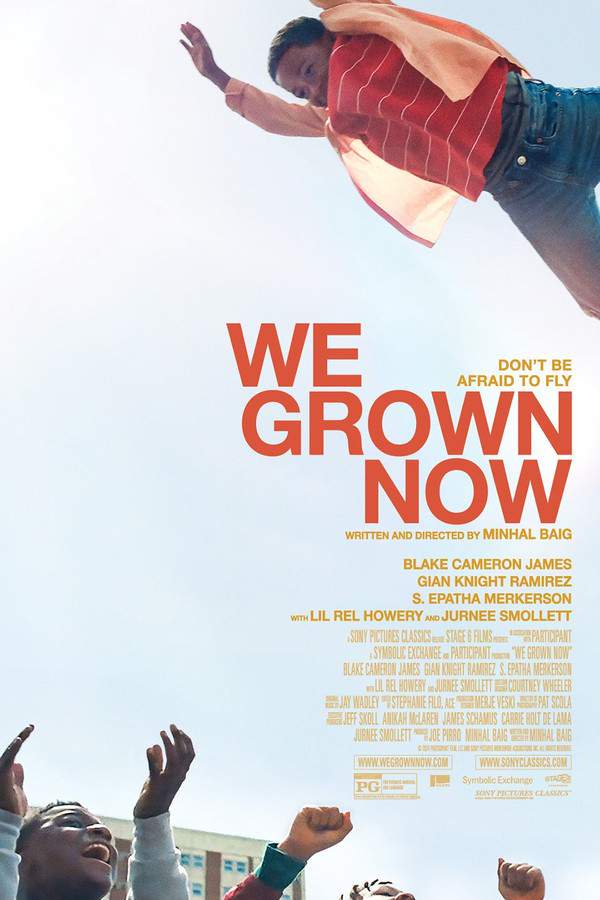
What Is We Grown Now About?
The premise of We Grown Now in 281 words, with nothing given away. The full story and the ending follow below.
Set against the electric backdrop of Michael Jordan’s legendary championship run, 1992 Chicago pulses with a unique energy, but for two boys in the Cabrini–Green Homes, the city offers a much different reality. Malik and Eric are best friends navigating the complex terrain of adolescence in a neighborhood defined by its resilience and its restrictions. Their days are spent in the sort of imaginative play that only childhood allows, specifically “jumping”—a game of hurdling stacked mattresses that offers them a fleeting sense of flight and freedom within the concrete confines of the South Side.
Though inseparable, the friends carry different weights on their shoulders. Malik benefits from a warm, matriarchal household led by his mother, Dolores, and grandmother, Anita, which fuels his mischievous and open-hearted nature. In contrast, Eric lives a floor above in a quieter, stricter environment with his father, Jason, and older sister. His more introverted demeanor masks a deep well of emotion, and while their home lives differ, their bond remains the steady anchor in a world that is often unpredictable.
As the year progresses, the innocence of their youth begins to brush against the harsh edges of the adult world. The vibrant hum of the Bulls’ success stands in stark contrast to the systemic challenges and rising tensions within their own community. Faced with the prospects of a changing neighborhood and the scrutiny of the outside world, Malik and Eric must confront what it means to grow up and grow apart. The film captures a pivotal moment in their lives, where the safety of childhood games gives way to the sobering realities of forging a legacy in a place that doesn’t always offer a fair playing field.
What Happens in We Grown Now?
The complete story of We Grown Now, from the first scene to the last, in 590 words (about 3 minutes). Spoilers throughout. Names in the text link to 6 cast member pages.
Spoilers ahead
In 1992, Malik Blake James and Eric Gian Knight Ramirez are two best friends growing up side by side in Chicago’s Cabrini–Green Homes, navigating the bustle of elementary school and the quiet moments that tether two boys to one another. Malik, a mischievous but affectionate kid, lives in a warm, loving apartment shared with his single mother Dolores Jurnee Smollett, his grandmother Anita S. Epatha Merkerson, and his younger sister Dee. By contrast, Eric resides a floor above in a more austere home with his single father Jason Lil Rel Howery and his older sister Amber Avery Holliday. The two friends fill their days chasing laughter and adventure at the neighborhood park, where they love playing a game they call jumping—trying to hurdle over a stack of mattresses in a playful, fearless rush.
As the area sours with rising racial tension, tragedy strikes when a boy named Dantrelle in a grade below them is shot, jolting the community. In response, the city’s leadership tightens its grip on Cabrini–Green: the mayor imposes identification cards for everyone in the complex and conducts late-night drug searches, multiplying daily humiliations and fear. The weight of oppression and the fragility of life push Malik and Eric to interpret the world with fresh eyes. The two boys decide to visit The Art Institute of Chicago, and amid the quiet halls and grand paintings they start to see in new lights the stark realities of systemic racism that their city embodies.
Meanwhile, Dolores faces a difficult professional crossroads. A promotion opportunity in Peoria could offer her a brighter future, but uprooting her children would mean upheaval and displacement. Anita, who herself left Mississippi years earlier for better opportunities, urges Dolores to take the job and seek a new start. Malik overhears this plan and grapples with the idea of leaving Chicago, while Eric’s stance remains wary and defensive, unsure about losing the daily rhythm of their friendship.
Back home, the pressure to succeed—paired with the looming possibility of relocation—stirs strain in Malik and Eric. Eric grows increasingly withdrawn under his father’s expectations, and he misreads Malik’s contemplation of leaving as a betrayal. He confronts his own fear and resents the thought of Malik stepping away, and a tense confrontation ensues in which Malik is hurt. The injury marks a painful crack in their bond, leaving both boys to grapple with a future that might separate them.
Yet life’s pressures don’t sweep Malik away from his core belief: that the people you meet can make a home feel real. During a reflective school assignment, Malik articulates a hopeful truth—that home isn’t just a place, but the meaningful connections you forge with others. This realization lands with a sting for Eric, who sees in it a counterpoint to his own fears about leaving. A rift forms, and for a while their paths seem to diverge as each boy contends with the pull of opportunity versus the pull of friendship.
As the family begins to prepare for a possible move, Jason encourages Eric to reach out to Malik and repair what’s been strained. The idea of one last, shared moment in the apartment—and the everyday rhythm that defined their friendship—gives them hope. The two boys eventually find their way back to each other, and as Malik stands on the threshold of leaving, they reconnect in a heartfelt exchange that blends apology, forgiveness, and the enduring promise of companionship. The moment culminates in a simple yet profound jumping trick that carries a whispered encouragement between them: > Don’t be afraid to fly.
We Grown Now Timeline: Every Key Event in Order
12 key events in the order they happen, from “Two best friends in Cabrini-Green” to “Last moment reconciliation”. 12 events name a place, across 7 locations.
- 1
Two best friends in Cabrini-Green
In 1992, Malik and Eric are best friends living in Chicago's Cabrini–Green Homes. Malik is mischievous but affectionate, and Eric is a bit more introverted. They attend the same elementary school and spend their afternoons at the park.
When:1992 Where:Cabrini-Green, Chicago
- 2
Jumping at the park
They love a park game called 'jumping', where they try to hurdle over a stack of mattresses. The game is a symbol of their resilience and trust in each other despite the harsh surroundings.
When:1992 Where:Park near Cabrini-Green
- 3
Tragedy sparks crackdown
A fatal shooting of Dantrelle heightens fear and anger in the neighborhood. In response, Mayor Daley cracks down on activity, ordering people to carry IDs and conducting late-night drug searches.
When:1992 Where:Cabrini-Green, Chicago
- 4
Visiting The Art Institute
Unable to ignore the wider world, Malik and Eric skip school to visit The Art Institute of Chicago. They look at the paintings and begin to understand systemic racism shaping their lives.
When:1992 Where:The Art Institute of Chicago
- 5
Dolores's Peoria promotion
Dolores is offered a job promotion in Peoria to help support the family. Anita encourages the move, having herself traveled north for better opportunities.
When:1992 Where:Peoria
- 6
Malik hesitates to leave
Malik overhears the Peoria plan and privately wrestles with mixed feelings about leaving. He wonders whether friendship and home can survive the move.
When:1992 Where:Cabrini-Green, Chicago
- 7
Eric's pressure and accusation
Eric, pressured by his father to succeed, becomes withdrawn. He accuses Malik of wanting to leave him behind when he learns Malik might relocate.
When:1992 Where:Cabrini-Green / school
- 8
Malik's home-made truth
During a school assignment, Malik admits that the people you meet are what make a home, and he says he has found that in Eric. The sentiment reveals how much their friendship has formed his sense of belonging, complicating their decisions.
When:1992 Where:School
- 9
The scuffle and its cost
Eric's bitterness erupts into a scuffle that injures Malik, further straining their bond. The incident marks a painful turning point as both boys confront the possibility of losing each other.
When:1992 Where:Cabrini-Green / school
- 10
Family prepares to leave
Malik's family begins to prepare for the move to Peoria, packing and saying quiet goodbyes. The looming relocation makes the friendship feel even more fragile.
When:1992 Where:Cabrini-Green, Chicago
- 11
Reaching out and remorse
Eric feels remorse and hesitates to reach out, but Jason encourages him to reconnect. He resolves to bridge the distance with Malik.
When:1992 Where:Cabrini-Green
- 12
Last moment reconciliation
Malik imagines the apartment one last time and then meets with Eric. They reconcile as Malik shares a jumping trick: 'Don’t be afraid to fly'.
When:1992 Where:Cabrini-Green
Who Are the Main Characters in We Grown Now?
7 characters, among them Malik (Blake James), Eric (Gian Knight Ramirez) and Dolores (Jurnee Smollett): who each one is and the part they play in the story. 6 of them link to the actor’s page.
- M(
Malik (Blake James)
Played by Blake James
A mischievous but friendly boy who loves spending time at the park with Eric. He envisions a better life but remains deeply loyal to his friends and family. Throughout the story he learns that the people you meet give a home its meaning, a realization he expresses during a school assignment. His resilience and warmth drive the narrative's emotional core.
- 🎒 Student
- 🧒 Young Protagonist
- 🧭 Loyal Friend
- E(
Eric (Gian Knight Ramirez)
Played by Gian Knight Ramirez
A slightly more introverted boy who lives with his single father and older sister. He grows withdrawn under pressure and is wary of change, especially if it means losing Malik. His arc involves confronting mortality, fear, and the pull between staying and growing up, culminating in a meaningful reconciliation with Malik.
- 🧑🤝🧑 Introverted
- 🧭 Thoughtful
- 🧍 Brother
-
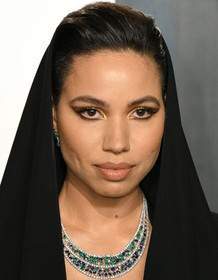
Dolores (Jurnee Smollett)
Played by Jurnee Smollett
Malik and Dee's mother, a single parent who faces the challenge of providing for her family. She is offered a promotion in Peoria, creating a difficult choice between better opportunities and staying connected to her children. Her decision shapes the family’s future and tests the strength of their bonds.
- 👩 Mother
- 💼 Working Woman
- 🏠 Family First
-
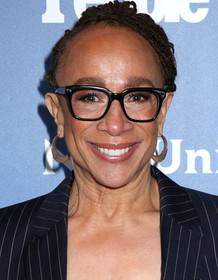
Anita (S. Epatha Merkerson)
Played by S. Epatha Merkerson
Malik’s grandmother who moved from Mississippi for better opportunities and now anchors the family with her experience and steady love. She supports Dolores’s choices and emphasizes resilience in the face of systemic pressures. Anita’s role frames the generational memory and strength driving the home they share.
- 👵 Grandmother
- 🏡 Pillar of Family
- A(
Amber (Avery Holliday)
Played by Avery Holliday
Eric’s older sister who lives on the floor above with her father and plays a protective, steady role in the brothers’ lives. She embodies the family’s persistence in a challenging environment and helps to balance the brothers’ perspectives as events unfold.
- 👩 Sister
- 🛡️ Protective
- J(
Jason (Lil Rel Howery)
Played by Lil Rel Howery
Eric’s single father who pushes his son to succeed while grappling with the pressures of providing for the family. He encourages reconciliation and acts as a mediator as tensions rise, highlighting themes of responsibility and care within a strained urban household.
- 👨 Father
- 💪 Provider
- 📚 Motivator
- D
Dee
Malik’s younger sister who is part of the family’s close circle. Although not deeply explored in the summary, her presence reinforces the familial warmth and the everyday stakes of staying together in a volatile environment.
- 🧒 Younger Sister
- 🏠 Family Member
Where and When Is We Grown Now Set?
We Grown Now is set in Cabrini–Green Homes and Chicago (1992). Here is why the time and place matter to the story.
When
1992
The narrative is set in early 1990s Chicago, where life in the Cabrini–Green projects is colored by economic hardship and rising racial tensions. The city experiences a crackdown on activity in the neighborhood, including ID checks and drug searches. A key visit to the Art Institute of Chicago offers a lens to confront systemic racism and consider what home means beyond the block.
Where
Cabrini–Green Homes, Chicago
The story unfolds within Cabrini–Green Homes, a large public housing complex in Chicago. It portrays a tight-knit community living under challenging conditions shaped by poverty and neighborhood tension. The environment drives the characters' daily lives and the choices they make as they navigate danger, hope, and renewal.
- 🏙️ Urban housing project
- 🧒 Childhood in Chicago
- 🛡️ Systemic oppression
What Are the Themes of We Grown Now?
3 ideas the story keeps returning to, among them Systemic Racism, Friendship and Displacement.
-
01
Systemic Racism
The film portrays how the community endures discriminatory policies and intensified policing. Dantrelle's death and the subsequent crackdown highlight how policy and law-enforcement responses shape everyday life for Black families. The protagonists grapple with inequality while seeking dignity and opportunity within a constrained system. Artistic moments at the Art Institute provide critical perspective on racism.
-
02
Friendship
Malik and Eric form a defining bond that anchors them amid turbulence. Their shared games, conversations, and mutual care frame a sense of belonging that transcends their housing complex. Conflict arises as possibilities of separation test their trust, but reconciliation reinforces the depth of their connection. The idea that home is found in people, not just places, runs through their relationship.
-
03
Displacement
Dolores is offered a promotional opportunity in Peoria, introducing the prospect of leaving Chicago and disrupting family life. The move forces the family to reconsider what makes a home, while Malik learns to weigh dreams of a better future against loyalty to friends. The tension between staying and leaving underscores the emotional costs of relocation and the hope tied to new beginnings.
How Does We Grown Now End?
The last act of We Grown Now and what it means, in 254 words. The ending lands as bittersweet. Big spoilers: read the plot summary first if you have not seen it.
The final act, in full
In the end, Malik and Eric’s friendship is tested by the upheaval of their world. Malik, who dreams of a bigger, freer life, and Eric, more cautious and grounded, are facing separate futures as Malik prepares to leave Cabrini-Green with his family. During their final moment together, Malik shares a secret dream of jumping the highest, symbolizing his hope and aspiration to soar beyond their circumstances. He encourages Eric to never be afraid of flying, suggesting that stepping into the unknown is necessary to grow and find one’s place in the world. Malik’s words reflect his optimism despite the hardships they’ve endured, contrasting with Eric’s more reserved outlook shaped by his lived experiences. As Malik is driven away, these last moments are filled with emotion, capturing both the pain of parting and the bittersweet realization that childhood innocence is slipping away. Eric, frantic to hold on, runs after Malik but fails to catch him, sealing the emotional rift and emphasizing how their separate paths lie ahead. Malik’s departure signifies the loss of childhood innocence and the harsh transition into adulthood—each boy set on a different journey. Ultimately, the film leaves us with a poignant reflection on belonging, dreams, and the inevitable nature of change, as Malik searches for a place he can call home and Eric grapples with the fears that come with growing up. Their farewell underscores that while childhood may end, the memories and lessons of their friendship will stay with them, shaping their future in ways they do not yet realize.
What Kind of Film Is We Grown Now?
Bittersweet in tone, with steady pacing and a straightforward story, going by the plot summary.
- Tone
- Bittersweet
- Pacing
- Steady
- Story
- Straightforward
- Intensity
- Medium
- Ending
- Bittersweet
A tender yet melancholic coming-of-age story set against the backdrop of urban poverty, blending childhood innocence with the harsh realities of systemic oppression.
- nostalgic
- melancholic
- hopeful
- oppressive
- reflective
- tender
- coming of age
- friendship
- systemic racism
- poverty
Content notes: racial violence, child death, police brutality, systemic oppression, poverty.
Quiz
How well do you remember We Grown Now? Test yourself on the story.