
Waltzes from Vienna 1934

Directed by
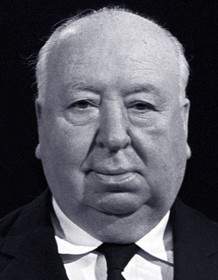
Alfred Hitchcock

Where to Watch Waltzes from Vienna
See current US streaming, rental, and purchase options for Waltzes from Vienna (1934) via JustWatch.

Artiflix
4K
Fawesome
HD
Plex
HD
Plex Channel
HD
The Roku Channel
HD
Amazon Video
SD Streaming availability powered by 
Waltzes from Vienna Plot Summary
Read the complete plot summary and ending explained for Waltzes from Vienna (1934). From turning points to emotional moments, uncover what really happened and why it matters.
Waltzes from Vienna opens with the sound of a fire brigade horn and the clip-clop of horses’ hooves as the firemen race toward Ebezeder’s Café. Upstairs from the cafe, Resi [Jessie Matthews] and Schani [Esmond Knight] are immersed in a tender love duet that ends with Schani telling Resi he has dedicated his newest song to her. At the same time, Countess Helga von Stahl [Fay Compton] is shopping nearby, drawn to the music from the corner shop. The moment of private romance is interrupted when Leopold [Hindle Edgar], a baker in Resi’s father’s café, climbs a ladder in a clumsy bid to rescue Resi, driven by his own feelings for her. The two men quarrel over who should save her, and Leopold ultimately wins the dramatic save, hoisting Resi over his shoulder as her skirt slips along the climb. Resi bolts toward the dressmaker’s, while Schani retrieves her skirt and stumbles into the shop in search of Resi, where he crosses paths with the Countess. When the Countess learns Schani is an aspiring musician, she quietly offers to have him set her verses to music, planting the seed of a dangerous artistic opportunity.
With romance sparking and ambition rising, the drama shifts to the orchestra where Schani serves as second violin under his father, the elder Strauss [Edmund Gwenn]. The elder’s baton is a symbol of decades of tradition, and tensions flare when Schani insults his father’s music to his stand partner. The elder Strauss overhears and commands that Schani perform one of his own pieces for the orchestra. Rather than offer a respectful display, Schani is ridiculed, prompting the elder to declare that his son could never have a legitimate career as a composer. The confrontation pushes Schani to quit the orchestra, severing the safe path laid out by his family.
Buoyed by a newfound independence and the Countess’s commission, Schani visits Resi at her father’s bakery to share the big news. Resi, initially brisk and practical, warns that if he wants to marry her he must give up music and take over the bakery. Yet when she glimpses the Countess’s verses, she is swept up in the musical potential and even sings the opening of The Blue Danube waltz, drawing Schani deeper into the idea of composition. The moment becomes a living, collaborative act: a basement kitchen becomes a studio, and the rhythm of the dough, croissants, and a spinning dough mixer inspires the waltz’s themes. As Schani surveys the bakery’s chaotic energy, the melodies begin to emerge—two main themes taking shape in the cadence of bread being tossed, each loaf shaping a beat, each machine providing a heartbeat. He rushes upstairs to tell Resi that he has completed the piece, a triumph tempered by the cost of leaving music behind.
The couple’s triumph is tempered when the Countess arrives to hear the new waltz, and Schani performs for her first, quickly followed by a performance for a publisher, Anton Drexler [Marcus Barron]. The Countess’s seductive praise becomes a glittering trap, and a duplicitous dedication erupts: Schani’s page, initially dedicated to Resi, is replaced by a second page dedicated to the Countess. This betrayal is heard by Resi, who feels the sting of Schani’s divided loyalties even as the two lovers reconcile—Schani vows to give up his music to work in the bakery. Yet the taste of success lingers, and the lure of the Countess’s world pulls at him, even as Resi’s devotion remains a counterpoint to his ambition.
As the romance and music unfold, Schani finds himself drawn back to the stage at the Countess’s invitation to St. Stephen’s Festival. Resi warns that attending the festival could spell the end of their relationship, but the Countess schemes to keep the elder Strauss late so Schani can step in to conduct his new waltz in his father’s place. The moment of truth arrives as Schani leads the festival performance of The Blue Danube Waltz. The elder Strauss is late, the crowd roars, and Schani takes the conductor’s stand, delivering a performance that captivates the audience but provokes a tempest behind the scenes.
After the concert, the elder Strauss confronts Schani about the unauthorized performance, and the couple’s fragile balance collapses into confusion. Schani exits in a swirl of doubt, while the Countess pursues him, intent on maintaining her control over his career. Resi arrives in time to intervene, slipping in through the back to expose the Countess’s ruse. The Countess returns to the front stairs, only to find Resi stepping into the spotlight as the crowd outside hums The Blue Danube Waltz. In the end, the music and the lovers’ resolve align: Resi’s steadfast love remains, and the waltz—born in a bakery’s chaos and shaped by a family’s doubt—finds its home in the heart of Vienna’s enduring melody.
Waltzes from Vienna Timeline
Follow the complete movie timeline of Waltzes from Vienna (1934) with every major event in chronological order. Great for understanding complex plots and story progression.
Fire and romance ignite at Ebezeder's Café
The film opens with the sound of a fire brigade horn and the clip-clop of horses as firefighters rush to a blaze at Ebezeder's Café. Upstairs, Resi and Schani are oblivious to the danger, lost in a tender love duet that hints at their future. The alarm and bustle set a dramatic contrast between personal passion and public crisis.
Rescue at the dressmaker's shop and a fateful meeting
Leopold climbs the bakery ladder and carries Resi to safety, though she loses her skirt in the escape. Resi flees to the dressmaker's shop to escape the crowd's laughter. Inside the shop, Schani, seeking the missing Resi, encounters the Countess Helga von Stahl who is immediately intrigued by his musical talent.
The Countess invites Schani to a musical collaboration
The Countess, impressed by Schani's talent, offers him a chance to set her verses to music and provides her card for a future collaboration. Her interest creates a new possibility for Schani beyond the bakery. Resi's growing distrust of the Countess is quietly seeded in this encounter.
Rehearsal clash: Schani defies his father
During orchestra rehearsal, Schani openly insults his father's music to his stand partner, provoking a tense confrontation. Strauss Sr. overhears and commands Schani to perform one of his own compositions for the ensemble. Humiliated and furious, Schani quits the orchestra.
News of the Countess's commission; Resi's skepticism and inspiration
Excited by the new commission, Schani visits Resi at the bakery to share the news. Resi initially tells him that marriage would require him to give up music and take over the bakery. But when she reads the Countess's lyrics, she becomes drawn to the music and starts singing the opening of The Blue Danube to him.
Musical invention in the bakery basement
Schani and Resi retreat to the bakery basement to coax a melody from their surroundings. Two bread-throwing men, croissants, and the rhythm of the dough and mixers shape the evolving waltz. Schani realizes he has finished a complete composition and rushes upstairs to share it with the Countess.
A shared dedication: music and love collide
Schani performs the final measures of his waltz to the Countess, who kisses him and apologizes for being overwhelmed by the music. He then plays the second section, and a dissolve reveals Resi's hand as if resting on his shoulder. The page with Schani's dedication flips to reveal it is also dedicated to the Countess.
Duplicitous dedication discovered; reconciliation sought
Resi overhears Schani and the Countess performing the waltz for the publisher, Anton Drexler. They reconcile when Schani promises to give up music to work in the bakery, though the threat of the Countess's ambitions lingers. Their fragile peace is tempered by looming choices about love and art.
Festival invitation and looming conflict
Schani agrees to abandon music to focus on the bakery, but then receives an invitation from the Countess to attend the St. Stephen's Festival. Resi warns that his attendance could end their relationship, signaling a clash between duty and desire. The Countess quietly schemes to pull Schani into the festival spotlight.
The Countess's ruse to keep the elder Strauss away
As the festival approaches, the Countess orchestrates a plan to delay Strauss Sr., ensuring Schani can step in for the conducting role. The elder Strauss remains diverted, allowing the younger to take the baton. The scheme deepens the rift between father and son.
The Blue Danube at St. Stephen's Festival; the climax
Schani conducts The Blue Danube Waltz at the festival, and the performance becomes the emotional fulcrum of the story. The crowd cheers as the music affirms his talent, while tensions with his father and the Countess simmer in the background. The triumph is shadowed by consequences at home.
Aftermath: confrontation and pursuit
Following the performance, Strauss Sr. confronts Schani, revealing that he had not authorized the concert. The Countess follows Schani home and they share a kiss amid the mounting turmoil. Resi confronts the breach of trust as the lovers navigate the consequences of their choices.
Resi's final move: replacing the Countess on the stairs
Resi arrives in time to sneak in the back and replace the Countess, who then climbs the front stairs to surprise her husband. The crowd outside hums The Blue Danube Waltz as the moment of truth unfolds, symbolizing Resi's reclaiming of the situation. The triangle is resolved as the music continues to bind them all.
Waltzes from Vienna Characters
Explore all characters from Waltzes from Vienna (1934). Get detailed profiles with their roles, arcs, and key relationships explained.
Johann Strauss, the Elder (Edmund Gwenn)
A stern patriarch and conductor who demands discipline and tradition. He publicly ridicules his son’s waltz, challenging his ability to make a career as a composer. He guards the family legacy and the respect of Vienna’s musical establishment.
Johann Strauss, the Younger (Esmond Knight)
A gifted but headstrong violinist who longs for artistic independence. He falls for Resi and composes a waltz that could redefine his path, even as he contends with his father’s authority. His choices force him to balance love, ambition, and duty.
Resi Ebezeder (Jessie Matthews)
A bakery daughter with a quick wit and a singing heart who inspires Schani’s melodies. She becomes both muse and lover, pushing him toward a dream that may clash with practical life. Her loyalty is tested as plans and passions collide.
Countess Helga von Stahl (Fay Compton)
A glamorous aristocrat who manipulates circumstances to further her own social ambitions. She recognizes Schani’s talent and pursues control over the waltz and its publication. Her schemes create the danger and drama that propel the romance and music.
Leopold (Hindle Edgar)
A bakery owner who loves Resi and competes with the romantic and artistic temptations around him. He faithfully rescues Resi during the crisis and embodies practical, grounded affection in contrast to the artistic dreams surrounding him.
Anton Drexler (Marcus Barron)
A publisher who recognizes the commercial potential of Schani’s waltz and navigates the politics of venue, patronage, and fame. He helps bring the music to the public stage and represents the business side of art.
The Count (Prince Gustav) (Frank Vosper)
A noble rival who amplifies the social stakes and serves as a catalyst in the festival plot. His presence heightens the tension around the elder Strauss’s authority and the younger musician’s choices.
Ebezeder (Robert Hale)
Resi’s father, a bakery owner who runs a bustling, working-class business. He provides the family’s livelihood and acts as a practical counterpoint to the artistic pursuits swirling around his daughter.
Waltzes from Vienna Settings
Learn where and when Waltzes from Vienna (1934) takes place. Explore the film’s settings, era, and how they shape the narrative.
Time period
19th century
The narrative unfolds in a Vienna of waltzes and patronage, where composers seek aristocratic favor and public performances define reputations. The era’s social codes shape the relationships between artists, merchants, and nobles. This period’s blend of tradition and innovation frames Schani’s struggle between family duty and artistic ambition.
Location
Vienna, Austria
Vienna is the bustling cultural heart of the story, with its grand concert halls, intimate cafés, and ornate dress shops. The film stages its drama across a backdrop of the city’s musical tradition, from bakeries and dressmakers to orchestral rehearsals. The setting emphasizes how social life, art, and ambition collide in this imperial capital.
Waltzes from Vienna Themes
Discover the main themes in Waltzes from Vienna (1934). Analyze the deeper meanings, emotional layers, and social commentary behind the film.
🎻
Love & Rivalry
A romantic triangle forms between Schani, Resi, and the Countess, turning music into a battleground for affection and ambition. Resi’s devotion competes with aristocratic lure, while the Younger Strauss pursues creative fulfillment. The tension drives the plot, showing how love can both inspire and complicate an artist’s work.
🎼
Art vs Duty
Schani’s creative drive clashes with his father’s insistence on tradition and a stable career. The composition of a new waltz becomes a test of loyalty—to family, to lover, and to his own voice as a composer. The struggle highlights the friction between personal genius and external expectations.
💔
Deception & Identity
The Countess’s scheming manipulates the elder Strauss and Schani to serve her social ambitions. A duplicitous dedication of the waltz obscures authorship and causes heartbreak when true loyalties are revealed. The climax exposes how art and affection can be used as tools for control.

Coming soon on iOS and Android
The Plot Explained Mobile App
From blockbusters to hidden gems — dive into movie stories anytime, anywhere. Save your favorites, discover plots faster, and never miss a twist again.
Sign up to be the first to know when we launch. Your email stays private — always.
Explore the mobile appWaltzes from Vienna Spoiler-Free Summary
Discover the spoiler-free summary of Waltzes from Vienna (1934). Get a concise overview without any spoilers.
In the lilting streets of turn‑of‑the‑century Vienna, music drifts from grand concert halls to humble shopfronts, stitching together a city whose pulse is as much a melody as it is a heartbeat. The film bathes the viewer in a world where the clatter of carriage wheels and the aroma of freshly baked loaves share a stage with waltzes and aristocratic soirées, creating a whimsical yet deeply rooted atmosphere that feels both historic and intimate.
At the center of this bustling tableau is Johann Strauss Jr.—the talented son of a celebrated composer who, under his father’s insistence, abandons his own aspirations to tend the ovens of his father‑in‑law’s bakery. Within the warm, flour‑dusted confines of the shop, Johann meets Resi, the baker’s lively daughter whose pragmatic spirit and heartfelt affection quickly become the anchor of his new, unexpected life. Their budding romance is nurtured amid the rhythm of kneading dough and the cadence of daily market chatter, suggesting a love that thrives in ordinary moments.
Yet the world beyond the bakery beckons. Countess Helga von Stahl, an elegant figure of Viennese high society, discovers Johann’s hidden musical promise and commissions him to craft a waltz for her private enjoyment. The commission teeters on the edge of temptation, promising a return to the grandeur of his heritage while simultaneously stirring the tender bond he has formed with Resi. The Countess’s request introduces a subtle but palpable tension, hinting at the delicate balance Johann must strike between his inherited gift, his newfound responsibilities, and the affection that now defines his everyday existence.
The film’s tone waltzes between light‑hearted romance and the earnest struggle of a young man caught between two worlds. With its lush visual palette, playful musical motifs, and a cast of characters whose desires echo the city’s own yearning for harmony, the story invites viewers to wonder how far one will go to honor family, follow a passion, and protect the love that blooms in the most unexpected places.
Movies with Similar Twists and Themes
Uncover films that echo the narrative beats, emotional arcs, or dramatic twists of the one you're exploring. These recommendations are handpicked based on story depth, thematic resonance, and spoiler-worthy moments — perfect for fans who crave more of the same intrigue.


Featured on this page

What's After the Movie?
Not sure whether to stay after the credits? Find out!
Check out our other apps:

SAT Sphere
Build confidence for the Digital SAT.

Mori Atlas
Discover wild places worth protecting.

Luntero
Search smarter for a home in Amsterdam.

Plot Explained
Unravel movie endings and hidden clues.

Pokechamp
Dive into Pokémon data and battle logic.

Driving Theory
Get ready for your European theory test.

Movie Dust
Plan your next cinema trip with ease.

Musemap
Find art and culture as you travel.

Selkobase
Compare credentials before committing.

Local Manual
Turn an unfamiliar country into practical next steps.

Lernavi
Compare school systems before your next move.

GymRoam
Find a workout stop wherever your plans take you.
Explore Our Movie Platform
New Movie Releases (2026)
Famous Movie Actors
Top Film Production Studios
Movie Plot Summaries & Endings
Major Movie Awards & Winners
Best Concert Films & Music Documentaries
Movie Collections and Curated Lists
© 2026 What's After the Movie. All rights reserved.
Privacy Policy