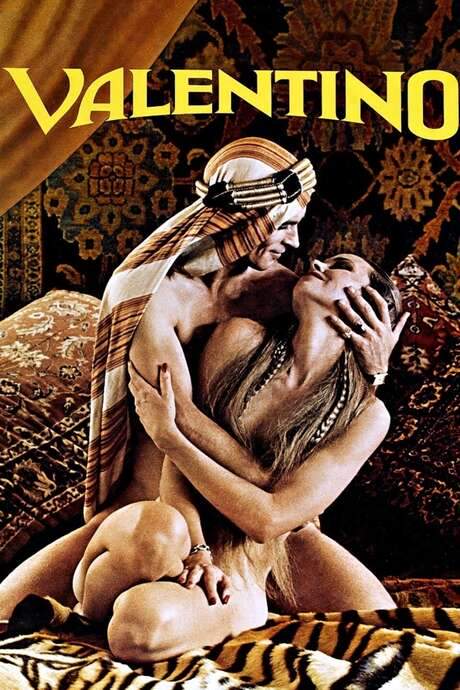
Valentino 1977

Directed by

Mark Baker
Made by

Chartoff-Winkler Productions
Where to Watch Valentino
See current US streaming, rental, and purchase options for Valentino (1977) via JustWatch.

fuboTV
HD
MGM Plus
HD
MGM Plus Roku Premium Channel
HD
MGM+ Amazon Channel
SD
Philo
HD
Tubi TV
SD Streaming availability powered by 
Valentino Plot Summary
Read the complete plot summary and ending explained for Valentino (1977). From turning points to emotional moments, uncover what really happened and why it matters.
In 1926, thousands of fans flood the streets of New York City to mob the wake of Rudolph Valentino, the silent-era icon whose sudden death has left the industry in shock. As order is restored at the funeral home, a circle of Valentino’s most important women arrive to mourn, each presenting a personal memory that unfolds as a vivid flashback.
Bianca de Saulles, Emily Bolton, recalls meeting Valentino when he was still an unknown taxi dancer and gigolo in a city buzzing with talent and ambition. He speaks of a dream: a California orange grove he longs to own, a symbol of a simpler, brighter life beyond the hustle of the New York scene. After mobsters rob Valentino, he resolves to head west, seeking a fresh start. Bianca’s recollection includes a moment when she witnesses Valentino dancing with a male ballet dancer, Vaslav Nijinsky, a scene that hints at the paradoxes of his fame and his artistry.
Next, June Mathis, a young film executive and screenwriter whose unrequited love for Valentino drives much of the memory, travels with him to California. The pair’s volatile dynamic becomes more complicated when he upends Fatty Arbuckle by romantically winning over the starlet next to Arbuckle, which leads to his marriage to actress Jean Acker, a life of luxury and spectacle that inspires Valentino to pursue acting seriously. June’s testimony underlines her role in recognizing his star power and her pride in having helped propel him toward The Four Horsemen of the Apocalypse, a breakthrough that catapults him into superstardom.
Alla Nazimova makes a flamboyant entrance at Valentino’s funeral, giving the cameras a dramatic flourish as she asserts her own version of their history and experience. Her account is followed by her friend Natacha Rambova, Valentino’s second wife, who claims that their bond remains spiritually intact even as they are separated physically. In Rambova’s flashback, she is shown as a key influence during The Sheik era, dancing the seven veils and steering Valentino toward a life off the conventional paths of the studio system. The on-screen tension between Rambova and the studio heads is palpable as they navigate the social mores and business pressures of early Hollywood.
The drama deepens on set, where Rambova and Sidney Olcott take a lead role in directing. A playful moment among stagehands—someone tosses a pink powder puff onto Valentino’s lap while they joke about who is in charge of the on-set power dynamics—sparks a confrontation. Rambova makes it clear that Valentino will not work under Paramount until certain demands are met, and Lasky’s refusal lands the couple in a precarious financial position. George Melford steps in with a practical offer to help book personal appearances for Mineralava, a beauty product, and the arrangement proves to be a practical lifeline that helps them regain momentum.
The tabloid headlines take a personal turn when a newspaper article questions Valentino’s manhood and suggests a sexual ambiguity. Valentino challenges the author to a duel, and Rory O’Neil, a professional boxer, stands in for the reporter. The fight becomes a balletic duel that echoes the Nijinsky era flashback, with Valentino landing a decisive blow that cements his reputation as a fearless performer. Afterward, signs of physical trouble appear: an ulcer begins to erode his health.
A rematch is arranged, this time a drinking contest, and Valentino accepts despite his ulcer. He triumphs again, but the strain worsens his condition, and the ulcer perforates when he returns home that night. He dies in a wrenching, crawling moment, clutching at an orange he had dropped, a final, poignant image of a life lived in vibrant, often reckless color.
Throughout the montage of memories, the mourners reflect on Valentino’s rapid rise, his personal gambles, and the toll of the fame machine. The scent of ambition, romance, and a relentless media glare lingers in each memory, painting a portrait of a larger-than-life figure whose legacy extended far beyond his last day. The stories of Bianca de Saulles, June Mathis, Alla Nazimova, Natacha Rambova, George Melford, Rory O’Neil, and others illuminate the man behind the legend, shedding light on the costs and rewards of becoming a true cinema icon.
- In a moment that captures the era’s fevered ambiance, the memory of Nijinsky’s dance and Valentino’s on-screen charisma collide, suggesting how movement, performance, and public perception intertwined to shape his legend. - The tensions with studio power, the pressures of fame, and the vulnerability behind the public image are all threaded through these intimate recollections, offering a nuanced, multi-faceted portrait rather than a simple chronicle. - The final image—the orange on the floor and Valentino’s desperate reach—rings with melancholy, underscoring the fragile line between triumph and tragedy that defines Valentino’s enduring myth.
Rambova calls the shots in bed, too
The wake becomes a echoed procession of voices, each contributing a different shade to Valentino’s complex legacy, and inviting readers to consider not just the films he made, but the people who shaped his life, the industry that propelled him to superstardom, and the price of enduring fame.
Valentino Timeline
Follow the complete movie timeline of Valentino (1977) with every major event in chronological order. Great for understanding complex plots and story progression.
Valentino's wake draws thousands in New York
Thousands of fans mob local mourners as the wake for Valentino unfolds in New York City. After the funeral home regains order, a procession of important women begin to mourn him, each framing him through their own memory. The ceremony sets up a sequence of flashbacks that reveal different chapters of his life.
Bianca de Saulles recalls Valentino's early days
Bianca, once a taxi dancer and gigolo under Billie Streeter, remembers her first meeting with Valentino in New York. He shares his dream of owning an orange grove in California, fueling his westward move after a robbery by mobsters. She also recalls an unforgettable day when he danced with Vaslav Nijinsky, teaching him the tango.
June Mathis discovers Valentino and catapult to superstardom
June Mathis first meets Valentino in California and nudges him toward acting after a brief, provocative moment with Fatty Arbuckle and Jean Acker. Acker's glamorous life sparks Valentino's interest in film, and Mathis remembers spotting him in a small part and pushing for a larger role. The Four Horsemen of the Apocalypse becomes his breakout hit in 1921, cementing his stardom, a discovery Mathis proudly claims.
Alla Nazimova's flamboyant funeral entrance
Nazimova makes a dramatic entrance at Valentino's funeral and seizes the cameras with a bold, public claim of a relationship with him. She recalls working on Camille with Valentino, adding a theatrical layer to the memorial. The moment foregrounds the mythic aura surrounding his life and career.
Rambova's past, The Sheik, and a Mexico plan
Natacha Rambova enters with Nazimova's confidants and tells reporters they remain close in spirit, setting up a past romance. A flashback reveals Rambova's early role as Nazimova's lover and her seduction of Valentino during The Sheik, including a seven veils dance. The couple then plan to marry in Mexico, a plan that unsettles Valentino and foreshadows later trouble.
Valentino's bigamy arrest and jail humiliation
Returning to the United States, Valentino faces arrest for bigamy and is left to languish in jail while Jesse Lasky refuses to pay his bail. The guards taunt him about his masculinity, subjecting him to a demeaning, public humiliation that underscores the vulnerabilities behind his public image. The incident sows deeper strains in his personal life.
Monsieur Beaucaire set tensions and fallout
On the set of Monsieur Beaucaire, Rambova and Sidney Olcott take over directing while mischief about a pink powder puff targets Valentino. Rambova demands accountability and threatens to walk off the set if her demands aren't met. Valentino finishes the film, but Lasky suspends Rambova and him, leaving them financially stranded before a new opportunity arises.
Mineralava tour and Paramount negotiations
George Melford helps arrange personal appearances for Mineralava, turning the tour into a public success. The engagement renews their leverage against Paramount as they negotiate favorable terms with Lasky. The touring circuit reestablishes Valentino's control over his image and earnings.
Media attack and the boxing duel
A newspaper questions Valentino's manhood, triggering a bold challenge to a duel. The duel is staged as a boxing match with Rory O'Neil standing in for the reporter, while flashbacks to his Nijinsky-inspired dance provide a ballet-like rhythm to the fight. Valentino ultimately lands a decisive blow, heightening the sense of his fragile masculinity under public scrutiny.
Ulcer symptoms surface after the duel
Although Valentino wins the boxing bout, the exertion triggers signs of an ulcer that had been growing during his career. The fight scene echoes the Nijinsky memory, underscoring how his life and art intertwine with his physical ailment. The illness marks the first serious decline in his health.
Rematch and the fatal perforation
A rematch with O'Neil follows a brutal drinking contest that Valentino accepts despite his ulcer. He defeats his opponent again, but the strain worsens the ulcer and sets the stage for a fatal rupture. He returns home, unaware that this night will end with his life.
Valentino dies, unable to reach the orange
The ulcer perforates and Valentino collapses, crawling on the floor in a final, tragic moment. He dies before help can arrive, unable to reach the orange toy he had playfully dropped. The orange becomes a poignant symbol as the memory of his life closes in around him.
Valentino Characters
Explore all characters from Valentino (1977). Get detailed profiles with their roles, arcs, and key relationships explained.
Rudolph Valentino (Rudolf Nureyev)
The central figure, a charismatic silent-film star whose ambitions and vulnerabilities drive the story. He navigates fame, romance, and humiliation, with moments of artistic boldness punctuating his rise. His arc culminates in a dramatic, humanly costly legacy that outlives his life.
Bianca de Saulles (Emily Bolton)
Valentino's early love, a taxi dancer with dreams of a California orange grove. She witnesses his evolving magnetism and catalyzes his decision to seek opportunities across the country. Her memories anchor the film’s exploration of the roots of his fame.
June Mathis (Felicity Kendal)
A young, ambitious screenwriter who harbors unrequited love for Valentino. She mentors him into stardom, recognizing his potential and championing his breakthrough in The Four Horsemen of the Apocalypse. Her professional drive helps propel his rise in Hollywood.
Alla Nazimova (Leslie Caron)
A flamboyant star who asserts a personal connection with Valentino and recalls their Camille collaboration. Her presence adds glamour and scandal to the wake, underscoring the era's shifting social circles. She embodies the interplay of art, fame, and public persona.
Natasha Rambova (Michelle Phillips)
Valentino's partner and collaborator who becomes deeply involved in his personal and professional life. Their complicated relationship and marriage plans reveal the tension between love, ambition, and control in early Hollywood.
George Melford (Don Fellows)
A director-manager who helps Valentino and Rambova secure appearances and negotiate deals, representing the business machinery of fame. His actions influence the couple's trajectory and the terms of their stardom.
Rory O'Neil (Peter Vaughan)
A professional boxer who becomes Valentino's rival in a duel-turned-ballet-like contest. The match serves as a metaphor for public conflict and personal struggle, linking performance with personal vulnerability.
Sidney Olcott (John Justin)
A film director figure who participates in directing scenes on set, reflecting Valentino's evolving relationship with creative control. He embodies the industry’s power structures and collaborative process shaping Valentino’s screen presence.
Fatty Arbuckle (William Hootkins)
A contemporary of Valentino whose presence illustrates the era's celebrity culture and personal clashes. His interactions contribute to the broader social dynamics surrounding the star and the media spotlight.
Vaslav Nijinsky (Anthony Dowell)
A famed ballet dancer whose memory juxtaposes with Valentino's boxing duel, highlighting the blend of dance and masculine performance that informs Valentino's world. Nijinsky's presence underscores the artful, performative nature of Valentino's era.
Valentino Settings
Learn where and when Valentino (1977) takes place. Explore the film’s settings, era, and how they shape the narrative.
Time period
1926
The events are set in the mid-1920s, during the height of Hollywood's silent era and the burgeoning celebrity culture. Valentino's wake in 1926 provides the frame, while earlier scenes trace his ascent through the early 1920s. The period captures the tension between fame, art, and personal turmoil that defines his legacy.
Location
New York City, California, Mexico
The wake of Rudolph Valentino unfolds in New York City, with the funeral home serving as the centerpiece for memory and public spectacle. Flashbacks roam to California, where Valentino pursues stardom and personal dreams, and to Mexico, where pivotal life decisions unfold. These locations anchor the story in the 1920s American film landscape, highlighting the rise and fall of a global icon.
Valentino Themes
Discover the main themes in Valentino (1977). Analyze the deeper meanings, emotional layers, and social commentary behind the film.
🎭
Fame
Valentino's celebrity status drives the narrative, illustrating how fans, the press, and studios mold his decisions. The film examines the double-edged nature of stardom, where adoration can quickly turn into scrutiny and control. Through memories and encounters, the story shows how fame shapes identity and public perception.
💔
Tragedy
Behind the glamour lies a life shadowed by personal conflict and fragile health. The plot centers on his ulcer, legal battles, and ultimate death, using mortality to critique the costs of superstardom. The arc suggests that legend often eclipses the human vulnerabilities behind it.
🧭
Legacy
The remembered relationships reveal how Valentino's life and image were built by a web of mentors, lovers, rivals, and collaborators. Each memory adds to the public persona that endures beyond his death. The film uses these fragments to construct a portrait of a man who became a lasting cultural symbol.

Coming soon on iOS and Android
The Plot Explained Mobile App
From blockbusters to hidden gems — dive into movie stories anytime, anywhere. Save your favorites, discover plots faster, and never miss a twist again.
Sign up to be the first to know when we launch. Your email stays private — always.
Explore the mobile appValentino Spoiler-Free Summary
Discover the spoiler-free summary of Valentino (1977). Get a concise overview without any spoilers.
In the bustling heart of 1926 New York, the city is awash with a mixture of reverence and restless energy as thousands gather to honor a legend whose sudden departure has sent shockwaves through the fledgling film industry. The wake, set against the backdrop of newspaper headlines and whispered speculation, becomes a quiet stage where the glitz of silent‑screen stardom meets the raw intimacy of memory. From the polished marble of the funeral home to the murmuring streets outside, the atmosphere is tinged with both celebration and a palpable sense of loss, inviting the audience to step into an era where fame was both a shining beacon and a fragile construct.
At the center of this gathering stands Rudolph Valentino, a magnetic figure whose on‑screen charisma and off‑screen ambition have made him an icon of the Roaring Twenties. He is remembered as a dreamer chasing a brighter horizon—a longing for an orange grove in California that symbolizes a simpler, untamed life beyond the relentless pulse of New York’s nightlife. His journey from a struggling dancer to a worldwide sensation is hinted at through the reverent tones of those who loved him, suggesting a man whose personal aspirations were as grand as his public persona.
Surrounding him are the women whose lives intersected with his own, each offering a distinct hue to his mythic portrait. Bianca de Saulles recalls the early days of restless ambition and the raw, unfiltered energy of a city teeming with talent. June Mathis reflects on the sharp, often unspoken affection of a film executive who recognized his star quality and helped shape his ascent. Alla Nazimova brings theatrical flair, while Natacha Rambova—his second wife—offers a glimpse into the intimate, often turbulent partnership that pushed him beyond conventional studio boundaries. Even figures like George Melford and Rory O’Neil surface in these recollections, underscoring the tapestry of relationships that surrounded his rise.
Together, these voices weave a portrait that is less a chronology of events and more a mood‑laden meditation on glamour, desire, and the relentless glare of the public eye. The film glides through vignettes of whispered anecdotes and lingering glances, immersing the viewer in a world where ambition burns bright against a backdrop of evolving cinema, and where the echo of a legend continues to resonate long after the final curtain falls.
Movies with Similar Twists and Themes
Uncover films that echo the narrative beats, emotional arcs, or dramatic twists of the one you're exploring. These recommendations are handpicked based on story depth, thematic resonance, and spoiler-worthy moments — perfect for fans who crave more of the same intrigue.
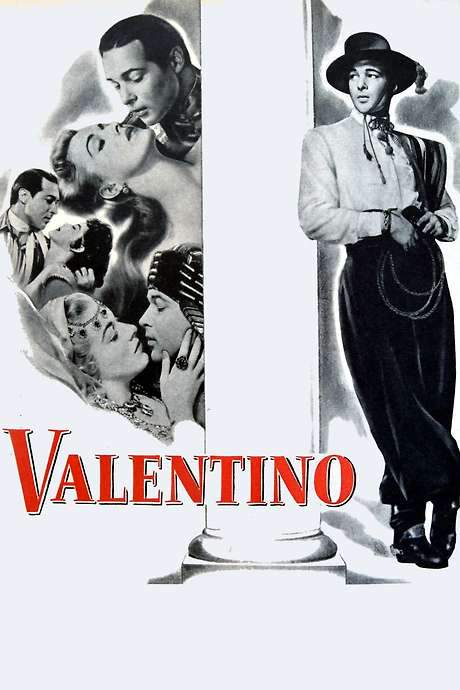
Featured on this page

What's After the Movie?
Not sure whether to stay after the credits? Find out!
Check out our other apps:

SAT Sphere
Build confidence for the Digital SAT.

Mori Atlas
Discover wild places worth protecting.

Luntero
Search smarter for a home in Amsterdam.

Plot Explained
Unravel movie endings and hidden clues.

Pokechamp
Dive into Pokémon data and battle logic.

Driving Theory
Get ready for your European theory test.

Movie Dust
Plan your next cinema trip with ease.

Musemap
Find art and culture as you travel.

Selkobase
Compare credentials before committing.

Local Manual
Turn an unfamiliar country into practical next steps.

Lernavi
Compare school systems before your next move.

GymRoam
Find a workout stop wherever your plans take you.
Explore Our Movie Platform
New Movie Releases (2026)
Famous Movie Actors
Top Film Production Studios
Movie Plot Summaries & Endings
Major Movie Awards & Winners
Best Concert Films & Music Documentaries
Movie Collections and Curated Lists
© 2026 What's After the Movie. All rights reserved.
Privacy Policy