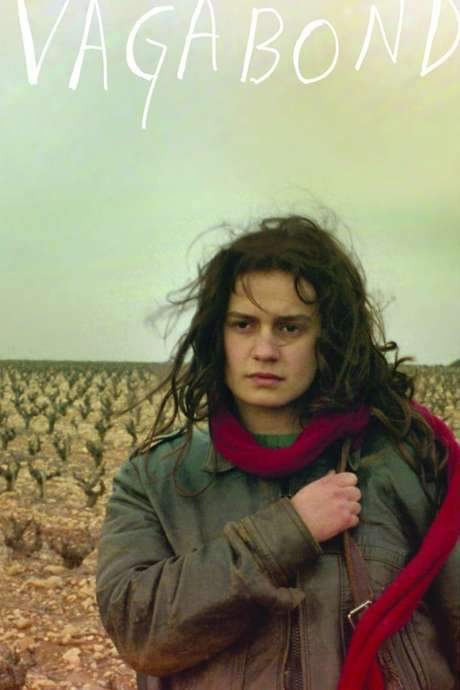
Vagabond 1985


Directed by

Agnès Varda
Made by

Ministère de la culture
Where to Watch Vagabond
See current US streaming, rental, and purchase options for Vagabond (1985) via JustWatch.







Vagabond Plot Summary
Read the complete plot summary and ending explained for Vagabond (1985). From turning points to emotional moments, uncover what really happened and why it matters.
On a cold winter morning in the vineyards of a small village in the Gard region of France, the contorted body of Mona Bergeron, Sandrine Bonnaire is discovered in a ditch. The local gendarmes quickly determine she is a vagrant who froze to death, and she is buried in a potter’s field.
Mona’s last winter is portrayed through flashbacks initiated by interviews with people who had crossed her path. She wanders the country alone, hitchhiking, sleeping in a tent, and taking odd jobs just to survive. She endures hunger, thirst, biting cold, and dangerous situations, while often lacking cigarettes or cannabis. Along the way, she crosses paths with a maid who envies her freedom, shares brief relationships with another vagabond, meets a family of goat farmers, encounters a professor who studies plane trees, engages with a Tunisian vineyard worker, and comes across a group of homeless youths who drink, use drugs, and fritter away time at a railway station. In one moment of honesty, she tells a companion that she left her life as a secretary in Paris to seek freedom and a life without responsibility.
Her journey wears on her physical limits: her boots fall apart, and after she loses her tent and sleeping bag in a fire at a squat in Nîmes, she is left with only a blanket for warmth. She stumbles upon a bizarre harvest festival, where she is daubed with wine dregs by men in strange costumes. After escaping, she wanders into a vineyard, where she falls into a ditch. Tired, cold, wet, and now injured, she cannot rise, and she succumbs to the elements.
Vagabond Timeline
Follow the complete movie timeline of Vagabond (1985) with every major event in chronological order. Great for understanding complex plots and story progression.
Mona leaves Paris to seek freedom and responsibility-free life
Mona abandons her job as a secretary in Paris to pursue freedom and a life without responsibility. She chooses the road over routine, venturing into an unknown future. This decision sets the course for the winter journey that follows.
Mona begins a vagabond life across France
She wanders the country alone, hitchhiking from place to place. She camps in a tent and takes odd jobs to survive, facing hunger and cold. The sequence presents both her resilience and vulnerability as she travels.
She meets a maid who envies her freedom
In one encounter, a maid observes Mona's carefree life with envy. The exchange hints at social contrasts between domestic security and vagabond freedom. It underscores Mona's isolation and the allure of her wandering.
Short relationship with another vagabond
Mona shares a brief, precarious bond with another vagabond. The companionship offers warmth but is unstable under harsh conditions. It illustrates how fragile connections form on the road.
Encounters a family of goat farmers
She crosses paths with a family of goat farmers who provide a fragile sense of routine in the countryside. Their simple, steady life contrasts with her nomadic existence. The encounter reveals different forms of care and dependence.
A professor specializing in plane trees appears
Mona meets a professor who studies plane trees, offering a brief human connection amid her wandering. The encounter adds a thread of intellectual curiosity to her travels. It hints at the far reach of life beyond her immediate survival.
A Tunisian vineyard worker crosses her path
She encounters a Tunisian vineyard worker, another brief interaction among vineyard landscapes. The encounter shows the mix of people she meets and the mobility of labor in rural France. It adds texture to her journey.
A group of homeless youths at a railway station
Mona becomes aware of or observes a group of homeless youths who spend nights at a railway station, drinking, using drugs, and engaging in petty crimes. The scene paints a rough picture of life on the margins. It marks another facet of the social world she inhabits.
Her boots fall apart
As winter tightens its grip, Mona's boots fall apart, leaving her more exposed to the cold and the elements. She must cope with worsening gear as the journey continues. The loss highlights her growing vulnerability.
Loss of tent and sleeping bag in a Nîmes squat fire
A fire at a squat in Nîmes destroys her tent and sleeping bag, leaving Mona with only a blanket for warmth. The setback marks a turning point in her survival along the road. She faces harsher conditions with diminished means.
Mona at a bizarre harvest festival
During a strange harvest festival, Mona is daubed with wine dregs by men in odd costumes. She escapes the spectacle and continues wandering. The surreal episode highlights the vulnerability and unpredictability of her environment.
Falls into a vineyard ditch
After fleeing the festival, she stumbles into a vineyard and sinks into a ditch. Exposed, exhausted, and soaked, she cannot free herself. The episode intensifies the sense of impending tragedy.
Mona cannot rise and the elements take hold
Too tired, cold, and injured, she lies in the ditch and cannot rise. The harsh winter elements gradually overwhelm her. This moment marks the final decline of her journey.
Discovery of Mona's body by the gendarmes
On a cold winter morning, Mona's body is found in the ditch by the gendarmes. They determine she is a vagrant, and she is buried in a potter's field. The discovery closes her last winter and frames the film's memorial arc.
Vagabond Characters
Explore all characters from Vagabond (1985). Get detailed profiles with their roles, arcs, and key relationships explained.
Mona Bergeron (Sandrine Bonnaire)
A free-spirited young woman who abandons her Paris life to live as a vagabond. She travels alone, hitchhiking and doing odd jobs, enduring hunger, cold, and danger along the way. Despite her resilience and independence, she remains vulnerable to the harsh realities of life on the road.
The Moroccan Who Discovers Mona (Setti Ramdane)
A traveler who encounters Mona during her journey, offering a brief interaction that reflects the complexity of life on the margins. His presence provides a glimpse into the social fabric of the road and the varied responses vagabonds evoke.
Old Aunt Lydie (Marthe Jarnias)
An elder relative figure who appears in flashbacks, hinting at Mona's past and the family ties she has left behind. Her presence anchors Mona’s backstory and contrasts with her present nomadic life.
Vagabond Settings
Learn where and when Vagabond (1985) takes place. Explore the film’s settings, era, and how they shape the narrative.
Time period
Winter
The narrative unfolds against a cold, persistent winter. Frosty mornings and sparse shelter frame Mona's travels, hunger, and dangers on the road. The winter season casts a fatal, unforgiving backdrop to her pursuit of freedom.
Location
Gard, France, Nîmes, France
Set among the vineyards of the Gard region in southern France, the film's setting is a rural, wintry landscape. The action follows Mona's journeys across small villages and along rural roads, through Nîmes, and into the open countryside. The environment is harsh and indifferent, shaping her struggle to survive.
Vagabond Themes
Discover the main themes in Vagabond (1985). Analyze the deeper meanings, emotional layers, and social commentary behind the film.
🧭
Freedom
Mona abandons a conventional Paris life to wander the countryside, seeking autonomy and life without responsibility. The road offers spontaneity and companionship, but also insecurity and exposure to harsh environments. The film probes the appeal and fragility of freedom when social ties and stability are left behind. Freedom here is both a lure and a test of endurance.
❄️
Survival
The story centers on basic needs—food, shelter, warmth—and Mona's continuous struggle to meet them. She endures hunger, thirst, biting cold, and dangerous situations as she travels. Her improvised tents, a burned-out camp, and a lone blanket highlight the precariousness of life on the road. Survival comes at the cost of personal safety and stability.
🌫️
Marginalization
Mona is treated as an invisible wanderer by society, a vagrant whose life is judged and buried in a potter's field. The film examines how social norms marginalize the poor and the freedom seekers who exist on the edges. Encounters with locals reveal curiosity, suspicion, and indifference to those who reject conventional life. The narrative uses Mona's invisibility to critique social neglect and the fragility of human dignity.

Coming soon on iOS and Android
The Plot Explained Mobile App
From blockbusters to hidden gems — dive into movie stories anytime, anywhere. Save your favorites, discover plots faster, and never miss a twist again.
Sign up to be the first to know when we launch. Your email stays private — always.
Explore the mobile appVagabond Spoiler-Free Summary
Discover the spoiler-free summary of Vagabond (1985). Get a concise overview without any spoilers.
In the quiet chill of a French winter, a solitary figure drifts from one rural hamlet to the next, living on the edge of society with only a few belongings and an unyielding craving for freedom. The world she navigates is a patchwork of vineyards, modest farms, and forgotten towns where the landscape itself feels both inviting and indifferent. The atmosphere is stark and contemplative, each cold wind and empty road echoing her restless spirit.
Mona Bergeron moves through this terrain with a quiet defiance, rejecting the conventions that once tethered her to a more conventional life. Her story is revealed through the eyes of those she encounters—a maid who envies her autonomy, a wandering professor, a group of itinerant youths—each providing a fleeting glimpse into the paradox of her existence: a desire for connection tempered by a refusal to be held down. The film’s tone balances lyrical realism with an undercurrent of melancholy, inviting the audience to feel the texture of hunger, cold, and the occasional kindness that punctuates her wandering.
The narrative unfolds as a series of vignettes, each offering a portrait of ordinary people whose paths intersect with her transient journey. Through whispered conversations and quiet observations, the film sketches a portrait of a woman who has chosen a life without permanent roots, constantly testing the limits of her own endurance. The mood remains introspective, emphasizing the beauty and brutality of a life lived on the margins, and leaving a lingering sense of both admiration and unease about what it truly means to pursue absolute liberty.
Movies with Similar Twists and Themes
Uncover films that echo the narrative beats, emotional arcs, or dramatic twists of the one you're exploring. These recommendations are handpicked based on story depth, thematic resonance, and spoiler-worthy moments — perfect for fans who crave more of the same intrigue.






Featured on this page

What's After the Movie?
Not sure whether to stay after the credits? Find out!
Check out our other apps:

SAT Sphere
Build confidence for the Digital SAT.

Mori Atlas
Discover wild places worth protecting.

Luntero
Search smarter for a home in Amsterdam.

Plot Explained
Unravel movie endings and hidden clues.

Pokechamp
Dive into Pokémon data and battle logic.

Driving Theory
Get ready for your European theory test.

Movie Dust
Plan your next cinema trip with ease.

Musemap
Find art and culture as you travel.

Selkobase
Compare credentials before committing.

Local Manual
Turn an unfamiliar country into practical next steps.

Lernavi
Compare school systems before your next move.

GymRoam
Find a workout stop wherever your plans take you.
Explore Our Movie Platform
New Movie Releases (2026)
Famous Movie Actors
Top Film Production Studios
Movie Plot Summaries & Endings
Major Movie Awards & Winners
Best Concert Films & Music Documentaries
Movie Collections and Curated Lists
© 2026 What's After the Movie. All rights reserved.
Privacy Policy