
Pierrot le Fou 1965


Directed by
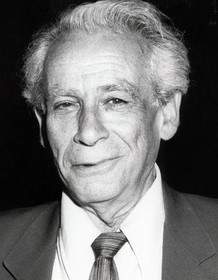
Samuel Fuller
Made by

DDL Cinematografica
Where to Watch Pierrot le Fou
See current US streaming, rental, and purchase options for Pierrot le Fou (1965) via JustWatch.







Pierrot le Fou Plot Summary
Read the complete plot summary and ending explained for Pierrot le Fou (1965). From turning points to emotional moments, uncover what really happened and why it matters.
Ferdinand Griffon is a restless, discontented man who has just lost his job at a television company and feels suffocated by his comfortable, conventional life. After attending a superficial party in Paris, he decides to walk away from his wife and children to follow his former lover, Marianne Renoir, into a reckless escape that begins as a flight from routine and quickly spirals into something far riskier and more unpredictable. They slip away from the city, and when Ferdinand accompanies Marianne into her apartment, they stumble upon a corpse, an ominous discovery that sets the tone for a nightmarish road trip from Paris toward the sunlit coast.
From the moment they flee, Marianne and Ferdinand ride a dangerous wave of crime and evasion. They are pursued not only by the police but also by the men of the OAS, a threat that shadows their every move. The couple lives nomadically, moving from one reckless scheme to the next, using the dead man’s car as their makeshift lifeline and driving toward an illusion of freedom that feels increasingly hollow. They burn the car that contains the money they never truly understand and even sink another vehicle into the Mediterranean, a ritual that marks their perpetual transition between danger and escape. Throughout this fugitive journey, Ferdinand’s taste for philosophy and his habit of keeping a diary unveil a man who tries to make sense of chaos through thought, poetry, and introspection, even as the world around him destabilizes.
Their romance, once electric, begins to show its strain as the thrill of the chase wears thin. The duo spend time on a secluded desert island, a brief pause that offers a different rhythm to their extraordinary life on the run. The balance between desire and discipline becomes fragile, and the forces that chase them—police, gangsters, and the unpredictability of Marianne’s choices—grow louder and more invasive. Then a disturbing turn arrives when a dwarf gangster abducts Marianne, and in a desperate act of defense, she kills him with a pair of scissors. Ferdinand discovers the murder and is captured, subjected to a brutal waterboarding that aims to force him to reveal Marianne’s whereabouts.
Marianne manages to escape, separating from Ferdinand who ends up drifting toward Toulon. She searches relentlessly for him, and when they are finally reunited, their bond is tested amid circumstances that reveal a troubling undercurrent: Marianne uses Ferdinand to access a suitcase full of money, only to betray the bond again by fleeing with her real partner, Fred, whom she had previously referred to as her brother. The violent, fatal crescendo arrives when Ferdinand, disillusioned and furious, shoots Marianne and Fred. In a final act of defiance and despair, he paints his face blue and ties red and yellow dynamite to his head, intending to blow himself up. He hesitates at the last moment, tries to extinguish the fuse, but fails, and the explosion becomes a stark, tragic finale to a story that moves from reckless flight to devastating conclusion.
Pierrot le Fou Timeline
Follow the complete movie timeline of Pierrot le Fou (1965) with every major event in chronological order. Great for understanding complex plots and story progression.
Ferdinand abandons his old life with Marianne
After a mindless party in Paris, Ferdinand learns he has been fired from his TV job. He resolves to escape his bourgeois life and run away with his ex-girlfriend Marianne Renoir. The plan is to leave his wife and children behind and start anew on the run.
They discover a corpse and flee from OAS hunters
They follow Marianne into her apartment and discover a corpse, revealing that Marianne is being chased by OAS gangsters. The danger is immediate, forcing them to escape together. This moment marks the beginning of their impulsive alliance.
Criminal flight begins in the dead man's car
They flee Paris in the dead man's car, beginning a cross-country spree toward the Mediterranean. The escape intensifies their bond while throwing them into a life of risk and improvisation.
First car set on fire with money inside
They burn the dead man's car, which Marianne later learns had been full of money. The act removes the immediate trace of their crime, though the loot remains a distant, dangerous lure. The blaze becomes a symbol of erasing their past as they continue fleeing.
Second car sinks into the Mediterranean
Another vehicle is sunk into the Mediterranean as they escape the long arm of the law. The sea-bleeding escape cements their nomadic lifestyle and dependence on improvisation.
Riviera life strains their bond
They settle on the French Riviera after the chase, trying to create stability. Ferdinand spends his days reading philosophy and writing a diary, which alienates Marianne as she longs for action and change. The veneer of normalcy clashes with their need for escape.
Desert island interlude
The couple spends a few days on a desert island, trying to detach from society and form their own rhythm. The isolation amplifies the contrast between Ferdinand’s contemplative nature and Marianne’s restlessness.
Marianne defends herself against a kidnapper
A dwarf gangster kidnaps Marianne, and she kills him with a pair of scissors. This act underscores her resourcefulness and willingness to take decisive action. Ferdinand remains present but is increasingly swept along by violence.
Ferdinand is captured and tortured
Ferdinand discovers the murder and is captured by two of the gangsters. They waterboard him to force him to reveal Marianne’s whereabouts, testing his resolve and signaling the couple’s precarious dependence on luck and secrecy.
Marianne escapes; they are separated
Marianne escapes from captivity, and Ferdinand is left behind. Their paths diverge for a time as he settles in Toulon while she searches for him across France.
Reunion and money scheme
They are eventually reunited, and Marianne uses him to access a suitcase full of money. After securing the loot, she decides to run away with her real boyfriend, Fred, whom she had previously referred to as her brother.
Final act: murder, blue paint, and explosion
Ferdinand shoots Marianne and Fred, then paints his face blue and ties sticks of dynamite to his head. He tries to extinguish the fuse but fails, and is blown up in a final, self-destructive explosion. The moment marks the collapse of their chaotic world.
Pierrot le Fou Characters
Explore all characters from Pierrot le Fou (1965). Get detailed profiles with their roles, arcs, and key relationships explained.
Ferdinand Griffon (Jean-Paul Belmondo)
A disillusioned man newly fired from his TV job, he seeks an escape from bourgeois life after a dull party. His relationship with Marianne evolves into a dangerous, self-questioning journey. Throughout the pursuit, he writes a diary and philosophizes, showing a hunger for meaning beyond surface appearances. His arc ends in a fatal, self-destructive impulse born from betrayal and longing.
Marianne Renoir (Anna Karina)
Ferdinand’s ex-girlfriend who becomes his partner in crime on the road. She leads the couple through a reckless spree, using charm and cunning to survive. Marianne’s ambition eventually overrides sentiment as she reveals a willingness to abandon Ferdinand for money and a newer love. Her actions drive the most shocking betrayals of the film.
Le Nain (Jimmy Karoubi)
A dwarf gangster who kidnaps Marianne, adding a lethal obstacle to the couple’s escape. His presence heightens the film’s sense of danger and unpredictability. He is killed by Marianne with a pair of scissors, marking a brutal turn in the chase.
The Gangster (Roger Dutoit)
One of the OAS gangsters pursuing the couple, representing the political-violent threat that frames their flight. He embodies the external pressure and peril that fuels the couple’s desperation. His role heightens the sense of a world where power and survival override personal choice.
Fred (Dirk Sanders)
Marianne’s true boyfriend, whom she had previously described as her brother. He appears as a rival love interest who ultimately shares in Marianne’s flight from Ferdinand. Ferdinand ends the trio by shooting Marianne and Fred, sealing their doomed dynamic.
Pierrot le Fou Settings
Learn where and when Pierrot le Fou (1965) takes place. Explore the film’s settings, era, and how they shape the narrative.
Time period
1960s
Set in the contemporary 1960s France, the story unfolds amid urban nightlife, a culture of cinema and politics, and a public sense of upheaval. The era’s modernity and existential mood frame a man and woman who escape social norms to pursue an unorthodox, perilous freedom. The pursuit by police and OAS gangsters heightens the tension characteristic of mid-60s cinema. The time period amplifies the film’s critique of bourgeois life and conventional happiness.
Location
Paris, French Riviera (Côte d'Azur), Toulon, Mediterranean Sea, deserted island
The opening takes place in Paris, a city of polished surfaces and parties that masks deeper discontent. The couple’s flight carries them from the urban sprawl to the coast, then along the Mediterranean toward the Riviera. They spend time on a remote deserted island before drifting to Toulon, illustrating a journey from bourgeois routine to a lawless, sunlit fringe of the coast.
Pierrot le Fou Themes
Discover the main themes in Pierrot le Fou (1965). Analyze the deeper meanings, emotional layers, and social commentary behind the film.
🕊️
Freedom
Ferdinand and Marianne escape the constraints of marriage, work, and conventional society. Their flight becomes a roaming experiment in choosing experience over security. The couple’s life on the run challenges norms, blurring lines between crime, adventure, and personal liberation. Yet the pursuit by authorities and gangsters tests whether true freedom can exist outside structure.
💔
Love Betrayal
Marianne exerts control over Ferdinand, treating their bond as a means to an end. Their relationship shifts from shared thrill to calculated ends as Marianne pursues money and a new lover. Ferdinand’s devotion is tested by manipulation, leading to jealousy, desperation, and a fatal rift. The finale reveals a brutal fracture of trust as Marianne abandons him for another life.
💥
Violence
Violence punctuates their escape, from a violent kidnapping to the brutal murder of the dwarf by Marianne. Ferdinand is subjected to intimidation and waterboarding as the net tightens around them. The story crescendos in a self-destructive finale where a dangerous plan ends in an explosive, almost ritualistic death. The chiaroscuro of violence underscores the movie’s fatalist mood.
🧭
Existential Drift
Ferdinand reads and writes a diary, reflecting on meaning, identity, and desire. The couple drifts through places and identities, living like performers in a dreamlike road movie. The nickname Pierrot highlights a sense of melancholic performance and self-mockery. The film uses this drift to probe what remains of the self when social roles break down.

Coming soon on iOS and Android
The Plot Explained Mobile App
From blockbusters to hidden gems — dive into movie stories anytime, anywhere. Save your favorites, discover plots faster, and never miss a twist again.
Sign up to be the first to know when we launch. Your email stays private — always.
Explore the mobile appPierrot le Fou Spoiler-Free Summary
Discover the spoiler-free summary of Pierrot le Fou (1965). Get a concise overview without any spoilers.
In the late‑1960s, Paris throbs with a restless energy that feels both polished and on the edge of collapse. The city’s familiar cafés and tidy boulevards become a backdrop for a sudden, disquieting shift in tone—a move away from the measured romance of earlier French cinema toward something wilder, more improvisational. The film captures this transition with a kinetic blend of vérité‑style wanderings and sharply composed stillness, inviting the audience to feel the tension between the comfort of the ordinary and the lure of the unknown.
Ferdinand is a man on the brink of an existential breakdown. Recently dismissed from a television job, he finds his once‑predictable bourgeois life suffocating, his marriage and routine reduced to something he can no longer recognize. A series of superficial social encounters only amplify his sense of alienation, prompting him to abandon his family and seek a new direction that promises both escape and meaning. His intelligence and habit of recording his thoughts hint at a restless desire to articulate the chaos he perceives, even as he remains unsure of what he is fleeing toward.
Marianne appears as the enigmatic catalyst for his departure. Once an intimate part of his past, she now embodies a restless, almost mythic freedom that draws Ferdinand into a spontaneous departure from the city. Together they set out on a journey that spirals from an impulsive Parisian escape into a broader, sun‑lit odyssey toward the Mediterranean. Their relationship crackles with a mix of lingering affection and a shared hunger for an experience that defies conventional boundaries, and the road ahead is rendered as much a psychological landscape as a geographic one.
The film’s tone is simultaneously lyrical and urgent, blending philosophical musings with a palpable sense of danger that never fully surfaces. The world they traverse feels both contemporary and timeless—urban streets giving way to open coastlines, each environment echoing the characters’ internal unrest. As they move forward, the narrative maintains an open‑ended rhythm, leaving viewers suspended between the promise of liberation and the ever‑present shadow of uncertainty.
Movies with Similar Twists and Themes
Uncover films that echo the narrative beats, emotional arcs, or dramatic twists of the one you're exploring. These recommendations are handpicked based on story depth, thematic resonance, and spoiler-worthy moments — perfect for fans who crave more of the same intrigue.


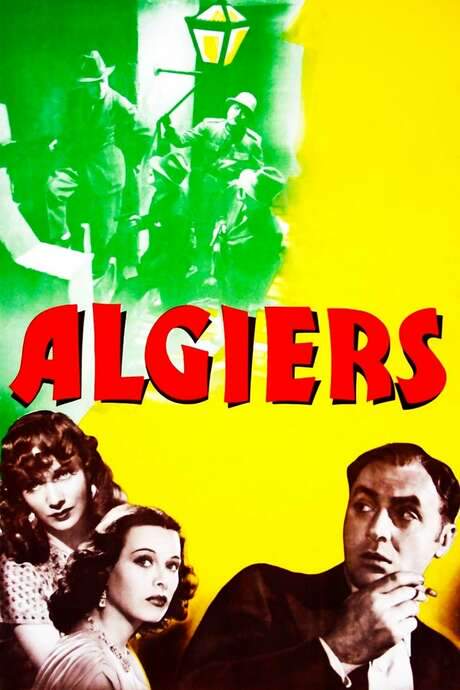

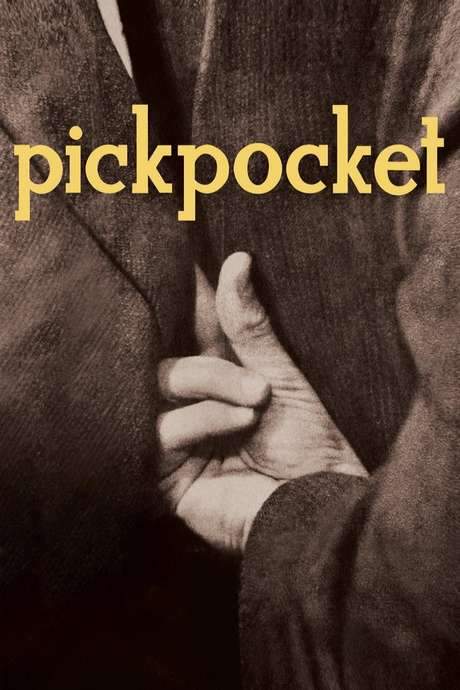
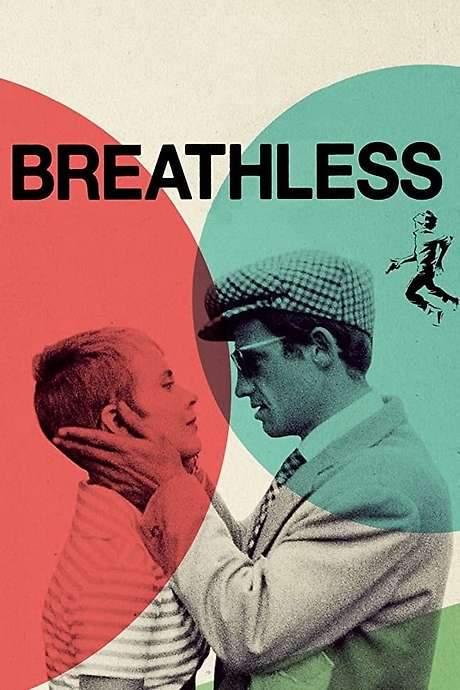

Featured on this page

What's After the Movie?
Not sure whether to stay after the credits? Find out!
Check out our other apps:

SAT Sphere
Build confidence for the Digital SAT.

Mori Atlas
Discover wild places worth protecting.

Luntero
Search smarter for a home in Amsterdam.

Plot Explained
Unravel movie endings and hidden clues.

Pokechamp
Dive into Pokémon data and battle logic.

Driving Theory
Get ready for your European theory test.

Movie Dust
Plan your next cinema trip with ease.

Musemap
Find art and culture as you travel.

Selkobase
Compare credentials before committing.

Local Manual
Turn an unfamiliar country into practical next steps.

Lernavi
Compare school systems before your next move.

GymRoam
Find a workout stop wherever your plans take you.
Explore Our Movie Platform
New Movie Releases (2026)
Famous Movie Actors
Top Film Production Studios
Movie Plot Summaries & Endings
Major Movie Awards & Winners
Best Concert Films & Music Documentaries
Movie Collections and Curated Lists
© 2026 What's After the Movie. All rights reserved.
Privacy Policy